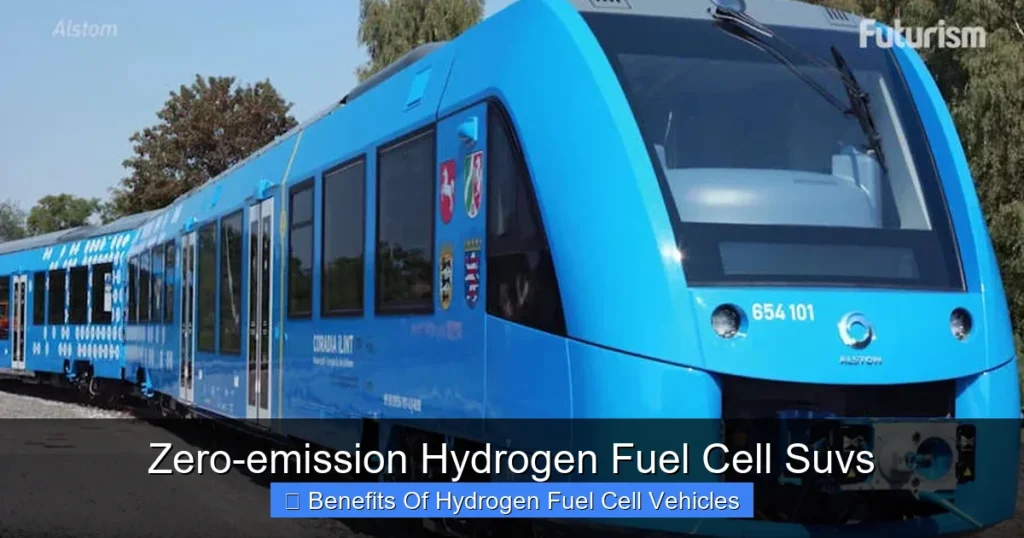
Zero-emission hydrogen fuel cell SUVs are revolutionizing sustainable transportation by combining the power and space of traditional SUVs with clean, efficient technology. These vehicles produce only water vapor as exhaust, offering a practical alternative to battery-electric models—especially for long-distance travel and heavy-duty use.
Key Takeaways
- Zero tailpipe emissions: Hydrogen fuel cell SUVs emit only water vapor, making them truly clean vehicles for the environment.
- Fast refueling times: Unlike battery EVs that take hours to charge, hydrogen SUVs refuel in under 10 minutes—similar to gasoline vehicles.
- Long driving range: Most hydrogen SUVs offer 300–400 miles per fill-up, ideal for road trips and daily commuting.
- High performance and power: Fuel cells deliver instant torque and smooth acceleration, matching or exceeding traditional SUVs.
- Suitable for cold climates: Hydrogen vehicles perform reliably in freezing temperatures where battery efficiency can drop.
- Growing infrastructure: While still limited, hydrogen refueling stations are expanding, especially in California, Japan, and parts of Europe.
- Government incentives available: Buyers may qualify for tax credits, rebates, and HOV lane access in select regions.
📑 Table of Contents
- What Are Zero-Emission Hydrogen Fuel Cell SUVs?
- How Hydrogen Fuel Cell SUVs Work
- Environmental Benefits of Hydrogen Fuel Cell SUVs
- Performance and Practicality: Why Choose a Hydrogen SUV?
- Refueling and Infrastructure: What You Need to Know
- Cost, Incentives, and Ownership Experience
- The Future of Hydrogen Fuel Cell SUVs
- Conclusion
What Are Zero-Emission Hydrogen Fuel Cell SUVs?
Imagine driving a powerful, spacious SUV that doesn’t pollute the air—no smog, no carbon emissions, just quiet, smooth performance. That’s exactly what zero-emission hydrogen fuel cell SUVs deliver. These vehicles use hydrogen gas stored in high-pressure tanks to generate electricity through a chemical reaction inside a fuel cell stack. The electricity then powers an electric motor, propelling the vehicle forward. The only byproduct? Pure water vapor.
Unlike battery-electric vehicles (BEVs) that rely on large lithium-ion batteries, hydrogen fuel cell SUVs generate their own electricity on board. This means they don’t need to plug in for hours. Instead, you simply fill up with hydrogen at a refueling station—just like you would with gasoline—and you’re ready to go in minutes. It’s a game-changer for drivers who want the convenience of quick refueling without sacrificing environmental responsibility.
Hydrogen fuel cell technology isn’t new—it’s been used in spacecraft and industrial applications for decades. But only recently has it become practical for everyday passenger vehicles, especially SUVs. Automakers like Toyota, Hyundai, and Honda have led the charge, introducing models such as the Toyota Mirai, Hyundai NEXO, and Honda Clarity Fuel Cell. These SUVs combine the ruggedness and versatility of traditional SUVs with cutting-edge green tech, making them ideal for families, outdoor enthusiasts, and eco-conscious commuters.
How Hydrogen Fuel Cell SUVs Work
Visual guide about Zero-emission Hydrogen Fuel Cell Suvs
Image source: hydrogenfuelnews.com
To understand why hydrogen fuel cell SUVs are so promising, it helps to know how they operate. At the heart of every hydrogen SUV is the fuel cell stack—a series of individual fuel cells layered together like slices of bread. Each cell contains an anode, a cathode, and an electrolyte membrane. When hydrogen gas (H₂) is fed into the anode, it splits into protons and electrons. The protons pass through the membrane to the cathode, while the electrons are forced through an external circuit, creating an electric current.
This electricity powers the vehicle’s electric motor, just like in a battery-electric car. Meanwhile, oxygen from the air enters the cathode, where it combines with the protons and electrons to form water (H₂O)—the only emission. The entire process is silent, efficient, and produces zero greenhouse gases.
The hydrogen is stored in reinforced carbon-fiber tanks located beneath the vehicle, designed to withstand high pressure and impact. These tanks are rigorously tested for safety and can hold enough hydrogen to deliver a range of 300 to 400 miles, depending on the model and driving conditions. Refueling takes just 5 to 10 minutes, making it far quicker than charging a battery EV—especially on long road trips.
One of the biggest advantages of this system is its scalability. Because the fuel cell generates power on demand, it can deliver consistent performance regardless of battery charge level. This means no range anxiety and no drop in power during acceleration or uphill driving. It’s a seamless blend of sustainability and practicality.
Environmental Benefits of Hydrogen Fuel Cell SUVs
When it comes to reducing our carbon footprint, zero-emission hydrogen fuel cell SUVs offer one of the cleanest driving experiences available. Unlike gasoline or diesel SUVs that spew carbon dioxide, nitrogen oxides, and particulate matter, hydrogen vehicles emit nothing but water vapor. This makes them a powerful tool in the fight against air pollution and climate change.
But the environmental benefits go beyond tailpipe emissions. The true impact of a hydrogen SUV depends on how the hydrogen is produced. Currently, most hydrogen is made from natural gas through a process called steam methane reforming, which does release CO₂. However, the industry is rapidly shifting toward “green hydrogen”—hydrogen produced using renewable energy sources like wind, solar, or hydroelectric power. When green hydrogen is used, the entire lifecycle of the vehicle becomes nearly carbon-neutral.
For example, countries like Iceland, Norway, and Canada are investing heavily in green hydrogen production, using their abundant renewable resources. In the U.S., California has launched initiatives to support clean hydrogen, including funding for solar-powered electrolysis plants. As these technologies scale, the environmental footprint of hydrogen fuel cell SUVs will continue to shrink.
Another benefit is reduced noise pollution. Hydrogen SUVs operate almost silently, contributing to quieter cities and less stress for drivers and pedestrians. This is especially valuable in urban areas where traffic noise is a major concern.
Moreover, hydrogen fuel cells have a longer lifespan than lithium-ion batteries and don’t rely on rare earth metals like cobalt or nickel, which are often mined under environmentally damaging conditions. This makes hydrogen SUVs a more sustainable choice in terms of resource use and long-term environmental impact.
Performance and Practicality: Why Choose a Hydrogen SUV?
You might be wondering: Are hydrogen fuel cell SUVs really as good as they sound? The answer is a resounding yes—especially if you value performance, range, and convenience. These vehicles are designed to compete head-to-head with traditional gasoline SUVs, offering similar power, space, and driving dynamics—but with a clean twist.
Power and Acceleration
Hydrogen SUVs deliver instant torque thanks to their electric motors, providing smooth and responsive acceleration. For example, the Hyundai NEXO can go from 0 to 60 mph in about 8.5 seconds—comparable to many mid-size gasoline SUVs. The Toyota Mirai, while slightly slower, still offers a refined and quiet ride with plenty of power for highway merging and hill climbing.
Spacious Interiors and Cargo Capacity
One of the biggest draws of SUVs is their roominess, and hydrogen models don’t compromise on space. The NEXO, for instance, offers a spacious cabin with seating for five, ample legroom, and a large cargo area. It even includes advanced features like a panoramic sunroof, heated seats, and a premium sound system—proving that eco-friendly doesn’t mean sacrificing comfort.
Long-Range Capability
With a typical range of 350 to 400 miles, hydrogen SUVs are ideal for long-distance travel. This is a major advantage over many battery EVs, which often see reduced range in cold weather or when using climate control. Hydrogen vehicles maintain consistent performance in all conditions, making them reliable year-round.
Cold Weather Performance
If you live in a cold climate, you’ll appreciate how well hydrogen SUVs perform in winter. Unlike battery EVs, which can lose up to 40% of their range in freezing temperatures, hydrogen vehicles aren’t affected by the cold. The fuel cell operates efficiently even in sub-zero conditions, and the water vapor exhaust actually helps prevent ice buildup on the tailpipe.
Towing and Off-Road Capability
Some hydrogen SUVs are built for adventure. The upcoming Toyota hydrogen-powered Tacoma and other prototypes suggest that future models may offer towing capacity and off-road features comparable to traditional trucks and SUVs. While current models are more focused on urban and highway driving, the technology is evolving rapidly.
Refueling and Infrastructure: What You Need to Know
One of the biggest questions about hydrogen fuel cell SUVs is: Where do you fill them up? The short answer is that hydrogen refueling infrastructure is still developing, but it’s growing—especially in certain regions.
Current State of Hydrogen Stations
As of 2024, there are over 100 hydrogen refueling stations in the United States, with the vast majority located in California. The state has made significant investments in hydrogen infrastructure, with plans to expand to 200 stations by 2026. Outside the U.S., countries like Japan, South Korea, Germany, and the UK are also building robust hydrogen networks. Japan, in particular, has embraced hydrogen as part of its national energy strategy, with over 160 stations nationwide.
How Refueling Works
Refueling a hydrogen SUV is simple and fast. You drive up to a hydrogen dispenser, connect the nozzle to the vehicle’s fuel inlet, and the system automatically fills the tank in 5 to 10 minutes. The process is similar to gasoline refueling, with safety features that prevent overfilling or leaks. Many stations are open 24/7 and accept credit cards or mobile payments.
Home Refueling: Is It Possible?
While most drivers rely on public stations, home refueling is becoming more feasible. Companies like Plug Power and HyGen Industries are developing home hydrogen generators that use solar power or grid electricity to produce hydrogen from water. These systems are still in the early stages and can be expensive, but they offer the ultimate convenience for early adopters.
Future Expansion
The future looks bright for hydrogen infrastructure. Governments and private companies are investing billions in hydrogen production, storage, and distribution. The U.S. Department of Energy’s Hydrogen Shot initiative aims to reduce the cost of clean hydrogen to $1 per kilogram by 2031—making it competitive with gasoline. As costs come down and stations multiply, hydrogen SUVs will become more accessible to the average driver.
Cost, Incentives, and Ownership Experience
Let’s talk money. Are hydrogen fuel cell SUVs affordable? The answer depends on how you look at it.
Upfront Cost
Currently, hydrogen SUVs are more expensive than their gasoline or battery-electric counterparts. The Hyundai NEXO starts around $60,000, while the Toyota Mirai is priced similarly. This is due to the high cost of fuel cell technology and limited production volumes. However, prices are expected to fall as manufacturing scales up and technology improves.
Fuel Cost
Hydrogen fuel is still relatively expensive—typically $12 to $16 per kilogram. A full tank (about 5–6 kg) can cost $60 to $100, which is comparable to filling a large gasoline SUV. However, as green hydrogen production increases and infrastructure expands, fuel prices are expected to drop significantly.
Maintenance and Reliability
One of the biggest advantages of hydrogen SUVs is low maintenance. There’s no engine oil to change, no spark plugs, and no complex transmission. The electric motor and fuel cell have fewer moving parts than internal combustion engines, reducing the risk of breakdowns. Many manufacturers offer comprehensive warranties—Toyota, for example, covers the fuel cell stack for 8 years or 100,000 miles.
Government Incentives
Buyers can take advantage of various incentives. In the U.S., the federal government offers a tax credit of up to $8,000 for new hydrogen fuel cell vehicles. California provides additional rebates of up to $5,000 through the Clean Vehicle Rebate Project (CVRP). Some states also offer HOV lane access, reduced registration fees, and free parking for hydrogen vehicles.
Resale Value and Leasing Options
Resale values for hydrogen SUVs are still uncertain due to the limited market, but leasing is a popular option. Both Toyota and Hyundai offer attractive lease deals—often under $400 per month with low down payments. This makes it easier for drivers to try the technology without a large upfront investment.
The Future of Hydrogen Fuel Cell SUVs
The future of zero-emission hydrogen fuel cell SUVs is bright. As the world shifts toward cleaner transportation, hydrogen is emerging as a key player—especially for larger vehicles that need long range and fast refueling.
Advancements in Technology
Researchers are working to improve fuel cell efficiency, reduce costs, and extend lifespan. New materials like graphene and advanced catalysts are making fuel cells lighter and more durable. Solid-state hydrogen storage is also being explored, which could allow for smaller, safer tanks.
Expansion of Green Hydrogen
The biggest breakthrough will come from green hydrogen. As renewable energy becomes cheaper and more widespread, producing hydrogen from solar and wind power will become the norm. This will make hydrogen SUVs truly sustainable from production to disposal.
New Models and Automaker Commitment
Major automakers are doubling down on hydrogen. General Motors, BMW, and even luxury brands like Mercedes-Benz are developing hydrogen-powered SUVs and trucks. The hydrogen-powered BMW iX5 Hydrogen is already being tested in Europe, and GM has partnered with Honda to build next-generation fuel cells.
Integration with Renewable Energy
Hydrogen SUVs could play a role in the broader energy ecosystem. Excess renewable energy can be used to produce hydrogen, which can then be stored and used to power vehicles or feed back into the grid. This creates a flexible, resilient energy system.
Global Adoption
Countries like Germany, Japan, and South Korea are leading the way, but interest is growing worldwide. The European Union has included hydrogen in its Green Deal, and China is investing heavily in hydrogen infrastructure. As more nations commit to net-zero emissions, hydrogen SUVs will become a mainstream option.
Conclusion
Zero-emission hydrogen fuel cell SUVs represent a bold step forward in sustainable transportation. They offer the power, range, and convenience of traditional SUVs—without the pollution. With fast refueling, long-range capability, and zero tailpipe emissions, they’re an ideal choice for drivers who want to reduce their environmental impact without sacrificing performance.
While challenges remain—such as limited infrastructure and higher upfront costs—the technology is advancing rapidly. Government support, falling production costs, and growing consumer interest are driving the hydrogen revolution forward. As green hydrogen becomes more widely available, these vehicles will play a crucial role in building a cleaner, quieter, and more sustainable future.
Whether you’re a family looking for a safe, spacious vehicle or an adventurer seeking long-range capability, a hydrogen fuel cell SUV could be the perfect fit. It’s not just a car—it’s a statement. A commitment to innovation, responsibility, and a better world for generations to come.
Frequently Asked Questions
Are hydrogen fuel cell SUVs really zero-emission?
Yes, hydrogen fuel cell SUVs produce zero tailpipe emissions—only water vapor comes out of the exhaust. However, the overall environmental impact depends on how the hydrogen is produced. When made with renewable energy, the entire lifecycle is nearly emission-free.
How long does it take to refuel a hydrogen SUV?
Refueling a hydrogen SUV takes just 5 to 10 minutes, similar to filling up a gasoline vehicle. This is much faster than charging a battery-electric SUV, which can take 30 minutes to several hours depending on the charger.
How far can a hydrogen fuel cell SUV go on one tank?
Most hydrogen SUVs offer a range of 300 to 400 miles per fill-up. For example, the Hyundai NEXO has an EPA-estimated range of 380 miles, making it ideal for long-distance travel.
Are hydrogen SUVs safe?
Yes, hydrogen SUVs are designed with multiple safety features. The hydrogen tanks are made of strong carbon fiber and undergo rigorous testing. The vehicles also include leak detection systems and automatic shut-off valves to prevent accidents.
Where can I refuel a hydrogen SUV?
Hydrogen refueling stations are currently concentrated in California, with growing networks in Japan, South Korea, Germany, and parts of Europe. The infrastructure is expanding, and more stations are planned in the coming years.
Are there any government incentives for buying a hydrogen SUV?
Yes, buyers in the U.S. may qualify for federal tax credits of up to $8,000, and California offers rebates of up to $5,000. Some states also provide HOV lane access and reduced registration fees for hydrogen vehicle owners.