Owning a hydrogen SUV offers a cleaner, quieter, and more efficient driving experience with zero tailpipe emissions and rapid refueling. These vehicles combine the practicality of an SUV with cutting-edge fuel cell technology, making them ideal for eco-conscious drivers who value performance and sustainability.
Key Takeaways
- Zero Tailpipe Emissions: Hydrogen SUVs emit only water vapor, making them one of the cleanest vehicles on the road today.
- Fast Refueling: Refill a hydrogen SUV in just 3–5 minutes—similar to gasoline vehicles and much faster than charging an EV.
- Long Driving Range: Most hydrogen SUVs offer 300–400 miles per tank, ideal for long-distance travel and road trips.
- Quiet and Smooth Performance: Fuel cell engines operate silently and deliver instant torque for a responsive, comfortable ride.
- Reduced Dependence on Fossil Fuels: Hydrogen can be produced from renewable sources, supporting energy independence and sustainability.
- Growing Infrastructure and Incentives: Government support and expanding refueling networks make hydrogen SUVs increasingly practical.
- Future-Proof Technology: As green hydrogen production scales, hydrogen SUVs will play a key role in decarbonizing transportation.
📑 Table of Contents
- Why Hydrogen SUVs Are the Future of Clean Driving
- Zero Emissions: Driving Toward a Cleaner Planet
- Fast Refueling: No More Waiting Around
- Long Range and High Performance
- Quiet and Comfortable Driving Experience
- Energy Independence and Sustainability
- Future-Proof Technology and Innovation
- Conclusion: Why a Hydrogen SUV Is Worth Considering
Why Hydrogen SUVs Are the Future of Clean Driving
Imagine driving a spacious, powerful SUV that leaves no carbon footprint behind. No smog, no engine noise, and no long waits at charging stations. That’s the reality of owning a hydrogen SUV—a vehicle powered by one of the most promising clean energy technologies of our time. As the world shifts toward sustainable transportation, hydrogen fuel cell vehicles (FCEVs) are emerging as a smart alternative to both gasoline-powered SUVs and battery-electric vehicles (BEVs).
Hydrogen SUVs use fuel cell technology to convert hydrogen gas into electricity, which powers the electric motor. The only byproduct? Pure water vapor. This makes them a game-changer for drivers who want the utility and comfort of an SUV without contributing to air pollution or climate change. Whether you’re commuting to work, taking a family road trip, or exploring off-the-beaten-path destinations, a hydrogen SUV delivers performance, efficiency, and peace of mind.
While electric vehicles have gained popularity, they come with limitations—long charging times, range anxiety, and reliance on electricity grids that may still depend on fossil fuels. Hydrogen SUVs solve many of these issues. They refuel in minutes, offer long ranges, and operate entirely on clean energy when powered by green hydrogen. As infrastructure improves and production costs decrease, hydrogen SUVs are becoming a practical and powerful choice for eco-conscious drivers.
Zero Emissions: Driving Toward a Cleaner Planet
One of the most compelling advantages of owning a hydrogen SUV is its environmental impact—or lack thereof. Unlike traditional gasoline or diesel SUVs, hydrogen fuel cell vehicles produce zero tailpipe emissions. When you drive a hydrogen SUV, the only thing coming out of the exhaust is water vapor. This means no carbon dioxide (CO₂), no nitrogen oxides (NOx), and no particulate matter—all of which contribute to air pollution and climate change.
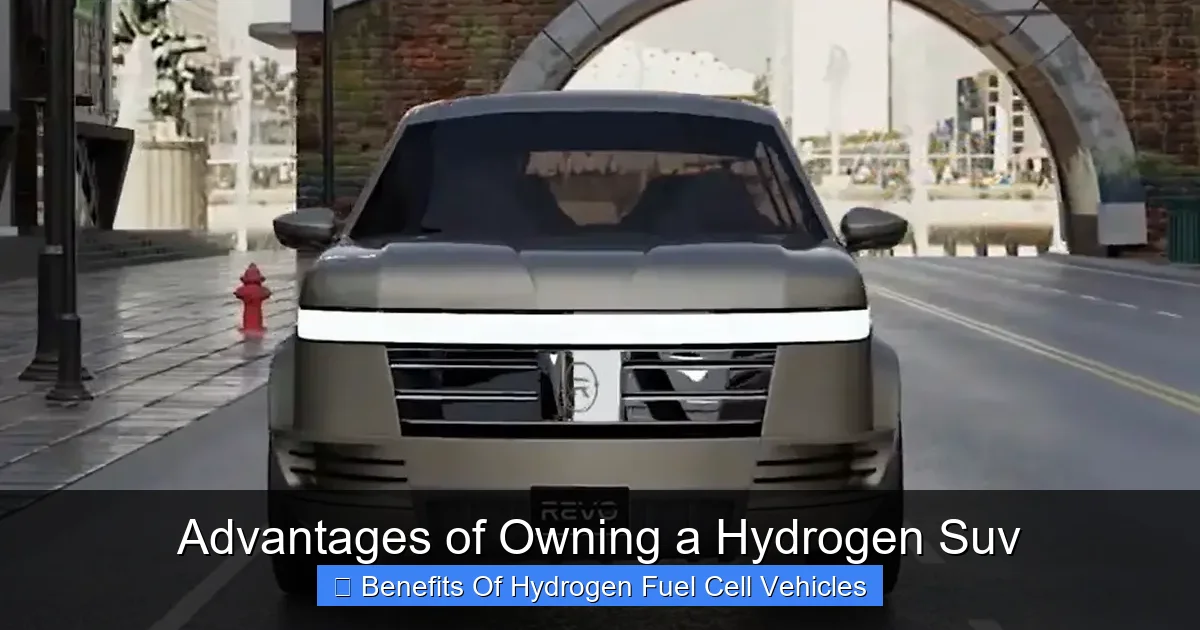
Visual guide about Advantages of Owning a Hydrogen Suv
Image source: hydrogenfuelnews.com
How Hydrogen Fuel Cells Work
Hydrogen fuel cells generate electricity through a chemical reaction between hydrogen and oxygen. Inside the fuel cell stack, hydrogen molecules are split into protons and electrons. The protons pass through a membrane, while the electrons create an electric current that powers the vehicle’s motor. Oxygen from the air combines with the protons and electrons at the cathode to form water—hence the “water vapor” exhaust. This process is silent, efficient, and completely clean at the point of use.
The Bigger Picture: Lifecycle Emissions
While tailpipe emissions are zero, it’s important to consider the full lifecycle of hydrogen production. Currently, most hydrogen is produced from natural gas through a process called steam methane reforming, which does emit CO₂. However, the future of hydrogen lies in “green hydrogen”—hydrogen produced using renewable energy sources like wind, solar, or hydroelectric power to electrolyze water. As green hydrogen becomes more widespread, the overall carbon footprint of hydrogen SUVs will shrink dramatically.
For example, countries like Germany, Japan, and South Korea are investing heavily in green hydrogen infrastructure. In California, where hydrogen SUVs are most common, over 50% of hydrogen supplied to fueling stations is already renewable. This trend is expected to grow, making hydrogen SUVs one of the cleanest options on the road.
Air Quality Benefits for Cities
Urban areas stand to benefit greatly from the adoption of hydrogen SUVs. Vehicles are a major source of air pollution in cities, contributing to respiratory illnesses and smog. By replacing gasoline-powered SUVs with hydrogen models, cities can significantly improve air quality. Imagine downtown areas with cleaner air, quieter streets, and healthier communities—all thanks to zero-emission vehicles like hydrogen SUVs.
Fast Refueling: No More Waiting Around
One of the biggest frustrations with electric vehicles is charging time. Even with fast chargers, it can take 30 minutes to an hour to recharge an EV battery to 80%. For long trips, this means frequent stops and careful route planning. Hydrogen SUVs eliminate this hassle with refueling times that rival gasoline vehicles—just 3 to 5 minutes to fill up.
Refueling Like a Gas Car
Refueling a hydrogen SUV is simple and familiar. You pull up to a hydrogen station, connect the dispenser nozzle to the fuel port, and fill the tank in minutes. There’s no need to plug in, wait, or worry about charging compatibility. This makes hydrogen SUVs ideal for drivers who value convenience and time efficiency.
Real-World Example: The Toyota Mirai
The Toyota Mirai, one of the most popular hydrogen SUVs, can be refueled in under five minutes and offers a range of over 400 miles. Compare that to a Tesla Model Y, which may take 20–30 minutes at a Supercharger to reach 80% capacity. For families on road trips or professionals with tight schedules, the time saved is significant.
Growing Refueling Infrastructure
While hydrogen refueling stations are still less common than gas stations or EV chargers, the network is expanding. In California, there are over 50 public hydrogen stations, with more planned. Japan and South Korea have even more extensive networks, and Europe is rapidly building out its hydrogen infrastructure. As demand grows, so will accessibility.
Tip: If you’re considering a hydrogen SUV, check the location of nearby refueling stations using apps like Hydrogen Station Locator or PlugShare. Many manufacturers also offer support programs to help drivers locate stations and plan routes.
Long Range and High Performance
Range anxiety is a common concern for electric vehicle owners—but not for hydrogen SUV drivers. Most hydrogen SUVs offer a driving range of 300 to 400 miles on a single tank, comparable to or better than many gasoline SUVs. This makes them perfect for long commutes, weekend getaways, and cross-country adventures.
Consistent Performance in All Conditions
Unlike some electric vehicles, which can lose range in cold weather due to battery inefficiency, hydrogen SUVs maintain consistent performance in various climates. The fuel cell system operates efficiently in both hot and cold temperatures, ensuring reliable power year-round.
Instant Torque and Smooth Acceleration
Hydrogen SUVs are powered by electric motors, which deliver instant torque and smooth acceleration. This means quick starts, responsive handling, and a quiet, comfortable ride. Whether you’re merging onto a highway or climbing a mountain pass, the performance is impressive and effortless.
Example: The Hyundai NEXO
The Hyundai NEXO, a sleek and modern hydrogen SUV, offers up to 380 miles of range and accelerates from 0 to 60 mph in under 9 seconds. It also features advanced driver-assistance systems, a luxurious interior, and a futuristic design. It’s proof that hydrogen vehicles don’t sacrifice style or performance for sustainability.
Towing and Utility
Many hydrogen SUVs are designed with utility in mind. Some models offer towing capabilities, making them suitable for hauling trailers, boats, or camping gear. While not all hydrogen SUVs are built for heavy towing, their electric motors provide strong low-end torque, which is ideal for pulling loads from a standstill.
Quiet and Comfortable Driving Experience
One of the most enjoyable aspects of driving a hydrogen SUV is the silence. Without a traditional internal combustion engine, these vehicles operate almost silently. The only sounds you’ll hear are the hum of the electric motor and the whisper of tires on the road. This creates a peaceful, relaxing driving environment—perfect for long trips or daily commutes.
Reduced Noise Pollution
Noise pollution is a growing concern in urban areas, contributing to stress, sleep disturbances, and hearing loss. Hydrogen SUVs help reduce this problem by eliminating engine noise. This is especially beneficial in residential neighborhoods, school zones, and quiet communities.
Enhanced Cabin Comfort
With no engine vibrations or loud exhaust systems, hydrogen SUVs offer a smoother, more comfortable ride. The absence of gear shifts (since most use single-speed transmissions) also contributes to a seamless driving experience. Passengers can enjoy conversations, music, or simply the quiet without distraction.
Advanced Interior Features
Hydrogen SUVs often come equipped with premium interiors, including leather seats, panoramic sunroofs, advanced infotainment systems, and climate control. Brands like Toyota, Hyundai, and Honda focus on delivering a luxurious experience that rivals high-end gasoline SUVs.
Energy Independence and Sustainability
Hydrogen SUVs contribute to energy independence by reducing reliance on imported oil. Instead of depending on fossil fuels, hydrogen can be produced domestically using a variety of energy sources—including renewables. This strengthens national energy security and supports local economies.
Hydrogen as a Renewable Resource
Green hydrogen, produced using solar or wind power, is a truly sustainable fuel. It can be stored and transported, making it a versatile energy carrier. Unlike batteries, which degrade over time, hydrogen can be stored for long periods without losing energy.
Supporting the Clean Energy Transition
By adopting hydrogen SUVs, drivers support the growth of clean energy infrastructure. Increased demand encourages investment in hydrogen production, storage, and distribution—accelerating the transition to a low-carbon economy.
Government Incentives and Support
Many governments offer incentives for hydrogen vehicle owners, including tax credits, rebates, and access to carpool lanes. In the U.S., the Inflation Reduction Act includes provisions to support hydrogen production and infrastructure. These incentives make hydrogen SUVs more affordable and accessible.
Future-Proof Technology and Innovation
Hydrogen SUVs represent the cutting edge of automotive technology. As research and development continue, we can expect improvements in fuel cell efficiency, hydrogen storage, and vehicle design. Innovations like lighter materials, faster refueling, and integrated solar panels could further enhance performance and sustainability.
Integration with Smart Grids
In the future, hydrogen SUVs could play a role in energy storage and grid stability. Excess renewable energy could be used to produce hydrogen, which is then stored and used to power vehicles or feed electricity back into the grid during peak demand.
Expanding Model Availability
Currently, hydrogen SUV options are limited, but major automakers are investing in fuel cell technology. In the coming years, we can expect more models, including trucks, crossovers, and luxury SUVs, giving consumers greater choice.
Conclusion: Why a Hydrogen SUV Is Worth Considering
Owning a hydrogen SUV is more than just a smart environmental choice—it’s a forward-thinking investment in the future of transportation. With zero emissions, fast refueling, long range, and quiet performance, these vehicles offer a compelling alternative to traditional and electric SUVs. As infrastructure grows and technology advances, hydrogen SUVs will become even more practical and accessible.
Whether you’re passionate about sustainability, value convenience, or simply want a vehicle that performs exceptionally well, a hydrogen SUV delivers on all fronts. It’s time to rethink what clean driving looks like—and embrace the power of hydrogen.
Frequently Asked Questions
Are hydrogen SUVs really emission-free?
Hydrogen SUVs produce zero tailpipe emissions—only water vapor comes out of the exhaust. However, the overall environmental impact depends on how the hydrogen is produced. Green hydrogen, made from renewable energy, offers the cleanest lifecycle.
How long does it take to refuel a hydrogen SUV?
Refueling a hydrogen SUV takes just 3 to 5 minutes, similar to filling up a gasoline vehicle. This is much faster than charging an electric SUV, which can take 30 minutes or more.
How far can a hydrogen SUV travel on one tank?
Most hydrogen SUVs offer a range of 300 to 400 miles per fill-up, making them suitable for long-distance travel and daily commuting without frequent refueling.
Are hydrogen refueling stations widely available?
Hydrogen stations are currently concentrated in regions like California, Japan, and parts of Europe, but the network is expanding. Use apps like PlugShare to locate nearby stations and plan your routes.
Are hydrogen SUVs safe?
Yes, hydrogen SUVs are designed with multiple safety features, including reinforced hydrogen tanks, leak detection systems, and automatic shut-off valves. They undergo rigorous testing to meet safety standards.
What happens if I run out of hydrogen?
If you run out of hydrogen, the vehicle will stop, just like a gas car. Most hydrogen SUVs have low-fuel warnings and navigation systems that help you find the nearest refueling station. Some manufacturers also offer roadside assistance programs.