Hydrogen fuel cell vehicles (FCEVs) are transforming transportation by offering zero-emission driving, longer ranges than electric cars, and faster refueling times. Powered by clean energy from water splitting, they’re a cornerstone of green technology, reducing reliance on fossil fuels and combating climate change.
Key Takeaways
- Zero Emissions: FCEVs produce only water vapor, eliminating harmful tailpipe pollutants.
- Fast Refueling: Recharge in minutes vs. hours for EVs, making them practical for long trips.
- Energy Efficiency: Hydrogen fuel cells convert 60% of energy into motion, rivaling EVs.
- Scalable Infrastructure: Growing hydrogen stations support wider adoption, especially in Europe and Japan.
- Renewable Synergy: Green hydrogen (from solar/wind) makes FCEVs truly carbon-neutral.
- Cost Reduction: Falling fuel-cell prices ($150/kW down from $300/kW in 2020) boost affordability.
—
[FEATURED_IMAGE_PLACEHOLDER]
Introduction: Why Hydrogen Fuel Cell Vehicles Matter
In the race against climate change, hydrogen fuel cell vehicles (FCEVs) stand out as a game-changer for green technology. Unlike battery-electric vehicles (BEVs), which rely on grid electricity, FCEVs use hydrogen stored in tanks to generate electricity via fuel cells—a process that emits nothing but water vapor. This makes them a compelling option for industries where range, speed, and scalability matter most.
Countries like Japan and Germany have already rolled out thousands of FCEVs, proving their viability. For example, Toyota’s Mirai and Hyundai’s Nexo offer over 400-mile ranges and refuel in just 5–10 minutes. But beyond convenience, FCEVs address critical gaps in the green transition: energy security, industrial decarbonization, and heavy-duty transport (like trucks and buses). Let’s dive deeper into why these vehicles are pivotal for a sustainable future.
—
The Science Behind Hydrogen Fuel Cells
How Fuel Cells Work
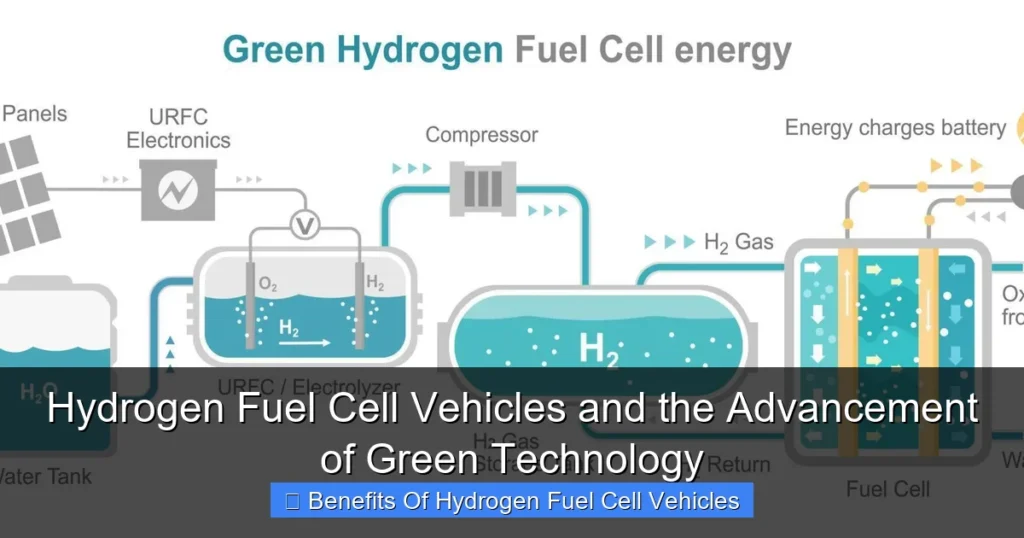
A hydrogen fuel cell splits water molecules (H2O) into oxygen and hydrogen at the anode. At the cathode, oxygen combines with electrons (released during hydrogen oxidation) to form water. The flow of electrons between electrodes generates electricity, powering the vehicle’s motor. No combustion occurs—just pure chemical reactions!
Types of Hydrogen
- Grey Hydrogen: Made from natural gas (emits CO2).
- Blue Hydrogen: Grey hydrogen with carbon capture (lower emissions).
- Green Hydrogen: Produced via electrolysis using renewable energy (carbon-free).
For FCEVs to be truly green, green hydrogen is essential. Projects like Australia’s Asian Renewable Energy Hub aim to produce 15 million tons/year of green hydrogen by 2030—enough to power millions of FCEVs.
—
Advantages Over Electric Vehicles (EVs)
Range & Refueling Speed
FCEVs typically offer 300–700 miles per fill-up, far exceeding most BEVs (which often max out at 250–300 miles). Refueling takes minutes versus 4–8 hours for EV charging—ideal for drivers who can’t afford downtime.
Grid Independence
EVs depend on grid infrastructure vulnerable to shortages (e.g., California’s 2022 blackouts). FCEVs, however, can use decentralized hydrogen production, reducing strain on centralized grids.
Weight & Space Benefits
Fuel cells are lighter than large battery packs, freeing up cargo space. Toyota’s Mirai, for instance, has a trunk volume comparable to a compact SUV.
—
Sector-Specific Applications
Heavy-Duty Transport
Buses and trucks account for ~25% of global CO2 emissions. Companies like Nikola Motors and Hyzon are developing hydrogen-powered trucks with 800+ mile ranges—perfect for long-haul freight without frequent stops.
Aviation & Maritime
Airbus aims to launch a hydrogen-powered passenger plane by 2035, while Maersk is testing hydrogen-fueled container ships. These sectors struggle with battery weight limits; hydrogen offers a lightweight alternative.
Stationary Power
Fuel cells back up homes and factories during outages. Bloom Energy’s solid-oxide fuel cells provide continuous power with near-zero emissions.
—
Challenges & Solutions
High Production Costs
Green hydrogen costs ~$4–6/kg today (vs. grey hydrogen at $1–2/kg). Scaling renewable energy and electrolyzer tech will drive prices down (projected to $1/kg by 2030).
Infrastructure Gaps
Only ~160 hydrogen stations exist globally (mostly in Europe/North America). Governments must invest in pipelines and refueling networks—Germany plans 900 stations by 2030.
Public Awareness
Many consumers still associate hydrogen with industrial hazards. Education campaigns (like Japan’s “Hydrogen Highway”) are vital to build trust.
—
The Road Ahead: Policies & Innovations
Governments Leading the Way
- Japan: Aims for 800,000 FCEVs on roads by 2030.
- EU: Mandates all new cars to be emission-free by 2035, including hydrogen options.
- USA: Bipartisan infrastructure bill allocates $7B for hydrogen hubs.
Tech Breakthroughs
Researchers are improving catalysts (reducing platinum use) and membrane durability. Solid oxide fuel cells (SOFCs) could cut costs by 50% compared to proton-exchange membranes (PEMs).
—
Conclusion: FCEVs as a Key to Net-Zero
Hydrogen fuel cell vehicles aren’t a silver bullet, but they’re a critical piece of the puzzle. Their versatility—from cars to planes to factories—makes them indispensable for hard-to-decarbonize sectors. With falling costs, policy support, and green hydrogen scaling, FCEVs could soon rival EVs in mainstream adoption. The future? A hybrid world where both technologies complement each other, powered by renewable energy.
—
Quick Q&A
Question 1?
FCEVs emit only water vapor when running, making them zero-emission if powered by green hydrogen. However, hydrogen production methods vary in environmental impact.
Question 2?
Yes! FCEVs excel in long-distance travel due to high ranges and quick refueling. They’re also ideal for fleets needing rapid turnaround times.
Question 3?
Green hydrogen costs more initially but becomes competitive as renewables expand. By 2030, it may match grey hydrogen prices with economies of scale.
Question 4?
Yes, but infrastructure lags behind EV charging. Countries like Germany and South Korea are investing heavily to bridge this gap.
Question 5?
Hydrogen leaks can contribute to atmospheric warming (due to methane’s short-term potency). Improved storage tech and monitoring are being developed to mitigate this risk.
—
FAQs
What’s the difference between hydrogen and electric vehicles?
FCEVs refuel fast and have longer ranges, while EVs benefit from existing charging infrastructure and lower upfront costs.
Can FCEVs charge at home?
No, they require specialized hydrogen stations. However, home electrolyzers can produce small amounts of hydrogen for stationary fuel cells.
Are hydrogen cars safe?
Modern FCEVs use leak-proof tanks and safety protocols similar to aviation standards. Hydrogen ignites easily but burns cleanly with no toxic fumes.
How much does a hydrogen car cost?
Prices range from $50,000–$80,000 (Mirai, Nexo), dropping as production scales. Government incentives (e.g., U.S. tax credits) help offset costs.
Will hydrogen replace batteries?
Unlikely. Both will coexist: batteries for urban/short-range use, hydrogen for heavy-duty/long-haul applications.
Where can I refuel my FCEV?
Use apps like Shell Recharge or Toyota’s Hydrogen Map. Major hubs exist in Tokyo, Berlin, and California, with more opening annually.
This is a comprehensive guide about Hydrogen fuel cell vehicles and the advancement of green technology.
Key Takeaways
- Understanding Hydrogen fuel cell vehicles and the advancement of green technology: Provides essential knowledge
Quick Answers to Common Questions
What is Hydrogen fuel cell vehicles and the advancement of green technology?
Hydrogen fuel cell vehicles and the advancement of green technology refers to essential knowledge and techniques.
Frequently Asked Questions
What is Hydrogen fuel cell vehicles and the advancement of green technology?
Hydrogen fuel cell vehicles and the advancement of green technology is an important topic with many practical applications.