

Are you curious about what makes hydrogen fuel cell vehicles stand out in the world of clean transportation? Imagine driving a car that only emits water vapor, refuels quickly, and offers a smooth, quiet ride.
If you want to know how hydrogen fuel cell vehicles could change your daily drive and impact the environment positively, this article is for you. Dive in as we explore the key advantages of these innovative cars and why they might be the future you’ve been waiting for.
Keep reading to discover how hydrogen fuel cell technology could benefit you and the planet alike.
Clean Energy Source
Hydrogen fuel cell vehicles stand out as a clean energy source. They use hydrogen to create electricity, powering the car without burning fuel. This process reduces harmful pollutants and helps protect the environment.
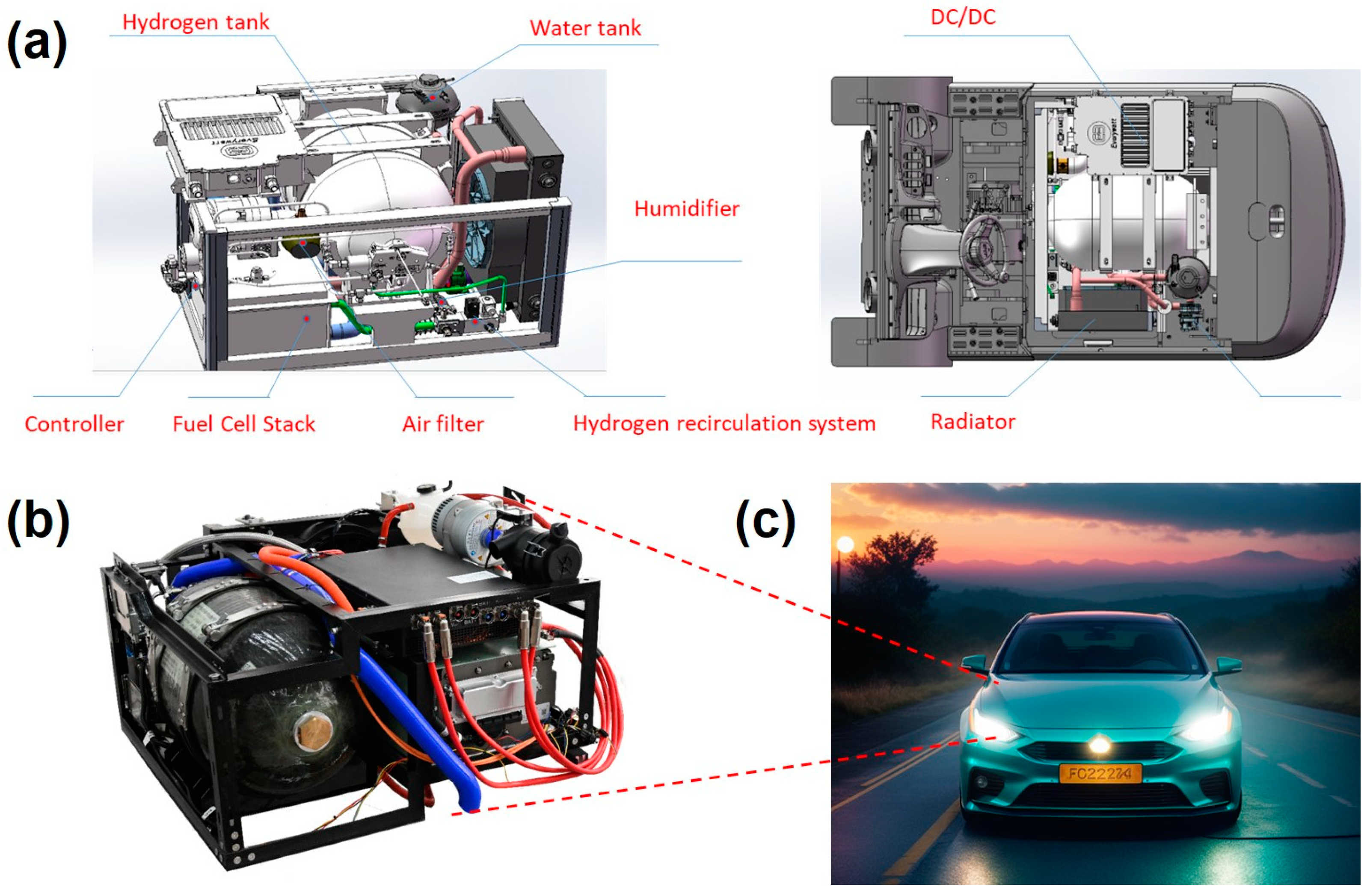
But how does this technology work? At the heart of every hydrogen fuel cell vehicle is a fuel cell stack, which combines hydrogen gas from the tank with oxygen from the air. This happens through an electrochemical reaction—no combustion needed. As hydrogen passes through the fuel cell, it interacts with an anode, cathode, and electrolyte, generating electricity that runs the motor. The only byproduct? Water vapor.
These vehicles offer a promising alternative to traditional gasoline engines. They support efforts to lower air pollution and combat climate change by using cleaner technology.
Zero Tailpipe Emissions
Hydrogen fuel cell cars emit only water vapor from their tailpipes. They do not release carbon dioxide, nitrogen oxides, or other harmful gases. This feature significantly improves air quality in cities and urban areas.
Cleaner air reduces health risks linked to pollution. People living in areas with many fuel cell vehicles can breathe easier and experience fewer respiratory problems.
Renewable Hydrogen Potential
Hydrogen can be produced from renewable sources like wind, solar, and water. This method creates green hydrogen, which has a very low carbon footprint. Using renewable hydrogen makes fuel cell vehicles even cleaner.
Renewable hydrogen helps reduce dependence on fossil fuels. It supports a sustainable energy future and enhances energy security by using local resources.
Fast Refueling
Fast refueling is one of the key benefits of hydrogen fuel cell vehicles. It allows drivers to refill their tanks quickly and continue their journey without long waits. This feature makes hydrogen cars practical for daily use and long trips alike.
Quick Hydrogen Fill-up
Hydrogen fuel cell vehicles can be refueled in about three to five minutes. This time is similar to refilling a gasoline car. Drivers simply connect the hydrogen pump to the vehicle and fill the tank. The process is safe and straightforward. Fast refueling reduces downtime and keeps travel smooth.
Convenience Compared To Bevs
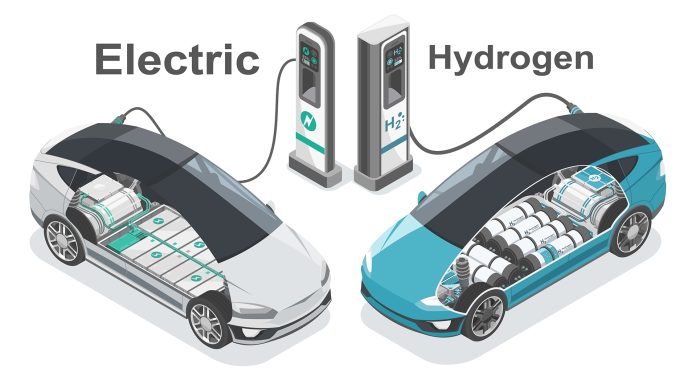
Battery electric vehicles (BEVs) usually take much longer to recharge. Charging can last from 30 minutes to several hours depending on the charger type. This wait can disrupt travel plans. Hydrogen cars offer a convenience advantage with their speed. Drivers spend less time at stations and more time on the road.
Long Driving Range
Hydrogen fuel cell vehicles offer a notable advantage in driving range. Their ability to travel long distances on a single fill sets them apart from many electric vehicles. This benefit suits drivers who need reliable, extended travel without frequent stops for refueling. Longer range reduces range anxiety, making hydrogen cars practical for daily use and road trips alike.
Extended Travel Capability
Hydrogen fuel cell vehicles can cover over 300 miles with one tank. Refueling takes only a few minutes, similar to gasoline cars. This quick refill time adds convenience on long journeys. Drivers spend less time at stations and more time on the road. Extended travel capability makes hydrogen cars ideal for highways and rural areas.
Reliable Power for Rural and Remote Areas
The long range and quick refueling of hydrogen fuel cell vehicles also make them a strong fit for rural and remote locations. In many outlying areas, charging infrastructure for electric vehicles can be limited or unavailable, and traditional fuel delivery may be challenging. Hydrogen vehicles can bridge this gap, allowing residents and businesses to travel longer distances between refueling stops without worry.
Hydrogen fuel cell technology can also support local energy independence in these regions. By harnessing renewable resources like solar and wind to produce hydrogen, communities can reduce reliance on fossil fuels and centralized grids. This approach not only keeps vehicles running smoothly but also helps ensure reliable access to energy for essential services, from healthcare to agriculture.
For example, remote communities in places like Alaska have begun using hydrogen fuel cells to store surplus renewable energy and generate electricity when needed. This kind of energy resilience makes daily life more convenient and supports local economies by allowing residents to travel, work, and access services with greater confidence.
By making extended travel possible and supporting energy needs in less-served regions, hydrogen fuel cell vehicles help connect people to opportunities, improve quality of life, and support cleaner, more sustainable options for everyone.
Suitability For Heavy Vehicles
Heavy trucks and buses benefit from hydrogen’s long range and fast refueling. Battery electric options often struggle with weight and charging times. Hydrogen fuel cells provide higher energy density without extra weight. This allows heavy vehicles to operate longer routes efficiently. Hydrogen technology supports commercial transport and public transit needs well.
Lightweight Fuel Storage
Hydrogen fuel cell vehicles use lightweight fuel storage systems. These tanks hold hydrogen gas safely at high pressure. Lightweight storage reduces the vehicle’s overall weight. This improves driving range and efficiency. It also allows more design flexibility for automakers.
High Energy Density
Hydrogen fuel has a very high energy density by weight. It stores much more energy per kilogram than batteries. This means vehicles can carry more energy without adding heavy weight. The lightweight storage tanks keep hydrogen compressed efficiently. This makes fuel cell vehicles lighter than many electric cars with large batteries.
Benefits For Vehicle Design
Lightweight fuel storage opens new options for car designers. It frees up space inside the vehicle for passengers and cargo. Engineers can build smaller, more aerodynamic cars. This reduces air resistance and improves fuel economy. Lighter vehicles also have better acceleration and handling. These design benefits make hydrogen fuel cell cars practical and enjoyable to drive.
Reduced Dependence On Fossil Fuels
Hydrogen fuel cell vehicles offer a clear advantage by reducing dependence on fossil fuels. They use hydrogen as a clean energy source, which can be produced in many ways. Unlike traditional gasoline cars, they do not rely on oil or coal. This shift helps lower greenhouse gas emissions and pollution. It also supports energy security by diversifying fuel sources and reducing imports of fossil fuels.
Hydrogen From Renewable Sources
Hydrogen can be made using renewable energy like solar and wind power. This method is called green hydrogen. It uses electricity to split water into hydrogen and oxygen. This process creates no harmful emissions. Using green hydrogen for vehicles means the fuel is truly clean. It makes the entire fuel cycle sustainable. This reduces the environmental impact compared to fossil fuels.
However, it’s important to note that not all hydrogen is created equally. The most common method today—steam methane reforming—relies on natural gas and can produce carbon emissions. On the bright side, innovations such as electrolysis powered by renewables are rapidly advancing, making green hydrogen more cost-effective and efficient as technology improves.
Supporting Energy Transition
Hydrogen fuel cell vehicles play a key role in moving toward cleaner energy. They work well with renewable energy systems. Excess renewable electricity can produce hydrogen for later use. This helps balance energy supply and demand. Hydrogen cars offer a way to store energy for long trips. They provide an alternative to battery electric vehicles in some situations. This support helps accelerate the shift away from fossil fuels.
By integrating these advantages, hydrogen fuel cells present a strong path toward a sustainable, efficient, clean energy future. Their ability to deliver high energy efficiency—paired with environmental benefits and scalability—sets the stage for their increasing role in tomorrow’s transportation and energy systems. As development continues, hydrogen fuel cells will be crucial in the global effort to reduce carbon emissions.
Decentralized Power Supply and Disaster Resilience
Hydrogen fuel cells bring an important advantage to the table: the ability to deliver power independently of the main electrical grid. This means they can act as a critical lifeline when severe weather, earthquakes, or other disasters knock out traditional power supplies. Hospitals, emergency response centers, and water treatment plants can keep running smoothly thanks to reliable backup power from hydrogen fuel cells—even when the rest of the area is in the dark.
A real-world illustration comes from Japan’s response after the 2011 Fukushima disaster. By turning to hydrogen power, Japan began building an energy system that’s less vulnerable to future disruptions. Today, large-scale hydrogen production sites in Fukushima highlight how communities can rebuild with more resilient, cleaner technologies. In the United States, hydrogen fuel cells have kept data centers and emergency services online during hurricanes and major storms, proving their strength as a backup solution.
Powering Remote and Rural Communities
Hydrogen fuel cells are also helping bridge the energy gap for rural and off-grid areas. Bringing traditional power lines to far-off places is often expensive or impossible. By pairing renewable sources like wind and solar with hydrogen production, these communities create their own energy—no need for diesel trucks or long waits for grid repairs. This approach means that even during long winters, such as in remote parts of Alaska, stored hydrogen can supply electricity when sunlight is scarce.
Reliable energy from hydrogen fuel cells supports vital daily life: it keeps schools and health clinics open, enables refrigeration for food, powers internet and communications, and supports local agriculture and small businesses. At the same time, using clean hydrogen reduces pollution and supports local jobs, since these systems can be built, run, and maintained by community members.
By decentralizing energy generation, hydrogen fuel cells help communities take control of their own power, boost disaster readiness, and move toward a more stable and sustainable future.
Addressing Challenges and Misconceptions
While hydrogen fuel cells are often praised for their benefits, several challenges and misunderstandings still stand in the way of widespread adoption.
Cost and Infrastructure
One of the primary challenges is cost. Producing, storing, and distributing hydrogen fuel—especially green hydrogen—remains expensive. Establishing a network of fueling stations and the necessary transportation logistics requires significant investment. For hydrogen to become a mainstream option, more infrastructure and widespread adoption are needed to make the economics work.
Production Methods and Environmental Impact
As mentioned, the environmental benefits of hydrogen depend on how it is produced. Efforts are underway to scale up cleaner production methods, but until green hydrogen becomes more common, some carbon emissions may still be associated with hydrogen use.
Safety and Availability
Hydrogen has a reputation for being highly flammable, a perception rooted in past incidents and comparisons with traditional fuels. However, with modern safety protocols and technology, hydrogen can be as safe—or safer—than gasoline or diesel. As for availability, hydrogen is the most abundant element in the universe, and sustainable production and storage methods are evolving rapidly.
Addressing these challenges and dispelling myths is crucial for hydrogen fuel cells to play a central role in our clean energy landscape. Through innovation, safety measures, and public education, the future of hydrogen-powered vehicles looks promising.
Scalability For Various Sectors
Hydrogen fuel cell vehicles offer great flexibility across many industries. Their scalability allows use in small passenger cars and large commercial fleets. This adaptability makes them a strong candidate for reducing carbon emissions everywhere. Different sectors can benefit from hydrogen’s clean and efficient energy source. Vehicles can be designed to meet specific needs, from daily commuting to heavy-duty transport.
Passenger Cars And Public Transport
Hydrogen cars work well for individuals and city fleets. They provide longer driving ranges than many electric cars. Refueling takes only a few minutes, similar to gasoline vehicles. Public buses using hydrogen reduce pollution in busy urban areas. Quiet operation and zero emissions improve air quality. Transit agencies find fuel cell buses ideal for routes needing quick refueling.
Industrial And Commercial Uses
Hydrogen fuel cells power forklifts and delivery trucks. These vehicles run continuously without long charging breaks. Warehouses benefit from cleaner indoor air using hydrogen forklifts. Heavy trucks can haul large loads with zero emissions. Industries with high energy needs use hydrogen to reduce their carbon footprint. This technology supports a wide range of commercial transport demands.
Enhancing Living Standards and Economic Opportunity
Hydrogen fuel cells are driving real progress in underserved regions by delivering reliable, clean energy where it’s needed most. Stable electricity opens the door to improved healthcare services, better educational environments, and thriving local businesses. With dependable power, clinics can refrigerate medicines and operate vital equipment, while schools can support digital learning and evening classes. Farms and small businesses benefit from modern tools, irrigation systems, and refrigeration to extend the shelf life of food.
Local hydrogen production brings energy generation closer to the people, lowering costs and reducing reliance on distant, polluting power plants. This decentralized system also sparks job growth—communities gain new opportunities in construction, maintenance, and technology. As a result, local economies grow stronger and residents gain valuable skills. Clean hydrogen energy makes it possible not only to light homes but to connect entire communities to the wider world, bridging the gap between remote regions and economic progress.
Real-World Use in Emergencies and Remote Communities
Hydrogen fuel cells have already proven their value in both emergency situations and hard-to-reach places around the globe. When natural disasters strike—whether it’s hurricanes, floods, or earthquakes—traditional power grids are often among the first amenities to fail. In these moments, hydrogen fuel cells can step in as lifesavers. Because they operate independently of the electric grid, they keep crucial services like hospitals, emergency response centers, and water treatment plants up and running when they’re needed most.
For example, after the Fukushima nuclear disaster in 2011, Japan turned to hydrogen to help rebuild its energy system. Today, the region leads the way in hydrogen production, using this clean technology for backup and everyday power so that vital services aren’t left in the dark during future emergencies. Across the United States, hydrogen fuel cells have been used to support data centers and emergency communications during severe storms, making sure that critical infrastructure keeps working even if the local grid goes down.
Hydrogen fuel cells also solve energy challenges in remote communities—especially where extending the central grid would be difficult or prohibitively costly. In places like rural Alaska, local groups use hydrogen to store renewable energy, such as excess wind or solar power. This stored hydrogen can then generate electricity on demand, offering steady, reliable power throughout the year—even during long periods when sunshine is scarce. By producing and storing their own clean energy, these remote communities reduce their dependence on fossil fuels while building greater resilience and self-reliance.
Lower Noise Pollution
Hydrogen fuel cell vehicles stand out for producing much less noise than traditional cars. This lower noise pollution benefits both drivers and communities. It creates a peaceful atmosphere, especially in busy urban areas. Quiet vehicles help reduce stress and improve overall quality of life.
Quiet Operation
Hydrogen fuel cell cars run on electric motors. These motors generate very little sound compared to combustion engines. The absence of engine noise makes rides more comfortable. This quiet operation also helps drivers concentrate better. Less noise means fewer distractions on the road.
Beyond their hushed performance, hydrogen fuel cell systems are compact and require minimal space. This makes them ideal for urban and residential applications, where limited space and noise concerns are paramount. By reducing visual clutter and noise pollution, these vehicles blend seamlessly into city life, offering tangible benefits for communities seeking cleaner and quieter streets.
Improved Urban Environment
Lower noise pollution contributes to healthier cities. Quiet streets reduce stress for pedestrians and residents. It encourages people to spend more time outdoors. This change supports local businesses and community activities. Reduced noise also benefits schools and hospitals nearby. Overall, hydrogen vehicles help create a calmer, cleaner urban space.

Durability And Reliability
Hydrogen fuel cell vehicles stand out for their durability and reliability. These qualities make them a practical choice for many drivers. They offer a strong performance over long periods and under various conditions. Understanding how durability and reliability work in these vehicles helps explain their growing appeal.
Long-lasting Fuel Cells
Fuel cells in hydrogen vehicles last for many years. They are designed to resist wear and tear from daily use. The materials used in these cells prevent quick breakdown. This means fewer repairs and replacements are needed. Long-lasting fuel cells help keep maintenance costs low. Drivers can expect steady performance without frequent interruptions.
In addition to their impressive durability, hydrogen fuel cells offer low operational costs thanks to minimal maintenance needs and a long service life. Their rapid refueling capability and high energy density make them especially attractive for transportation, providing longer driving ranges and less downtime compared to many alternatives. These advantages combine to make hydrogen vehicles a practical and cost-effective choice for those seeking reliability and efficiency on the road.
Consistent Performance
Hydrogen fuel cell vehicles maintain steady power output. Their performance does not drop much over time. This consistency is crucial for safety and comfort. Even in cold or hot weather, fuel cells work well. Drivers get reliable acceleration and smooth rides every day. Consistent performance builds trust in this clean energy technology.
Overcoming Challenges and Misconceptions
Moving hydrogen fuel cells forward requires a clear strategy. First, more investment in research and development is key. Companies and agencies like Toyota, Hyundai, and the U.S. Department of Energy are already pushing boundaries with new fuel cell technology and safety features. Public education also plays a huge role. By sharing accurate information, we can correct common myths about hydrogen safety and performance.
Expanding the refueling infrastructure is critical as well. A wider network of hydrogen stations will make vehicles more practical for everyone. Collaboration between governments, automakers, and fuel providers can help speed up this growth. Policy support, like incentives or grants, will lower costs for both manufacturers and drivers.
Finally, continued advancements in hydrogen production—especially using renewable sources—will help make the fuel even cleaner and boost public confidence. Removing barriers, spreading the right facts, and investing in better technology all bring us closer to a hydrogen-powered future.
Misconceptions About Hydrogen Fuel Cell Safety And Availability
Many people worry that hydrogen fuel cells are unsafe, often recalling images of old airship disasters or the word “flammable” itself. In reality, hydrogen is no more dangerous than gasoline or natural gas when handled properly. Modern vehicles follow strict safety standards—hydrogen tanks are designed to withstand extreme pressures and impacts, earning rigorous certifications. Companies like Toyota and Hyundai have built safety into every step, from storage to the fueling process.
Another common myth is that hydrogen is rare or impossible to get. Actually, hydrogen is the most abundant element in the universe. Today, technologies for producing and storing hydrogen are advancing quickly. Renewable sources like wind and solar now help create cleaner hydrogen, reducing dependence on fossil fuels. As production methods and infrastructure improve, the availability of hydrogen continues to grow, making it more accessible for everyday drivers.
Frequently Asked Questions
What Is The Biggest Problem With Hydrogen Cars?
The biggest problem with hydrogen cars is the lack of refueling stations, high costs, and low energy efficiency compared to electric vehicles.
While hydrogen fuel cells offer some impressive technical advantages, including the ability to efficiently convert chemical energy directly into electricity, these benefits are often offset in real-world driving. Traditional internal combustion engines, for example, run at about 25% efficiency, and most power plants average around 35%. Hydrogen fuel cells, especially in combined heat and power systems, can achieve efficiencies greater than 60% under ideal conditions.
However, in the context of personal transportation, hydrogen vehicles still face practical hurdles. The infrastructure for refueling remains sparse, making daily use inconvenient for most drivers. Production and storage of hydrogen add to costs and complexity. Additionally, when compared to battery electric vehicles—which make better use of grid electricity—hydrogen cars generally deliver less overall energy efficiency from source to wheels.
These challenges currently overshadow the potential technical gains of hydrogen fuel cell technology for everyday drivers.
How Expensive Is It To Refill A Hydrogen Car?
Refilling a hydrogen car costs around $50 to $70 for a full tank. Prices vary by location and hydrogen availability.
What Are The Pros And Cons Of A Hydrogen Fuel Cell?
Hydrogen fuel cells emit only water, offer fast refueling, and long driving range. They face high costs, limited refueling stations, and low energy efficiency. Safety concerns and complex storage add challenges.
What Is The Downside Of Using Hydrogen As Fuel For Cars?
Hydrogen fuel for cars faces high costs, limited refueling stations, low energy efficiency, and safety concerns with storage and transport.
Conclusion
Hydrogen fuel cell vehicles offer clean energy and quick refueling. They emit only water, helping to reduce pollution. These cars provide longer driving ranges than many electric vehicles. Hydrogen vehicles also support energy diversity, reducing reliance on fossil fuels. While challenges exist, such as cost and infrastructure, advances continue.
As technology improves, hydrogen cars may become more common. They represent a promising step toward sustainable transportation.

