Hydrogen cars may seem futuristic, but are they really cheaper to maintain than electric cars? While both offer low emissions and quiet rides, maintenance costs differ due to technology complexity, fueling infrastructure, and part availability. This article breaks down the real-world expenses, so you can decide which zero-emission vehicle fits your budget and lifestyle.
Key Takeaways
- Hydrogen cars have fewer moving parts than gasoline cars, but more complex fuel systems than EVs. This can lead to higher repair costs when issues arise, despite less frequent maintenance.
- Electric cars generally cost less to maintain due to simpler mechanics and widespread service availability. Fewer fluids, no exhaust system, and regenerative braking reduce wear and tear.
- Hydrogen fuel cell stacks are expensive to replace, often costing $10,000 or more. While durable, they degrade over time and aren’t easily repaired—only replaced.
- Refueling infrastructure is a hidden cost factor. Hydrogen stations are rare and costly to build, limiting access and increasing downtime for owners.
- EVs benefit from growing technician training and aftermarket support. Mechanics are increasingly skilled in EV repairs, lowering labor costs over time.
- Preventive maintenance matters for both types. Regular inspections and software updates help avoid costly repairs, regardless of powertrain.
- Long-term ownership costs favor EVs in most markets today. But hydrogen could become competitive as technology matures and infrastructure expands.
Quick Answers to Common Questions
Are hydrogen cars cheaper to maintain than electric cars?
No, hydrogen cars are generally more expensive to maintain due to complex fuel systems, costly fuel cell stacks, and limited service availability.
What is the most expensive part to replace in a hydrogen car?
The fuel cell stack, which can cost $10,000 or more to replace, is the most expensive component in a hydrogen vehicle.
Do electric cars need oil changes?
No, electric cars do not have internal combustion engines and therefore do not require oil changes.
How often do hydrogen cars need maintenance?
Hydrogen cars need routine checks every 10,000–15,000 miles, including hydrogen system inspections and fuel cell maintenance.
Can I service a hydrogen car at any mechanic?
No, hydrogen cars require specialized training and equipment, so only certified technicians can safely service them.
📑 Table of Contents
- Introduction: The Future of Clean Driving
- Understanding How Hydrogen and Electric Cars Work
- Routine Maintenance: What Needs Servicing?
- Major Repairs: When Things Go Wrong
- The Hidden Costs: Infrastructure and Accessibility
- Long-Term Ownership and Resale Value
- The Future: Will Hydrogen Catch Up?
- Conclusion: Which Is Cheaper to Maintain?
Introduction: The Future of Clean Driving
The race toward sustainable transportation is heating up, and two technologies are leading the charge: electric vehicles (EVs) and hydrogen fuel cell vehicles (FCEVs). Both promise zero tailpipe emissions, quiet operation, and a reduced carbon footprint. But when it comes to long-term ownership, one question keeps popping up: Are hydrogen cars cheaper to maintain than electric cars?
At first glance, hydrogen cars might seem like the more advanced option—powered by futuristic fuel cells and emitting only water vapor. But behind the sleek design lies a complex system that can be costly to service. On the other hand, electric cars, with their simpler electric motors and fewer moving parts, have already proven their reliability and low maintenance needs. So which one truly wins in the cost-of-ownership battle?
This article dives deep into the real-world maintenance costs of hydrogen and electric vehicles. We’ll compare everything from routine servicing to major repairs, examine the role of infrastructure, and explore how technological advancements might shift the balance in the future. Whether you’re a tech enthusiast, an eco-conscious driver, or just curious about the next big thing in cars, this guide will help you make an informed decision.
Understanding How Hydrogen and Electric Cars Work
Before we compare maintenance costs, it’s important to understand how these two types of vehicles operate. The differences in their underlying technology directly impact how often they need servicing and what kinds of repairs they might require.
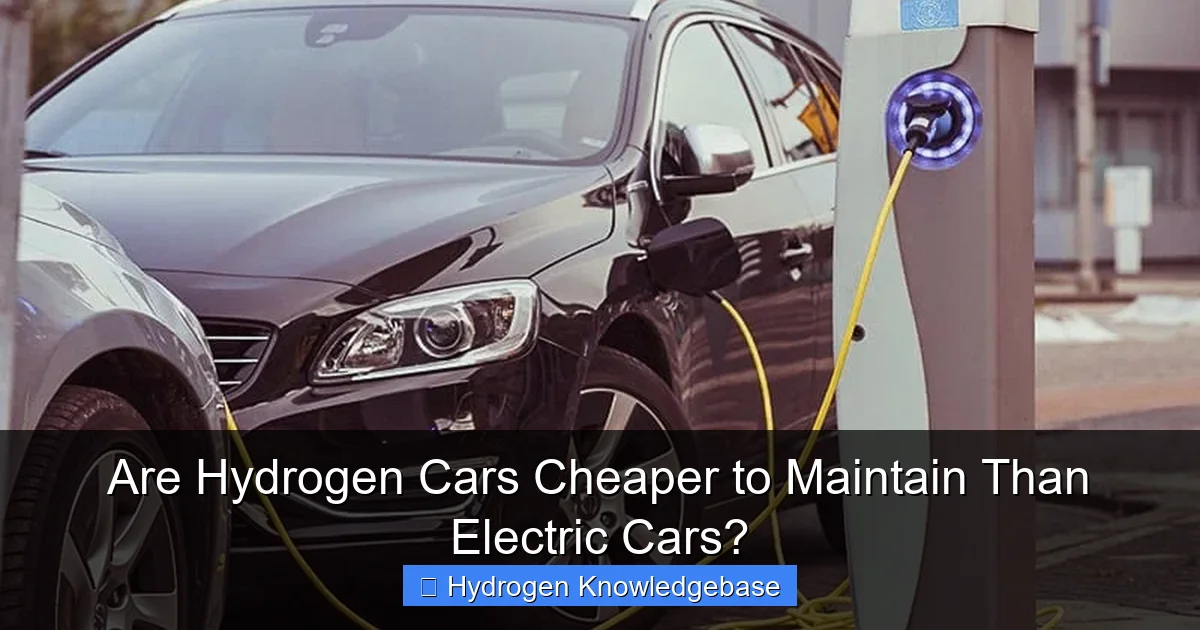
Visual guide about Are Hydrogen Cars Cheaper to Maintain Than Electric Cars?
Image source: etags.com
How Electric Cars Function
Electric vehicles run on electricity stored in large battery packs, typically lithium-ion. When you press the accelerator, the battery sends power to an electric motor, which turns the wheels. There’s no internal combustion engine, no transmission, and no exhaust system. This simplicity is one of the biggest reasons EVs are cheaper to maintain.
EVs also use regenerative braking, which captures energy during deceleration and feeds it back into the battery. This not only improves efficiency but also reduces wear on brake pads and rotors—meaning fewer brake replacements over time.
How Hydrogen Cars Function
Hydrogen fuel cell vehicles, like the Toyota Mirai or Hyundai NEXO, use a different approach. They store compressed hydrogen gas in high-pressure tanks. When you drive, the hydrogen travels to a fuel cell stack, where it reacts with oxygen from the air to produce electricity. That electricity powers an electric motor—similar to an EV—but the energy source is hydrogen, not a battery.
The only byproduct of this reaction is water, which exits through the tailpipe as vapor. While this sounds clean and efficient, the fuel cell stack is a highly engineered component with delicate membranes and catalysts (often platinum), making it expensive to manufacture and repair.
Key Differences in Design and Complexity
While both vehicles use electric motors, the way they generate and store energy differs significantly. EVs rely on large, stationary batteries that charge from the grid. Hydrogen cars generate electricity on-demand using a chemical reaction, which requires a complex system of tanks, pumps, valves, and the fuel cell itself.
This added complexity means hydrogen cars have more components that can fail. For example, hydrogen tanks must withstand extreme pressures, and the fuel cell stack must remain perfectly sealed to function. Any leak or contamination can lead to performance issues or costly repairs.
Routine Maintenance: What Needs Servicing?
When it comes to regular upkeep, both hydrogen and electric cars require far less maintenance than traditional gasoline vehicles. But there are still differences in what needs attention and how often.
Electric Car Maintenance Schedule
EVs are famously low-maintenance. There’s no oil to change, no spark plugs to replace, and no timing belts to worry about. Most manufacturers recommend basic checks every 10,000 to 15,000 miles, including:
- Tire rotation and alignment
- Brake fluid inspection
- Cabin air filter replacement
- Battery coolant level check
- Software updates
Because EVs use regenerative braking, brake pads last much longer—often two to three times longer than in gas cars. This alone can save hundreds of dollars over the life of the vehicle.
Hydrogen Car Maintenance Schedule
Hydrogen cars also avoid many traditional maintenance tasks, but they introduce new ones. For example, the hydrogen fuel system requires periodic inspections to ensure there are no leaks or pressure issues. The fuel cell stack and associated components must be checked for contamination or wear.
- Hydrogen tank pressure testing (typically every 3–5 years)
- Fuel cell stack inspection
- Air filter replacement (for the fuel cell)
- Coolant system maintenance (for the fuel cell and battery)
- Brake and tire checks (similar to EVs)
While these tasks aren’t needed frequently, they often require specialized tools and certified technicians, which can increase labor costs.
Comparing Frequency and Cost of Routine Service
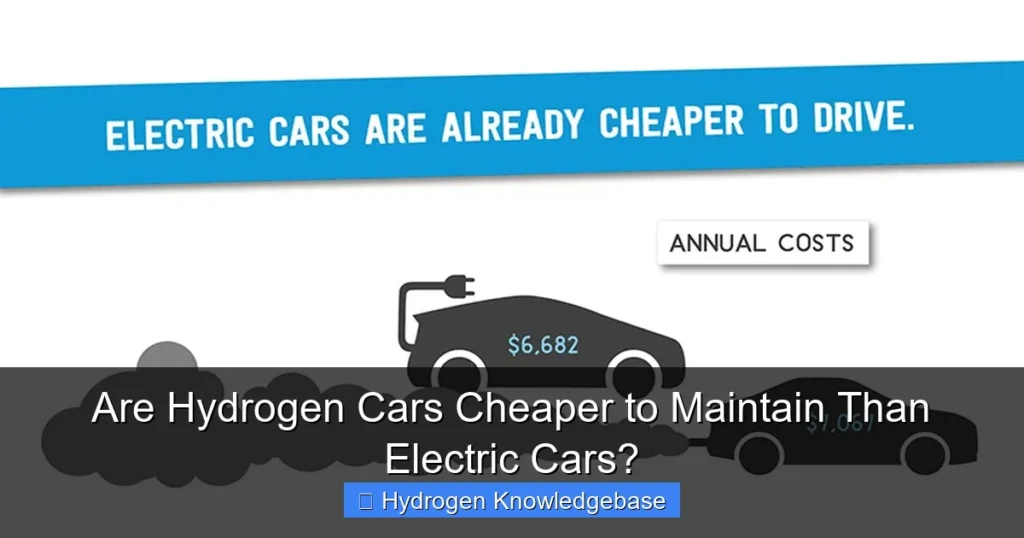
In general, electric cars require less frequent and less expensive routine maintenance. A typical EV owner might spend $300–$500 per year on basic upkeep, while hydrogen car owners could pay $500–$800, depending on location and service provider.
For example, a 2023 Tesla Model 3 owner in California reported spending about $350 annually on maintenance, mostly for tire rotations and cabin filters. In contrast, a Toyota Mirai owner in the same area noted spending over $700 in a year, including a required hydrogen system inspection and fuel cell coolant flush.
Major Repairs: When Things Go Wrong
Routine maintenance is one thing, but what happens when a major component fails? This is where the cost difference between hydrogen and electric cars becomes most apparent.
Battery Replacement in Electric Cars
The battery is the most expensive part of an EV, but modern lithium-ion batteries are designed to last 10–15 years or more. Most manufacturers offer 8-year/100,000-mile warranties on battery packs. Degradation is gradual, and many EVs retain 70–80% of their original capacity after a decade.
If a battery does need replacement outside of warranty, costs can range from $5,000 to $20,000, depending on the model and battery size. However, prices are dropping as battery technology improves and production scales up. Some automakers, like Tesla, also offer battery refurbishment programs that can cut costs by 30–50%.
Fuel Cell Stack Replacement in Hydrogen Cars
The fuel cell stack is the heart of a hydrogen car, and it’s even more expensive than an EV battery. A new stack can cost $10,000 to $15,000 or more, and unlike EV batteries, they aren’t easily refurbished. Most stacks are replaced as a complete unit.
Fuel cells degrade over time due to chemical wear, contamination, or drying out of the membranes. While they’re designed to last 10–15 years, real-world longevity depends on usage patterns, climate, and maintenance. Cold weather, in particular, can stress the system and accelerate degradation.
Other High-Cost Components
Both vehicle types have other expensive parts, but the nature of the risks differs:
- EVs: Inverter failures (costing $2,000–$4,000) or motor issues are rare but possible. Most EV motors are sealed and require little service.
- Hydrogen cars: High-pressure hydrogen tanks, valves, and compressors can fail and are costly to replace. A single tank inspection or seal replacement might cost $1,500–$3,000.
Insurance data also shows that hydrogen cars have higher average repair costs per incident, partly due to the scarcity of qualified technicians and specialized parts.
The Hidden Costs: Infrastructure and Accessibility
Maintenance isn’t just about parts and labor—it’s also about where and how you get your car serviced. This is where hydrogen cars face a significant disadvantage.
Availability of Service Centers
Electric vehicles are supported by a rapidly growing network of service centers. Tesla has its own service network, while other brands like Chevrolet, Ford, and Nissan rely on certified dealerships and independent shops. Many mechanics now receive EV-specific training, and diagnostic tools are widely available.
Hydrogen cars, on the other hand, are only sold in limited markets—primarily California, with a few stations in the Northeast. As of 2024, there are fewer than 100 hydrogen refueling stations in the U.S., and only a handful of dealerships are equipped to service FCEVs. This means owners often have to travel long distances for maintenance or rely on manufacturer-authorized centers.
Technician Expertise and Training
Working on hydrogen systems requires specialized knowledge due to the high pressures and flammability risks. Technicians must be trained in hydrogen safety protocols, which not all shops offer. This scarcity of expertise drives up labor costs and can lead to longer wait times for repairs.
In contrast, EV repair training is becoming standard in automotive programs. Community colleges and trade schools now offer courses in electric vehicle technology, and many independent shops are investing in EV diagnostic equipment.
Parts Availability and Lead Times
Hydrogen car parts are harder to source. Because production volumes are low, manufacturers keep limited inventories. If a fuel cell stack or hydrogen valve needs replacement, it may take weeks to arrive from overseas.
EV parts, especially for popular models like the Tesla Model 3 or Nissan Leaf, are more readily available. Third-party suppliers also offer aftermarket components, increasing competition and lowering prices.
Long-Term Ownership and Resale Value
When evaluating maintenance costs, it’s important to consider the full lifecycle of the vehicle—including how much it’s worth when you’re ready to sell.
Depreciation and Resale Trends
Electric cars have seen strong resale values in recent years, especially as demand for used EVs grows. Models like the Tesla Model 3 and Hyundai Kona Electric retain 60–70% of their value after three years.
Hydrogen cars, however, depreciate faster. Limited demand, high upfront costs, and concerns about long-term reliability and infrastructure make them less attractive on the used market. A 2020 Toyota Mirai, for example, might lose 50% of its value in just two years.
Warranty Coverage and Manufacturer Support
Both types of vehicles come with strong warranties, but hydrogen cars often include more comprehensive coverage due to their complexity. Toyota, for instance, offers an 8-year/100,000-mile warranty on the Mirai’s fuel cell system, including the stack and hydrogen tanks.
EVs also have robust warranties, but battery coverage is usually the main focus. Tesla and others cover the battery and drive unit for 8 years, with mileage limits varying by model.
While warranties help offset early repair costs, they don’t eliminate the risk of expensive out-of-warranty repairs—especially for hydrogen vehicles.
The Future: Will Hydrogen Catch Up?
The maintenance cost gap between hydrogen and electric cars may narrow in the coming years, but it will take significant advancements in technology and infrastructure.
Technological Improvements
Researchers are working on more durable, less expensive fuel cells that use less platinum or alternative catalysts. Solid-state hydrogen storage and improved membrane materials could also reduce degradation and extend component life.
On the EV side, battery technology continues to evolve, with solid-state batteries promising longer life, faster charging, and lower costs. These improvements will further solidify EVs’ maintenance advantage.
Infrastructure Expansion
Governments and private companies are investing in hydrogen infrastructure, particularly for heavy-duty transport like trucks and buses. If these efforts succeed, passenger car owners could benefit from more refueling stations and service centers.
However, EVs already have a massive head start. There are over 150,000 public charging ports in the U.S. alone, and that number grows every month. Home charging also makes EV ownership incredibly convenient.
Market Trends and Consumer Adoption
Consumer preference is shifting strongly toward EVs. In 2023, EV sales surpassed 1 million in the U.S. for the first time, while hydrogen car sales remained in the low thousands. This trend drives economies of scale, making EVs cheaper to produce, service, and insure.
Unless hydrogen technology sees a breakthrough or receives massive government subsidies, it’s unlikely to match the cost efficiency of EVs in the near future.
Conclusion: Which Is Cheaper to Maintain?
So, are hydrogen cars cheaper to maintain than electric cars? The answer, based on current technology and market conditions, is no.
Electric vehicles win in almost every category when it comes to maintenance costs. They have fewer moving parts, simpler systems, lower routine service needs, and more accessible repair networks. While battery replacement can be expensive, it’s rare and often covered by warranty.
Hydrogen cars, despite their clean emissions and quick refueling, come with higher maintenance risks and costs. The fuel cell stack is a high-priced component with limited repair options, and the lack of infrastructure makes servicing inconvenient and expensive.
That said, hydrogen has a role to play—especially in commercial and long-haul transportation, where fast refueling and long range are critical. For everyday drivers, however, electric cars remain the more practical and cost-effective choice.
As technology evolves, the gap may shrink. But for now, if you’re looking to minimize maintenance expenses and maximize convenience, an EV is the smarter investment.
Frequently Asked Questions
How long do hydrogen fuel cells last?
Hydrogen fuel cells are designed to last 10–15 years, but real-world longevity depends on usage, climate, and maintenance. Degradation can occur due to chemical wear or contamination.
Are hydrogen cars safe to drive?
Yes, hydrogen cars are rigorously tested for safety. The tanks are designed to withstand extreme conditions, and multiple safety systems prevent leaks or explosions.
Can I charge an electric car at home?
Yes, most EV owners charge their vehicles at home using a Level 2 charger, which is convenient and cost-effective compared to public charging.
Why are there so few hydrogen refueling stations?
Hydrogen stations are expensive to build and require specialized equipment. Low demand and limited vehicle sales have slowed infrastructure development.
Do electric cars have transmissions?
Most electric cars use a single-speed transmission because electric motors deliver instant torque, eliminating the need for multiple gears.
Will hydrogen cars ever be cheaper to maintain than EVs?
It’s possible in the long term if fuel cell technology improves and infrastructure expands, but currently, EVs remain the lower-maintenance option.