Hydrogen cars offer zero emissions, fast refueling, and long range, but face challenges like limited infrastructure and high costs. While promising for the future, they may not be practical for most drivers today—especially compared to electric vehicles.
Key Takeaways
- Limited refueling infrastructure: Hydrogen stations are rare, with most located in California and parts of Europe, making long-distance travel difficult.
- Zero tailpipe emissions: Hydrogen cars emit only water vapor, offering a clean alternative to gasoline and diesel vehicles.
- Fast refueling time: Filling a hydrogen tank takes 3–5 minutes—similar to gasoline—unlike hours needed for most EVs.
- Higher upfront cost: Hydrogen vehicles are expensive due to complex fuel cell technology and limited production scale.
- Energy inefficiency: Producing, transporting, and converting hydrogen to electricity is less efficient than charging a battery directly.
- Promising for fleets and heavy transport: Hydrogen may shine in buses, trucks, and industrial use where batteries are less practical.
- Government support growing: Incentives and investments in green hydrogen could improve viability in the next decade.
Quick Answers to Common Questions
Are hydrogen cars really zero emission?
Yes, hydrogen cars emit only water vapor from the tailpipe. However, the overall environmental impact depends on how the hydrogen is produced—green hydrogen from renewables is truly clean, while hydrogen from natural gas still creates emissions.
How long does it take to refuel a hydrogen car?
Refueling a hydrogen car takes about 3 to 5 minutes, similar to filling a gasoline vehicle—much faster than charging most electric cars.
Where can I refuel a hydrogen car?
Most hydrogen stations are in California, with a few in Hawaii and the Northeast. Outside the U.S., Japan, South Korea, and parts of Europe have more stations.
Are hydrogen cars safe?
Yes, hydrogen cars are designed with safety in mind. High-pressure tanks are crash-tested, and hydrogen disperses quickly if leaked, reducing fire risk.
Can I charge a hydrogen car at home?
No, you cannot refuel a hydrogen car at home like an EV. Hydrogen requires specialized high-pressure pumps and storage, which are only available at public stations.
📑 Table of Contents
- Are Hydrogen Cars Worth It? A Realistic Review
- How Do Hydrogen Cars Work?
- Pros of Hydrogen Cars: Why They’re Promising
- Cons of Hydrogen Cars: The Challenges
- Hydrogen vs. Electric Cars: Which Is Better?
- The Future of Hydrogen Cars
- Who Should Consider a Hydrogen Car?
- Conclusion: Are Hydrogen Cars Worth It?
Are Hydrogen Cars Worth It? A Realistic Review
Imagine pulling up to a fuel pump, filling your car in under five minutes, and driving away with nothing but water dripping from the tailpipe. No emissions. No noise. No long waits at charging stations. That’s the promise of hydrogen cars—vehicles powered by fuel cells that convert hydrogen gas into electricity to run an electric motor. Sounds like the future, right?
But here’s the reality: while hydrogen cars sound amazing on paper, they’re still a niche option in today’s automotive market. Only a handful of models are available, and you can’t just fill up anywhere. So, are hydrogen cars worth it? The answer isn’t a simple yes or no. It depends on where you live, how you drive, and what you value most in a vehicle.
In this review, we’ll break down everything you need to know about hydrogen cars—how they work, their pros and cons, real-world performance, and whether they’re a smart choice for you. We’ll compare them to electric vehicles (EVs), explore the current state of hydrogen infrastructure, and look ahead to what the future might hold. Whether you’re an eco-conscious driver, a tech enthusiast, or just curious about the next big thing in transportation, this guide will help you decide if hydrogen is the right fuel for your ride.
How Do Hydrogen Cars Work?
Visual guide about Are Hydrogen Cars Worth It? Review
Image source: polyestertime.com
Before we dive into whether hydrogen cars are worth it, let’s understand how they actually work. Unlike gasoline cars that burn fuel or electric cars that store energy in batteries, hydrogen cars use a technology called a fuel cell.
The Basics of Fuel Cell Technology
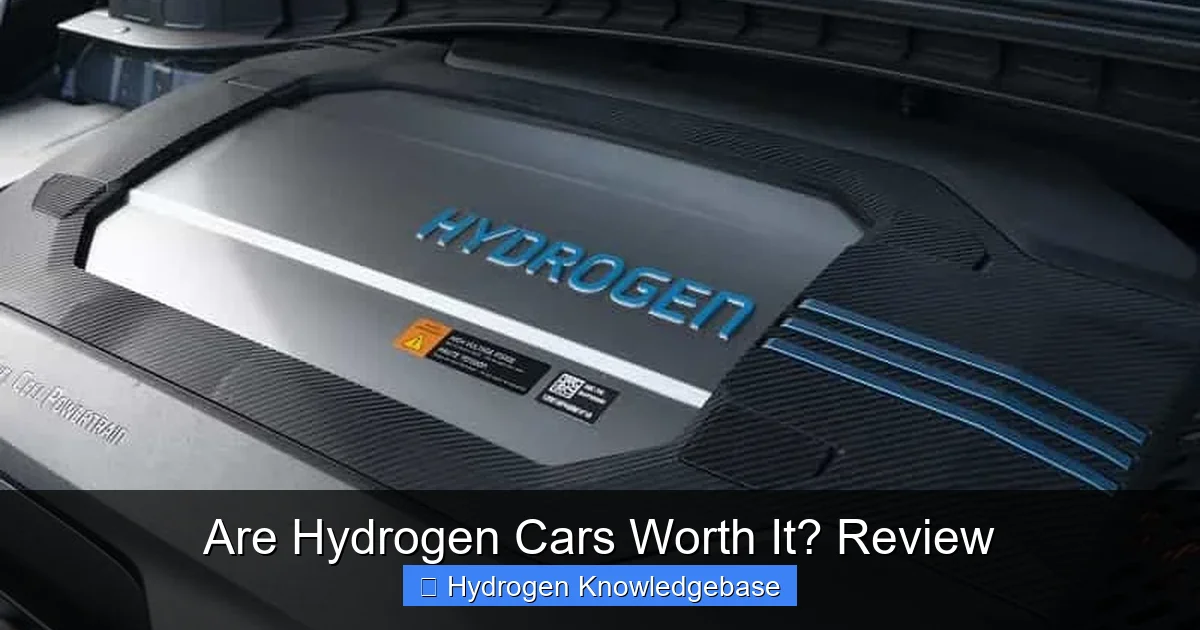
At the heart of a hydrogen car is the fuel cell stack. This device takes hydrogen gas from the onboard tank and combines it with oxygen from the air. The chemical reaction produces electricity, water, and a little heat. The electricity powers the car’s electric motor, while the only emission is water vapor—hence the “zero-emission” label.
Think of it like a battery that never runs out as long as you keep feeding it hydrogen. But unlike a battery, it doesn’t need to be recharged. Instead, you refill the hydrogen tank, just like you’d fill a gas tank.
The most common type of fuel cell used in cars is the Proton Exchange Membrane (PEM) fuel cell. It’s compact, efficient, and works well at low temperatures—perfect for everyday driving.
Hydrogen Storage and Safety
One of the biggest challenges with hydrogen is storing it safely. Hydrogen is the lightest element and highly flammable, so it needs to be stored under high pressure—usually around 700 bar (over 10,000 psi). Modern hydrogen cars use strong, lightweight carbon-fiber tanks designed to withstand crashes and leaks.
These tanks are rigorously tested and meet strict safety standards. In fact, hydrogen cars are often safer than gasoline cars in collisions because the tanks are reinforced and hydrogen disperses quickly into the air if released—unlike gasoline, which pools and can ignite.
Still, the idea of carrying a high-pressure gas tank might make some drivers nervous. But automakers like Toyota and Hyundai have proven that hydrogen can be stored safely in passenger vehicles.
Real-World Examples: Toyota Mirai and Hyundai NEXO
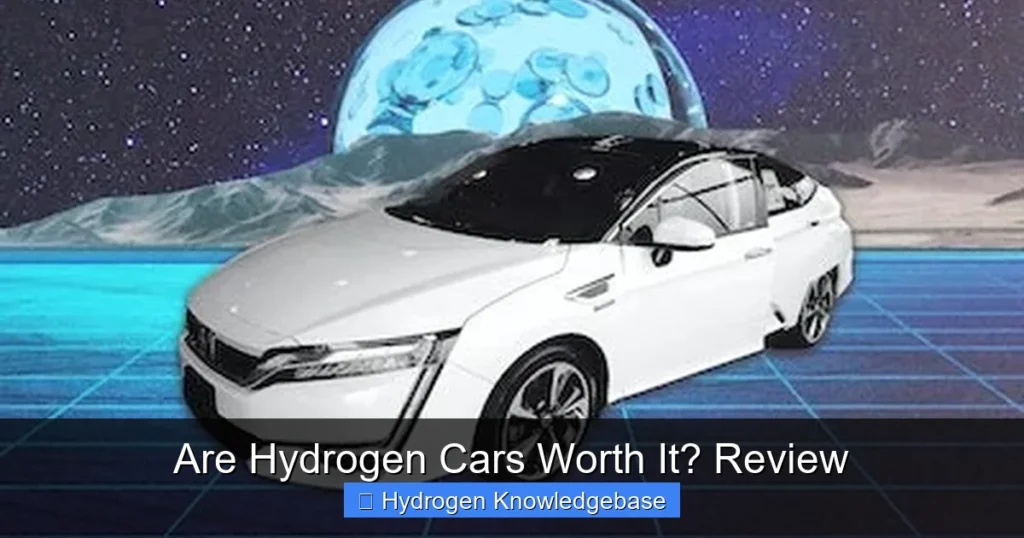
The two most well-known hydrogen cars on the market today are the Toyota Mirai and the Hyundai NEXO. Both are sleek, modern sedans and SUVs that look and feel like any other premium vehicle.
The Toyota Mirai, for example, has a range of about 400 miles on a full tank and can be refueled in under five minutes. It accelerates smoothly, rides quietly, and offers a comfortable interior with advanced tech features. The Hyundai NEXO offers similar performance, with a slightly shorter range but excellent build quality and safety ratings.
These cars prove that hydrogen vehicles aren’t just prototypes—they’re real, drivable machines. But their limited availability and high price tag keep them out of reach for most consumers.
Pros of Hydrogen Cars: Why They’re Promising
Despite the challenges, hydrogen cars have some compelling advantages that make them worth considering—especially for certain types of drivers and uses.
Zero Tailpipe Emissions
The biggest selling point of hydrogen cars is their environmental benefit. They emit only water vapor, making them truly zero-emission vehicles (ZEVs) at the tailpipe. This is a major advantage over gasoline and diesel cars, which release carbon dioxide, nitrogen oxides, and particulate matter.
Even compared to battery electric vehicles (EVs), hydrogen cars have an edge in some areas. While EVs are clean to drive, the electricity used to charge them often comes from fossil fuels. In regions with coal-heavy grids, the overall carbon footprint of an EV can be higher than expected.
Hydrogen, especially when produced using renewable energy (called “green hydrogen”), can offer a truly clean energy cycle. If the hydrogen is made using solar or wind power, the entire process—from production to driving—can be nearly carbon-free.
Fast Refueling Time
One of the biggest drawbacks of electric cars is charging time. Even with fast chargers, it can take 30 minutes to an hour to get an 80% charge. For long road trips, this means frequent stops and planning around charging stations.
Hydrogen cars, on the other hand, refuel in 3 to 5 minutes—just like a gas car. This makes them ideal for drivers who need quick turnarounds, such as ride-share drivers, delivery fleets, or people who frequently travel long distances.
Imagine driving from Los Angeles to San Francisco without stopping to charge for hours. With a hydrogen car, you could do it with just one quick fill-up.
Long Driving Range
Most hydrogen cars offer a range of 300 to 400 miles on a single tank—comparable to many gasoline vehicles and better than many EVs. The Toyota Mirai, for instance, boasts a range of up to 402 miles, according to EPA estimates.
This makes hydrogen cars a strong option for drivers who need long-range capability without the anxiety of running out of charge. It’s especially useful in rural areas where charging infrastructure is sparse.
Quiet and Smooth Driving Experience
Like electric cars, hydrogen cars are powered by electric motors, which means they’re quiet, smooth, and responsive. There’s no engine noise, no gear shifts, and instant torque delivery.
This makes for a relaxing and enjoyable driving experience, especially in city traffic. Plus, the lack of vibrations and noise reduces driver fatigue on long trips.
Potential for Renewable Integration
Hydrogen can be produced using renewable energy sources. Excess solar or wind power can be used to split water into hydrogen and oxygen through electrolysis. This “green hydrogen” can then be stored and used later in fuel cells.
This makes hydrogen a potential solution for energy storage and grid balancing. Instead of wasting surplus renewable energy, we can convert it to hydrogen and use it in transportation or industry.
Cons of Hydrogen Cars: The Challenges
While hydrogen cars have impressive benefits, they also face significant hurdles that limit their widespread adoption.
Limited Refueling Infrastructure
The biggest obstacle for hydrogen cars is the lack of fueling stations. As of 2024, there are fewer than 100 hydrogen stations in the United States—and almost all are in California. Outside the U.S., countries like Japan, South Korea, and Germany have more stations, but coverage is still sparse.
This makes long-distance travel nearly impossible for hydrogen car owners unless they live near a major corridor with stations. Compare that to EVs, which can be charged at home, work, or thousands of public stations across the country.
Even in California—the epicenter of hydrogen adoption—drivers often report difficulty finding open stations or dealing with broken pumps. The infrastructure is fragile and expensive to maintain.
High Upfront Cost
Hydrogen cars are expensive. The Toyota Mirai starts around $50,000, and the Hyundai NEXO is similarly priced. That’s significantly more than comparable electric vehicles like the Tesla Model 3 or Hyundai Ioniq 5.
The high cost comes from the complex fuel cell system, high-pressure storage tanks, and limited production volumes. There’s also little competition, which keeps prices high.
While some states offer incentives—like California’s $5,000 rebate for hydrogen cars—the total cost of ownership is still higher than for EVs or gasoline cars.
Energy Inefficiency
Here’s a little-known fact: hydrogen is not an energy source—it’s an energy carrier. That means it has to be produced from another source, like natural gas or water.
The process of making, compressing, transporting, and converting hydrogen to electricity is inefficient. Studies show that only about 30–40% of the original energy ends up powering the wheels. In contrast, battery electric vehicles are about 77–85% efficient from grid to wheel.
In other words, it takes more energy to power a hydrogen car than an electric one. This inefficiency raises concerns about sustainability, especially if the hydrogen is made from fossil fuels (“gray hydrogen”).
Hydrogen Production Challenges
Most hydrogen today is produced from natural gas through a process called steam methane reforming. This method releases carbon dioxide, undermining the environmental benefits of hydrogen cars.
Only a small fraction of hydrogen is “green”—made using renewable energy. Scaling up green hydrogen production requires massive investments in electrolyzers, renewable power, and storage.
Until green hydrogen becomes mainstream, the climate benefits of hydrogen cars are limited.
Limited Vehicle Options
There are only a few hydrogen car models available, and they’re not sold in most states. This lack of choice makes it hard for consumers to find the right vehicle for their needs.
In contrast, the EV market is booming, with dozens of models across all price ranges and body styles.
Hydrogen vs. Electric Cars: Which Is Better?
When deciding between a hydrogen car and an electric car, it’s important to compare them side by side.
Refueling and Range
Hydrogen cars win on refueling speed and range. Filling up takes minutes, not hours. But EVs are catching up, with newer models offering 300+ miles of range and faster charging.
Cost and Incentives
EVs are generally cheaper to buy and operate. Electricity is less expensive than hydrogen, and EVs require less maintenance. Many states and the federal government offer tax credits for EVs.
Infrastructure
EVs have a massive advantage here. You can charge at home, and public charging networks are expanding rapidly. Hydrogen stations are rare and concentrated in a few areas.
Environmental Impact
Both can be clean, but it depends on how the energy is produced. EVs charged with renewable power are very green. Hydrogen cars are only as clean as the hydrogen they use.
Use Case
For most daily drivers, EVs are more practical. But for fleets, long-haul trucks, or areas with poor charging access, hydrogen might make more sense.
The Future of Hydrogen Cars
So, are hydrogen cars worth it today? For most people, the answer is probably no—at least not yet. But the future could be different.
Growth in Green Hydrogen
Governments and companies are investing heavily in green hydrogen. The U.S. Department of Energy’s Hydrogen Shot initiative aims to reduce the cost of clean hydrogen by 80% by 2030. Similar programs exist in Europe and Asia.
If successful, this could make hydrogen production cleaner and cheaper, improving the viability of hydrogen cars.
Expansion of Infrastructure
New hydrogen stations are being built, especially in California, Japan, and Europe. Automakers and energy companies are partnering to expand the network.
But progress is slow. It will take years—maybe decades—before hydrogen refueling is as convenient as gasoline.
Hydrogen in Heavy Transport
While passenger cars may not be the best fit for hydrogen, the technology shows promise in larger vehicles. Trucks, buses, and trains benefit from hydrogen’s fast refueling and long range.
Companies like Nikola and Toyota are developing hydrogen-powered semi-trucks for freight transport. These vehicles could help reduce emissions in the shipping industry.
Policy and Incentives
Government support will be key. Tax credits, grants, and regulations favoring zero-emission vehicles could boost hydrogen adoption.
California’s Zero Emission Vehicle (ZEV) program, for example, requires automakers to sell a certain number of clean vehicles, including hydrogen cars.
Who Should Consider a Hydrogen Car?
Despite the challenges, hydrogen cars might be worth it for certain drivers:
– **Living in California or other hydrogen-friendly regions:** If you have access to refueling stations, a hydrogen car could be practical.
– **Needing fast refueling and long range:** Ideal for frequent long-distance drivers or commercial fleets.
– **Prioritizing zero emissions:** If you want a clean car and can access green hydrogen, it’s a strong option.
– **Willing to pay a premium:** If cost isn’t a barrier and you want cutting-edge technology, hydrogen cars offer a unique experience.
For most people, though, electric vehicles remain the more practical and affordable choice for now.
Conclusion: Are Hydrogen Cars Worth It?
So, are hydrogen cars worth it? The short answer is: not for most drivers today—but they could be in the future.
Hydrogen cars offer impressive benefits: zero emissions, fast refueling, and long range. They’re quiet, smooth, and environmentally friendly when powered by green hydrogen. For specific use cases—like fleet vehicles or regions with strong infrastructure—they make sense.
But the reality is that hydrogen cars face major hurdles: limited refueling stations, high costs, energy inefficiency, and competition from rapidly advancing electric vehicles. Until these issues are resolved, hydrogen remains a niche technology.
That said, hydrogen has a role to play in the clean energy transition—especially in heavy transport and industrial applications. With continued investment and innovation, hydrogen cars could become more viable in the next 10 to 20 years.
For now, if you’re looking for a clean, efficient, and practical vehicle, an electric car is likely the better choice. But if you’re an early adopter with access to hydrogen stations and a passion for cutting-edge tech, a hydrogen car might just be worth the investment.
The future of transportation isn’t just one solution—it’s a mix. And hydrogen, alongside batteries, renewables, and smart infrastructure, could be part of that cleaner, greener tomorrow.
Frequently Asked Questions
How much does it cost to refuel a hydrogen car?
Hydrogen fuel costs around $12 to $16 per kilogram. A full tank (about 5–6 kg) can cost $60 to $100, which is more expensive per mile than gasoline or electricity.
What is the range of a hydrogen car?
Most hydrogen cars offer a range of 300 to 400 miles on a full tank, comparable to many gasoline vehicles and better than some electric cars.
Are there any tax incentives for hydrogen cars?
Yes, some states like California offer rebates of up to $5,000 for hydrogen vehicle purchases. Federal incentives are limited but may expand in the future.
Can hydrogen cars be used in cold weather?
Yes, hydrogen cars perform well in cold climates. Fuel cells work efficiently in low temperatures, and some models include heating systems to protect components.
What happens if I run out of hydrogen?
Like running out of gas, your car will stop. You’ll need to call for roadside assistance to tow you to the nearest hydrogen station, which may be far away depending on your location.
Will hydrogen cars replace electric cars?
Unlikely in the near term. Electric cars are more efficient, cheaper, and supported by better infrastructure. Hydrogen may complement EVs in specific sectors like trucking and aviation.