Hydrogen-powered vehicles offer zero-emission driving and fast refueling, but their daily practicality is limited by infrastructure, cost, and availability. While promising for specific uses, they’re not yet a mainstream solution for most drivers.
Key Takeaways
- Limited refueling infrastructure: Hydrogen stations are scarce, especially outside California and select global regions, making daily use challenging for most drivers.
- Fast refueling time: Hydrogen vehicles can refuel in 3–5 minutes, similar to gasoline cars, offering a major advantage over battery electric vehicles.
- Higher upfront cost: Hydrogen fuel cell vehicles (FCEVs) are significantly more expensive than both gasoline and electric vehicles due to complex technology and low production volumes.
- Zero tailpipe emissions: FCEVs emit only water vapor, making them environmentally friendly during operation, though hydrogen production methods vary in sustainability.
- Range comparable to gas cars: Most hydrogen vehicles offer 300–400 miles per tank, outperforming many EVs and matching traditional internal combustion engines.
- Best suited for fleets and long-haul transport: Current technology makes hydrogen more practical for commercial use than personal daily driving.
- Government support growing: Incentives and investments in hydrogen infrastructure are increasing, but widespread adoption remains years away.
Quick Answers to Common Questions
Can I refuel a hydrogen car at home?
No, home hydrogen refueling is not currently practical or widely available. You must use public hydrogen stations, which are limited in number.
How long does it take to refuel a hydrogen vehicle?
Refueling takes about 3 to 5 minutes, similar to gasoline cars and much faster than most EV charging.
Are hydrogen cars safe?
Yes, hydrogen vehicles are designed with multiple safety features, including leak detection, ventilation systems, and strong storage tanks. They undergo rigorous testing.
Do hydrogen cars have good range?
Yes, most hydrogen vehicles offer 300–400 miles per tank, which is comparable to gasoline cars and better than many EVs.
Are hydrogen cars better for the environment than EVs?
Not necessarily. While both produce zero tailpipe emissions, EVs are generally more energy-efficient. Hydrogen’s environmental benefit depends on how the hydrogen is produced.
📑 Table of Contents
- Are Hydrogen-powered Vehicles Practical for Daily Use?
- How Hydrogen-powered Vehicles Work
- Refueling: Speed vs. Availability
- Cost Considerations: Upfront and Long-Term
- Environmental Impact: Clean Driving, But How Clean?
- Range and Performance: How Do They Compare?
- Who Should Consider a Hydrogen Vehicle?
- The Future of Hydrogen Vehicles
- Conclusion: Practical Today? Not Quite—But Promising
Are Hydrogen-powered Vehicles Practical for Daily Use?
Imagine pulling up to a fuel pump, filling your car in under five minutes, and driving 350 miles on a single tank—all while emitting nothing but water vapor. Sounds like a dream, right? That’s the promise of hydrogen-powered vehicles. But is this futuristic vision ready for your daily commute, weekend errands, or school drop-offs?
Hydrogen fuel cell electric vehicles (FCEVs) have been around for decades, but they’ve never quite broken into the mainstream. While battery electric vehicles (EVs) like Teslas and Nissan Leafs dominate the zero-emission conversation, hydrogen cars quietly offer a different path to clean transportation. They don’t rely on large, heavy batteries. Instead, they generate electricity on board using hydrogen gas and oxygen, producing only water as a byproduct.
But here’s the real question: Are hydrogen-powered vehicles practical for daily use? The answer isn’t a simple yes or no. It depends on where you live, how you drive, your budget, and your environmental priorities. In this article, we’ll break down the real-world pros and cons of hydrogen cars, compare them to electric and gas vehicles, and help you decide if they’re a smart choice for your lifestyle.
How Hydrogen-powered Vehicles Work
Before we dive into practicality, let’s understand how these vehicles actually function. Hydrogen-powered vehicles use a fuel cell stack to convert hydrogen gas into electricity. Here’s a simple breakdown of the process:
The Fuel Cell System
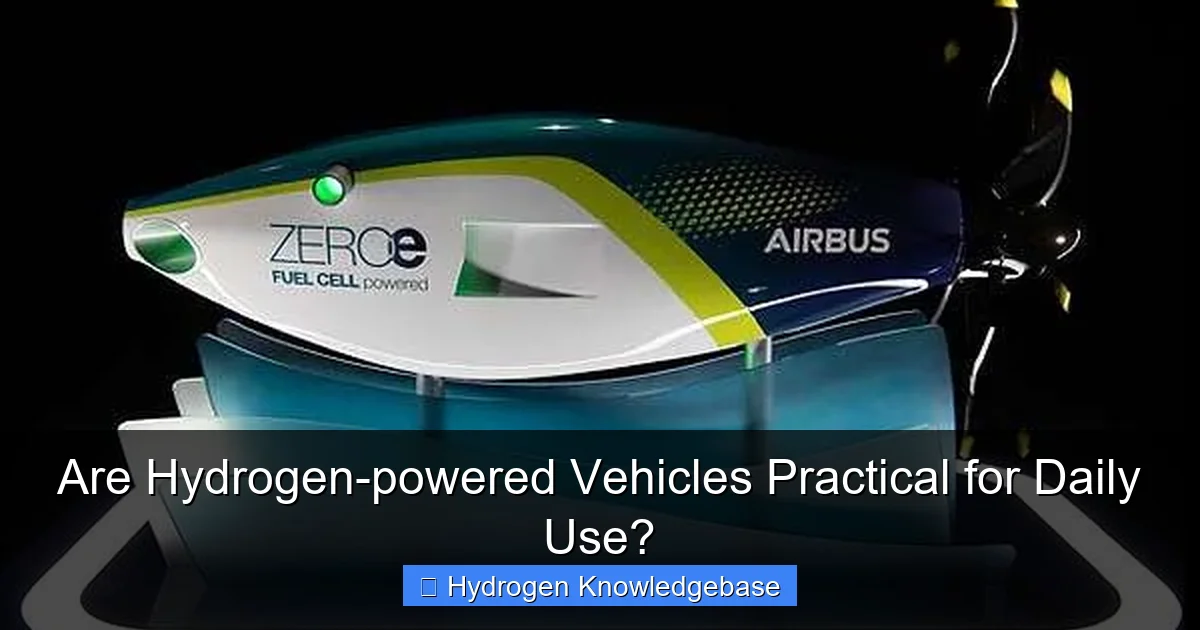
At the heart of every FCEV is the fuel cell stack. This system combines hydrogen from the onboard tank with oxygen from the air. The chemical reaction produces electricity, which powers the electric motor. The only emission? Pure water vapor dripping from the tailpipe.
Visual guide about Are Hydrogen-powered Vehicles Practical for Daily Use?
Image source: spxdaily.com
Hydrogen Storage
Hydrogen is stored in high-pressure tanks—usually around 10,000 psi—inside the vehicle. These tanks are made of advanced composite materials to ensure safety and durability. Unlike gasoline, hydrogen is a gas, so it requires special handling and storage.
Electric Motor and Battery
Just like battery EVs, hydrogen cars use electric motors for propulsion. However, they also have a small battery to store excess energy and assist during acceleration. This hybrid approach improves efficiency and performance.
One of the biggest advantages of this system is that it generates electricity on demand. You don’t need to plug in for hours. Instead, you refuel with hydrogen gas—just like pumping gasoline—and you’re ready to go.
Refueling: Speed vs. Availability
When it comes to daily use, refueling is a make-or-break factor. Let’s look at how hydrogen stacks up.
Refueling Time: A Major Win
One of the strongest arguments for hydrogen vehicles is refueling speed. A typical FCEV can be filled in 3 to 5 minutes. That’s faster than most EVs, which can take 30 minutes to several hours depending on the charger. For busy families, long commuters, or delivery drivers, this is a huge benefit.
Infrastructure Challenges
Here’s the catch: hydrogen refueling stations are extremely limited. As of 2024, there are fewer than 100 public hydrogen stations in the United States—and over 70% are in California. If you live in Texas, New York, or Florida, you might be out of luck. Even in California, stations are clustered around major cities like Los Angeles and San Francisco.
Home Refueling: Not an Option (Yet)
Unlike EVs, you can’t plug a hydrogen car into your garage outlet. Home hydrogen refueling systems exist but are expensive, complex, and not widely available. Most drivers must rely on public stations, which limits flexibility.
For daily use, this means planning your routes carefully. If your commute or errands take you outside the hydrogen network, you could be stranded. That’s a major hurdle for practicality.
Cost Considerations: Upfront and Long-Term
Let’s talk money. Hydrogen vehicles are not cheap—and that affects their daily usability.
Vehicle Purchase Price
The Toyota Mirai, one of the most popular FCEVs, starts around $50,000. The Hyundai NEXO is similarly priced. Compare that to a Tesla Model 3 at $40,000 or a Toyota Prius at $28,000. The higher cost is due to expensive materials like platinum in the fuel cells and low production volumes.
Fuel Cost: Hydrogen vs. Gas vs. Electricity
Hydrogen fuel is pricey. On average, it costs about $16 per kilogram. Most FCEVs use about 1 kg per 60–70 miles, so a full tank (around 5–6 kg) costs $80–$100 and gets you 300–400 miles. That’s roughly double the cost of gasoline for the same distance and significantly more than charging an EV.
Maintenance and Repairs
FCEVs have fewer moving parts than gas cars, so maintenance is simpler—no oil changes, transmissions, or exhaust systems. However, fuel cell repairs are specialized and costly. If something goes wrong, you’ll need a certified technician, and parts may be hard to find.
Incentives and Rebates
To offset costs, governments offer incentives. In California, buyers can get up to $5,000 in rebates and access to carpool lanes. Federal tax credits may also apply. But these won’t last forever, and they don’t solve the long-term fuel expense.
For most daily drivers, the high cost of ownership makes hydrogen vehicles a tough sell—especially when EVs offer lower fuel and maintenance costs.
Environmental Impact: Clean Driving, But How Clean?
Hydrogen vehicles are often marketed as “zero-emission,” and that’s true—at the tailpipe. But what about the full lifecycle?
Tailpipe Emissions: Zero
FCEVs emit only water vapor. No CO2, no nitrogen oxides, no particulate matter. For urban air quality, this is a big win.
Hydrogen Production: The Hidden Cost
Here’s the catch: most hydrogen today is produced from natural gas through a process called steam methane reforming. This releases CO2. Only about 1% of hydrogen is “green”—made using renewable energy to split water molecules (electrolysis).
Well-to-Wheel Efficiency
When you consider the entire process—from producing hydrogen to delivering it to your car—FCEVs are less efficient than battery EVs. It takes about three times more energy to power a hydrogen car than an electric one over the same distance.
The Future of Green Hydrogen
The situation is improving. Countries like Germany, Japan, and Australia are investing heavily in green hydrogen. As renewable energy grows, so will clean hydrogen production. But we’re not there yet.
For eco-conscious drivers, hydrogen cars are cleaner than gas vehicles—but not as clean as EVs powered by renewable electricity.
Range and Performance: How Do They Compare?
Range anxiety is a real concern for alternative fuel vehicles. Let’s see how hydrogen stacks up.
Typical Range
Most hydrogen vehicles offer 300–400 miles per tank. The Toyota Mirai, for example, gets about 400 miles. That’s better than many EVs and on par with gasoline cars. No need to stop every 200 miles.
Cold Weather Performance
Unlike some EVs, hydrogen cars don’t suffer significant range loss in cold weather. The fuel cell system operates efficiently in low temperatures, and the small battery helps with startup.
Performance and Driving Experience
FCEVs are smooth, quiet, and responsive—just like EVs. The electric motor delivers instant torque, making acceleration quick and seamless. The ride is comfortable, and the lack of engine noise adds to the experience.
For long-distance drivers or those in cold climates, hydrogen offers a compelling advantage over some EVs.
Who Should Consider a Hydrogen Vehicle?
Given the challenges, hydrogen cars aren’t for everyone. But they may be a good fit for certain drivers.
Fleet Operators and Commercial Use
Hydrogen shines in commercial applications. Delivery trucks, buses, and taxis benefit from fast refueling and long range. Companies like Amazon and UPS are testing hydrogen delivery vans. For fleets based near hydrogen stations, the economics make more sense.
Long-Haul Trucking
Heavy-duty trucks need high energy density and quick refueling—something batteries struggle with. Hydrogen fuel cells offer a promising solution for freight transport, where downtime is costly.
Early Adopters in Supported Regions
If you live in California and drive a lot, a hydrogen car could work. With state incentives, access to stations, and a commitment to clean tech, it’s a viable option. But for most Americans, the infrastructure just isn’t there yet.
Not Ideal for Urban Commuters
If you drive short distances and can charge at home, an EV is usually a better choice. It’s cheaper, more efficient, and easier to maintain.
The Future of Hydrogen Vehicles
So, are hydrogen-powered vehicles practical for daily use today? The honest answer is: not for most people. But the future looks brighter.
Expanding Infrastructure
Governments and private companies are investing in hydrogen networks. California plans to have 200 stations by 2025. Europe and Asia are moving even faster. As stations multiply, daily use will become more feasible.
Lower Costs Ahead
As production scales up and technology improves, fuel cell costs are expected to drop. Toyota and Hyundai are working on cheaper, more durable systems. Green hydrogen production is also becoming more affordable.
Complementary, Not Competitive
Hydrogen won’t replace EVs—it will likely complement them. EVs are great for city driving and short trips. Hydrogen may dominate long-haul transport, aviation, and heavy industry.
For now, hydrogen vehicles are a niche solution. But in 10–15 years, they could play a major role in a clean transportation future.
Conclusion: Practical Today? Not Quite—But Promising
So, are hydrogen-powered vehicles practical for daily use? The short answer is no—not for the average driver in 2024. The lack of refueling stations, high costs, and limited model availability make them a tough choice for everyday life.
But that doesn’t mean they’re irrelevant. For fleet operators, long-haul drivers, and early adopters in supported regions, hydrogen offers real benefits: fast refueling, long range, and zero emissions. And as infrastructure grows and technology improves, their role will expand.
If you’re considering a hydrogen car, ask yourself: Do I live near hydrogen stations? Can I afford the higher upfront and fuel costs? Am I willing to plan my routes carefully? If the answer is yes, it might be worth a test drive.
For most people, though, battery electric vehicles remain the more practical, affordable, and accessible choice for daily zero-emission driving. But keep an eye on hydrogen—it’s not going away. In the race to decarbonize transportation, hydrogen may not win the sprint, but it could still finish the marathon.
Frequently Asked Questions
How many hydrogen refueling stations are there in the U.S.?
As of 2024, there are fewer than 100 public hydrogen stations in the United States, with the vast majority located in California.
What hydrogen vehicles are currently available?
The main models available in the U.S. are the Toyota Mirai and the Hyundai NEXO. Both are sedans with limited dealership availability.
Is hydrogen fuel expensive?
Yes, hydrogen fuel costs about $16 per kilogram, making it significantly more expensive than gasoline or electricity on a per-mile basis.
Can hydrogen cars be charged like electric cars?
No, hydrogen vehicles cannot be plugged in. They are refueled with compressed hydrogen gas at specialized stations.
Do hydrogen cars work in cold weather?
Yes, hydrogen fuel cell vehicles perform well in cold climates and do not experience the same range loss as some battery electric vehicles.
Will hydrogen vehicles replace electric cars?
Unlikely. Hydrogen and battery electric vehicles serve different needs. EVs are better for daily city driving, while hydrogen may excel in heavy transport and long-haul applications.