

Imagine driving a car that fills up in minutes, emits nothing but water vapor, and offers a smooth, quiet ride. Sounds appealing, right?
Hydrogen fuel cell vehicles bring these benefits right to your fingertips. If you’re curious about how this technology could change your daily commute and the environment, you’re in the right place. You’ll discover the real advantages of hydrogen fuel cell vehicles—from quick refueling and long driving ranges to eco-friendly performance.
Keep reading to find out why more people in Austin, Texas, and beyond are turning to this exciting alternative to traditional gasoline and electric cars.

Credit: www.sciencedirect.com
Hydrogen Fuel Cell Basics
Hydrogen fuel cell vehicles use a clean technology to power cars. They convert hydrogen gas into electricity. This process produces only water and heat as byproducts. It offers a way to reduce pollution and dependence on fossil fuels.
Understanding how fuel cells work and how hydrogen is produced helps explain the benefits. It also shows the challenges in adopting this technology widely.
How Fuel Cells Work
A fuel cell combines hydrogen and oxygen to make electricity. Inside, hydrogen splits into protons and electrons. Electrons flow through a circuit, creating electric power. Protons move through a membrane to join oxygen. This reaction forms water and releases heat. Fuel cells run quietly and emit no harmful gases.
Types Of Hydrogen Production
Hydrogen can be made in different ways. The main methods include:
- Steam Methane Reforming: Uses natural gas and heat to produce hydrogen. It is the most common but relies on fossil fuels.
- Electrolysis: Splits water into hydrogen and oxygen using electricity. If powered by renewable energy, it is very clean.
- Biomass Gasification: Converts organic material into hydrogen through high temperatures.
The source of hydrogen affects the overall environmental impact of fuel cell vehicles.
Environmental Advantages
Hydrogen fuel cell vehicles offer clear environmental advantages over traditional cars. These vehicles produce energy through chemical reactions, not combustion. This process reduces pollution and supports cleaner air. Understanding these benefits helps us see how hydrogen cars can aid the planet.
Zero Tailpipe Emissions
Hydrogen fuel cell vehicles emit only water vapor. They do not release harmful gases or particles. This absence of tailpipe emissions helps reduce air pollution. Cities can benefit from cleaner air and better public health. It also lowers smog and harmful ozone levels.
Reduced Greenhouse Gas Impact
Hydrogen cars produce fewer greenhouse gases than gasoline vehicles. They cut down carbon dioxide emissions significantly. This helps slow climate change and global warming. Using hydrogen fuel cells supports efforts to reduce the carbon footprint. Cleaner energy means a healthier environment for future generations.
Renewable Hydrogen Potential
Hydrogen can be made from renewable sources like wind and solar power. This process produces green hydrogen, which is very clean. Using renewable hydrogen reduces dependence on fossil fuels. It also ensures a sustainable and eco-friendly fuel supply. This shift supports long-term environmental health and energy security.
Performance Benefits
Hydrogen fuel cell vehicles offer several performance advantages over traditional cars. These benefits make driving more convenient and enjoyable. Their technology supports fast refueling, long trips, and a smooth ride. Drivers appreciate these features for daily use and long journeys.
Fast Refueling Times
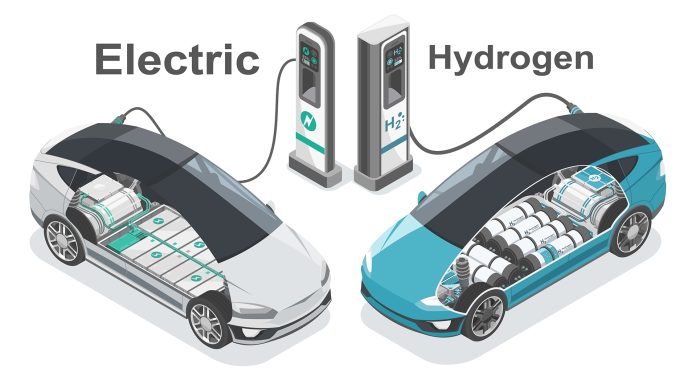
Hydrogen fuel cell vehicles refill quickly, similar to gasoline cars. It takes about three to five minutes to fill the tank. This speed is much faster than electric vehicle charging. Fast refueling means less waiting and more driving time. Drivers can easily stop for fuel during trips without long delays.
Long Driving Range
These vehicles travel long distances on a single tank. Many models offer a range of 300 to 400 miles. This distance is comparable to gasoline cars and better than many electric cars. Long range reduces the need for frequent stops. It suits drivers who cover many miles or live in rural areas.
Quiet And Smooth Operation
Hydrogen fuel cell cars run quietly with little vibration. The electric motor produces smooth and steady power. This leads to a comfortable and peaceful drive. Noise reduction helps reduce fatigue during long trips. Passengers enjoy a calm cabin environment in these vehicles.
Infrastructure Developments
Infrastructure developments are crucial for hydrogen fuel cell vehicles to become practical and popular. Building a strong support system helps drivers refuel easily and boosts confidence in this clean technology. Progress in infrastructure makes hydrogen cars more convenient and accessible for everyday use.
Growing Refueling Networks
Hydrogen refueling stations are increasing in number across many regions. More stations reduce the worry about finding fuel on longer trips. These networks connect cities and highways, making hydrogen cars a real option for more people. Easy refueling encourages more drivers to choose hydrogen vehicles.
Integration With Renewable Energy
Hydrogen production is linking with renewable energy sources like wind and solar power. This approach cuts down carbon emissions and makes fuel cleaner. Using green energy to create hydrogen supports a sustainable transport system. It also reduces dependence on fossil fuels and lowers overall pollution.
Government Incentives And Support
Governments offer grants and subsidies to build hydrogen infrastructure. Funding helps set up more refueling stations faster. Policies may also reduce costs for vehicle buyers. Support from authorities speeds up the adoption of hydrogen cars. It creates a favorable environment for companies and consumers alike.
Economic Impact
The economic impact of hydrogen fuel cell vehicles extends beyond clean transportation. These vehicles influence job markets, technology costs, and business growth. The shift toward hydrogen technology creates new roles and industries. It also affects how affordable and accessible the technology becomes.
Job Creation In Green Tech
Hydrogen fuel cell vehicles support jobs in manufacturing, research, and infrastructure. Factories need workers to build fuel cells and vehicles. Scientists and engineers develop better technology and safety measures. Technicians maintain hydrogen refueling stations and related equipment. These new jobs often require skilled workers, boosting local economies.
Cost Trends In Fuel Cell Technology
Fuel cell technology costs have dropped steadily over recent years. Advances in materials and production methods reduce expenses. Mass production helps lower prices further. As costs decrease, more consumers and companies can afford hydrogen vehicles. This trend encourages wider adoption and investment in hydrogen systems.
Market Growth Opportunities
Hydrogen fuel cell vehicles open new markets for energy and automotive sectors. Governments offer incentives to promote clean energy adoption. Businesses invest in hydrogen supply chains and refueling networks. Export opportunities arise for countries leading in hydrogen technology. Market growth drives innovation and competition, benefiting consumers and the environment.
Challenges To Overcome
Hydrogen fuel cell vehicles offer many benefits but face several challenges. These obstacles slow their wider adoption and need solutions. Understanding these challenges helps us see the path forward for this technology.
High Production Costs
Making hydrogen fuel cell vehicles is still very expensive. The fuel cells use rare materials like platinum, which raise costs. Manufacturing processes are complex and not yet mass-produced. These factors keep prices high compared to traditional cars.
Storage And Safety Issues
Hydrogen is a light gas that needs high pressure or very low temperatures to store. This makes storage tanks heavy and costly. Hydrogen is also highly flammable, so safety measures must be strict. Proper handling and infrastructure are essential to prevent accidents.
Energy Efficiency Concerns
Producing hydrogen requires a lot of energy. Often, this energy comes from fossil fuels, which reduces environmental benefits. The process of converting hydrogen back to electricity in fuel cells is less efficient than batteries. Overall, energy losses make hydrogen vehicles less efficient than some alternatives.
Future Outlook
The future of hydrogen fuel cell vehicles holds promise and challenges. Growing interest in clean energy pushes research and development forward. Innovations in technology can make these vehicles more practical and affordable. The outlook focuses on improving storage, expanding markets, and promoting sustainability. Each area plays a key role in shaping hydrogen’s place in transport.
Advances In Hydrogen Storage
Hydrogen storage has been a major hurdle for fuel cell vehicles. New materials and methods are emerging to store hydrogen safely and efficiently. Researchers develop lightweight tanks that hold more hydrogen at lower pressure. These advances reduce vehicle weight and increase driving range. Safer storage options also improve public confidence in hydrogen vehicles.
Potential For Commercial Expansion
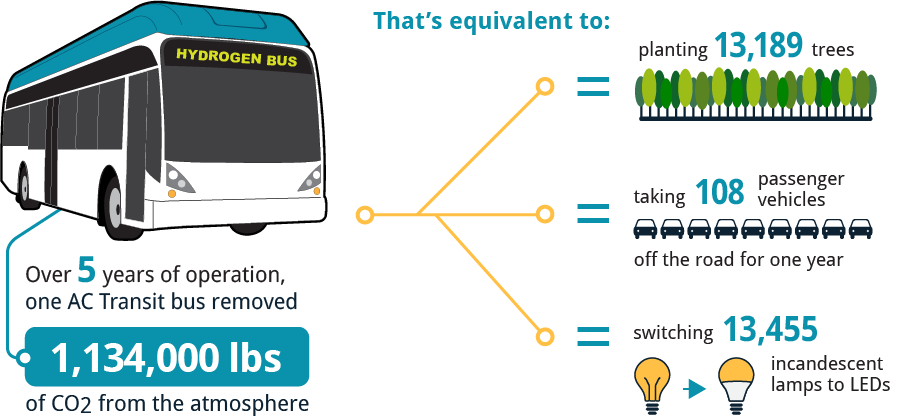
Commercial use of hydrogen vehicles is growing steadily worldwide. More companies invest in hydrogen fleets for buses, trucks, and delivery vehicles. Hydrogen refueling stations are increasing in urban areas and along highways. Governments offer incentives and support to build infrastructure. This growth creates jobs and lowers costs, making hydrogen vehicles more accessible to consumers.
Role In Sustainable Transport
Hydrogen fuel cell vehicles produce zero emissions while driving. Using green hydrogen from renewable sources can cut carbon footprints drastically. They complement battery electric vehicles by serving longer routes and heavy loads. Hydrogen vehicles reduce pollution in cities and help meet climate goals. Their role in a clean transport future is becoming clearer each year.
Credit: www.innovationnewsnetwork.com
Credit: h2fcp.org
Frequently Asked Questions
How Expensive Is It To Refill A Hydrogen Car?
Refilling a hydrogen car costs around $50 to $70 for a full tank. Prices vary by location and hydrogen supply.
What’s The Downside Of Hydrogen Cars?
Hydrogen cars face high costs, limited refueling stations, energy-intensive hydrogen production, safety risks from flammability, and storage challenges. Their overall energy efficiency is lower than electric vehicles, and complex technology increases maintenance and replacement expenses.
What Are The Pros And Cons Of A Hydrogen Fuel Cell?
Hydrogen fuel cells offer clean energy and quick refueling. They face high costs, limited refueling stations, energy-intensive production, storage challenges, and safety risks.
Do Hydrogen Cars Require Oil Change?
Hydrogen cars do not require oil changes. They use electric motors powered by hydrogen fuel cells, eliminating the need for engine oil maintenance.
Conclusion
Hydrogen fuel cell vehicles offer many clear benefits. They produce zero harmful emissions while driving. Refueling is fast, similar to gasoline cars. These vehicles have a longer driving range than many electric cars. They help reduce dependence on fossil fuels.
Technology improvements continue to make them more affordable. Expanding refueling stations will increase their convenience soon. Cleaner air and lower carbon footprints are key advantages. Hydrogen cars provide a promising path for greener transport. The future of driving could include more of these vehicles.

