Hydrogen fuel cell SUVs are emerging as a clean, efficient alternative for city drivers who want zero emissions without sacrificing space or performance. With quick refueling times and quiet operation, these vehicles offer a practical and sustainable way to navigate urban environments while reducing your carbon footprint.
Key Takeaways
- Zero Emissions: Hydrogen fuel cell SUVs produce only water vapor as exhaust, making them ideal for eco-conscious city drivers.
- Quick Refueling: Unlike electric vehicles, hydrogen SUVs can be refueled in under 10 minutes, similar to gasoline cars.
- Smooth and Quiet Ride: Fuel cell technology delivers a quiet, vibration-free driving experience perfect for stop-and-go city traffic.
- Growing Infrastructure: While still limited, hydrogen refueling stations are expanding in major cities across the U.S., Japan, and Europe.
- Spacious and Practical: These SUVs offer ample cargo and passenger space, making them great for families and daily errands.
- Government Incentives: Many regions offer tax credits and rebates for purchasing hydrogen-powered vehicles.
- Future-Proof Technology: As hydrogen production becomes greener, these vehicles will play a key role in sustainable urban mobility.
📑 Table of Contents
Why Hydrogen Fuel Cell SUVs Are Perfect for City Driving
If you’re looking for a vehicle that combines environmental responsibility with everyday practicality, hydrogen fuel cell SUVs might just be the answer. As cities around the world push for cleaner air and reduced emissions, these innovative vehicles are stepping into the spotlight. Unlike traditional gas-powered SUVs that spew pollutants into the atmosphere, hydrogen fuel cell models emit nothing but water vapor. That means you can drive through busy downtown streets, drop off kids at school, or run errands without contributing to smog or greenhouse gases.
But it’s not just about being green. Hydrogen fuel cell SUVs offer a driving experience that’s smooth, quiet, and surprisingly powerful. They’re perfect for stop-and-go city traffic, where their instant torque and responsive acceleration make navigating tight streets and sudden stops a breeze. Plus, with refueling times that rival gasoline—often under 10 minutes—you don’t have to worry about long charging sessions or range anxiety during your daily commute.
How Hydrogen Fuel Cell Technology Works
At the heart of every hydrogen fuel cell SUV is a fuel cell stack that converts hydrogen gas into electricity. Here’s how it works in simple terms: hydrogen from the onboard tank flows into the fuel cell, where it reacts with oxygen from the air. This chemical reaction produces electricity, which powers the electric motor. The only byproduct? Pure water, which exits through the tailpipe as vapor.
This process is incredibly efficient and produces zero harmful emissions. Unlike battery-electric vehicles (BEVs), which rely on large, heavy batteries that take hours to recharge, hydrogen SUVs store energy in gaseous form. That means lighter weight, faster refueling, and longer range—ideal for city drivers who need flexibility without downtime.
Benefits Over Electric and Gas SUVs
When comparing hydrogen fuel cell SUVs to their electric and gas-powered counterparts, several advantages stand out. First, refueling time. While BEVs can take 30 minutes to several hours to recharge—even at fast-charging stations—hydrogen vehicles can be filled up in under 10 minutes. That’s a game-changer for busy city dwellers who don’t have time to wait around.
Second, range. Most hydrogen SUVs offer 300 to 400 miles on a single tank, which is competitive with gas SUVs and often better than many electric models. This makes them suitable not just for daily city driving, but also for weekend trips or longer commutes.
Third, environmental impact. While BEVs are clean at the tailpipe, their environmental footprint depends heavily on how the electricity used to charge them is generated. In regions where coal or natural gas dominates the grid, the benefits shrink. Hydrogen, especially when produced using renewable energy (so-called “green hydrogen”), offers a truly sustainable path forward.
Top Hydrogen Fuel Cell SUVs for City Use
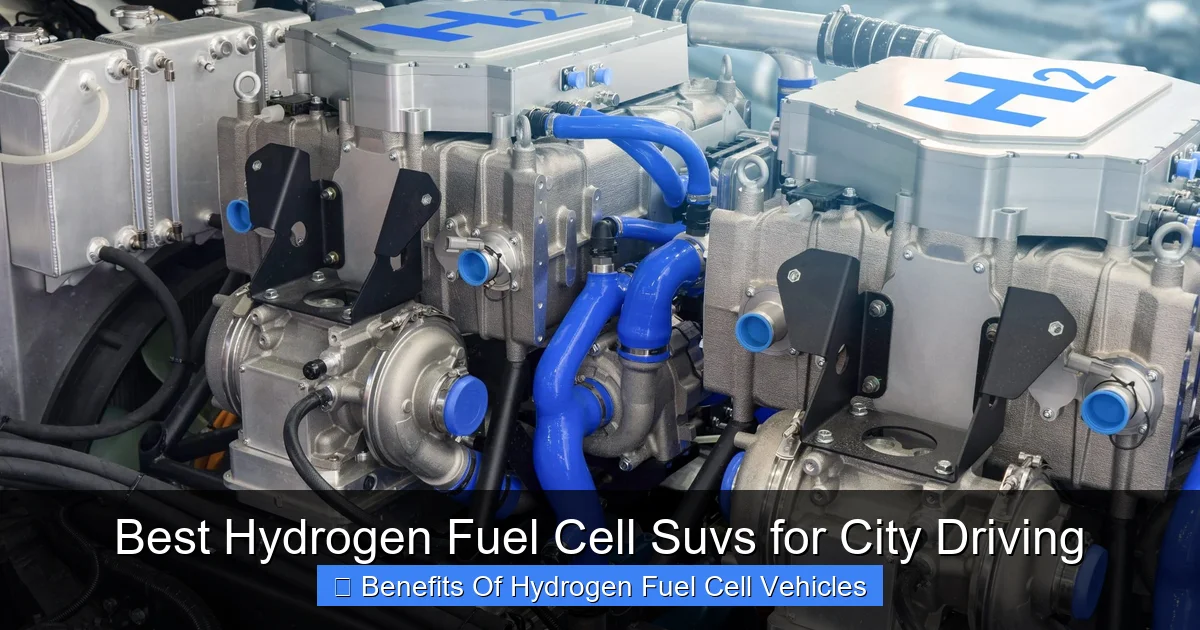
Visual guide about Best Hydrogen Fuel Cell Suvs for City Driving
Image source: openaccessgovernment.org
While the market for hydrogen fuel cell SUVs is still growing, a few models have emerged as leaders in performance, efficiency, and urban practicality. These vehicles combine cutting-edge technology with the space and comfort city drivers need.
Toyota Mirai (SUV Variant – Upcoming)
Toyota has long been a pioneer in alternative fuel vehicles, and the Mirai is their flagship hydrogen car. While the current Mirai is a sedan, Toyota has announced plans for an SUV version that will bring the same clean technology to a larger, more versatile platform. Expected to launch in the next few years, the Mirai SUV will likely feature a sleek design, advanced safety systems, and a range of over 400 miles.
For city drivers, the Mirai SUV will offer smooth acceleration, a quiet cabin, and Toyota’s reputation for reliability. It will also come equipped with Toyota Safety Sense, including lane departure warning, adaptive cruise control, and automatic emergency braking—features that make navigating busy streets safer and less stressful.
Hyundai Nexo
The Hyundai Nexo is one of the most advanced hydrogen fuel cell SUVs on the market today. With a futuristic design and a spacious interior, it’s built for modern urban families. The Nexo delivers an impressive 380-mile range, making it one of the longest-range hydrogen vehicles available.
Inside, the Nexo feels premium, with a dual-screen dashboard, heated and ventilated seats, and a panoramic sunroof. It also includes Hyundai’s SmartSense safety suite, which helps with parking, lane changes, and collision avoidance—perfect for tight city spaces.
One standout feature is its air purification system. The Nexo can filter out 99.9% of fine dust and pollutants as it drives, effectively cleaning the air around it. For city drivers concerned about air quality, this is a huge plus.
Honda CR-V Fuel Cell (Coming Soon)
Honda is set to launch a hydrogen-powered version of its popular CR-V SUV in the near future. This model will combine the practicality and reliability of the CR-V with zero-emission hydrogen technology. Expected to offer over 300 miles of range, it will be ideal for daily city use and weekend adventures.
The CR-V Fuel Cell will likely include Honda Sensing, a comprehensive safety package with features like traffic jam assist and blind-spot monitoring. Its compact SUV size makes it easy to park and maneuver in crowded urban areas, while still offering plenty of cargo space for groceries, sports gear, or luggage.
Honda has also emphasized sustainability in its production process, using recycled materials and aiming for carbon neutrality across its operations. For eco-conscious buyers, this adds another layer of appeal.
Refueling and Infrastructure for City Drivers
One of the biggest concerns about hydrogen vehicles is access to refueling stations. Unlike gas stations, which are everywhere, hydrogen pumps are still relatively rare. However, the infrastructure is growing, especially in major metropolitan areas.
Where to Find Hydrogen Stations
In the United States, California leads the way with over 50 hydrogen refueling stations, most located in cities like Los Angeles, San Francisco, and San Diego. These stations are strategically placed along major highways and in urban centers, making it feasible for city drivers to own a hydrogen SUV.
In Europe, countries like Germany, France, and the UK are investing heavily in hydrogen infrastructure. Germany’s H2 Mobility initiative aims to have 100 hydrogen stations by 2025, with many located in cities like Berlin, Munich, and Hamburg.
Japan is another leader, with Tokyo and Osaka boasting extensive hydrogen networks. South Korea is also expanding rapidly, with plans to build hundreds of stations in the coming years.
How to Locate Stations and Plan Routes
For city drivers, planning ahead is key. Apps like PlugShare and Hydrogen Fuel Station Locator allow you to find the nearest hydrogen stations, check availability, and even see real-time status updates. Many hydrogen SUVs also come with built-in navigation systems that automatically route you to the closest refueling point.
If you live in or near a major city with hydrogen infrastructure, owning a fuel cell SUV is increasingly practical. For example, a driver in Los Angeles can easily refuel on the way to work or during weekend trips. And as more automakers commit to hydrogen technology, the network will only grow.
Home Refueling: Is It Possible?
Currently, home refueling for hydrogen vehicles is not widely available, unlike home charging for electric cars. However, companies like Plug Power and HyGen Industries are developing home hydrogen refueling units that could allow drivers to fill up overnight using solar or grid electricity to produce hydrogen.
While still in the early stages, this technology could revolutionize urban hydrogen driving. Imagine starting each day with a full tank, generated from renewable energy in your own garage. It’s not far-fetched—just a matter of time and infrastructure investment.
Cost, Incentives, and Ownership Experience
Owning a hydrogen fuel cell SUV comes with unique financial considerations. While the upfront cost is higher than gas or even electric SUVs, government incentives and lower operating costs can help offset the difference.
Purchase Price and Leasing Options
The Hyundai Nexo, for example, starts around $60,000, while the Toyota Mirai (sedan) is priced similarly. These prices are higher than comparable gas SUVs but competitive with luxury electric models like the Tesla Model Y or Audi e-tron.
However, many manufacturers offer attractive leasing programs. Hyundai, for instance, leases the Nexo for around $400 per month, which includes free hydrogen fuel for up to $15,000 over three years. This makes the technology more accessible to average consumers.
Government Incentives and Tax Credits
Federal and state governments offer significant incentives for hydrogen vehicle buyers. In the U.S., the federal tax credit for fuel cell vehicles can be up to $8,000, depending on battery size and manufacturer. California offers an additional rebate of up to $5,000 through the Clean Vehicle Rebate Project (CVRP).
Some cities also provide perks like HOV lane access, reduced registration fees, and free parking for hydrogen vehicles. These benefits can add up quickly, especially for daily commuters.
Maintenance and Long-Term Costs
Hydrogen fuel cell SUVs have fewer moving parts than internal combustion engines, which means lower maintenance costs over time. There’s no oil to change, no spark plugs to replace, and no complex transmission to service.
The fuel cell stack is designed to last for over 100,000 miles, and many manufacturers offer extended warranties covering the fuel cell system for 8 to 10 years. Hyundai, for example, provides a 10-year/100,000-mile warranty on the Nexo’s fuel cell components.
Fuel costs are another consideration. Hydrogen is currently more expensive per mile than gasoline or electricity, but prices are expected to drop as production scales up and green hydrogen becomes more common. In California, some stations offer hydrogen for as little as $12–$16 per kilogram, which can deliver over 60 miles of range.
Driving Experience in the City
So, what’s it actually like to drive a hydrogen fuel cell SUV in the city? The experience is surprisingly familiar—yet refreshingly different.
Quiet and Smooth Operation
One of the first things you’ll notice is how quiet the vehicle is. Without an engine rumble or exhaust noise, the cabin remains peaceful, even in heavy traffic. This makes conversations easier, music clearer, and the overall drive more relaxing.
The electric motor delivers instant torque, so acceleration is smooth and responsive. Whether you’re merging onto a busy street or climbing a steep hill, the power comes on immediately—no lag, no hesitation.
Handling and Maneuverability
Most hydrogen SUVs are designed with city driving in mind. The Hyundai Nexo, for example, has a tight turning radius and lightweight steering, making it easy to navigate narrow streets and parallel park in tight spots.
Advanced driver-assist features also help. Adaptive cruise control maintains a safe distance from the car ahead, while lane-keeping assist gently steers you back if you drift. These systems reduce driver fatigue and make long commutes less stressful.
Interior Comfort and Technology
Inside, hydrogen SUVs offer a premium experience. The Nexo features a minimalist dashboard with a 12.3-inch touchscreen, wireless Apple CarPlay, and Android Auto. The seats are supportive and adjustable, with plenty of legroom for passengers in the back.
Storage is generous, with a large cargo area and clever compartments for phones, cups, and small items. For families, this means room for strollers, backpacks, and groceries—all without sacrificing comfort.
The Future of Hydrogen SUVs in Urban Areas
As cities continue to grow and environmental regulations tighten, hydrogen fuel cell SUVs are poised to play a bigger role in urban transportation. Automakers are investing billions in hydrogen technology, and governments are supporting the shift with funding and policy.
Expansion of Hydrogen Networks
The next decade will likely see a rapid expansion of hydrogen refueling infrastructure. In the U.S., the Department of Energy is funding new stations, while private companies like Shell and Air Liquide are building networks in key cities.
In Europe, the Hydrogen Strategy for a Climate-Neutral Europe aims to install 1,000 hydrogen refueling stations by 2030. Similar initiatives are underway in Asia, particularly in Japan and South Korea.
Green Hydrogen and Sustainability
The environmental benefits of hydrogen vehicles depend on how the hydrogen is produced. Currently, most hydrogen is made from natural gas, which still emits carbon. But “green hydrogen,” produced using renewable energy like wind and solar, is becoming more viable.
As green hydrogen production scales up, the carbon footprint of fuel cell SUVs will shrink dramatically. This aligns with city goals to reduce emissions and improve air quality.
Integration with Smart Cities
Hydrogen SUVs could also integrate with smart city systems. Imagine vehicles that communicate with traffic lights to optimize flow, or that automatically route to the nearest hydrogen station based on real-time data. These technologies are already in development and could make urban driving even more efficient.
Conclusion
Hydrogen fuel cell SUVs represent a promising future for city driving—one that’s clean, efficient, and practical. With zero emissions, quick refueling, and a smooth, quiet ride, they offer a compelling alternative to gas and electric vehicles. While infrastructure is still developing, major cities are leading the way, making ownership increasingly feasible for urban drivers.
Models like the Hyundai Nexo and upcoming Toyota Mirai SUV and Honda CR-V Fuel Cell combine advanced technology with everyday usability. With government incentives, lower maintenance costs, and growing support networks, now is a great time to consider a hydrogen-powered SUV.
As the world moves toward sustainable transportation, hydrogen fuel cell vehicles are not just a niche option—they’re a smart, forward-thinking choice for city dwellers who want to drive cleaner without compromising on space, performance, or convenience.
Frequently Asked Questions
Are hydrogen fuel cell SUVs safe?
Yes, hydrogen fuel cell SUVs are rigorously tested for safety. Hydrogen tanks are made from strong composite materials and designed to withstand crashes, punctures, and extreme temperatures. Vehicles also include multiple safety systems to detect leaks and shut off the fuel supply if needed.
How long does it take to refuel a hydrogen SUV?
Refueling a hydrogen SUV takes about 5 to 10 minutes, similar to filling up a gas-powered vehicle. This is much faster than charging an electric SUV, which can take 30 minutes to several hours depending on the charger.
Can I drive a hydrogen SUV in cold weather?
Yes, hydrogen fuel cell SUVs perform well in cold weather. Unlike some electric vehicles, which can lose range in low temperatures, hydrogen vehicles maintain consistent performance. The fuel cell system may take a few extra seconds to start in extreme cold, but it operates efficiently once warmed up.
Is hydrogen fuel expensive?
Currently, hydrogen fuel is more expensive than gasoline or electricity on a per-mile basis, but prices are expected to fall as production scales up. In some regions, manufacturers offer free fuel for several years as part of leasing programs, which can offset costs.
Are there enough hydrogen stations for daily use?
Hydrogen stations are still limited but growing, especially in cities like Los Angeles, Tokyo, and Berlin. If you live in or near a major urban area with hydrogen infrastructure, daily use is practical. Apps and in-car navigation systems help locate the nearest stations.
Can hydrogen SUVs tow or carry heavy loads?
Most hydrogen fuel cell SUVs are designed for city and light-duty use, with towing capacities similar to compact or midsize SUVs—typically around 1,500 to 3,500 pounds. For heavy towing, traditional gas or diesel vehicles may still be a better option.