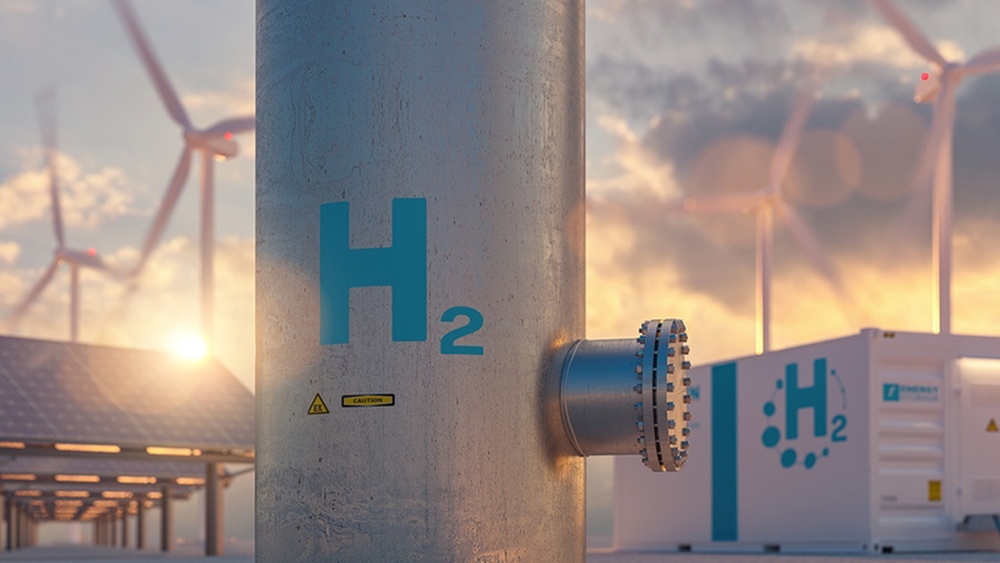
The future of hydrogen-powered cars is gaining momentum as automakers and governments invest in clean energy solutions. With zero emissions, fast refueling, and long-range capabilities, hydrogen vehicles could redefine sustainable transportation—if infrastructure and cost barriers are overcome.
Key Takeaways
- Zero emissions at the tailpipe: Hydrogen-powered cars emit only water vapor, making them a truly clean alternative to gasoline and even some electric vehicles.
- Fast refueling times: Unlike battery-electric cars that take hours to charge, hydrogen vehicles refuel in under 5 minutes—similar to traditional gas cars.
- Growing infrastructure investments: Countries like Japan, Germany, and South Korea are expanding hydrogen refueling networks to support wider adoption.
- High production costs remain a barrier: Green hydrogen, produced using renewable energy, is still expensive compared to fossil fuel-based alternatives.
- Fuel cell efficiency challenges: While hydrogen cars are efficient in use, energy losses occur during production, transportation, and conversion.
- Strong potential for heavy transport: Hydrogen is especially promising for trucks, buses, and trains where battery weight and charging time are limiting factors.
- Government policies drive innovation: Subsidies, tax incentives, and climate goals are accelerating research and development in hydrogen technology.
📑 Table of Contents
- The Rise of Hydrogen-Powered Cars: A Clean Revolution on Wheels
- How Hydrogen-Powered Cars Work: The Science Behind the Hype
- Environmental Impact: Are Hydrogen Cars Truly Green?
- Challenges and Barriers to Widespread Adoption
- The Role of Hydrogen in Heavy Transport and Beyond
- Government Policies and Global Initiatives Driving the Future
- The Road Ahead: What’s Next for Hydrogen-Powered Cars?
The Rise of Hydrogen-Powered Cars: A Clean Revolution on Wheels
Imagine pulling up to a fueling station, filling your car in under five minutes, and driving 400 miles—all while emitting nothing but clean water vapor. That’s not science fiction. It’s the promise of hydrogen-powered cars, a technology that’s been quietly advancing for decades and is now gaining serious traction as the world races toward a carbon-neutral future.
While electric vehicles (EVs) have dominated headlines in recent years, hydrogen fuel cell vehicles (FCEVs) offer a compelling alternative—especially for drivers who need longer range, quicker refueling, and minimal downtime. Unlike battery-electric cars that rely on large, heavy lithium-ion batteries, hydrogen cars generate electricity on board using a fuel cell that combines hydrogen with oxygen from the air. The result? A smooth, quiet ride with zero harmful emissions.
But hydrogen isn’t just a niche idea anymore. Major automakers like Toyota, Hyundai, and Honda have already launched production models, and countries around the world are investing billions in hydrogen infrastructure. From Japan’s “Hydrogen Society” vision to Germany’s national hydrogen strategy, the momentum is building. As climate concerns grow and energy security becomes a top priority, hydrogen-powered cars are stepping out of the shadows and into the spotlight.
How Hydrogen-Powered Cars Work: The Science Behind the Hype

Visual guide about Future of Hydrogen-powered Cars
Image source: createdigital.org.au
To understand why hydrogen cars are gaining attention, it helps to know how they actually work. At the heart of every hydrogen-powered vehicle is a fuel cell stack—a series of electrochemical cells that convert hydrogen gas into electricity. Here’s a simple breakdown of the process:
The Fuel Cell: Power from Chemistry
Inside the fuel cell, hydrogen gas (H₂) is fed into the anode side, where a catalyst—usually platinum—splits the hydrogen molecules into protons and electrons. The protons pass through a special membrane to the cathode side, while the electrons are forced to travel through an external circuit, creating an electric current. This electricity powers the car’s motor, just like in a battery-electric vehicle.
At the cathode, oxygen from the air combines with the protons and electrons to form water (H₂O), which is released as the only emission. No combustion, no smoke, no carbon dioxide—just clean energy and water.
Hydrogen Storage: Safe and Efficient
Storing hydrogen safely is one of the biggest engineering challenges. Most hydrogen cars use high-pressure tanks that store the gas at around 700 bar (over 10,000 psi). These tanks are made from advanced composite materials like carbon fiber, making them lightweight yet incredibly strong. Modern designs include multiple safety layers and automatic shut-off valves to prevent leaks or ruptures in a crash.
For example, the Toyota Mirai, one of the most popular hydrogen cars, has three hydrogen tanks that store a total of about 5.6 kg of hydrogen—enough for a range of over 400 miles. That’s comparable to many gasoline-powered sedans and significantly longer than most battery-electric cars on the market today.
Refueling: Quick and Convenient
One of the biggest advantages of hydrogen cars is refueling speed. While EV owners often face long charging times—even with fast chargers—hydrogen vehicles can be refueled in just 3 to 5 minutes. That’s a game-changer for long-distance travel, ride-sharing services, and commercial fleets that can’t afford downtime.
At a hydrogen station, a nozzle connects to the car’s fuel port, and compressed hydrogen flows into the tanks. The process is similar to pumping gasoline, but cleaner and quieter. As more stations open, this convenience could make hydrogen cars a practical choice for everyday drivers.
Environmental Impact: Are Hydrogen Cars Truly Green?
It’s easy to assume that hydrogen cars are 100% eco-friendly—after all, they only emit water. But the real environmental impact depends on how the hydrogen is produced. Not all hydrogen is created equal, and the source of energy used to make it plays a huge role in determining its carbon footprint.
The Color Code of Hydrogen
Hydrogen is often described by color to indicate its production method:
- Grey hydrogen: Made from natural gas through a process called steam methane reforming (SMR). This is the most common method today, but it releases carbon dioxide as a byproduct.
- Blue hydrogen: Also produced from natural gas, but with carbon capture and storage (CCS) technology to trap and store emissions underground. It’s cleaner than grey but still relies on fossil fuels.
- Green hydrogen: Produced using renewable energy (like wind or solar) to power electrolysis, which splits water into hydrogen and oxygen. This is the only truly zero-emission method and the goal for sustainable hydrogen production.
Currently, over 95% of hydrogen is grey or blue, meaning most hydrogen cars today aren’t fully carbon-neutral. But that’s changing. Governments and companies are investing heavily in green hydrogen projects. For example, Australia’s Asian Renewable Energy Hub plans to produce green hydrogen using vast solar and wind farms, while the European Union has set a target of 10 million tons of renewable hydrogen by 2030.
Lifecycle Emissions: A Full Picture
When evaluating environmental impact, it’s important to consider the entire lifecycle—from production to use. While hydrogen cars emit nothing during operation, the energy used to produce, compress, transport, and store hydrogen can add up.
Studies show that green hydrogen-powered cars can have lifecycle emissions up to 70% lower than gasoline vehicles. Even blue hydrogen offers significant reductions compared to fossil fuels. But to maximize benefits, the entire hydrogen supply chain must become cleaner—starting with renewable-powered production and efficient distribution.
Water Usage and Other Concerns
Another consideration is water consumption. Electrolysis requires pure water, and large-scale hydrogen production could strain local water resources in dry regions. However, the amount needed is relatively small—about 9 liters of water per kilogram of hydrogen—and can be sourced from seawater or wastewater with proper treatment.
There are also concerns about hydrogen leaks, which could indirectly contribute to global warming by affecting atmospheric chemistry. But modern storage and handling systems are designed to minimize leaks, and research is ongoing to improve safety.
Challenges and Barriers to Widespread Adoption
Despite their promise, hydrogen-powered cars face several hurdles that have slowed their adoption. From high costs to infrastructure gaps, these challenges must be addressed for hydrogen to become a mainstream transportation solution.
High Production and Infrastructure Costs
Green hydrogen is still expensive to produce. Electrolyzers—the machines that split water into hydrogen and oxygen—are costly, and renewable energy prices, while falling, still make green hydrogen two to three times more expensive than grey hydrogen.
Building hydrogen refueling stations is also capital-intensive. A single station can cost between $1 million and $3 million, compared to much lower costs for EV charging points. As a result, there are only a few hundred hydrogen stations worldwide, mostly concentrated in California, Japan, and parts of Europe.
Limited Vehicle Availability and High Prices
Currently, only a handful of hydrogen-powered cars are available to consumers. The Toyota Mirai, Hyundai NEXO, and Honda Clarity Fuel Cell are the main options, and they come with high price tags—often over $60,000 before incentives. While government rebates can reduce the cost, they’re still out of reach for many buyers.
Additionally, limited production volumes mean fewer choices and less competition, which keeps prices high. Automakers are working to scale up production, but it will take time and investment to bring costs down.
Energy Efficiency: The Well-to-Wheel Dilemma
One of the biggest criticisms of hydrogen cars is their energy efficiency. When you compare the entire energy chain—from electricity generation to vehicle propulsion—hydrogen cars are less efficient than battery-electric vehicles.
Here’s why:
- Producing green hydrogen via electrolysis loses about 30% of the original energy.
- Compressing and transporting hydrogen loses another 10–15%.
- The fuel cell itself is about 60% efficient at converting hydrogen to electricity.
In total, only about 30–35% of the original renewable energy makes it to the wheels. In contrast, battery-electric cars can achieve 70–80% efficiency because they skip the hydrogen production and conversion steps.
This means that for every unit of renewable energy, you could power two or three EVs for the same distance as one hydrogen car. That’s a significant drawback, especially as the world seeks to maximize clean energy use.
Public Awareness and Perception
Many people still don’t know much about hydrogen cars. Misconceptions about safety—fueled by images of the Hindenburg disaster—persist, even though modern hydrogen systems are far safer than gasoline tanks. Education and outreach are needed to build public trust and understanding.
Moreover, the dominance of EVs in media and policy discussions has overshadowed hydrogen. While both technologies have roles to play, hydrogen often gets less attention, slowing investment and consumer interest.
The Role of Hydrogen in Heavy Transport and Beyond
While hydrogen cars may not replace EVs for everyday commuting, they shine in applications where batteries fall short. Heavy-duty transport—like trucks, buses, trains, and even ships—is where hydrogen could make the biggest impact.
Trucks and Logistics: Long Haul, Heavy Loads
Battery-electric trucks are emerging, but they face limitations. Large batteries are heavy, reducing cargo capacity, and charging can take hours—unacceptable for long-haul drivers who need to keep moving.
Hydrogen-powered trucks, on the other hand, can refuel quickly and travel 500–700 miles on a single tank. Companies like Hyundai and Nikola are already testing hydrogen trucks in the U.S. and Europe. In 2023, Hyundai delivered its first fleet of hydrogen-powered XCIENT trucks to customers in California, marking a major step toward commercial adoption.
Public Transit: Cleaner Buses and Trains
Cities are turning to hydrogen buses to reduce urban pollution. These vehicles offer long range, fast refueling, and zero emissions—perfect for daily routes. In Aberdeen, Scotland, a fleet of hydrogen buses has been running since 2015, proving the technology’s reliability.
Hydrogen trains are also gaining ground. Germany’s Coradia iLint, the world’s first hydrogen-powered passenger train, has been operating successfully since 2018. It emits only steam and condensed water, making it ideal for non-electrified rail lines.
Aviation and Maritime: The Next Frontier
The aviation and shipping industries are exploring hydrogen as a way to decarbonize. While battery-electric planes are limited by weight and range, liquid hydrogen could power short- to medium-haul flights. Airbus has announced plans to develop a hydrogen-powered aircraft by 2035.
Similarly, shipping companies are testing hydrogen and ammonia (a hydrogen carrier) as marine fuels. These efforts could revolutionize global trade by reducing the industry’s massive carbon footprint.
Government Policies and Global Initiatives Driving the Future
The future of hydrogen-powered cars isn’t just about technology—it’s about policy. Governments around the world are stepping up with funding, regulations, and long-term strategies to support hydrogen development.
National Hydrogen Strategies
Countries are launching comprehensive hydrogen roadmaps. Japan aims to become a “hydrogen society” by 2050, with plans to import green hydrogen and build a nationwide refueling network. Germany’s National Hydrogen Strategy includes €9 billion in funding for research and infrastructure.
The United States has introduced tax credits for clean hydrogen production under the Inflation Reduction Act, making green hydrogen more competitive. California, a leader in clean transportation, has committed to building 1,000 hydrogen stations by 2030.
International Collaboration
Global partnerships are accelerating progress. The Hydrogen Council, a coalition of over 100 companies, advocates for hydrogen adoption worldwide. The European Union’s REPowerEU plan aims to produce 10 million tons of renewable hydrogen domestically and import another 10 million tons by 2030.
These efforts are creating a foundation for a global hydrogen economy—one where clean hydrogen powers not just cars, but industries, homes, and entire cities.
Incentives for Consumers and Businesses
To encourage adoption, many governments offer incentives. In the U.S., buyers of hydrogen cars can receive federal tax credits of up to $8,000. California offers additional rebates and access to carpool lanes. Similar programs exist in Japan, South Korea, and parts of Europe.
For businesses, grants and low-interest loans are available to build hydrogen infrastructure or transition fleets to hydrogen vehicles. These incentives help offset high upfront costs and speed up market growth.
The Road Ahead: What’s Next for Hydrogen-Powered Cars?
So, what does the future hold for hydrogen-powered cars? The answer depends on how quickly we can overcome current challenges and scale up clean hydrogen production.
In the short term, hydrogen cars will likely remain a niche market, primarily used in regions with strong government support and existing infrastructure—like California, Japan, and parts of Europe. Automakers will continue refining fuel cell technology, reducing costs, and improving efficiency.
Over the next decade, we can expect to see more hydrogen models, lower prices, and expanded refueling networks. Advances in electrolysis and renewable energy will make green hydrogen more affordable, while innovations in storage and transportation will improve safety and efficiency.
But hydrogen’s greatest impact may not be in passenger cars. As battery-electric vehicles dominate the light-duty market, hydrogen could become the fuel of choice for heavy transport, aviation, and industrial applications—areas where batteries simply can’t compete.
Ultimately, the future of hydrogen-powered cars isn’t about replacing EVs. It’s about complementing them. A diversified clean energy strategy—using batteries where they’re most efficient and hydrogen where it’s needed most—will be key to achieving a sustainable, zero-emission transportation system.
With the right investments, policies, and public support, hydrogen could play a vital role in the clean energy transition. The road ahead is long, but the destination—cleaner air, reduced emissions, and energy independence—is worth the journey.
Frequently Asked Questions
Are hydrogen-powered cars safe?
Yes, hydrogen-powered cars are designed with multiple safety features, including high-strength fuel tanks, leak detection systems, and automatic shut-off valves. Modern hydrogen vehicles undergo rigorous crash testing and are considered as safe as conventional cars.
How long does it take to refuel a hydrogen car?
Refueling a hydrogen car takes just 3 to 5 minutes—similar to filling up a gasoline vehicle. This is much faster than charging a battery-electric car, even with fast chargers.
Where can I refuel a hydrogen car?
Hydrogen refueling stations are currently limited but growing. They are mostly found in California, Japan, South Korea, Germany, and parts of Scandinavia. Check online maps or apps like H2.Live to find stations near you.
What is green hydrogen, and why is it important?
Green hydrogen is produced using renewable energy to split water into hydrogen and oxygen. It’s important because it’s the only truly zero-emission method of hydrogen production, making it essential for sustainable transportation.
Can hydrogen cars compete with electric vehicles?
Hydrogen cars won’t replace EVs for most drivers, but they excel in areas where batteries fall short—like long-range travel, heavy transport, and quick refueling. Both technologies will likely coexist in a clean energy future.
Will hydrogen cars become cheaper in the future?
Yes, as production scales up and technology improves, the cost of hydrogen cars and fuel is expected to drop. Government incentives and falling renewable energy prices will also help make hydrogen more affordable over time.