Hydrogen-powered vehicles are gaining momentum as a clean, efficient alternative to fossil fuels and battery-electric cars. With breakthroughs in fuel cell efficiency, infrastructure expansion, and sustainable hydrogen production, the future of transportation is looking greener and more versatile.
Imagine a world where your car emits nothing but water vapor, refuels in under five minutes, and travels over 500 miles on a single tank. No, this isn’t science fiction—it’s the promise of hydrogen-powered vehicle technology. While electric vehicles (EVs) have dominated the clean transportation conversation in recent years, hydrogen fuel cell vehicles (FCEVs) are quietly emerging as a powerful contender, especially for applications where batteries fall short.
Hydrogen has long been hailed as the “fuel of the future,” but for decades, it remained just out of reach due to technological, economic, and infrastructure challenges. Today, that’s changing. Advances in fuel cell design, the rise of green hydrogen production, and growing government and industry support are converging to make hydrogen-powered vehicles more viable than ever. From long-haul trucks to city buses and even passenger cars, hydrogen is proving its worth in a variety of real-world applications.
This isn’t just about replacing gasoline with a cleaner alternative. It’s about reimagining how we move people and goods in a sustainable, efficient, and scalable way. As the world races to meet climate targets and reduce carbon emissions, hydrogen-powered vehicle technology is stepping into the spotlight—not as a niche solution, but as a key pillar of the clean energy transition.
Key Takeaways
- Green hydrogen production is scaling up: Renewable-powered electrolysis is making hydrogen cleaner and more sustainable than ever.
- Fuel cell efficiency is improving rapidly: New materials and designs are boosting performance, durability, and cost-effectiveness.
- Heavy-duty transport leads adoption: Trucks, buses, and trains are ideal early adopters due to long ranges and fast refueling.
- Refueling infrastructure is expanding globally: Countries like Japan, Germany, and South Korea are investing heavily in hydrogen stations.
- Policy support is accelerating innovation: Government incentives and climate goals are driving investment in hydrogen tech.
- Hydrogen complements battery-electric vehicles: It’s not a replacement, but a partner in a diversified clean transport future.
- Costs are dropping steadily: Economies of scale and tech advances are making hydrogen vehicles more affordable.
📑 Table of Contents
- The Rise of Green Hydrogen: Powering Vehicles Sustainably
- Fuel Cell Innovations: Smaller, Stronger, and More Efficient
- Heavy-Duty Transport: The Sweet Spot for Hydrogen
- Building the Hydrogen Refueling Network
- Policy and Investment: Fueling the Hydrogen Economy
- The Road Ahead: Challenges and Opportunities
- Conclusion
The Rise of Green Hydrogen: Powering Vehicles Sustainably
One of the biggest hurdles for hydrogen-powered vehicles has always been the source of the hydrogen itself. Traditionally, most hydrogen has been produced through steam methane reforming (SMR), a process that relies on natural gas and emits significant amounts of CO₂. This “gray hydrogen” undermines the environmental benefits of FCEVs.
But the game is changing with the rise of green hydrogen—hydrogen produced using renewable energy sources like wind, solar, and hydropower. Through a process called electrolysis, water is split into hydrogen and oxygen using electricity. When that electricity comes from renewables, the result is a truly clean fuel with zero carbon emissions.
Scaling Electrolysis for Mass Production
Electrolyzers, the machines that produce green hydrogen, are becoming more efficient and affordable. Companies like ITM Power, Nel Hydrogen, and Plug Power are deploying large-scale electrolysis plants around the world. For example, the HyDeal Ambition project in Spain aims to produce green hydrogen at under €1.50 per kilogram by 2030—making it competitive with fossil fuels.
This scalability is crucial. As renewable energy costs continue to fall, green hydrogen becomes not just environmentally sound, but economically smart. Countries with abundant solar or wind resources—like Australia, Chile, and Morocco—are positioning themselves as future hydrogen exporters, creating a global supply chain for clean fuel.
Hydrogen Hubs and Regional Clusters
To accelerate adoption, governments and private companies are building “hydrogen hubs”—regional ecosystems that integrate production, storage, distribution, and end-use. The U.S. Department of Energy’s Regional Clean Hydrogen Hubs program, for instance, has awarded $7 billion to develop six to ten hubs across the country. These hubs will support everything from industrial use to heavy-duty transportation.
Similarly, the European Union’s Hydrogen Strategy aims to install 40 gigawatts of electrolyzer capacity by 2030. These regional clusters reduce transportation costs and create localized demand, making hydrogen infrastructure more practical and cost-effective.
Fuel Cell Innovations: Smaller, Stronger, and More Efficient
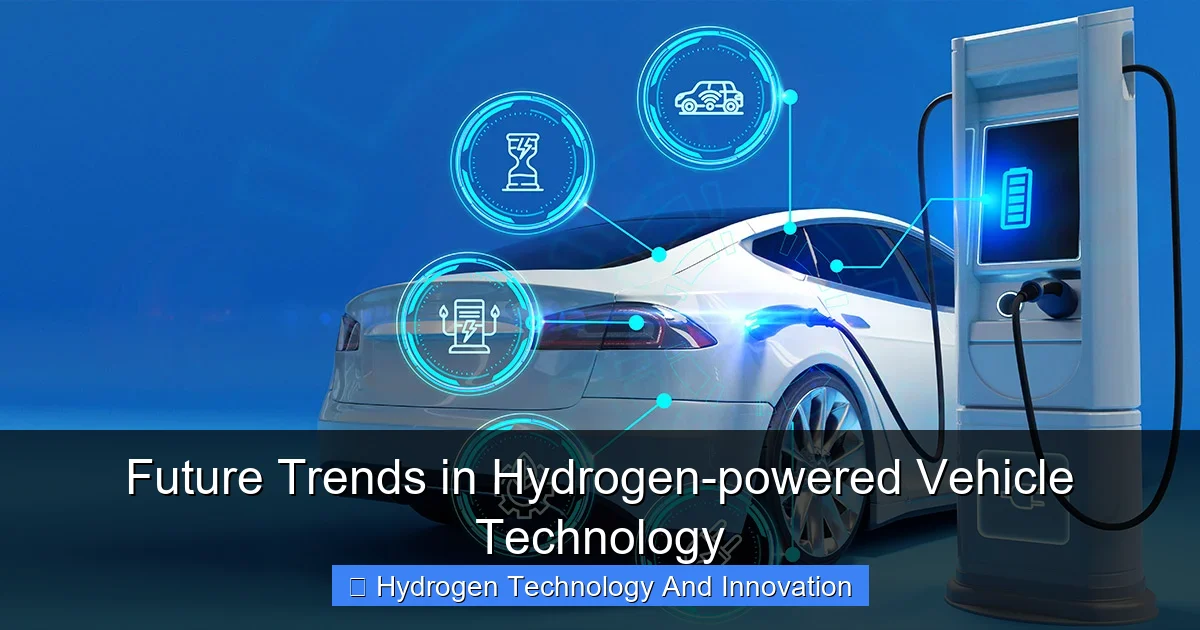
Visual guide about Future Trends in Hydrogen-powered Vehicle Technology
Image source: pcmicorp.com
At the heart of every hydrogen-powered vehicle is the fuel cell stack—a device that converts hydrogen and oxygen into electricity, with water as the only byproduct. For years, fuel cells were bulky, expensive, and prone to degradation. But recent innovations are changing that.
Advanced Materials and Membrane Technology
One of the biggest breakthroughs is in proton exchange membrane (PEM) technology. New catalysts, such as those using platinum alloys or even non-precious metals, are reducing costs and improving efficiency. Researchers at the University of Central Florida have developed a fuel cell that uses 60% less platinum while maintaining high performance.
Even more exciting is the development of anion exchange membrane (AEM) fuel cells, which don’t require expensive metals at all. These could dramatically lower the cost of fuel cells and make them accessible for mass-market vehicles.
Increased Power Density and Durability
Modern fuel cells are also becoming more compact and powerful. Toyota’s latest Mirai, for example, features a fuel cell stack that is 20% smaller and 15% more efficient than its predecessor, yet delivers 128 kW of power. This means more performance in less space—critical for passenger vehicles where every inch counts.
Durability is improving too. Fuel cells now last over 20,000 hours in real-world conditions, up from just 5,000 hours a decade ago. This longevity makes them viable for commercial fleets and long-haul transport, where uptime is essential.
Cold Weather Performance
One advantage hydrogen vehicles have over battery EVs is their performance in cold climates. While lithium-ion batteries lose range in freezing temperatures, fuel cells operate efficiently even in sub-zero conditions. This makes hydrogen ideal for regions with harsh winters, such as Canada, Scandinavia, and parts of the U.S.
Heavy-Duty Transport: The Sweet Spot for Hydrogen
While passenger cars get most of the attention, the real near-term opportunity for hydrogen-powered vehicles lies in heavy-duty transportation. Trucks, buses, trains, and even ships are ideal candidates for fuel cell technology.
Long-Haul Trucking
Battery-electric trucks face significant challenges: heavy batteries reduce payload, long charging times disrupt schedules, and range anxiety limits operations. Hydrogen solves these issues. A hydrogen-powered truck can travel 800–1,000 miles on a single tank and refuel in 10–15 minutes—similar to a diesel truck.
Companies like Hyundai, Nikola, and Toyota are already testing hydrogen trucks on real routes. Hyundai’s XCIENT Fuel Cell trucks are operating in Switzerland and California, with plans to expand to Germany and other markets. These trucks are proving that hydrogen can meet the demands of freight transport without sacrificing efficiency.
Public Transit and Buses
Cities around the world are turning to hydrogen buses to reduce emissions and noise pollution. London, for example, has over 20 hydrogen-powered double-decker buses in service, with plans to expand the fleet. These buses offer zero emissions, quiet operation, and the ability to run all day without recharging.
In China, hydrogen buses are being deployed in cities like Beijing and Shanghai as part of the government’s push for clean urban transport. The buses refuel at dedicated stations and can operate for over 300 miles per fill-up.
Trains and Maritime Applications
Hydrogen is also making inroads in rail and shipping. Alstom’s Coradia iLint, the world’s first hydrogen-powered passenger train, is running in Germany and has logged over 100,000 miles. It emits only steam and condensed water, making it perfect for non-electrified rail lines.
In maritime transport, companies like A.P. Moller-Maersk and Shell are exploring hydrogen and ammonia as marine fuels. While still in early stages, these projects could revolutionize global shipping, one of the hardest sectors to decarbonize.
Building the Hydrogen Refueling Network
No vehicle technology can succeed without infrastructure, and hydrogen is no exception. The lack of refueling stations has been a major barrier to consumer adoption. But that’s changing fast.
Global Expansion of Hydrogen Stations
As of 2024, there are over 1,000 hydrogen refueling stations worldwide, with the majority in Japan, South Korea, Germany, and California. Japan leads with over 160 stations, thanks to strong government support and partnerships between automakers and energy companies.
South Korea plans to have 1,200 stations by 2040, while Germany’s H2 Mobility initiative aims for 1,000 stations across the country. California, the U.S. leader, has over 60 stations and is targeting 200 by 2025.
Innovative Refueling Solutions
To speed up deployment, companies are developing mobile and modular refueling units. These portable stations can be deployed at truck stops, depots, or event sites, providing flexibility while permanent infrastructure catches up.
Another innovation is “hydrogen-ready” gas stations. Some traditional fuel retailers are installing hydrogen dispensers alongside gasoline and diesel pumps, allowing for gradual transition and shared infrastructure costs.
Cost Reduction and Standardization
Refueling equipment is also getting cheaper and more standardized. New compressor technologies and automated systems are reducing installation and operating costs. International standards for hydrogen fuel quality and dispensing are also improving safety and interoperability.
Policy and Investment: Fueling the Hydrogen Economy
Government policy and private investment are critical drivers of hydrogen adoption. Around the world, countries are rolling out strategies to support hydrogen development.
National Hydrogen Strategies
Over 30 countries have published national hydrogen strategies, including the U.S., EU, Japan, South Korea, and Australia. These plans outline funding, targets, and regulatory frameworks to accelerate the hydrogen economy.
The U.S. Inflation Reduction Act (IRA) includes a production tax credit of up to $3 per kilogram for clean hydrogen, making it one of the most generous incentives in the world. The EU’s REPowerEU plan aims to produce 10 million tons of renewable hydrogen domestically by 2030.
Public-Private Partnerships
Collaboration between governments, automakers, and energy companies is key. The Hydrogen Council, a global CEO-led initiative, includes over 150 companies working to scale hydrogen solutions. Partnerships like the H2Accelerate consortium in Europe are bringing together truck makers, fuel suppliers, and logistics firms to deploy hydrogen corridors across the continent.
Investment Trends
Venture capital and corporate investment in hydrogen startups are surging. In 2023, hydrogen tech companies raised over $5 billion globally, with focus areas including electrolyzers, fuel cells, and storage solutions. Major energy firms like Shell, BP, and TotalEnergies are also investing heavily in hydrogen projects.
The Road Ahead: Challenges and Opportunities
Despite the progress, hydrogen-powered vehicles still face challenges. Costs remain high, infrastructure is limited, and public awareness is low. But the opportunities far outweigh the obstacles.
Cost Competitiveness
The cost of hydrogen fuel is currently around $10–16 per kilogram in the U.S., compared to about $1.50 for gasoline on an energy-equivalent basis. However, as green hydrogen production scales and fuel cell manufacturing improves, experts predict costs could fall to $4–6 per kilogram by 2030—making hydrogen competitive with diesel for heavy transport.
Public Perception and Education
Many people still associate hydrogen with the Hindenburg disaster, but modern hydrogen storage is safe and rigorously tested. Educating consumers and fleet operators about the benefits—zero emissions, fast refueling, long range—will be key to adoption.
Integration with Renewable Energy
For hydrogen to be truly sustainable, it must be produced using renewable energy. This requires a massive expansion of wind, solar, and grid infrastructure. Smart energy systems that use excess renewable power to produce hydrogen during off-peak hours can help balance the grid and reduce waste.
A Complementary Future
It’s important to remember that hydrogen-powered vehicles are not meant to replace battery-electric vehicles. Instead, they complement them. Batteries are ideal for short-range, urban driving, while hydrogen excels in long-haul, heavy-duty, and high-utilization applications. Together, they form a complete clean transportation ecosystem.
Conclusion
The future of hydrogen-powered vehicle technology is bright. With rapid advancements in fuel cells, the scaling of green hydrogen production, and growing infrastructure and policy support, hydrogen is poised to play a major role in decarbonizing transportation.
From trucks and buses to trains and ships, hydrogen offers a clean, efficient, and practical solution for some of the toughest mobility challenges. While challenges remain, the momentum is undeniable. As costs fall and awareness grows, hydrogen-powered vehicles will move from niche applications to mainstream adoption.
The road ahead is long, but the destination is clear: a cleaner, quieter, and more sustainable way to move people and goods. And hydrogen is helping us get there—one fuel cell at a time.
Frequently Asked Questions
What is a hydrogen-powered vehicle?
A hydrogen-powered vehicle uses a fuel cell to convert hydrogen gas into electricity, which powers an electric motor. The only emission is water vapor, making it a zero-emission vehicle.
How does a hydrogen fuel cell work?
A fuel cell combines hydrogen and oxygen to produce electricity, heat, and water. Hydrogen enters the anode, where it’s split into protons and electrons. The protons move through a membrane to the cathode, while the electrons create an electric current.
Is hydrogen fuel safe?
Yes, hydrogen is safe when handled properly. Modern hydrogen vehicles use high-strength tanks and multiple safety systems. Hydrogen is lighter than air, so it disperses quickly in case of a leak, reducing fire risk.
How long does it take to refuel a hydrogen car?
Refueling a hydrogen vehicle takes 3–5 minutes, similar to gasoline. This is much faster than charging an electric vehicle, making it ideal for long trips and commercial use.
Where can I refuel a hydrogen vehicle?
Hydrogen refueling stations are available in select regions, including California, Japan, South Korea, and parts of Europe. The network is expanding rapidly, especially for heavy-duty transport.
Are hydrogen vehicles more expensive than electric cars?
Currently, hydrogen vehicles have a higher upfront cost due to fuel cell technology and limited production scale. However, prices are expected to fall as technology improves and production scales up.