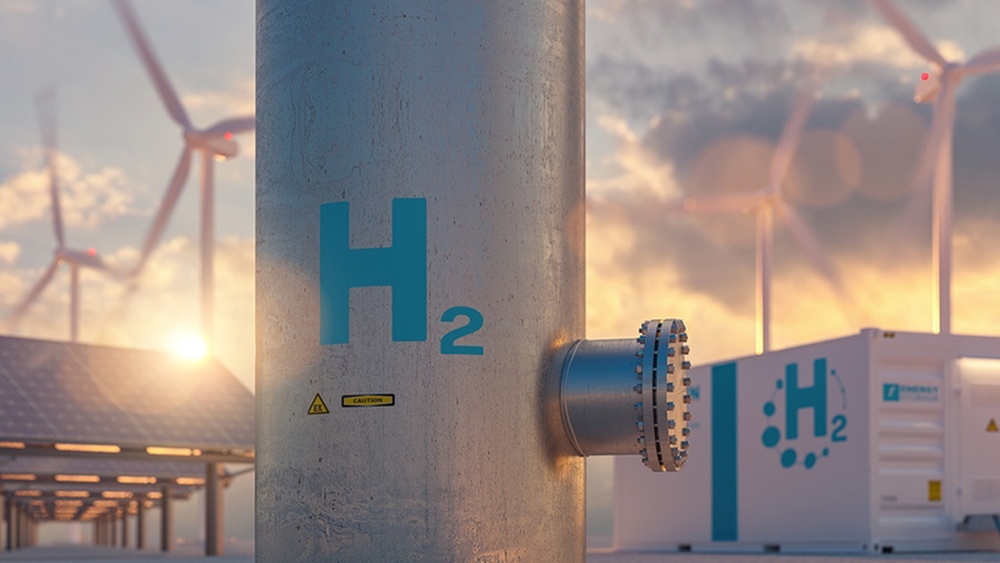
Hydrogen fuel cells offer a powerful solution to reduce greenhouse gas emissions across industries. By producing energy through clean chemical reactions—with only water as a byproduct—they support decarbonization in transportation, manufacturing, and energy storage, playing a vital role in global climate change mitigation efforts.
Key Takeaways
- Zero Tailpipe Emissions: Hydrogen fuel cells emit only water vapor, making them ideal for clean transportation and heavy-duty vehicles.
- Supports Renewable Integration: Excess renewable energy can be stored as hydrogen, helping balance the grid and reduce reliance on fossil fuels.
- Decarbonizes Hard-to-Abate Sectors: Industries like steel, cement, and shipping can use green hydrogen to cut emissions where electrification is challenging.
- Energy Efficiency and Scalability: Fuel cells convert hydrogen to electricity efficiently and can scale from small devices to large power plants.
- Reduces Air Pollution: Widespread adoption improves air quality in cities by eliminating nitrogen oxides and particulate matter from combustion.
- Global Policy Support: Governments worldwide are investing in hydrogen infrastructure to meet climate targets and boost clean energy innovation.
- Future-Proof Technology: As renewable energy grows, hydrogen fuel cells will become increasingly sustainable and cost-effective.
📑 Table of Contents
- Introduction: A Clean Energy Revolution on the Horizon
- How Hydrogen Fuel Cells Work: The Science Behind the Clean Energy
- Reducing Emissions in Transportation: A Major Climate Win
- Supporting Renewable Energy: Storing the Sun and Wind
- Decarbonizing Industry: Tackling Hard-to-Abate Sectors
- Environmental and Health Benefits Beyond Climate
- Challenges and the Path Forward
- Conclusion: A Key Piece of the Climate Puzzle
Introduction: A Clean Energy Revolution on the Horizon
Imagine a world where cars, buses, and even factories run without spewing harmful gases into the air. A world where energy is clean, abundant, and accessible—without contributing to global warming. This isn’t a distant dream. It’s becoming a reality, thanks in large part to hydrogen fuel cells. These innovative devices are quietly transforming how we generate and use energy, offering a powerful tool in the fight against climate change.
Hydrogen fuel cells work by combining hydrogen and oxygen to produce electricity, with water and heat as the only byproducts. Unlike fossil fuels, they don’t burn anything, which means no carbon dioxide (CO₂), no soot, and no smog-forming pollutants. This makes them a game-changer for reducing greenhouse gas emissions. But their impact goes far beyond just clean air. From powering vehicles to storing renewable energy, hydrogen fuel cells are helping us build a more sustainable future.
How Hydrogen Fuel Cells Work: The Science Behind the Clean Energy
Visual guide about How Hydrogen Fuel Cells Contribute to Climate Change Mitigation
Image source: img.freepik.com
To understand how hydrogen fuel cells contribute to climate change mitigation, it helps to know how they work. At their core, fuel cells are electrochemical devices—similar to batteries—but instead of storing energy, they generate it continuously as long as fuel is supplied.
The Basic Chemistry of Fuel Cells
A typical hydrogen fuel cell has two electrodes: an anode and a cathode, separated by an electrolyte. Hydrogen gas is fed into the anode, where a catalyst—usually platinum—splits the hydrogen molecules into protons and electrons. The protons move through the electrolyte to the cathode, while the electrons travel through an external circuit, creating an electric current. At the cathode, oxygen from the air combines with the protons and electrons to form water.
This process is incredibly efficient and produces no harmful emissions. In fact, the only byproducts are heat and pure water. Compare that to internal combustion engines, which release CO₂, nitrogen oxides (NOx), and particulate matter—major contributors to climate change and air pollution.
Types of Fuel Cells and Their Applications
There are several types of fuel cells, each suited to different uses. Proton Exchange Membrane Fuel Cells (PEMFCs) are the most common and are widely used in vehicles because they operate at low temperatures and start quickly. Solid Oxide Fuel Cells (SOFCs), on the other hand, run at high temperatures and are better for stationary power generation, such as in hospitals or data centers.
Other types include Alkaline Fuel Cells (AFCs), used in space missions, and Phosphoric Acid Fuel Cells (PAFCs), common in industrial settings. Each type has its strengths, but all share the same core benefit: clean energy production.
Efficiency and Environmental Impact
One of the biggest advantages of fuel cells is their high efficiency. While internal combustion engines convert only about 20–30% of fuel energy into useful work, fuel cells can reach 40–60% efficiency—and even higher when waste heat is captured for heating buildings or water. This means less energy is wasted, and fewer resources are needed to power our lives.
Moreover, when hydrogen is produced using renewable energy—such as wind or solar—the entire lifecycle of the fuel cell becomes nearly carbon-free. This is known as “green hydrogen,” and it’s the key to unlocking the full climate benefits of fuel cell technology.
Reducing Emissions in Transportation: A Major Climate Win
Transportation is one of the largest sources of greenhouse gas emissions, accounting for nearly a quarter of global CO₂ output. Cars, trucks, ships, and airplanes rely heavily on fossil fuels, making this sector a critical target for decarbonization. Hydrogen fuel cells offer a practical and scalable solution.
Hydrogen-Powered Vehicles: Cleaner Roads Ahead
Hydrogen fuel cell electric vehicles (FCEVs) are gaining traction as a zero-emission alternative to gasoline and diesel cars. Models like the Toyota Mirai, Hyundai NEXO, and Honda Clarity Fuel Cell run entirely on hydrogen, emitting only water vapor from their tailpipes. Unlike battery electric vehicles (BEVs), FCEVs can be refueled in just a few minutes and offer longer driving ranges—often over 300 miles on a single tank.
This makes them especially useful for long-haul trucking, public transit, and fleet vehicles, where downtime for charging can be a major issue. For example, companies like Nikola and Toyota are developing hydrogen-powered trucks for freight transport, aiming to cut emissions in the logistics industry.
Public Transit and Heavy-Duty Applications
Cities around the world are turning to hydrogen buses to clean up their air. In London, Aberdeen, and California, hydrogen-powered buses are already on the streets, reducing urban pollution and noise. These buses can operate all day on a single fill, making them ideal for busy transit routes.
Similarly, hydrogen fuel cells are being tested in trains, especially in regions where electrifying rail lines is costly or impractical. Alstom’s Coradia iLint, a hydrogen-powered train, is already running in Germany and has proven to be a quiet, efficient, and emission-free alternative to diesel locomotives.
Shipping and Aviation: Tackling the Toughest Challenges
Perhaps the most exciting frontier for hydrogen fuel cells is in maritime and aviation industries. These sectors are notoriously difficult to decarbonize because they require high energy density and long-range capabilities. Batteries are too heavy and bulky for long ocean voyages or transcontinental flights, but hydrogen—especially in liquid form—offers a viable alternative.
Companies like Airbus are developing hydrogen-powered aircraft, aiming for zero-emission flights by 2035. Meanwhile, shipping giants like Maersk are investing in green hydrogen and ammonia (a hydrogen carrier) to power cargo ships. While still in early stages, these efforts show that hydrogen fuel cells can help even the hardest-to-abate sectors reduce their climate impact.
Supporting Renewable Energy: Storing the Sun and Wind
One of the biggest challenges with renewable energy—like solar and wind—is intermittency. The sun doesn’t always shine, and the wind doesn’t always blow. This makes it hard to rely solely on renewables for a stable power supply. Hydrogen fuel cells help solve this problem by enabling long-term energy storage.
Green Hydrogen: Turning Excess Power into Fuel
When renewable energy production exceeds demand—say, on a sunny afternoon—the extra electricity can be used to split water into hydrogen and oxygen through a process called electrolysis. This hydrogen can then be stored and used later in fuel cells to generate electricity when needed.
This creates a clean energy loop: renewables produce power, excess power makes hydrogen, and hydrogen powers fuel cells during low-generation periods. Countries like Germany, Japan, and Australia are investing heavily in green hydrogen infrastructure to support their renewable energy goals.
Grid Stabilization and Backup Power
Fuel cells can also provide reliable backup power for critical facilities like hospitals, data centers, and emergency shelters. Unlike diesel generators, they produce no emissions and can run quietly for extended periods. In remote areas or during natural disasters, hydrogen-powered fuel cells offer a clean and resilient energy solution.
Moreover, distributed fuel cell systems can help stabilize the electrical grid by providing localized power generation. This reduces strain on transmission lines and improves energy security.
Seasonal Energy Storage: A Long-Term Solution
One of the most promising uses of hydrogen is seasonal energy storage. In summer, when solar production is high, excess energy can be converted to hydrogen and stored underground in salt caverns or depleted gas fields. During winter, when demand peaks and solar output drops, this stored hydrogen can be used to generate electricity.
This kind of long-duration storage is essential for a fully renewable grid. While batteries are great for short-term storage (hours to days), hydrogen can store energy for weeks or even months—making it a key piece of the climate puzzle.
Decarbonizing Industry: Tackling Hard-to-Abate Sectors
While transportation and energy get a lot of attention, heavy industry is responsible for about 20% of global CO₂ emissions. Sectors like steel, cement, chemicals, and refining require high temperatures and chemical processes that are difficult to electrify. Hydrogen fuel cells and green hydrogen offer a pathway to decarbonize these industries.
Hydrogen in Steel Production
Traditional steelmaking relies on coal to reduce iron ore, releasing massive amounts of CO₂. But a new method—hydrogen-based direct reduced iron (H-DRI)—uses green hydrogen instead of coal. When hydrogen reacts with iron ore, it produces pure iron and water vapor, not CO₂.
Companies like SSAB in Sweden are already piloting hydrogen steel plants, with plans to scale up production. This innovation could cut steel industry emissions by up to 90%, making it one of the most impactful climate solutions in heavy industry.
Clean Chemicals and Fertilizers
The chemical industry uses hydrogen as a feedstock to produce ammonia, methanol, and other essential chemicals. Currently, most of this hydrogen is made from natural gas, a process that emits CO₂. By switching to green hydrogen, manufacturers can drastically reduce their carbon footprint.
Ammonia is also a key ingredient in fertilizers, which are vital for global food production. Green ammonia made with renewable hydrogen could help feed the world without harming the climate.
Refining and High-Heat Processes
Oil refineries and cement plants require intense heat, often generated by burning fossil fuels. Hydrogen can replace this fuel in high-temperature furnaces, providing clean heat without emissions. While challenges remain in retrofitting existing infrastructure, pilot projects in Europe and the U.S. show that hydrogen can work in these demanding environments.
Environmental and Health Benefits Beyond Climate
While the climate benefits of hydrogen fuel cells are clear, their impact goes beyond reducing CO₂. They also improve air quality, public health, and environmental sustainability.
Cleaner Air, Healthier Communities
Fossil fuel combustion releases not only CO₂ but also nitrogen oxides (NOx), sulfur dioxide (SO₂), and fine particulate matter (PM2.5)—all of which contribute to smog, respiratory diseases, and premature deaths. By replacing diesel buses, trucks, and generators with hydrogen fuel cells, cities can dramatically improve air quality.
Studies show that reducing air pollution could prevent millions of deaths annually. In urban areas, switching to hydrogen-powered transit could mean fewer asthma attacks, lower healthcare costs, and longer, healthier lives.
Water and Land Use Considerations
It’s important to note that hydrogen production—especially through electrolysis—requires water. However, the amount is relatively small compared to other industrial processes. For example, producing 1 kg of hydrogen requires about 9 liters of water. With proper management, especially in water-scarce regions, this can be sustainable.
Moreover, green hydrogen production can use non-potable or seawater, reducing pressure on freshwater resources. Advances in electrolyzer technology are also improving efficiency and reducing water use over time.
Noise Reduction and Quality of Life
Hydrogen fuel cells operate quietly, unlike diesel engines or gas turbines. This makes them ideal for urban environments, where noise pollution affects sleep, stress levels, and overall well-being. Quieter buses, trucks, and backup generators mean more peaceful cities and better quality of life.
Challenges and the Path Forward
Despite their promise, hydrogen fuel cells face several challenges that must be addressed to maximize their climate impact.
Cost and Infrastructure
Currently, hydrogen fuel cells and green hydrogen production are more expensive than fossil fuel alternatives. Electrolyzers, fuel cells, and hydrogen storage systems require significant investment. However, costs are falling rapidly—similar to the early days of solar panels and batteries.
Governments and private companies are investing billions in hydrogen infrastructure, including refueling stations, pipelines, and production facilities. As scale increases, prices are expected to drop, making hydrogen competitive with fossil fuels.
Energy Losses in Production and Transport
Producing hydrogen from water requires energy, and converting it back to electricity in a fuel cell also involves losses. The round-trip efficiency—from electricity to hydrogen and back—is around 30–40%, compared to 70–90% for batteries. This means hydrogen is best suited for applications where batteries aren’t practical, like long-haul transport or seasonal storage.
Ensuring Truly Green Hydrogen
Not all hydrogen is created equal. “Grey hydrogen,” made from natural gas, still emits CO₂. “Blue hydrogen” captures and stores those emissions, but it’s not zero-carbon. Only “green hydrogen,” produced with renewable energy, offers full climate benefits.
To maximize impact, policies and investments must prioritize green hydrogen and phase out fossil-based production.
Public Awareness and Policy Support
Many people are still unfamiliar with hydrogen fuel cells and their benefits. Public education, pilot projects, and government incentives are essential to build momentum. Countries like Japan, South Korea, and Germany have national hydrogen strategies, while the U.S. and EU are rolling out funding and regulations to support the industry.
Conclusion: A Key Piece of the Climate Puzzle
Hydrogen fuel cells are not a silver bullet, but they are a vital tool in the global effort to combat climate change. By producing clean energy with zero emissions, they help decarbonize transportation, stabilize renewable grids, and clean up heavy industry. When powered by renewable energy, they offer a sustainable, scalable solution to some of our toughest climate challenges.
The transition won’t happen overnight. It will require investment, innovation, and collaboration across governments, industries, and communities. But the progress so far is promising. From hydrogen buses in cities to green steel in factories, real-world applications are proving that a cleaner future is possible.
As we work toward net-zero emissions, hydrogen fuel cells will play an increasingly important role. They won’t replace all fossil fuels, but they will complement other clean technologies—like wind, solar, and batteries—to create a resilient, low-carbon energy system. The journey is just beginning, but with hydrogen fuel cells on our side, we’re moving in the right direction.
Frequently Asked Questions
What is a hydrogen fuel cell?
A hydrogen fuel cell is an electrochemical device that converts hydrogen and oxygen into electricity, water, and heat. It produces clean energy with no harmful emissions, making it a sustainable alternative to fossil fuels.
How do hydrogen fuel cells help reduce climate change?
Hydrogen fuel cells emit only water vapor, eliminating CO₂ and air pollutants. When powered by renewable energy, they enable zero-emission transportation, energy storage, and industrial processes, significantly cutting greenhouse gas emissions.
Are hydrogen fuel cells better than batteries?
It depends on the use case. Batteries are more efficient for short-range vehicles and grid storage. Hydrogen fuel cells excel in long-haul transport, heavy industry, and seasonal energy storage where batteries are less practical.
Is hydrogen production environmentally friendly?
Only when hydrogen is produced using renewable energy (green hydrogen). Grey hydrogen from natural gas still emits CO₂. Green hydrogen, made via electrolysis powered by wind or solar, is the most sustainable option.
Can hydrogen fuel cells power homes?
Yes, stationary fuel cells can provide clean electricity and heat for homes and buildings. They’re especially useful in areas with unreliable grids or as backup power during outages.
What countries are leading in hydrogen technology?
Japan, Germany, South Korea, and Australia are investing heavily in hydrogen infrastructure and innovation. The U.S. and European Union have also launched major hydrogen initiatives to support climate goals.