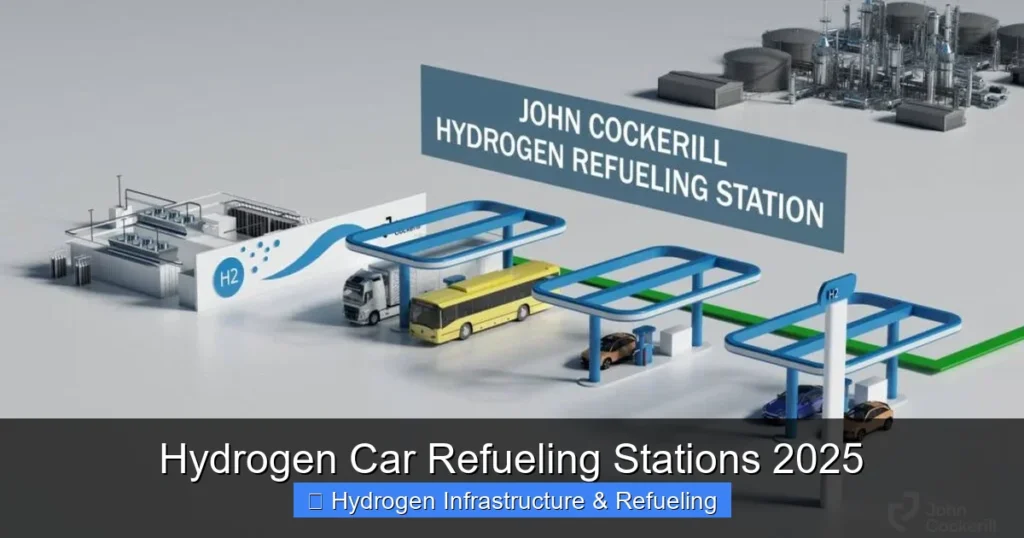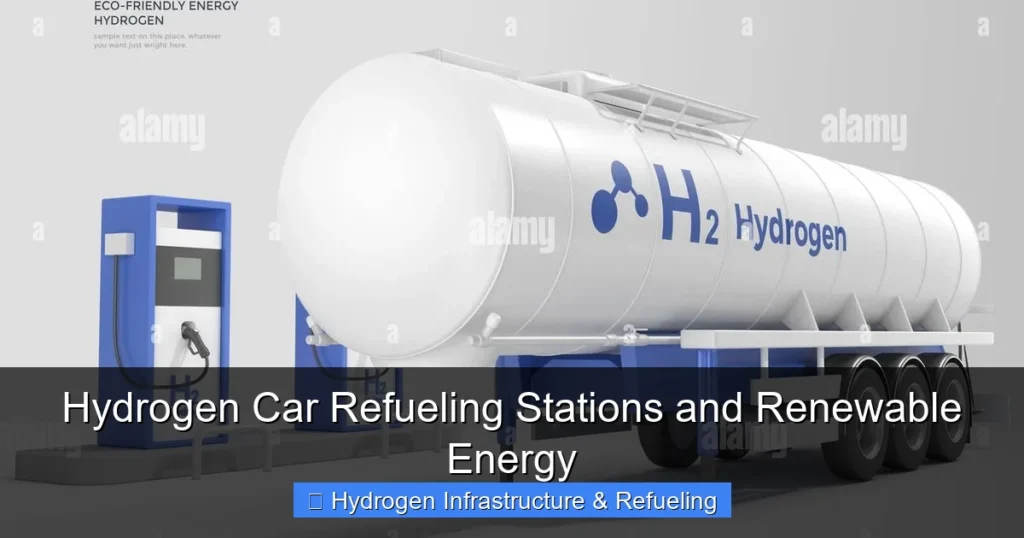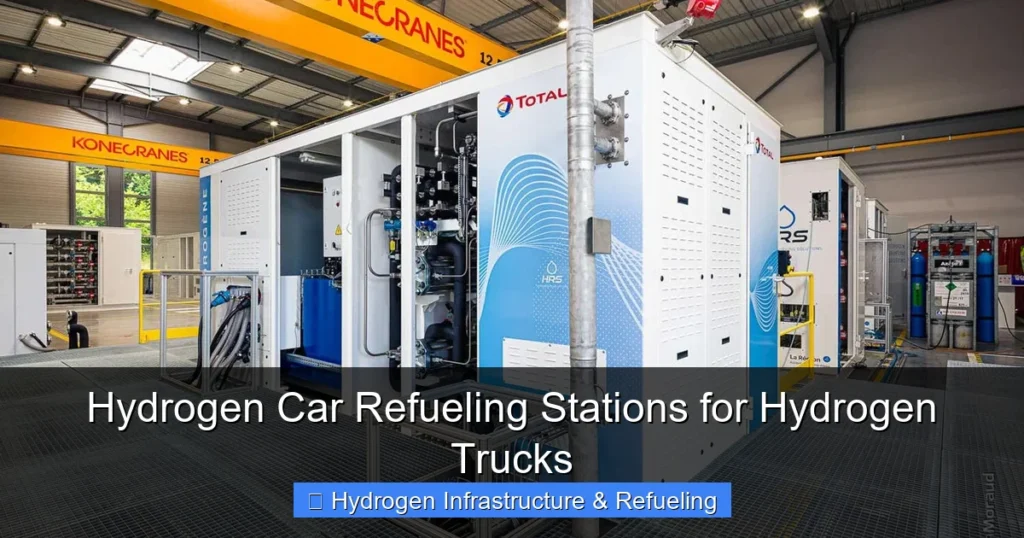
Hydrogen car refueling stations are evolving to meet the growing demand from hydrogen trucks, offering fast, clean fueling for heavy-duty transport. With governments and companies investing heavily in green infrastructure, these stations are becoming key players in the shift toward zero-emission freight and logistics.
Key Takeaways
- Hydrogen trucks need specialized refueling stations: Unlike passenger hydrogen cars, heavy-duty trucks require higher-capacity, faster-fueling infrastructure to support long-haul operations.
- Refueling speed rivals diesel: Modern hydrogen stations can refuel a truck in 10–15 minutes, making them competitive with traditional fueling methods.
- Green hydrogen is the goal: The most sustainable stations use hydrogen produced from renewable energy, reducing overall carbon emissions.
- Strategic placement is critical: Stations are being built along major freight corridors to support cross-country and regional trucking routes.
- Public and private partnerships drive growth: Governments and companies like Toyota, Nikola, and Shell are collaborating to expand the hydrogen refueling network.
- Safety and standards are well established: Hydrogen refueling follows strict international safety protocols, ensuring reliable and secure operations.
- The future is scalable: Modular station designs allow for easy expansion as demand for hydrogen trucks increases.
📑 Table of Contents
The Rise of Hydrogen Trucks and the Need for Dedicated Refueling
Imagine a world where long-haul trucks glide silently down highways, leaving behind nothing but water vapor. That future is closer than you think—thanks to hydrogen fuel cell technology. While electric batteries are making waves in passenger vehicles, hydrogen is emerging as the preferred zero-emission solution for heavy-duty trucks. Why? Because hydrogen offers high energy density, fast refueling, and the range needed for cross-country freight.
But here’s the catch: hydrogen trucks can’t run without hydrogen. And that means we need a robust network of hydrogen car refueling stations—specifically designed to handle the unique demands of trucks. These aren’t your average fuel pumps. They’re high-pressure, high-capacity systems built to deliver hydrogen safely and efficiently to vehicles that weigh up to 80,000 pounds.
The shift toward hydrogen trucks is being driven by climate goals, regulatory pressure, and corporate sustainability commitments. Companies like Amazon, Walmart, and UPS are investing in hydrogen fleets to cut emissions. Meanwhile, governments in the U.S., Europe, and Asia are offering incentives and funding to build out hydrogen infrastructure. The result? A growing network of refueling stations that are turning the dream of clean trucking into reality.
Why Hydrogen Trucks Need Specialized Stations
Hydrogen trucks aren’t just bigger versions of hydrogen cars—they have completely different refueling needs. A typical hydrogen car, like the Toyota Mirai, holds about 5–6 kg of hydrogen and can be refueled in 3–5 minutes. A hydrogen truck, on the other hand, may carry 30–50 kg or more to achieve a range of 500–700 miles. That’s a massive difference in volume and pressure.
To meet these demands, hydrogen car refueling stations for trucks must be equipped with high-flow dispensers, larger storage tanks, and advanced compression systems. They also need to operate at higher pressures—typically 350 bar (5,000 psi) for trucks, compared to 700 bar (10,000 psi) for cars. This lower pressure is actually beneficial for truck fleets, as it reduces wear on fueling components and improves safety.
Another key difference is location. While hydrogen cars are often refueled at urban stations near homes or offices, hydrogen trucks need stations along major freight routes—think interstate highways, distribution centers, and ports. These locations require larger plots of land, stronger utility connections, and 24/7 availability to support round-the-clock operations.
The Role of Refueling Speed in Fleet Operations
Time is money in the trucking industry. Every minute a truck spends at a depot or terminal is time it’s not earning revenue. That’s why refueling speed is a game-changer for hydrogen trucks. Unlike battery-electric trucks, which can take hours to recharge, hydrogen trucks can be refueled in just 10–15 minutes—comparable to diesel.
This fast turnaround makes hydrogen an attractive option for fleet operators who need to keep their trucks on the road. For example, a logistics company running a fleet of hydrogen trucks between Los Angeles and Las Vegas can refuel at a station in Barstow, California, and be back on the road in under 20 minutes. That’s a huge advantage over electric trucks, which might require a 2–3 hour charging stop.
To achieve this speed, hydrogen refueling stations use advanced dispensers with thermal management systems. These systems cool the hydrogen before it enters the tank, preventing overheating and allowing for faster, safer fueling. Some stations also use pre-cooled hydrogen stored at -40°C, which further reduces refueling time.
How Hydrogen Refueling Stations Work
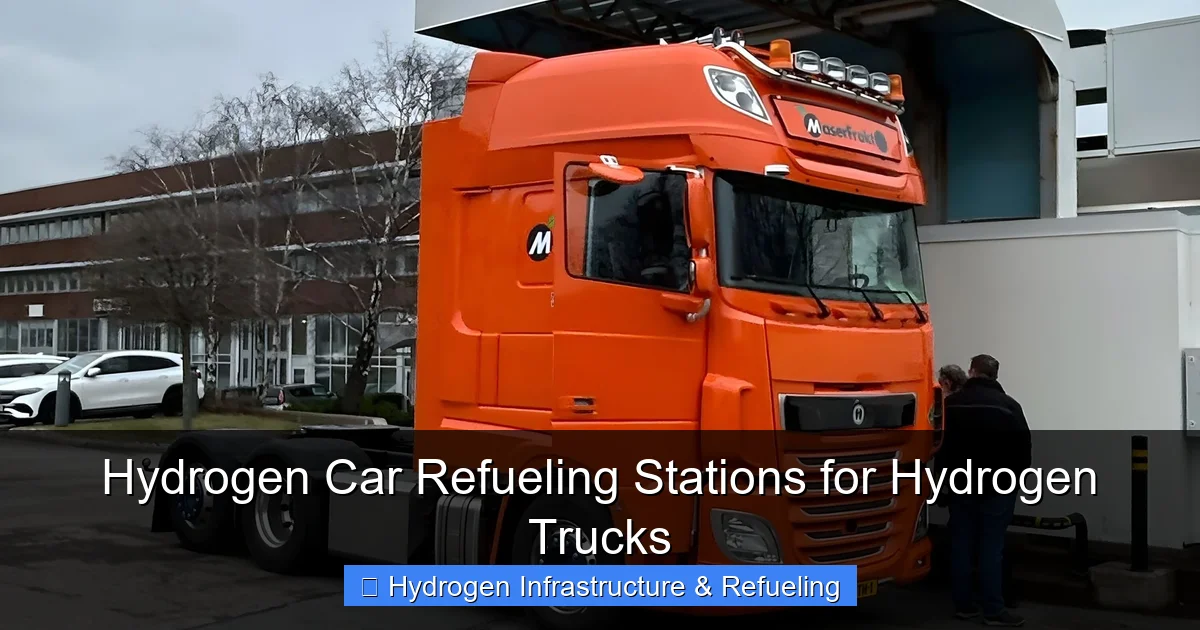
Visual guide about Hydrogen Car Refueling Stations for Hydrogen Trucks
Image source: img.fuelcellsworks.com
So, what exactly happens when a hydrogen truck pulls up to a refueling station? The process is surprisingly similar to filling up with diesel—but with some high-tech twists. Let’s walk through the steps.
First, the truck driver parks at the designated fueling bay and connects the dispenser nozzle to the vehicle’s fuel port. The system then performs a series of safety checks, including verifying the connection, checking for leaks, and confirming the tank’s pressure and temperature. Once everything is cleared, the station begins transferring hydrogen from its storage tanks to the truck.
The hydrogen is stored on-site in high-pressure tanks—usually at 450–900 bar—and then compressed and cooled before delivery. The dispenser meters the amount of hydrogen dispensed and stops automatically when the tank is full. The entire process is monitored in real time by the station’s control system, which logs data for billing and maintenance.
On-Site Production vs. Delivered Hydrogen
One of the biggest decisions in building a hydrogen refueling station is whether to produce hydrogen on-site or have it delivered by truck. Each option has pros and cons.
On-site production typically involves electrolysis—using electricity to split water into hydrogen and oxygen. If the electricity comes from renewable sources like solar or wind, the resulting “green hydrogen” is completely carbon-free. This method reduces transportation costs and emissions, but it requires a reliable power supply and significant upfront investment.
Delivered hydrogen, on the other hand, is produced at centralized plants and transported to the station in tube trailers. This is currently the most common method, especially in regions where renewable energy isn’t widely available. However, transportation adds cost and emissions, and stations must have space to store multiple trailers.
Many stations use a hybrid approach—producing some hydrogen on-site and supplementing with deliveries during peak demand. This flexibility helps ensure a steady supply, even during unexpected surges in usage.
Storage and Safety Systems
Hydrogen may be the lightest element, but it’s also highly flammable and requires careful handling. That’s why hydrogen refueling stations are equipped with multiple layers of safety systems.
Storage tanks are made from advanced composite materials that can withstand extreme pressures and temperatures. They’re also designed to vent safely in the event of a leak or overpressure. Sensors throughout the station monitor for hydrogen leaks, fire, and equipment malfunctions. If a problem is detected, the system can shut down automatically and alert operators.
Dispensers are equipped with breakaway couplings that disconnect safely if a truck drives away while still connected. They also have emergency stop buttons and fire suppression systems. And because hydrogen is odorless and colorless, stations often add a harmless odorant (similar to natural gas) to help detect leaks.
All of these systems are designed to meet strict international safety standards, such as those set by the Society of Automotive Engineers (SAE) and the International Organization for Standardization (ISO). Regular inspections and maintenance ensure that stations operate safely and reliably.
Global Expansion of Hydrogen Refueling Infrastructure
The hydrogen refueling network is growing fast—but it’s not evenly distributed. Some regions are leading the charge, while others are still in the early stages of development.
North America: Building Along the I-5 and I-10 Corridors
In the United States, California is the epicenter of hydrogen infrastructure. The state has over 50 hydrogen refueling stations, many of which are located along major freight routes like Interstate 5 and Interstate 10. These stations support both passenger vehicles and trucks, with several designed specifically for heavy-duty fleets.
One standout example is the Shell station in Wilmington, California, which opened in 2023. It’s one of the first in the U.S. to offer high-capacity hydrogen fueling for trucks, with two dispensers capable of refueling multiple vehicles simultaneously. The station uses green hydrogen produced from renewable energy and is part of a broader effort to decarbonize freight transport in the Los Angeles basin.
Other states, like Texas and New York, are also investing in hydrogen infrastructure. The U.S. Department of Energy’s H2@Scale initiative is funding pilot projects across the country, with a focus on integrating hydrogen into industrial and transportation sectors.
Europe: A Coordinated Push for Clean Freight
Europe is taking a more coordinated approach, with the European Union setting ambitious targets for hydrogen adoption. The EU’s Hydrogen Strategy aims to install at least 1,000 hydrogen refueling stations by 2030, with a strong emphasis on supporting trucks and buses.
Countries like Germany, France, and the Netherlands are leading the way. Germany’s H2 Mobility initiative has already deployed over 100 stations, many of which are located along the Autobahn and major freight corridors. These stations are designed to serve both cars and trucks, with some offering dual-pressure dispensers for flexibility.
In Scandinavia, companies like Hyundai and Nel Hydrogen are partnering with logistics firms to deploy hydrogen trucks and refueling stations. For example, a pilot project in Sweden is testing a fleet of hydrogen-powered trucks that refuel at a station powered entirely by wind energy.
Asia: Rapid Growth in China and Japan
Asia is home to some of the world’s largest hydrogen markets. Japan has been a pioneer in hydrogen technology for decades, with over 160 refueling stations—mostly serving passenger vehicles. But the country is now expanding its network to support trucks, particularly in urban delivery and port operations.
China is moving even faster. The government has set a goal of 1,000 hydrogen refueling stations by 2025, with a focus on heavy-duty transport. Cities like Beijing, Shanghai, and Guangzhou are building stations along major freight routes, and companies like Sinopec are investing billions in hydrogen production and distribution.
South Korea is also making strides, with Hyundai deploying its XCIENT Fuel Cell trucks across the country and building dedicated refueling infrastructure. The government offers generous subsidies for both vehicles and stations, accelerating adoption.
Challenges and Solutions in Building Hydrogen Infrastructure
Despite the progress, building a nationwide network of hydrogen refueling stations isn’t easy. Several challenges stand in the way—but innovative solutions are emerging.
High Upfront Costs
One of the biggest barriers is cost. A single hydrogen refueling station can cost between $1.5 million and $3 million, depending on size and technology. That’s significantly more than a gasoline station and even more than most electric charging hubs.
To address this, governments are offering grants, tax credits, and low-interest loans. In the U.S., the Inflation Reduction Act includes $8 billion for clean hydrogen projects, including refueling infrastructure. Similar programs exist in Europe and Asia.
Private companies are also stepping up. Shell, Air Liquide, and Toyota are investing in joint ventures to build and operate stations. These partnerships help share the financial risk and accelerate deployment.
Limited Demand and the “Chicken-and-Egg” Problem
Another challenge is the classic “chicken-and-egg” dilemma: stations won’t be built without trucks, and trucks won’t be bought without stations. This Catch-22 can slow adoption.
To break the cycle, some regions are using “anchor tenants”—large fleet operators who commit to using hydrogen trucks in exchange for guaranteed access to refueling. For example, a logistics company might agree to deploy 50 hydrogen trucks if a station is built near its distribution center.
Pilot programs and demonstration projects also help build momentum. By proving the technology works in real-world conditions, they encourage more investment and adoption.
Regulatory and Permitting Hurdles
Hydrogen refueling stations face complex regulations related to safety, zoning, and environmental impact. Permitting can take months or even years, delaying deployment.
To streamline the process, some governments are creating fast-track approval pathways for hydrogen infrastructure. California, for instance, has a dedicated Hydrogen Permitting Task Force that helps developers navigate regulations.
Standardization is also key. When all stations follow the same safety and performance standards, it’s easier to get approvals and ensure compatibility across vehicles and networks.
The Future of Hydrogen Refueling for Trucks
The future looks bright for hydrogen trucks and the refueling stations that support them. As technology improves and costs come down, we can expect to see a rapid expansion of the hydrogen network.
Modular and Mobile Stations
One exciting trend is the development of modular and mobile refueling stations. These compact units can be deployed quickly in remote or temporary locations, such as construction sites or event venues. They’re also ideal for testing new markets before committing to permanent infrastructure.
Some companies are even experimenting with mobile refuelers—trucks that carry hydrogen and can deliver it directly to fleets. This “fuel-on-demand” model could be especially useful for rural areas or emergency response.
Integration with Renewable Energy
The ultimate goal is to power hydrogen production with 100% renewable energy. Solar-powered electrolysis plants, wind-hydrogen hubs, and even offshore hydrogen production are all on the horizon.
Imagine a refueling station powered by a nearby wind farm, producing green hydrogen 24/7. That’s not science fiction—it’s already happening in places like Denmark and Australia.
Smart Stations and Digital Integration
The next generation of hydrogen refueling stations will be smarter and more connected. They’ll use AI to predict demand, optimize production, and manage maintenance. Drivers will be able to reserve fueling slots via apps, and fleets will integrate refueling data into their logistics platforms.
Some stations are even exploring vehicle-to-grid (V2G) capabilities, allowing trucks to feed excess energy back into the grid during peak demand.
Conclusion
Hydrogen car refueling stations are no longer a niche concept—they’re a critical piece of the clean transportation puzzle. As hydrogen trucks gain traction, the need for reliable, high-capacity refueling infrastructure will only grow. From fast fueling times to green hydrogen production, these stations are designed to meet the unique demands of heavy-duty transport.
While challenges remain, the momentum is undeniable. With support from governments, innovation from industry, and growing demand from fleets, the hydrogen refueling network is poised for rapid expansion. The road to zero-emission trucking is being paved—one hydrogen station at a time.
Frequently Asked Questions
How long does it take to refuel a hydrogen truck?
Most hydrogen trucks can be refueled in 10–15 minutes, similar to diesel. This fast turnaround makes hydrogen a practical option for long-haul and fleet operations.
Are hydrogen refueling stations safe?
Yes, hydrogen refueling stations follow strict international safety standards. They include leak detection, fire suppression, and automatic shut-off systems to ensure safe operation.
Can hydrogen trucks use the same stations as hydrogen cars?
Some stations are dual-use, but trucks often require higher-capacity dispensers and lower pressure (350 bar). Dedicated truck stations are being built to meet these needs.
Where are most hydrogen refueling stations located?
They’re concentrated in regions with strong policy support, like California, Germany, Japan, and China. Many are located along major freight corridors.
Is the hydrogen used in trucks green?
It depends on the station. Some use green hydrogen from renewables, while others rely on hydrogen produced from natural gas. The trend is shifting toward greener sources.
How much does it cost to build a hydrogen refueling station?
Costs range from $1.5 million to $3 million, depending on size and technology. Government grants and private investments are helping to offset these expenses.