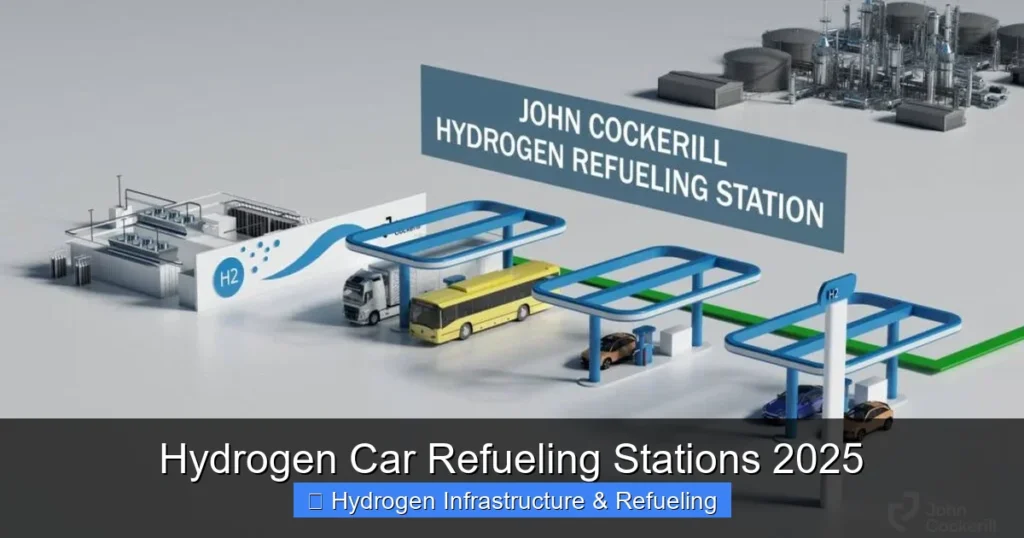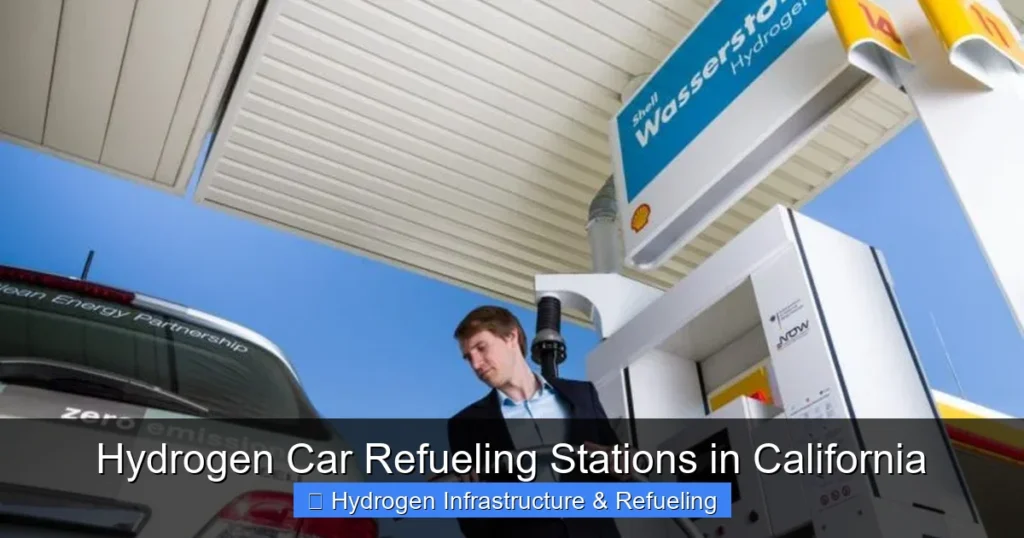
California is leading the U.S. in hydrogen vehicle adoption with over 60 operational refueling stations. These stations support zero-emission fuel cell vehicles like the Toyota Mirai and Hyundai NEXO.
Key Takeaways
- California has the most hydrogen refueling stations in the U.S.: With over 60 stations open and more in development, the state offers the most comprehensive hydrogen fueling network in the country.
- Hydrogen stations are concentrated in major metro areas: Most stations are located in Los Angeles, San Francisco, and San Diego, making them accessible for daily commuters and long-distance travelers.
- Refueling is fast and similar to gasoline: A hydrogen car can be refueled in 3–5 minutes, offering a familiar experience for drivers used to conventional vehicles.
- Government incentives support infrastructure growth: State programs like the Clean Transportation Program fund station construction and vehicle rebates to encourage adoption.
- Hydrogen fuel is produced from diverse sources: While some hydrogen comes from natural gas, California is increasing production from renewable sources like solar and wind.
- Fuel cell vehicles produce zero tailpipe emissions: The only byproduct of hydrogen-powered cars is water vapor, making them a clean alternative to gasoline and even battery-electric vehicles in certain use cases.
- Public-private partnerships drive innovation: Companies like Shell, Toyota, and FirstElement Fuel collaborate with the state to expand and maintain the hydrogen network.
[FEATURED_IMAGE_PLACEHOLDER]
Hydrogen Car Refueling Stations in California: The Future of Clean Driving
Imagine pulling up to a fueling station, connecting a nozzle, and filling your car with clean hydrogen in under five minutes. No long charging times. No range anxiety. Just a quiet, emissions-free ride powered by one of the most abundant elements in the universe. This isn’t science fiction—it’s happening right now in California.
The Golden State is at the forefront of the hydrogen revolution, building a robust network of hydrogen car refueling stations that support a growing fleet of fuel cell electric vehicles (FCEVs). From the sun-drenched highways of Southern California to the tech-savvy streets of the Bay Area, hydrogen infrastructure is quietly reshaping how we think about clean transportation.
Unlike battery-electric vehicles (BEVs), which rely on lengthy charging sessions, hydrogen-powered cars offer a refueling experience that feels familiar. Drivers can fill up in minutes, just like at a gas station, and travel hundreds of miles on a single tank. This makes hydrogen an attractive option for drivers who need quick turnaround times—think ride-share drivers, delivery fleets, or frequent road trippers.
But hydrogen isn’t just about convenience. It’s about sustainability. When hydrogen is produced using renewable energy, the entire lifecycle of the vehicle can be nearly emission-free. California is investing heavily in green hydrogen—hydrogen made from water and renewable electricity—to ensure that the fuel powering these cars is as clean as the air they emit.
Why California Leads in Hydrogen Infrastructure
California didn’t become the leader in hydrogen refueling by accident. It’s the result of decades of forward-thinking policy, strategic investment, and a commitment to reducing greenhouse gas emissions. The state has long recognized that achieving its climate goals requires more than just electrifying light-duty vehicles. Heavy-duty trucks, buses, and even industrial equipment need scalable, zero-emission solutions—and hydrogen is a key part of that puzzle.
One of the biggest drivers behind California’s hydrogen success is the California Air Resources Board (CARB). Through initiatives like the Zero-Emission Vehicle (ZEV) program, CARB has mandated that automakers sell an increasing number of clean vehicles, including FCEVs. This regulatory pressure has encouraged companies like Toyota, Hyundai, and Honda to bring hydrogen-powered models to market—and to support the infrastructure needed to fuel them.
But policy alone isn’t enough. Building hydrogen stations is expensive and technically complex. That’s where state funding comes in. The California Energy Commission’s Clean Transportation Program has invested hundreds of millions of dollars in hydrogen infrastructure. These funds help cover the high costs of station construction, which can range from $1 million to $3 million per location.
Private companies have also stepped up. FirstElement Fuel, a California-based company, operates the majority of the state’s hydrogen stations through its True Zero network. Shell has opened several hydrogen stations in partnership with automakers, and Toyota has invested directly in infrastructure to support its Mirai sedan. These collaborations ensure that stations are built where they’re needed most and maintained to high standards.
Strategic Placement for Maximum Impact
California’s hydrogen stations aren’t scattered randomly. They’re strategically located along major transportation corridors and in high-traffic urban areas. This ensures that drivers can refuel conveniently, whether they’re commuting to work or traveling across the state.
For example, the I-5 corridor between Los Angeles and San Francisco now has a continuous chain of hydrogen stations, making long-distance travel feasible. In Southern California, stations are concentrated in Los Angeles, Orange County, and San Diego—regions with high vehicle ownership and strong environmental awareness.
The Bay Area, home to Silicon Valley and a culture of innovation, has also embraced hydrogen. Cities like San Jose, Oakland, and Berkeley have multiple stations, often located near tech campuses, government buildings, and public transit hubs. This makes it easy for employees and residents to access hydrogen fuel without going out of their way.
Supporting a Growing Fleet of Fuel Cell Vehicles
The rise of hydrogen stations goes hand-in-hand with the increasing availability of fuel cell vehicles. Today, California drivers can choose from several FCEV models, including the Toyota Mirai, Hyundai NEXO, and the upcoming Honda Clarity Fuel Cell. These vehicles offer impressive ranges—often over 300 miles per fill-up—and deliver a smooth, quiet driving experience.
Automakers are also exploring hydrogen for larger vehicles. Toyota has tested hydrogen-powered trucks at the Port of Los Angeles, and companies like Kenworth and Nikola are developing hydrogen-fueled semis. As these heavy-duty applications grow, the demand for hydrogen infrastructure will expand beyond passenger cars.
How Hydrogen Refueling Works
If you’ve never seen a hydrogen car refuel, you might be curious about how it works. The process is surprisingly simple—and remarkably fast.
When you pull up to a hydrogen refueling station, you’ll see a dispenser that looks similar to a gasoline pump. You open the fuel door, remove the nozzle, and connect it to your vehicle’s fuel port. The system automatically checks for leaks and ensures a secure connection. Then, with the push of a button, hydrogen gas flows into your car’s high-pressure tank.
The entire process takes just 3 to 5 minutes—about the same time it takes to fill a gas tank. That’s a huge advantage over battery-electric vehicles, which can take 30 minutes to several hours to recharge, depending on the charger type.
High-Pressure Storage for Maximum Range
Hydrogen is stored in your car’s fuel tank at extremely high pressures—typically around 10,000 psi (pounds per square inch). This allows a large amount of hydrogen to be packed into a relatively small space, giving FCEVs their impressive range.
Modern hydrogen tanks are made from advanced composite materials that are both lightweight and incredibly strong. They’re designed to withstand crashes, punctures, and extreme temperatures. In fact, safety is a top priority in hydrogen vehicle design, and these tanks undergo rigorous testing to meet federal standards.
On-Site vs. Delivered Hydrogen
Not all hydrogen stations produce their own fuel. Some generate hydrogen on-site using electrolysis—a process that splits water into hydrogen and oxygen using electricity. If that electricity comes from solar or wind power, the hydrogen is considered “green” and has a very low carbon footprint.
Other stations receive hydrogen via truck from centralized production facilities. This hydrogen is often produced from natural gas through a process called steam methane reforming. While this method emits some carbon, it’s still cleaner than gasoline. California is working to transition more stations to renewable hydrogen sources to further reduce emissions.
Safety First: How Hydrogen Stations Stay Secure
Hydrogen is flammable, so safety is a major concern—but it’s also well understood and tightly regulated. Hydrogen stations are equipped with multiple safety systems, including leak detectors, automatic shut-off valves, and fire suppression systems.
Hydrogen is also lighter than air, so if a leak occurs, it quickly rises and disperses, reducing the risk of ignition. This is different from gasoline, which pools on the ground and can create a fire hazard.
Drivers don’t need special training to use hydrogen stations. The process is designed to be intuitive and safe for everyone. In fact, many stations have attendants or clear instructions to guide first-time users.
Where to Find Hydrogen Stations in California
With over 60 hydrogen refueling stations currently operating and more in development, California offers the most comprehensive hydrogen fueling network in the United States. But where exactly can you find them?
The best way to locate a station is through online tools and apps. The U.S. Department of Energy’s Alternative Fuels Data Center (AFDC) maintains a real-time map of hydrogen stations across the country. You can filter by state, city, or route to find the nearest location.
Another popular resource is the PlugShare app, which includes hydrogen stations alongside electric vehicle chargers. It shows station status (open, closed, out of service), payment options, and user reviews.
Top Regions for Hydrogen Refueling
Los Angeles County is the epicenter of hydrogen refueling in California. With more than 20 stations, it’s the most densely served area in the state. Stations are located in neighborhoods like West LA, Santa Monica, Long Beach, and Pasadena, making them accessible to a wide range of drivers.
The San Francisco Bay Area comes in second, with stations in cities like San Jose, Oakland, Berkeley, and Fremont. Many of these are located near tech companies, universities, and public transit centers, encouraging use among commuters and employees.
San Diego has a growing network of stations, particularly along the I-5 and I-15 corridors. These support both local drivers and travelers heading to or from Mexico.
Other regions with hydrogen stations include Sacramento, the Central Valley, and the Inland Empire. While coverage is less dense in rural areas, the state is working to expand access along major highways.
Planning a Road Trip? Use the Hydrogen Highway
California’s hydrogen infrastructure is designed to support long-distance travel. The so-called “Hydrogen Highway” connects key cities and regions, allowing drivers to travel from San Diego to San Francisco with confidence.
For example, a driver starting in San Diego can refuel in Irvine, Los Angeles, Santa Barbara, San Luis Obispo, and San Jose before reaching San Francisco. Each leg of the journey is within range of a hydrogen station, eliminating range anxiety.
Some stations even offer amenities like restrooms, convenience stores, and Wi-Fi, making them more than just fuel stops—they’re mini destinations.
Cost and Incentives for Hydrogen Drivers
One of the biggest questions drivers ask is: How much does it cost to fuel a hydrogen car?
Currently, hydrogen fuel costs around $12 to $16 per kilogram. Most FCEVs can travel about 60–70 miles per kilogram, so a full tank (around 5–6 kg) costs roughly $60 to $90 and delivers a range of 300–400 miles.
That’s more expensive than electricity for a BEV, but comparable to or slightly less than gasoline for a conventional car, depending on fuel prices.
State and Federal Incentives
To make hydrogen vehicles more affordable, California offers generous incentives. The Clean Vehicle Rebate Project (CVRP) provides rebates of up to $5,000 for new FCEV purchases. Low- and moderate-income buyers may qualify for an additional $2,500.
The federal government also offers a tax credit of up to $8,000 for hydrogen fuel cell vehicles, though this is subject to phase-out rules based on manufacturer sales.
Some automakers sweeten the deal by offering free hydrogen fuel for several years. For example, Toyota provides Mirai buyers with $15,000 worth of hydrogen fuel—enough for about three years of driving.
Is Hydrogen Cheaper Than Gasoline in the Long Run?
While hydrogen fuel is currently more expensive per mile than gasoline, the total cost of ownership can be lower when you factor in incentives, maintenance, and fuel savings.
FCEVs have fewer moving parts than internal combustion engines, so they require less maintenance. No oil changes, spark plugs, or exhaust systems to worry about. And with free fuel offers, many drivers end up paying very little for the first few years of ownership.
As hydrogen production scales up and renewable hydrogen becomes more common, fuel prices are expected to drop. Experts predict that green hydrogen could cost as little as $5 per kilogram by 2030, making it competitive with gasoline.
The Environmental Impact of Hydrogen in California
Hydrogen cars are often called “zero-emission” vehicles—and for good reason. The only thing that comes out of the tailpipe is water vapor. No carbon dioxide, no nitrogen oxides, no particulate matter.
But the environmental benefits depend on how the hydrogen is produced.
Green Hydrogen: The Cleanest Option
When hydrogen is made using renewable electricity to split water molecules, it’s called green hydrogen. This process produces no greenhouse gases and is the most sustainable form of hydrogen.
California is investing in green hydrogen projects across the state. For example, the HyDeal LA initiative aims to produce green hydrogen at scale using solar power. The goal is to make green hydrogen cost-competitive with fossil-based hydrogen by 2030.
Grey and Blue Hydrogen: A Step Forward
Most hydrogen today is “grey” hydrogen, produced from natural gas. This process emits carbon dioxide, but it’s still cleaner than gasoline when used in a fuel cell vehicle.
“Blue” hydrogen is similar, but the carbon emissions are captured and stored underground, reducing the overall environmental impact.
California is encouraging a transition from grey and blue to green hydrogen through regulations and incentives. The state’s goal is to produce 25 gigawatts of green hydrogen by 2045.
Comparing Hydrogen to Battery Electric Vehicles
Both hydrogen and battery-electric vehicles are zero-emission at the tailpipe, but they have different strengths.
BEVs are more energy-efficient—about 77% of the electricity used to charge them powers the wheels. Hydrogen vehicles are less efficient, with only about 30–40% of the original energy making it to the wheels, due to losses in production, compression, and conversion.
However, hydrogen has advantages in weight, refueling time, and range—especially for heavy-duty vehicles. For long-haul trucks, buses, and industrial equipment, hydrogen may be the better zero-emission solution.
The Future of Hydrogen Refueling in California
The future looks bright for hydrogen in California. The state has set ambitious goals to expand its hydrogen infrastructure and support a clean transportation revolution.
By 2030, California aims to have 200 hydrogen refueling stations and 1 million zero-emission vehicles on the road. The California Energy Commission is funding new stations in underserved areas, including rural communities and disadvantaged neighborhoods.
New technologies are also on the horizon. Mobile hydrogen refuelers—trucks that can deliver hydrogen directly to vehicles—could help fill gaps in the network. And advances in electrolysis and renewable energy could make green hydrogen cheaper and more widely available.
Challenges Ahead
Despite the progress, challenges remain. Hydrogen production is still expensive, and the supply chain is limited. Building stations requires significant investment and regulatory approval. And public awareness of hydrogen vehicles is still low compared to electric cars.
But with continued support from government, industry, and consumers, California is well-positioned to overcome these hurdles.
A Model for the Nation
California’s hydrogen network is a model for other states and countries. Its success shows that with the right policies, funding, and partnerships, a clean fueling infrastructure can be built from the ground up.
As more drivers experience the convenience and performance of hydrogen cars, demand will grow—and with it, the network of refueling stations.
Conclusion
Hydrogen car refueling stations in California are more than just fuel stops—they’re symbols of innovation, sustainability, and progress. With over 60 stations and counting, the state offers the most advanced hydrogen infrastructure in the U.S., supporting a growing fleet of clean, high-performance vehicles.
From fast refueling times to zero tailpipe emissions, hydrogen-powered cars offer a compelling alternative to gasoline and even battery-electric vehicles in certain applications. And with strong government support, private investment, and a commitment to green hydrogen, California is paving the way for a cleaner transportation future.
Whether you’re a daily commuter, a road trip enthusiast, or a fleet manager, hydrogen refueling is becoming a practical and eco-friendly option. The next time you’re in California, keep an eye out for the hydrogen pump—it might just be the future of driving.
FAQs
How many hydrogen refueling stations are in California?
As of 2024, California has over 60 operational hydrogen refueling stations, with more under construction. This is the largest network in the United States.
How long does it take to refuel a hydrogen car?
Refueling a hydrogen car takes just 3 to 5 minutes, similar to filling up a gasoline vehicle. This is much faster than charging a battery-electric car.
Where can I find a hydrogen station in California?
You can find hydrogen stations using the U.S. Department of Energy’s Alternative Fuels Data Center map or apps like PlugShare. Most stations are in Los Angeles, San Francisco, and San Diego.
Is hydrogen fuel expensive?
Hydrogen fuel currently costs about $12–$16 per kilogram, which is more than electricity but comparable to gasoline. Incentives and free fuel offers can reduce the cost for new buyers.
Are hydrogen cars safe?
Yes, hydrogen cars are designed with multiple safety features, including strong composite tanks and leak detection systems. Hydrogen disperses quickly if released, reducing fire risk.
What vehicles can use hydrogen refueling stations?
Currently, the Toyota Mirai, Hyundai NEXO, and Honda Clarity Fuel Cell are available in California. Heavy-duty trucks and buses are also beginning to use hydrogen fuel.
This is a comprehensive guide about Hydrogen car refueling stations in California.
Key Takeaways
- Understanding Hydrogen car refueling stations in California: Provides essential knowledge
Frequently Asked Questions
What is Hydrogen car refueling stations in California?
Hydrogen car refueling stations in California is an important topic with many practical applications.