Maintaining a hydrogen fuel cell SUV is simpler than you think—but it requires specific care to ensure peak performance, safety, and longevity. From monitoring the fuel cell stack to checking hydrogen tanks and cooling systems, a few routine steps go a long way in preserving your vehicle’s efficiency and environmental benefits.
Key Takeaways
- Regular inspections of the hydrogen storage system are critical for safety and performance, including checking for leaks and tank integrity.
- The fuel cell stack needs proper cooling and moisture control to operate efficiently and avoid degradation over time.
- Battery and electrical components require routine checks, as they support the fuel cell and power auxiliary systems.
- Using high-quality hydrogen fuel from certified stations prevents contamination and protects internal components.
- Software updates and diagnostic scans help maintain optimal system performance and catch issues early.
- Tire and brake maintenance is still essential, even in eco-friendly vehicles, for safety and energy efficiency.
- Professional servicing by trained technicians ensures compliance with safety standards and warranty requirements.
📑 Table of Contents
- Introduction to Hydrogen Fuel Cell SUVs
- Understanding the Core Components of a Hydrogen Fuel Cell SUV
- Routine Maintenance: What You Need to Do Regularly
- Hydrogen Fuel Quality and Refueling Best Practices
- Professional Servicing and Diagnostic Checks
- Battery and Electrical System Care
- Tire, Suspension, and Exterior Maintenance
- Conclusion: Keeping Your Hydrogen SUV in Top Shape
Introduction to Hydrogen Fuel Cell SUVs
Hydrogen fuel cell SUVs represent the next frontier in clean transportation. These vehicles combine the spaciousness and power of traditional SUVs with zero-emission technology, offering a sustainable alternative to gasoline and even battery-electric vehicles. Instead of relying solely on heavy lithium-ion batteries, hydrogen SUVs generate electricity on-board through a chemical reaction between hydrogen and oxygen—producing only water vapor as a byproduct. This makes them an attractive option for drivers who want long range, quick refueling, and minimal environmental impact.
But while hydrogen fuel cell technology is advanced, it’s not maintenance-free. Unlike conventional engines, these vehicles rely on a complex network of high-pressure systems, sensitive electronics, and precision components. That’s why understanding hydrogen fuel cell SUV maintenance tips is essential for owners who want to get the most out of their investment. With the right care, these vehicles can deliver reliable performance for over a decade, all while reducing your carbon footprint.
Understanding the Core Components of a Hydrogen Fuel Cell SUV
Before diving into maintenance, it helps to know what makes a hydrogen fuel cell SUV tick. At the heart of the vehicle is the fuel cell stack, where hydrogen from the onboard tanks reacts with oxygen from the air to produce electricity. This electricity powers the electric motor and charges a small auxiliary battery. Unlike battery-electric vehicles, which store all their energy in a large battery, hydrogen SUVs generate power as needed—similar to how a gas engine works, but without combustion.
The Hydrogen Storage System
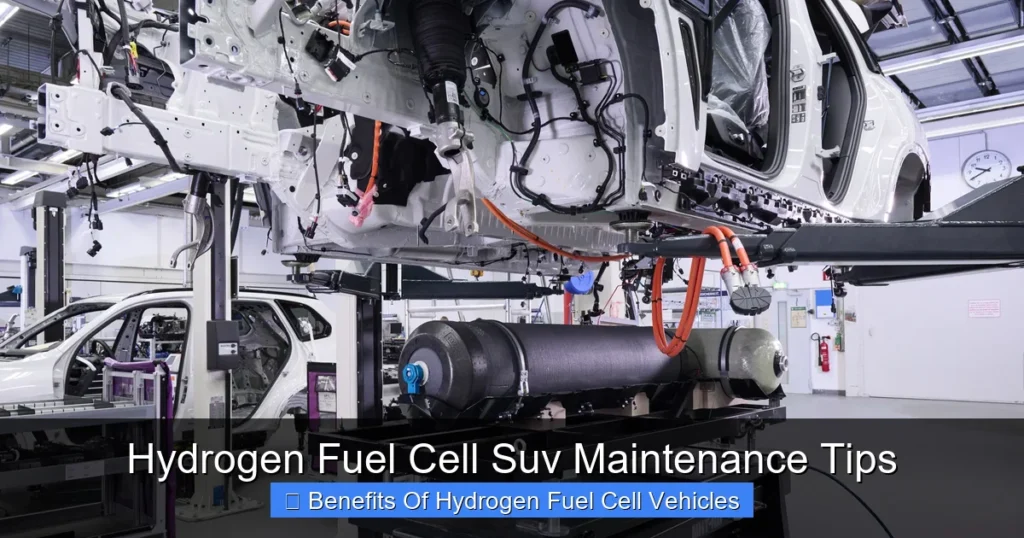
Hydrogen is stored in high-pressure tanks, typically made of carbon fiber composite materials to withstand pressures up to 700 bar (10,000 psi). These tanks are designed to be extremely safe, with multiple layers and built-in safety valves. However, they still require regular inspection for signs of damage, corrosion, or wear. Even minor dents or scratches can compromise integrity over time, so visual checks during routine maintenance are crucial.
The Fuel Cell Stack
The fuel cell stack is the engine of the hydrogen SUV. It consists of hundreds of individual fuel cells layered together, each containing a membrane that allows protons to pass through while blocking electrons—creating an electric current. This process generates heat and water, both of which must be managed carefully. If the stack overheats or becomes too dry, performance drops and long-term damage can occur. That’s why cooling and humidity control systems are vital.
Electric Motor and Auxiliary Battery
Like any electric vehicle, hydrogen SUVs use an electric motor for propulsion. They also have a small lithium-ion or nickel-metal hydride battery that stores excess energy and powers accessories when the fuel cell isn’t active. This battery still needs monitoring, as it supports regenerative braking and startup functions. While it doesn’t require the same level of care as a full EV battery, checking its health during service visits is important.
Routine Maintenance: What You Need to Do Regularly
Maintaining a hydrogen fuel cell SUV isn’t drastically different from caring for a conventional car—just with a few unique twists. Most tasks can be handled by the owner, while others should be left to certified technicians. The key is consistency and attention to detail.
Monthly Checks You Can Do Yourself
Start with simple visual inspections. Walk around your SUV and look for any signs of damage to the body, especially near the hydrogen tanks (usually located under the floor or in the rear). Check for leaks—though hydrogen is odorless, stations add a scentant similar to rotten eggs so leaks can be detected. If you smell sulfur-like odors near the vehicle, stop using it and contact a service center immediately.
Also, inspect the tires. Proper inflation improves efficiency and safety. Underinflated tires increase rolling resistance, which means the fuel cell has to work harder. Use a reliable tire pressure gauge and adjust according to the manufacturer’s recommendations, usually found on a sticker inside the driver’s door.
Brake System Maintenance
Hydrogen SUVs use regenerative braking to recapture energy, which reduces wear on brake pads. However, the mechanical brakes still need attention. Listen for squeaking or grinding noises, and have the brake fluid checked annually. Contaminated or low brake fluid can lead to reduced stopping power and corrosion in the system.
Tip: If you drive in hilly or stop-and-go traffic, your brakes may wear faster. Consider having them inspected every 10,000 to 15,000 miles, even if they seem fine.
Cooling System Care
The fuel cell stack generates significant heat and relies on a dedicated cooling system to stay within optimal temperature ranges. This system uses a special coolant that’s different from traditional engine coolant. Check the coolant level regularly—usually through a translucent reservoir—and top it off only with the manufacturer-recommended fluid.
Never mix coolants. Using the wrong type can cause chemical reactions that damage seals and reduce efficiency. If you notice the temperature gauge climbing higher than normal, or if the vehicle warns of overheating, pull over safely and contact service. Overheating can permanently damage the fuel cell stack.
Hydrogen Fuel Quality and Refueling Best Practices
One of the most overlooked aspects of hydrogen SUV maintenance is the quality of the fuel itself. Unlike gasoline, which is highly regulated and consistent, hydrogen can vary in purity depending on the production method and storage conditions. Impurities like moisture, nitrogen, or trace hydrocarbons can contaminate the fuel cell and reduce its lifespan.
Choose Certified Hydrogen Stations
Always refuel at stations certified by organizations like the Society of Automotive Engineers (SAE) or the International Organization for Standardization (ISO). These stations follow strict protocols to ensure hydrogen meets purity standards (typically 99.97% pure or higher). Avoid makeshift or unverified refueling sources, as they may deliver contaminated gas.
Example: In California, where most hydrogen stations are located, the California Air Resources Board (CARB) oversees fuel quality. Look for CARB-compliant stations on apps like Hydrogen Fuel Cell Partnership or PlugShare.
Refueling Tips for Longevity
When refueling, follow the station’s instructions carefully. Most hydrogen SUVs have a nozzle that locks into place and automatically stops when the tank is full. Don’t force the connection or try to override the system. Overfilling can cause pressure spikes that stress the tanks and valves.
Also, avoid refueling in extreme temperatures. Very cold or hot conditions can affect hydrogen density and pressure readings, leading to inaccurate fills. If possible, refuel during mild weather or in shaded areas.
Monitor Fuel Usage Patterns
Keep an eye on your fuel consumption. If you notice a sudden drop in range or frequent need to refuel, it could indicate a leak, a problem with the fuel cell, or contamination. Use the vehicle’s onboard diagnostics to track efficiency and report anomalies to your service provider.
Professional Servicing and Diagnostic Checks
While many maintenance tasks can be done at home, some require specialized tools and training. Hydrogen systems operate under high pressure and involve sensitive electronics, so professional servicing is not just recommended—it’s often required to maintain your warranty.
Annual Inspections by Certified Technicians
Schedule a comprehensive inspection at least once a year with a technician trained in hydrogen fuel cell systems. These professionals will perform a full diagnostic scan using OEM software to check the fuel cell stack, hydrogen sensors, pressure regulators, and electrical connections.
They’ll also test for hydrogen leaks using electronic sniffers or helium leak detection methods. Even tiny leaks can be dangerous over time, so this step is non-negotiable. The technician will also inspect the high-pressure lines, valves, and tank mounts for signs of wear or loosening.
Software Updates and System Calibration
Like modern smartphones, hydrogen SUVs rely on software to manage performance, safety, and efficiency. Manufacturers regularly release updates that improve fuel cell management, fix bugs, or enhance diagnostics. These updates are usually delivered via over-the-air (OTA) connections or during service visits.
Don’t ignore update notifications. Outdated software can lead to suboptimal performance, reduced range, or even safety risks. For example, a 2022 update for the Toyota Mirai improved cold-weather startup by optimizing humidity control in the fuel cell stack.
Fuel Cell Stack Health Monitoring
Over time, the fuel cell stack can degrade due to factors like humidity fluctuations, contamination, or thermal cycling. Technicians can measure stack voltage, resistance, and efficiency to assess its condition. If performance drops below a certain threshold, the stack may need cleaning, reconditioning, or replacement.
Tip: Keep a maintenance log. Record service dates, fuel cell readings, and any issues you’ve noticed. This helps technicians spot trends and make informed decisions.
Battery and Electrical System Care
Even though hydrogen SUVs generate their own electricity, they still rely on a small auxiliary battery to start the system and power accessories. This battery is typically a 12-volt lead-acid or lithium-ion unit, similar to those in conventional cars.
Checking the Auxiliary Battery
Test the battery voltage regularly using a multimeter. A healthy 12-volt battery should read around 12.6 volts when the vehicle is off and 13.7 to 14.7 volts when running. If the voltage drops below 12.4 volts, the battery may be weak and need replacement.
Also, inspect the battery terminals for corrosion. Clean them with a baking soda and water solution if you see white or green buildup. Corroded terminals can cause starting issues and electrical faults.
Electrical Connections and Wiring
The electrical system in a hydrogen SUV is more complex than in a gas-powered vehicle, with high-voltage cables, sensors, and control modules. Loose or damaged wiring can cause malfunctions or safety hazards. During service, technicians will check all connections for tightness and insulation integrity.
Owner tip: Avoid aftermarket modifications that tap into the electrical system. These can interfere with fuel cell operation and void your warranty.
Regenerative Braking System
Regenerative braking captures kinetic energy during deceleration and feeds it back into the auxiliary battery. This system reduces wear on mechanical brakes and improves efficiency. However, if the battery is old or damaged, regenerative braking may be less effective.
If you notice reduced braking performance or a warning light, have the system checked. Sometimes, a simple software reset or battery replacement resolves the issue.
Tire, Suspension, and Exterior Maintenance
While the powertrain is high-tech, the rest of the vehicle still needs traditional care. Tires, suspension, and body components affect safety, comfort, and efficiency—even in a zero-emission SUV.
Tire Rotation and Alignment
Rotate your tires every 6,000 to 8,000 miles to ensure even wear. Front tires typically wear faster due to steering and braking forces. Misaligned wheels can cause uneven tread wear and reduce fuel efficiency.
Check alignment if you notice the vehicle pulling to one side or if the steering wheel is off-center when driving straight. Poor alignment increases rolling resistance, forcing the fuel cell to work harder.
Suspension System Checks
The suspension absorbs shocks and keeps the tires in contact with the road. Worn shocks or struts can lead to a rough ride and reduced control. Listen for clunking noises over bumps or excessive bouncing after hitting a pothole.
Hydrogen SUVs are often heavier than gas-powered models due to the tanks and fuel cell components. This extra weight puts more stress on suspension parts, so inspections should be done more frequently—every 15,000 miles or so.
Exterior and Paint Care
Protect your SUV’s exterior to maintain resale value and prevent rust. Wash the vehicle regularly, especially in winter when road salt is used. Pay attention to the undercarriage, where hydrogen lines and tanks are located.
Use wax or sealant to protect the paint from UV damage and environmental contaminants. For SUVs with panoramic roofs or large glass surfaces, clean the glass to maintain visibility and reduce glare.
Conclusion: Keeping Your Hydrogen SUV in Top Shape
Owning a hydrogen fuel cell SUV is a forward-thinking choice that combines environmental responsibility with modern performance. But like any advanced technology, it requires informed care to deliver on its promises. By following these hydrogen fuel cell SUV maintenance tips—from routine checks and fuel quality awareness to professional servicing and software updates—you can ensure your vehicle remains safe, efficient, and reliable for years to come.
Remember, the goal isn’t just to keep the car running—it’s to maximize its lifespan, protect your investment, and contribute to a cleaner future. With a little attention and the right habits, your hydrogen SUV will continue to turn heads and zero emissions, mile after mile.
Frequently Asked Questions
How often should I service my hydrogen fuel cell SUV?
Most manufacturers recommend a full service every 12 months or 10,000 to 15,000 miles, whichever comes first. This includes diagnostic scans, hydrogen system checks, and software updates.
Can I perform maintenance on the hydrogen system myself?
Basic visual checks and tire maintenance are safe for owners, but any work involving high-pressure hydrogen components should be done by certified technicians to ensure safety and warranty compliance.
What happens if there’s a hydrogen leak?
Hydrogen is highly flammable, but modern SUVs have multiple safety systems, including leak detectors and automatic shutoff valves. If a leak is suspected, stop using the vehicle and contact emergency services or your dealer immediately.
Does cold weather affect hydrogen fuel cell performance?
Yes, cold temperatures can reduce efficiency and make startup more difficult. Preconditioning the vehicle while plugged in and using manufacturer-recommended coolants can help mitigate these effects.
How long does a hydrogen fuel cell stack last?
With proper maintenance, a fuel cell stack can last 10 to 15 years or more. Degradation depends on usage patterns, fuel quality, and environmental conditions.
Are hydrogen SUVs more expensive to maintain than electric or gas vehicles?
Maintenance costs are generally comparable to battery-electric vehicles and lower than gas-powered SUVs over time, due to fewer moving parts and no oil changes—though specialized servicing can be pricier.