Hydrogen fuel cell SUVs are emerging as a sustainable alternative to gas and electric vehicles, offering zero emissions and quick refueling. With major automakers investing in this technology, several exciting models are now hitting the market—each combining power, range, and environmental benefits.
Key Takeaways
- Zero tailpipe emissions: Hydrogen fuel cell SUVs only emit water vapor, making them ideal for eco-conscious drivers.
- Fast refueling: Unlike battery EVs, hydrogen SUVs can be refueled in under 10 minutes, similar to gasoline vehicles.
- Long driving range: Many hydrogen SUVs offer 300–400 miles per tank, outperforming most electric SUVs.
- Quiet and smooth ride: These vehicles operate silently with instant torque, delivering a premium driving experience.
- Growing infrastructure: While still limited, hydrogen refueling stations are expanding, especially in California and parts of Europe.
- Government incentives: Buyers may qualify for tax credits and rebates, reducing the upfront cost of hydrogen SUVs.
- Future-ready technology: As green hydrogen production grows, these SUVs will become even cleaner and more sustainable.
📑 Table of Contents
- Hydrogen Fuel Cell SUV Models to Look Out For
- Why Hydrogen Fuel Cell SUVs Are Gaining Popularity
- Top Hydrogen Fuel Cell SUV Models Available Now
- Upcoming Hydrogen SUVs to Watch
- Benefits of Driving a Hydrogen Fuel Cell SUV
- Challenges and Considerations
- The Future of Hydrogen SUVs
- Is a Hydrogen Fuel Cell SUV Right for You?
- Conclusion
Hydrogen Fuel Cell SUV Models to Look Out For
Imagine driving a spacious, powerful SUV that doesn’t pollute the air—no exhaust fumes, no charging anxiety, and no long waits at the pump. That’s the promise of hydrogen fuel cell SUVs. These futuristic vehicles are quietly gaining momentum as a clean, efficient alternative to traditional gas-powered and even battery-electric SUVs. While electric vehicles (EVs) have dominated the green car conversation, hydrogen-powered models are stepping into the spotlight with impressive performance, long range, and rapid refueling.
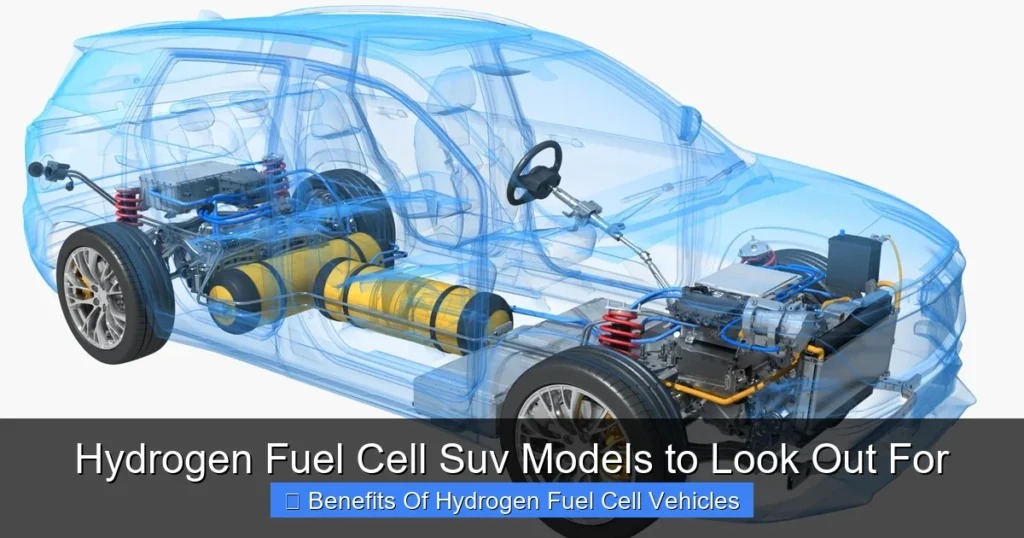
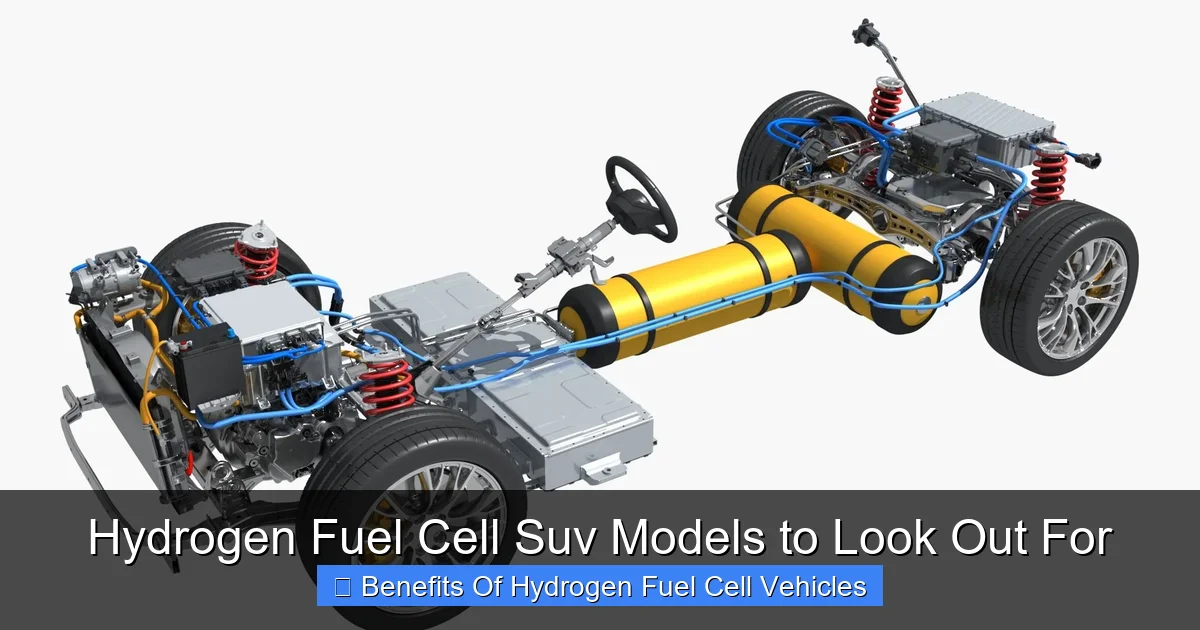
Hydrogen fuel cell technology works by combining hydrogen from the vehicle’s tank with oxygen from the air to produce electricity, which powers the motor. The only byproduct? Pure water. This means you can drive hundreds of miles on a single tank, refuel in minutes, and never worry about plugging in overnight. For families, adventurers, and daily commuters alike, hydrogen SUVs offer a compelling blend of practicality and sustainability.
The market for hydrogen fuel cell SUVs is still emerging, but several automakers are leading the charge. From luxury brands to mainstream manufacturers, the lineup of available and upcoming models is growing. In this article, we’ll explore the top hydrogen fuel cell SUV models to watch, their benefits, real-world performance, and what the future holds for this promising technology.
Why Hydrogen Fuel Cell SUVs Are Gaining Popularity
Visual guide about Hydrogen Fuel Cell Suv Models to Look Out For
Image source: p.turbosquid.com
Hydrogen fuel cell SUVs are more than just a niche curiosity—they represent a real shift in how we think about clean transportation. While battery-electric vehicles (BEVs) have made great strides, they come with limitations: long charging times, range anxiety, and strain on the electrical grid. Hydrogen SUVs solve many of these problems with a different approach to clean energy.
One of the biggest advantages is refueling speed. A hydrogen SUV can be filled up in under 10 minutes, just like a gasoline vehicle. Compare that to the 30 minutes or more it can take to fast-charge an electric SUV—even under ideal conditions. For road trips or busy schedules, this is a game-changer.
Another major benefit is range. Most hydrogen SUVs offer between 300 and 400 miles on a single tank, which is competitive with or better than many electric SUVs. This makes them ideal for long-distance travel, especially in areas where charging infrastructure is sparse.
Hydrogen SUVs also deliver a smooth, quiet ride. Because they use electric motors powered by fuel cells, they offer instant torque and whisper-quiet operation. You get the performance of an EV with the convenience of a gas car—minus the emissions.
Environmental impact is another key factor. While the production of hydrogen can vary in cleanliness, “green hydrogen”—made using renewable energy—is becoming more common. When powered by green hydrogen, these SUVs offer a truly carbon-neutral driving experience.
Finally, government support is helping drive adoption. In the U.S., California offers rebates and tax incentives for hydrogen vehicle purchases. Similar programs exist in Europe and Asia, making these vehicles more accessible.
Top Hydrogen Fuel Cell SUV Models Available Now
Several hydrogen fuel cell SUVs are already on the market, offering real-world performance and reliability. These models are paving the way for broader adoption and setting the standard for what’s possible.
Toyota Mirai SUV (Upcoming)
While the Toyota Mirai has been available as a sedan since 2015, Toyota is expected to launch a hydrogen-powered SUV version in the near future. Based on the brand’s commitment to hydrogen technology, this model will likely feature a spacious interior, advanced safety systems, and a range of over 400 miles. Toyota’s reputation for reliability and its extensive hydrogen infrastructure partnerships make this a model to watch.
Hyundai NEXO
The Hyundai NEXO is currently one of the most advanced hydrogen fuel cell SUVs on the road. Available in select markets like California, the NEXO offers a sleek design, premium interior, and cutting-edge technology. It delivers an EPA-estimated range of up to 380 miles—among the best in the class. The NEXO also features advanced driver-assistance systems, a solar roof option, and a quiet, smooth ride. Hyundai has been a pioneer in hydrogen technology, and the NEXO showcases the brand’s engineering excellence.
BMW iX5 Hydrogen (Limited Availability)
BMW has entered the hydrogen space with the iX5 Hydrogen, a luxury SUV based on the popular X5 platform. While not yet widely available, the iX5 Hydrogen is being tested in select regions and offers a glimpse into the future of premium hydrogen vehicles. It combines BMW’s signature driving dynamics with zero-emission technology. The iX5 Hydrogen features a dual hydrogen tank system, delivering over 300 miles of range. BMW is positioning this model as a high-performance alternative to battery EVs, with fast refueling and a refined driving experience.
Upcoming Hydrogen SUVs to Watch
The future of hydrogen SUVs looks bright, with several exciting models in development. Automakers are investing heavily in hydrogen technology, and new vehicles are expected to hit the market in the coming years.
Honda CR-V Fuel Cell (Expected 2024–2025)
Honda has announced plans to launch a hydrogen-powered version of its popular CR-V SUV. This model is expected to combine the practicality and reliability of the standard CR-V with the clean efficiency of a fuel cell. Honda has been a long-time supporter of hydrogen technology and is working to expand refueling infrastructure. The CR-V Fuel Cell will likely offer a range of 300+ miles and be available in select markets, including California and parts of Europe.
Mercedes-Benz GLC F-CELL (Future Model)
Mercedes-Benz has previously tested the GLC F-CELL, a plug-in hybrid hydrogen SUV that combines a fuel cell with a battery. While not currently in production, the brand has signaled interest in bringing a next-generation hydrogen SUV to market. The GLC F-CELL offered both hydrogen and electric range, providing flexibility for drivers. A future version could feature improved efficiency, longer range, and luxury features expected from Mercedes.
General Motors Hydrotec Platform (Multiple Models)
General Motors is not building a single hydrogen SUV but is developing a modular Hydrotec fuel cell platform that could power a range of vehicles—including SUVs. GM has partnered with Honda and other companies to advance hydrogen technology. While specific models haven’t been announced, GM’s platform could lead to hydrogen-powered versions of popular SUVs like the Chevrolet Tahoe or GMC Yukon. This scalable approach could make hydrogen SUVs more affordable and widely available.
Benefits of Driving a Hydrogen Fuel Cell SUV
Choosing a hydrogen fuel cell SUV comes with a host of advantages that go beyond just being eco-friendly. These vehicles offer a unique blend of performance, convenience, and sustainability.
Zero Tailpipe Emissions
The most obvious benefit is environmental. Hydrogen fuel cell SUVs produce no harmful emissions—only water vapor exits the tailpipe. This makes them ideal for reducing air pollution in cities and helping combat climate change. For drivers who want to minimize their carbon footprint, hydrogen SUVs are a powerful choice.
Quick and Convenient Refueling
One of the biggest drawbacks of electric vehicles is charging time. Even with fast chargers, it can take 30 minutes or more to get a significant charge. Hydrogen SUVs can be refueled in under 10 minutes, just like filling up a gas tank. This makes them perfect for road trips, busy families, or anyone who values their time.
Long Driving Range
Most hydrogen SUVs offer a range of 300 to 400 miles on a single tank. This is competitive with gasoline vehicles and often exceeds the range of many electric SUVs. You can drive from Los Angeles to San Francisco on one tank—no need to stop and wait.
Smooth and Quiet Performance
Hydrogen SUVs use electric motors powered by fuel cells, so they deliver instant torque and a whisper-quiet ride. There’s no engine noise, no gear shifts, and no vibration. It’s a serene driving experience that rivals the best luxury vehicles.
Reduced Dependence on Rare Materials
Unlike battery EVs, which rely on lithium, cobalt, and nickel, hydrogen fuel cells use more abundant materials. This reduces environmental and ethical concerns related to mining. While hydrogen production has its own challenges, the overall supply chain is less resource-intensive.
Government Incentives and Support
Many governments offer financial incentives for hydrogen vehicle purchases. In California, buyers can receive rebates of up to $5,000. Federal tax credits may also apply. These incentives help offset the higher upfront cost of hydrogen SUVs.
Challenges and Considerations
Despite their many benefits, hydrogen fuel cell SUVs face some challenges that buyers should be aware of.
Limited Refueling Infrastructure
The biggest hurdle is the lack of hydrogen stations. As of 2024, there are fewer than 100 public hydrogen stations in the U.S., mostly in California. This makes long-distance travel difficult outside of certain regions. However, infrastructure is slowly expanding, with new stations planned in the Northeast and Midwest.
Higher Upfront Cost
Hydrogen SUVs are currently more expensive than comparable gas or electric models. The Hyundai NEXO, for example, starts around $60,000. While incentives help, the price remains a barrier for many buyers. As production scales up, costs are expected to come down.
Hydrogen Production Methods
Not all hydrogen is created equal. Most hydrogen today is produced from natural gas, which still generates carbon emissions. “Green hydrogen,” made using renewable energy, is cleaner but less common. Buyers should consider the source of hydrogen in their region.
Vehicle Availability
Hydrogen SUVs are not widely available. Most models are sold only in select markets, and inventory can be limited. This makes it harder to test drive or purchase one outside of supported areas.
The Future of Hydrogen SUVs
The future of hydrogen fuel cell SUVs is promising. As technology improves and infrastructure grows, these vehicles are poised to become a mainstream option.
Expanding Refueling Networks
Governments and private companies are investing in hydrogen infrastructure. California plans to have 200 hydrogen stations by 2025. Europe and Asia are also expanding their networks. This will make hydrogen SUVs more practical for everyday use.
Lower Costs and More Models
As production scales up, the cost of hydrogen SUVs is expected to drop. More automakers are entering the space, which will increase competition and drive innovation. We’ll likely see hydrogen versions of popular SUVs like the Toyota RAV4, Ford Explorer, and Subaru Outback.
Green Hydrogen Growth
The shift to green hydrogen—produced using wind, solar, or hydro power—will make these vehicles even cleaner. Countries like Germany, Japan, and Australia are investing heavily in green hydrogen production. This will reduce the carbon footprint of hydrogen SUVs and align them with global climate goals.
Integration with Renewable Energy
Hydrogen can be produced using excess renewable energy, helping to balance the grid. This creates a synergy between clean transportation and clean energy. In the future, your hydrogen SUV could be powered by solar panels on your roof.
Is a Hydrogen Fuel Cell SUV Right for You?
Deciding whether to buy a hydrogen fuel cell SUV depends on your lifestyle, location, and priorities.
If you live in or near California, have access to hydrogen stations, and value quick refueling and long range, a hydrogen SUV could be a great fit. They’re ideal for families, commuters, and road-trippers who want a clean, convenient vehicle.
However, if you frequently travel outside major metropolitan areas or don’t have access to hydrogen stations, a battery-electric SUV might be more practical—for now.
Consider your driving habits. Do you take long trips? Do you hate waiting at charging stations? If so, hydrogen could be the answer.
Also think about environmental impact. If you’re committed to reducing emissions and supporting clean energy, a hydrogen SUV powered by green hydrogen is one of the cleanest options available.
Finally, check for incentives. Many states and countries offer financial support for hydrogen vehicle purchases. These can significantly reduce the cost and make ownership more feasible.
Conclusion
Hydrogen fuel cell SUVs are no longer a futuristic dream—they’re here, and they’re evolving fast. With zero emissions, quick refueling, and long range, they offer a compelling alternative to gas and electric vehicles. Models like the Hyundai NEXO, Toyota Mirai (and upcoming SUV), and BMW iX5 Hydrogen are leading the way, while upcoming vehicles from Honda, Mercedes, and GM promise even more options.
While challenges like limited infrastructure and higher costs remain, the momentum is building. Governments, automakers, and energy companies are investing in hydrogen technology, and the future looks bright.
For eco-conscious drivers who want performance, convenience, and sustainability, hydrogen fuel cell SUVs are worth a closer look. As the network of refueling stations grows and green hydrogen becomes more common, these vehicles could play a major role in the clean transportation revolution.
The road ahead is clean, quiet, and powered by hydrogen.
Frequently Asked Questions
How does a hydrogen fuel cell SUV work?
A hydrogen fuel cell SUV uses hydrogen gas stored in a tank to generate electricity through a chemical reaction with oxygen. This electricity powers an electric motor, propelling the vehicle. The only emission is water vapor, making it a zero-emission vehicle.
How long does it take to refuel a hydrogen SUV?
Refueling a hydrogen SUV takes about 5 to 10 minutes, similar to filling up a gasoline vehicle. This is much faster than charging an electric SUV, which can take 30 minutes or more even with fast chargers.
How far can a hydrogen fuel cell SUV go on one tank?
Most hydrogen SUVs offer a range of 300 to 400 miles per tank. For example, the Hyundai NEXO has an EPA-estimated range of up to 380 miles, making it suitable for long-distance travel.
Where can I refuel a hydrogen SUV?
Hydrogen refueling stations are currently limited, with most located in California, parts of Europe, and select areas in Asia. The network is expanding, but availability outside major metropolitan areas is still low.
Are hydrogen SUVs more expensive than electric SUVs?
Yes, hydrogen SUVs generally have a higher upfront cost than comparable electric or gas SUVs. However, government incentives and rebates can help offset the price difference.
Is hydrogen production environmentally friendly?
It depends on the method. “Green hydrogen” made with renewable energy is clean, but most hydrogen today is produced from natural gas, which emits carbon. The shift to green hydrogen is growing and will improve sustainability.