Hydrogen fuel cell SUVs combine cutting-edge technology with top-tier safety features, making them among the safest vehicles on the road. From reinforced hydrogen tanks to intelligent leak detection systems, these SUVs are engineered to protect passengers, pedestrians, and first responders in every scenario.
When you think of hydrogen fuel cell SUVs, you might picture futuristic vehicles with silent engines and zero emissions—and you’d be right. But beyond their environmental benefits, one of the most impressive aspects of these vehicles is their safety. In fact, hydrogen fuel cell SUV safety features are designed with such precision and redundancy that they often surpass the safety standards of traditional gasoline or even electric vehicles.
Hydrogen has a reputation for being volatile—thanks in part to historical events like the Hindenburg disaster—but modern hydrogen technology has come a long way. Today’s hydrogen fuel cell SUVs are engineered with multiple layers of protection, from the way hydrogen is stored to how it’s used and monitored. These vehicles are not just safe; they’re built to be among the safest on the road. Whether you’re driving on a highway, parked in a garage, or involved in a collision, every aspect of the hydrogen system is designed to protect you, your passengers, and those around you.
So, what makes hydrogen fuel cell SUVs so safe? It’s not just one feature—it’s a combination of advanced materials, smart engineering, real-time monitoring, and rigorous testing. From the moment you start the vehicle to the rare event of an emergency, every component works together to ensure maximum safety. In this article, we’ll dive deep into the key safety features that make hydrogen fuel cell SUVs a smart, secure choice for modern drivers.
Key Takeaways
- Hydrogen tanks are built to withstand extreme conditions: Made from carbon fiber composites, they resist punctures, fires, and high-pressure impacts far better than traditional fuel tanks.
- Multiple safety layers prevent leaks and explosions: Advanced sensors, automatic shut-off valves, and ventilation systems ensure hydrogen is safely contained or dispersed if needed.
- Crash-tested designs meet or exceed safety standards: Hydrogen SUVs undergo rigorous testing to ensure passenger protection in collisions, with hydrogen systems designed to deactivate safely.
- Real-time monitoring enhances driver awareness: Onboard diagnostics continuously check hydrogen levels, pressure, and system integrity, alerting drivers to any anomalies.
- Emergency response protocols are well-established: First responders are trained to handle hydrogen vehicle incidents, and vehicles include clear markings and shut-off procedures.
- Zero tailpipe emissions improve air quality and safety: Unlike gasoline vehicles, hydrogen SUVs emit only water vapor, reducing fire risks and improving urban air safety.
- Future innovations will further boost safety: Emerging tech like AI-driven diagnostics and self-healing materials promise even safer hydrogen-powered transportation.
📑 Table of Contents
Hydrogen Storage: Built to Withstand Extreme Conditions
One of the biggest concerns people have about hydrogen vehicles is how the fuel is stored. After all, hydrogen is a highly flammable gas, so it’s natural to wonder how it can be safely contained in a vehicle. The answer lies in advanced materials and engineering that make hydrogen tanks incredibly durable and secure.
Carbon Fiber Composite Tanks
Modern hydrogen fuel cell SUVs use high-strength carbon fiber composite tanks to store hydrogen at extremely high pressures—typically around 700 bar (10,000 psi). These tanks are not your average gas containers. They’re made from layers of carbon fiber wrapped around a lightweight liner, creating a structure that’s both strong and lightweight. This design allows the tank to withstand impacts, punctures, and even fires without rupturing.
For example, during crash tests, hydrogen tanks have been subjected to gunfire, high-speed impacts, and exposure to open flames—all without exploding. In fact, studies by the U.S. Department of Energy and independent testing labs have shown that hydrogen tanks are far more resistant to failure than gasoline tanks. If a gasoline tank is punctured, it can leak fuel and ignite easily. But hydrogen, being lighter than air, disperses quickly into the atmosphere if released, reducing the risk of fire.
Multiple Safety Valves and Pressure Relief Devices
Each hydrogen tank is equipped with multiple safety valves and pressure relief devices (PRDs). These components are designed to release hydrogen in a controlled manner if pressure builds up beyond safe levels—such as during a fire. The PRDs are thermally activated, meaning they open when exposed to high temperatures, allowing hydrogen to vent safely away from the vehicle.
This is a critical safety feature because it prevents the tank from exploding under extreme heat. Instead of a violent rupture, the system releases hydrogen gradually, minimizing the risk of fire or explosion. Additionally, automatic shut-off valves are located at key points in the fuel system. These valves close immediately if a leak is detected or if the vehicle is involved in a crash, cutting off the flow of hydrogen.
Secure Mounting and Impact Protection
Hydrogen tanks are strategically mounted in protected areas of the SUV, often behind the rear seats or under the floor. This positioning shields them from direct impact in most collision scenarios. The tanks are also surrounded by reinforced structures and crumple zones that absorb energy during a crash, further protecting the hydrogen system.
For instance, the Toyota Mirai—a popular hydrogen fuel cell sedan with SUV-like safety features—places its hydrogen tanks in a shielded compartment with additional structural reinforcement. This design has earned it top safety ratings from organizations like the National Highway Traffic Safety Administration (NHTSA).
Leak Detection and Prevention Systems
Even with the most robust tanks, the possibility of a hydrogen leak—however small—can’t be entirely ruled out. That’s why hydrogen fuel cell SUVs are equipped with sophisticated leak detection and prevention systems that monitor the fuel system 24/7.
Hydrogen Sensors Throughout the Vehicle
Multiple hydrogen sensors are installed in critical areas of the vehicle, including near the fuel tank, along the fuel lines, and in the passenger cabin. These sensors continuously monitor for the presence of hydrogen gas. If a leak is detected—even at very low concentrations—the system triggers immediate alerts.
When a sensor detects hydrogen, it sends a signal to the vehicle’s onboard computer, which can activate several safety responses. These may include turning on interior and exterior warning lights, sounding an audible alarm, and automatically shutting off the hydrogen supply. In some models, the system can also notify the driver via a mobile app, allowing them to take action even if they’re not near the vehicle.
Ventilation Systems for Safe Dispersion
Hydrogen is the lightest element on the periodic table, which means it rises and disperses quickly in open air. This natural property is leveraged in the design of hydrogen SUVs. If a small leak occurs, ventilation systems in the fuel cell stack and storage areas help direct any escaping hydrogen upward and away from the vehicle.
For example, the Hyundai NEXO, a hydrogen-powered SUV, features a dedicated ventilation system that ensures any leaked hydrogen is safely expelled from the vehicle. This reduces the risk of accumulation in enclosed spaces like garages or tunnels. Additionally, the vehicle’s design includes airflow pathways that prevent hydrogen from pooling near ignition sources.
Automatic Shut-Off and Isolation Protocols
In the event of a significant leak or crash, the vehicle’s safety systems go into overdrive. Automatic shut-off valves close within milliseconds, isolating the hydrogen supply from the rest of the system. This prevents further leakage and reduces the risk of fire.
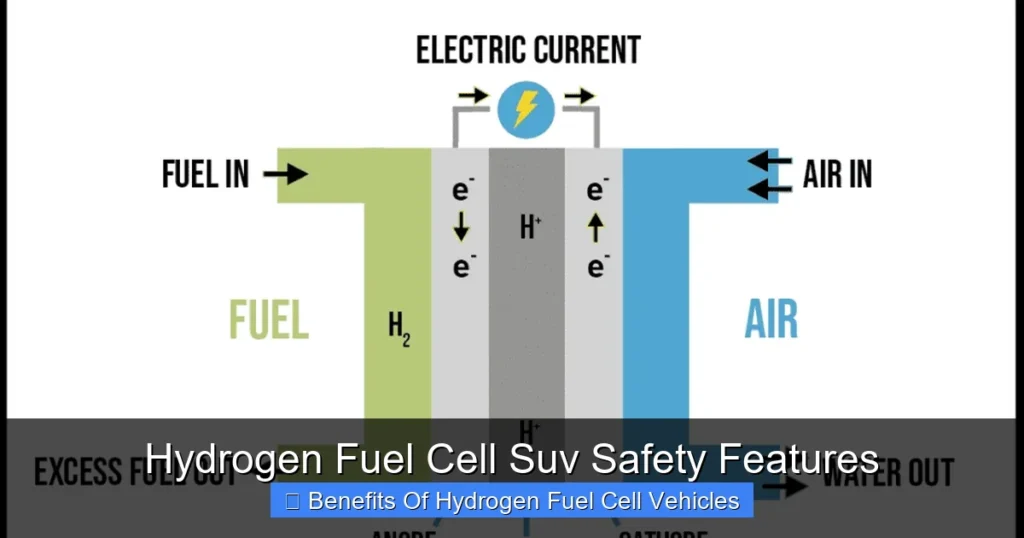
Moreover, the fuel cell stack—the part of the vehicle that converts hydrogen into electricity—is designed to de-energize quickly. This means that even if hydrogen is present, there’s no electrical spark to ignite it. The combination of rapid isolation, ventilation, and sensor-based alerts makes hydrogen SUVs remarkably safe in real-world conditions.
Crash Safety and Structural Integrity
When it comes to vehicle safety, crash performance is one of the most important factors. Hydrogen fuel cell SUVs are designed with this in mind, undergoing the same rigorous crash tests as conventional vehicles—and often exceeding them.
Rigorous Crash Testing Standards
Hydrogen SUVs must meet or exceed all federal and international safety standards, including those set by the NHTSA, Euro NCAP, and the Insurance Institute for Highway Safety (IIHS). These tests evaluate performance in frontal, side, rear, and rollover collisions.
During these tests, hydrogen vehicles are evaluated not only for passenger protection but also for the integrity of the hydrogen system. For example, in a frontal crash test, sensors measure whether the hydrogen tanks remain intact, whether valves function properly, and whether any leaks occur. The results consistently show that hydrogen systems perform exceptionally well under impact.
Reinforced Chassis and Crumple Zones
The chassis of a hydrogen fuel cell SUV is engineered to absorb and distribute crash forces away from the passenger cabin and the hydrogen storage area. Crumple zones at the front and rear of the vehicle are designed to deform in a controlled manner, reducing the force transferred to occupants.
At the same time, the area around the hydrogen tanks is reinforced with high-strength steel and aluminum, creating a protective “safety cage.” This ensures that even in a severe collision, the tanks remain secure and functional.
Post-Crash Safety Protocols
After a crash, hydrogen SUVs are designed to deactivate safely. The high-voltage electrical system is automatically disconnected, and the hydrogen supply is shut off. This reduces the risk of fire or electrical shock for occupants and first responders.
Additionally, these vehicles are equipped with emergency response guides and clearly marked shut-off points. This helps firefighters and rescue teams quickly identify and disable the hydrogen system if needed. Many manufacturers also provide training programs for emergency personnel to ensure they’re prepared to handle hydrogen vehicle incidents.
Real-Time Monitoring and Diagnostics
One of the most advanced aspects of hydrogen fuel cell SUV safety is the use of real-time monitoring and diagnostics. These systems act like a digital guardian, constantly checking the health of the hydrogen system and alerting the driver to any issues.
Onboard Diagnostics (OBD) Systems
Every hydrogen SUV comes with an onboard diagnostics (OBD) system that monitors critical components, including hydrogen pressure, temperature, flow rate, and sensor functionality. If any parameter falls outside the normal range, the system generates a diagnostic trouble code (DTC) and alerts the driver via the dashboard.
For example, if a hydrogen sensor detects a minor leak, the OBD system might display a warning message like “Check Hydrogen System.” This allows the driver to take the vehicle to a service center before the issue becomes serious. In more severe cases, the system can limit vehicle performance or prevent startup until the problem is resolved.
Telematics and Remote Monitoring
Many hydrogen SUVs are equipped with telematics systems that allow remote monitoring via a smartphone app or web portal. This means you can check the status of your hydrogen system from anywhere. Some systems even send automatic alerts if a problem is detected while the vehicle is parked.
For instance, if a sensor detects a pressure drop overnight, the app might notify you immediately. This is especially useful for early detection of slow leaks or system malfunctions. Telematics also enable over-the-air software updates, ensuring that safety systems are always running the latest firmware.
AI-Powered Predictive Maintenance
Looking ahead, some manufacturers are integrating artificial intelligence (AI) into their diagnostic systems. AI algorithms can analyze data from sensors over time to predict potential failures before they happen. For example, if a valve shows signs of wear based on pressure fluctuations, the system might recommend maintenance before a leak occurs.
This proactive approach not only enhances safety but also reduces downtime and repair costs. It’s a glimpse into the future of vehicle safety, where machines learn and adapt to keep drivers safe.
Emergency Response and First Responder Safety
When it comes to vehicle safety, it’s not just about protecting the occupants—it’s also about ensuring the safety of first responders like firefighters, paramedics, and police officers. Hydrogen fuel cell SUVs are designed with this in mind, featuring clear protocols and markings to guide emergency personnel.
Clear Vehicle Identification
Hydrogen vehicles are clearly marked with decals and labels indicating the presence of a hydrogen fuel system. These markings are placed on the exterior of the vehicle, near fueling ports, and on the tanks themselves. This helps first responders quickly identify the vehicle type and take appropriate precautions.
For example, the Hyundai NEXO features bright blue “H2” decals on the doors and rear, making it easy to spot. The fueling port is also clearly labeled and designed to prevent accidental connection to gasoline pumps.
Emergency Shut-Off Procedures
Every hydrogen SUV includes clearly marked emergency shut-off switches that allow first responders to disable the hydrogen system quickly. These switches are typically located in accessible areas, such as under the hood or near the driver’s seat.
In addition, the vehicle’s owner’s manual and onboard digital guide provide step-by-step instructions for emergency shutdown. Some models even include QR codes that link to video tutorials for first responders.
Training and Collaboration with Emergency Services
Automakers work closely with fire departments and emergency response organizations to provide training on hydrogen vehicle safety. These programs cover topics like vehicle identification, shut-off procedures, and safe handling of hydrogen leaks.
For example, Toyota and Honda have partnered with fire academies across the U.S. to offer hands-on training sessions. This ensures that first responders are prepared to handle hydrogen vehicle incidents safely and effectively.
Environmental and Long-Term Safety Benefits
Beyond immediate crash and leak protection, hydrogen fuel cell SUVs offer long-term safety benefits that contribute to a healthier, safer environment.
Zero Tailpipe Emissions
Unlike gasoline vehicles, hydrogen SUVs emit only water vapor from the tailpipe. This means no harmful pollutants like carbon monoxide, nitrogen oxides, or particulate matter. In urban areas, this reduces the risk of respiratory illnesses and improves overall air quality.
Cleaner air isn’t just good for the environment—it’s a public health benefit that enhances safety for everyone, especially children, the elderly, and people with asthma.
Reduced Fire Risk Compared to Gasoline
While hydrogen is flammable, it behaves very differently from gasoline in a fire. Gasoline pools on the ground and creates a large, sustained flame. Hydrogen, on the other hand, rises and burns quickly in a vertical flame that dissipates rapidly.
Studies have shown that hydrogen fires are often less destructive than gasoline fires because they don’t spread as easily. This reduces the risk of secondary fires and gives occupants more time to escape in an emergency.
Quiet Operation Enhances Pedestrian Safety
Hydrogen fuel cell SUVs are extremely quiet, much like electric vehicles. While this might seem like a minor benefit, it actually improves pedestrian safety—especially for visually impaired individuals who rely on sound to detect approaching vehicles.
To address this, many hydrogen SUVs are equipped with acoustic vehicle alerting systems (AVAS) that emit a gentle sound at low speeds. This ensures that pedestrians are aware of the vehicle’s presence without creating noise pollution.
The Future of Hydrogen SUV Safety
As technology advances, the safety features of hydrogen fuel cell SUVs will only improve. Researchers and engineers are exploring new materials, smarter sensors, and more intuitive safety systems that will make these vehicles even safer.
Self-Healing Materials
One promising innovation is the development of self-healing materials for hydrogen tanks. These materials can automatically repair small cracks or punctures, extending the life of the tank and reducing the risk of leaks.
AI-Driven Safety Networks
Future hydrogen SUVs may be part of a connected safety network that shares real-time data with other vehicles and infrastructure. For example, if one vehicle detects a hydrogen leak, it could alert nearby vehicles and traffic management systems to prevent accidents.
Enhanced Crash Avoidance Systems
Advanced driver assistance systems (ADAS) like automatic emergency braking, lane-keeping assist, and blind-spot monitoring are already standard in many hydrogen SUVs. As these systems become more sophisticated, they will play an even greater role in preventing accidents before they happen.
Conclusion
Hydrogen fuel cell SUVs represent a new era of safe, sustainable transportation. With advanced storage systems, real-time monitoring, crash-resistant designs, and robust emergency protocols, these vehicles are engineered to protect drivers, passengers, and communities. While hydrogen has historically been associated with risk, modern technology has transformed it into one of the safest fuel options available.
As more drivers make the switch to hydrogen, the infrastructure and safety standards will continue to evolve. But even today, hydrogen fuel cell SUV safety features stand as a testament to human ingenuity and our commitment to safer roads. Whether you’re looking for a greener alternative or simply a safer ride, hydrogen SUVs offer peace of mind with every mile.
Frequently Asked Questions
Are hydrogen fuel cell SUVs safe in a crash?
Yes, hydrogen fuel cell SUVs are designed to be extremely safe in crashes. They undergo rigorous testing to ensure the hydrogen tanks remain intact and the fuel system shuts down automatically during impact. Reinforced structures and crumple zones further protect passengers and the hydrogen system.
Can hydrogen tanks explode if the car catches fire?
Hydrogen tanks are highly resistant to explosion, even in fires. They are equipped with pressure relief devices that vent hydrogen safely if temperatures rise. Unlike gasoline, hydrogen disperses quickly into the air, reducing the risk of sustained fire or explosion.
What happens if there’s a hydrogen leak?
If a hydrogen leak is detected, the vehicle’s sensors trigger alarms, shut off the hydrogen supply, and activate ventilation systems to disperse the gas. Drivers are alerted immediately, and the system prevents ignition by de-energizing electrical components.
How do first responders handle hydrogen vehicle emergencies?
First responders are trained to identify hydrogen vehicles using clear markings and follow established shut-off procedures. Automakers provide training and emergency guides to ensure safe handling during accidents or leaks.
Are hydrogen SUVs safer than electric or gasoline vehicles?
Hydrogen SUVs are among the safest vehicles on the road, often exceeding safety standards. Their combination of crash-resistant tanks, leak detection, and zero emissions offers unique safety advantages over both gasoline and some electric vehicles.
Do hydrogen SUVs require special maintenance for safety?
Routine maintenance includes checking hydrogen system integrity, sensor functionality, and valve operation. Most issues are detected early through onboard diagnostics, and service is typically performed at certified hydrogen service centers.