Hydrogen fuel cell SUVs in 2025 offer a powerful, eco-friendly alternative to gas and electric vehicles. With zero tailpipe emissions, quick refueling, and impressive range, they’re becoming a smart choice for families and adventurers alike.
Key Takeaways
- Zero Emissions: Hydrogen fuel cell SUVs emit only water vapor, making them one of the cleanest transportation options available in 2025.
- Fast Refueling: Unlike battery EVs, hydrogen SUVs refuel in under 10 minutes—comparable to gasoline vehicles.
- Long Driving Range: Most 2025 models offer 300–400 miles per tank, ideal for road trips and long commutes.
- Growing Infrastructure: Hydrogen refueling stations are expanding, especially in California, Japan, and parts of Europe.
- Strong Performance: These SUVs deliver smooth, quiet rides with instant torque and strong towing capacity.
- Government Support: Incentives and tax credits are making hydrogen SUVs more affordable for early adopters.
- Future-Ready Technology: As green hydrogen production grows, these vehicles will become even more sustainable.
📑 Table of Contents
The Rise of Hydrogen Fuel Cell SUVs in 2025
Imagine driving a spacious, powerful SUV that doesn’t pollute the air—and refuels faster than most electric cars charge. That’s the reality of hydrogen fuel cell SUVs in 2025. Once a futuristic concept, these vehicles are now hitting the roads with real-world performance, practicality, and environmental benefits. As the world pushes toward cleaner transportation, hydrogen-powered SUVs are emerging as a compelling alternative to both gasoline and battery-electric vehicles.
Unlike traditional SUVs that burn fossil fuels, hydrogen fuel cell SUVs generate electricity on board using hydrogen gas and oxygen from the air. The only byproduct? Pure water vapor. This technology has been in development for decades, but 2025 marks a turning point. Advances in fuel cell efficiency, hydrogen storage, and infrastructure are making these vehicles more accessible and reliable than ever before. Automakers like Toyota, Hyundai, and Honda are leading the charge, with new models designed for families, outdoor enthusiasts, and eco-conscious drivers.
Why Hydrogen? A Clean Energy Solution
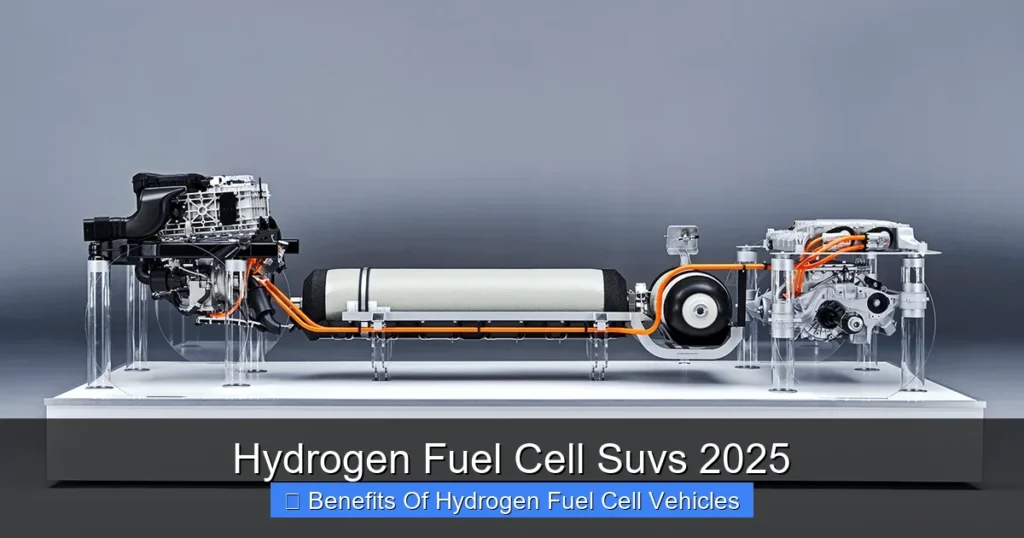
Hydrogen is the most abundant element in the universe, and when used in fuel cells, it produces energy without harmful emissions. The process works like this: hydrogen gas is stored in high-pressure tanks within the vehicle. When you press the accelerator, the hydrogen travels to the fuel cell stack, where it combines with oxygen from the air. This chemical reaction generates electricity, which powers the motor. The only thing that comes out of the tailpipe is a small amount of water—literally drinkable in some cases.
This makes hydrogen fuel cell SUVs a game-changer for reducing transportation-related pollution. In cities struggling with smog and poor air quality, these vehicles offer a way to cut nitrogen oxides, particulate matter, and carbon dioxide emissions. Even when compared to battery electric vehicles (BEVs), hydrogen SUVs have an edge in certain areas—especially when it comes to refueling time and cold-weather performance.
How Do They Compare to Electric and Gas SUVs?
Let’s break it down: hydrogen fuel cell SUVs sit in a unique space between gasoline-powered and battery-electric SUVs. Each has its strengths, but hydrogen offers a sweet spot for many drivers.
Gas SUVs are familiar and widely supported, but they’re loud, polluting, and expensive to fuel over time. Battery electric SUVs, like the Tesla Model Y or Ford Mustang Mach-E, are quiet and efficient—but they require long charging times, especially on road trips. A typical BEV might take 30–60 minutes to charge from 20% to 80% at a fast charger. In contrast, a hydrogen SUV can be refueled in under 10 minutes, just like filling up at a gas station.
Range is another advantage. Most 2025 hydrogen SUVs offer 300 to 400 miles on a single tank. That’s competitive with gas SUVs and often better than many electric models. And because hydrogen is energy-dense, these vehicles don’t need massive, heavy battery packs. This helps maintain better weight distribution and interior space.
Cold weather is another area where hydrogen shines. While lithium-ion batteries lose efficiency in freezing temperatures, fuel cells perform consistently, even in sub-zero conditions. That makes hydrogen SUVs ideal for drivers in northern climates or mountainous regions.
Top Hydrogen Fuel Cell SUVs of 2025
Visual guide about Hydrogen Fuel Cell Suvs 2025
Image source: hydrogenfuelnews.com
The 2025 model year brings several exciting hydrogen-powered SUVs to the market. These vehicles combine cutting-edge technology with real-world usability, offering families and adventurers a clean, capable ride.
Toyota Mirai Cross
Toyota has been a pioneer in hydrogen technology, and the 2025 Mirai Cross builds on the success of the original Mirai sedan. This midsize SUV offers seating for five, a sleek design, and a range of up to 400 miles. It features a refined interior with premium materials, a 12.3-inch touchscreen, and advanced safety systems like adaptive cruise control and lane-keeping assist.
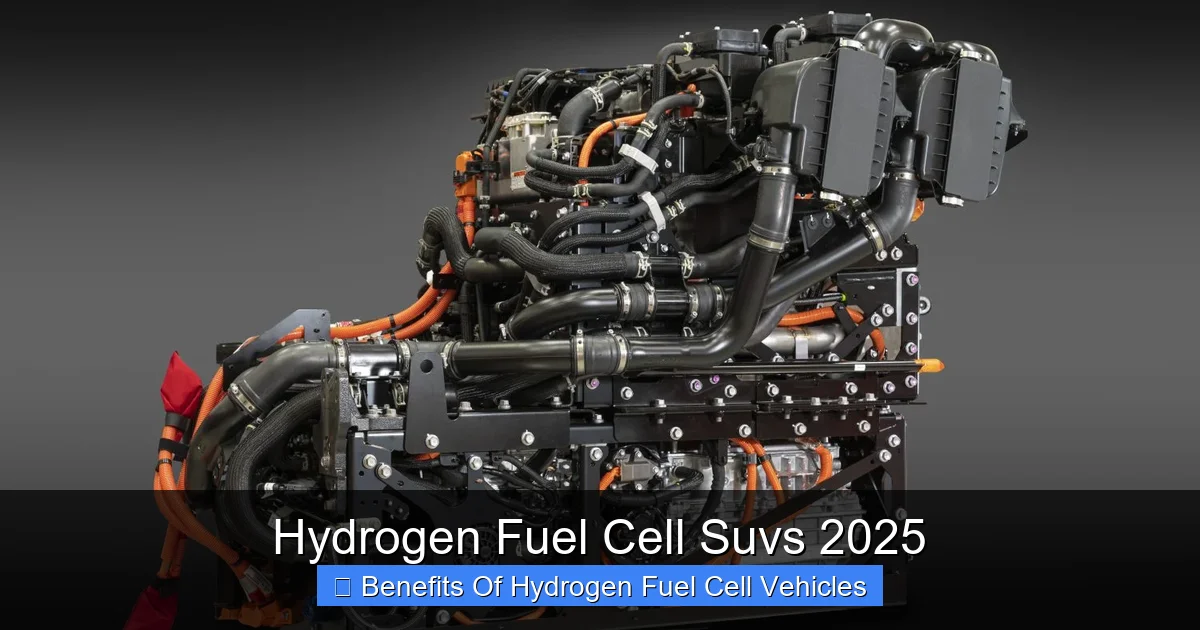
One of the Mirai Cross’s standout features is its all-wheel-drive system, which uses dual electric motors for better traction and performance. It’s also equipped with Toyota’s latest fuel cell stack, which is 20% more efficient than the previous generation. With a refueling time of just 7 minutes, it’s perfect for busy families or long-distance travelers.
Hyundai NEXO 2025
Hyundai’s NEXO has been a leader in the hydrogen SUV space, and the 2025 model raises the bar even higher. This compact SUV offers a range of 380 miles and a luxurious interior with ambient lighting, a panoramic sunroof, and a 12-speaker Bose audio system. It also includes Hyundai’s SmartSense safety suite, with features like blind-spot monitoring and automatic emergency braking.
What sets the NEXO apart is its eco-friendly cabin. The seats are made from recycled materials, and the dashboard uses bio-based plastics. Hyundai has also improved the fuel cell system for quieter operation and better cold-weather performance. With a top speed of 110 mph and smooth acceleration, it’s a pleasure to drive in both city and highway conditions.
Honda CR-V Fuel Cell (2025)
Honda is entering the hydrogen SUV market with a bold move: a fuel cell version of its popular CR-V. Expected in late 2025, this model will offer the reliability and practicality Honda is known for, combined with zero-emission technology. Early specs suggest a range of 350 miles and seating for five, with Honda’s signature spacious interior and user-friendly infotainment system.
The CR-V Fuel Cell will also feature Honda Sensing 360, a comprehensive safety package that includes traffic jam assist and driver attention monitoring. It’s designed to appeal to mainstream buyers who want a familiar SUV experience without the environmental guilt. Honda has partnered with General Motors to develop the fuel cell system, ensuring high efficiency and durability.
Other Notable Mentions
While Toyota, Hyundai, and Honda lead the pack, other automakers are exploring hydrogen SUVs. BMW has hinted at a hydrogen-powered X5, and Mercedes-Benz is testing a fuel cell variant of the GLC. Even startups like Hyperion Motors are developing high-performance hydrogen SUVs aimed at luxury and performance markets.
These vehicles may not be widely available yet, but they signal a growing interest in hydrogen technology. As production scales up and costs come down, we can expect more options in the coming years.
Benefits of Driving a Hydrogen Fuel Cell SUV
Choosing a hydrogen fuel cell SUV in 2025 isn’t just about being eco-friendly—it’s about enjoying a superior driving experience. Let’s explore the key benefits that make these vehicles stand out.
Zero Tailpipe Emissions
The most obvious benefit is environmental. Hydrogen fuel cell SUVs produce no harmful emissions. No carbon dioxide, no nitrogen oxides, no particulate matter—just water vapor. This makes them ideal for reducing your carbon footprint and improving air quality, especially in urban areas.
Even when you consider the full lifecycle—hydrogen production, vehicle manufacturing, and disposal—hydrogen SUVs often have a lower environmental impact than gasoline vehicles. And as green hydrogen (produced using renewable energy) becomes more common, that impact will shrink even further.
Fast and Convenient Refueling
One of the biggest pain points with electric vehicles is charging time. Even with fast chargers, you’re looking at 30 minutes or more for a partial charge. With hydrogen, refueling takes less than 10 minutes—about the same as filling up a gas tank. You simply pull up to a hydrogen station, connect the nozzle, and wait while the tank fills. No need to plan your trips around charging stops.
This makes hydrogen SUVs ideal for road trips, ride-sharing, and commercial use. Imagine driving from Los Angeles to San Francisco without stopping to charge—just a quick hydrogen top-up at a station along the way.
Long Range and Consistent Performance
Most 2025 hydrogen SUVs offer a range of 300–400 miles, which is competitive with gas vehicles and often better than many electric SUVs. And unlike batteries, hydrogen fuel cells don’t lose efficiency in cold weather. Whether you’re driving through snowy mountains or desert heat, your range stays consistent.
This reliability is a major advantage for drivers in rural areas or regions with extreme climates. You won’t have to worry about your vehicle losing power when you need it most.
Quiet and Smooth Driving Experience
Hydrogen fuel cell SUVs are powered by electric motors, which means they’re whisper-quiet and deliver instant torque. There’s no engine noise, no gear shifts—just smooth, responsive acceleration. This makes for a relaxing drive, especially on long highways or in stop-and-go traffic.
Many models also feature advanced suspension systems and noise-canceling technology, creating a cabin that’s as peaceful as a luxury sedan.
Government Incentives and Tax Credits
To encourage adoption, governments around the world are offering incentives for hydrogen vehicles. In the U.S., buyers may qualify for federal tax credits of up to $8,000, plus additional state rebates. California, in particular, has strong support for hydrogen vehicles, including access to carpool lanes and free or discounted refueling at certain stations.
In Europe and Asia, similar programs are in place. Japan offers subsidies for both vehicles and infrastructure, while Germany is investing heavily in hydrogen refueling networks.
Challenges and Considerations
While hydrogen fuel cell SUVs offer many benefits, they’re not without challenges. Understanding these can help you make an informed decision.
Limited Refueling Infrastructure
The biggest hurdle right now is the lack of hydrogen stations. As of 2025, there are fewer than 100 public hydrogen stations in the U.S., with most located in California. This makes long-distance travel difficult unless you’re staying within a supported region.
However, the infrastructure is growing. Companies like Shell, Air Liquide, and Toyota are investing in new stations. In Europe, the H2 Mobility initiative aims to have 1,000 stations by 2030. And in Japan, hydrogen refueling is already common in major cities.
Higher Upfront Cost
Hydrogen SUVs are still more expensive than comparable gas or electric models. The Toyota Mirai Cross starts around $60,000, while the Hyundai NEXO is priced near $65,000. That’s due to the high cost of fuel cell technology and hydrogen storage systems.
But prices are expected to drop as production scales up. Government incentives can also help offset the initial cost. And when you factor in lower fuel and maintenance costs over time, the total cost of ownership may be competitive.
Hydrogen Production and Sustainability
Not all hydrogen is created equal. Most hydrogen today is produced from natural gas, a process that emits carbon dioxide. This “gray hydrogen” reduces the environmental benefits of fuel cell vehicles.
However, “green hydrogen”—made using renewable energy like wind or solar—is on the rise. In 2025, more hydrogen is being produced cleanly, especially in regions with abundant renewable resources. As this trend continues, the sustainability of hydrogen SUVs will improve significantly.
Maintenance and Service Availability
Because hydrogen vehicles are still rare, finding qualified mechanics can be a challenge. Most service will need to be done at certified dealerships, which may be limited in certain areas.
That said, fuel cell systems have fewer moving parts than internal combustion engines, which means less wear and tear. Routine maintenance is minimal—no oil changes, no spark plugs, no exhaust systems to replace.
The Future of Hydrogen SUVs Beyond 2025
The momentum behind hydrogen fuel cell SUVs is building. As technology improves and infrastructure expands, these vehicles are poised to play a major role in the clean transportation revolution.
Expansion of Refueling Networks
By 2030, experts predict a significant increase in hydrogen stations. The U.S. Department of Energy aims to support a national network, while the European Union has committed billions to hydrogen infrastructure. In Asia, countries like South Korea and China are rapidly deploying stations in urban centers.
This growth will make hydrogen SUVs viable for more drivers, not just those in California or major cities.
Advances in Fuel Cell Technology
Researchers are working on more efficient, durable fuel cells that use less platinum—a rare and expensive material. New designs could reduce costs and improve performance, making hydrogen vehicles more accessible.
Solid-state hydrogen storage is another promising area. Instead of high-pressure gas tanks, future SUVs might use solid materials to store hydrogen more safely and compactly.
Integration with Renewable Energy
As solar and wind power grow, so does the potential for green hydrogen. Excess renewable energy can be used to split water into hydrogen and oxygen through electrolysis. This hydrogen can then be stored and used to power vehicles, creating a truly sustainable energy loop.
Some homeowners are even exploring home hydrogen refueling systems, though these are still in early development.
Fleet and Commercial Adoption
Beyond personal vehicles, hydrogen SUVs are ideal for fleets. Ride-sharing companies, delivery services, and government agencies are beginning to adopt hydrogen vehicles for their long range and quick refueling.
Imagine a fleet of hydrogen-powered SUVs transporting tourists in national parks or delivering goods across state lines—all with zero emissions.
Is a Hydrogen Fuel Cell SUV Right for You?
Deciding whether to go hydrogen depends on your lifestyle, location, and priorities. If you value clean air, fast refueling, and long-range capability, a hydrogen SUV could be a great fit.
Consider your daily driving habits. If you mostly drive short distances and have access to a hydrogen station, you’ll enjoy the benefits without hassle. If you frequently travel long distances or live in an area with limited infrastructure, you might want to wait a few more years.
Also think about your environmental goals. If you want to reduce your carbon footprint as much as possible, and you can access green hydrogen, a fuel cell SUV is one of the cleanest options available.
Finally, weigh the cost. While upfront prices are high, incentives and long-term savings on fuel and maintenance can make it worthwhile. And as the technology matures, prices will likely come down.
Conclusion
Hydrogen fuel cell SUVs in 2025 represent a bold step toward a cleaner, more sustainable future. With zero emissions, fast refueling, and impressive range, they offer a practical alternative to gas and electric vehicles. While challenges remain—especially around infrastructure and cost—the progress being made is undeniable.
Automakers are investing heavily in hydrogen technology, governments are offering support, and consumers are becoming more aware of the benefits. As green hydrogen production grows and refueling networks expand, these vehicles will become more accessible to everyday drivers.
Whether you’re a family looking for a spacious, eco-friendly SUV or an adventurer seeking long-range capability, hydrogen fuel cell SUVs are worth considering. They’re not just a glimpse of the future—they’re here today, ready to change the way we drive.
Frequently Asked Questions
Are hydrogen fuel cell SUVs really zero emission?
Yes, hydrogen fuel cell SUVs emit only water vapor from the tailpipe, making them truly zero-emission vehicles during operation. However, the environmental impact depends on how the hydrogen is produced—green hydrogen from renewables is the cleanest option.
How long does it take to refuel a hydrogen SUV?
Refueling a hydrogen SUV takes about 5 to 10 minutes, similar to filling up a gasoline vehicle. This is much faster than charging most electric SUVs, which can take 30 minutes or more for a partial charge.
How far can a hydrogen fuel cell SUV go on one tank?
Most 2025 hydrogen SUVs offer a range of 300 to 400 miles per tank, depending on the model and driving conditions. This makes them suitable for long trips and daily commuting without frequent refueling.
Where can I refuel a hydrogen SUV?
As of 2025, hydrogen refueling stations are mostly available in California, with growing networks in Japan, South Korea, and parts of Europe. Infrastructure is expanding, but availability is still limited in many regions.
Are hydrogen SUVs safe?
Yes, hydrogen SUVs are designed with multiple safety features, including reinforced hydrogen tanks, leak detection systems, and automatic shut-off valves. They undergo rigorous testing and meet strict safety standards.
Do hydrogen SUVs qualify for tax credits?
In the U.S., buyers may qualify for federal tax credits of up to $8,000, plus additional state incentives, especially in California. Similar programs exist in Europe and Asia to encourage adoption.