Hydrogen fuel cell SUVs are revolutionizing off-road driving with zero emissions, long range, and fast refueling. These rugged vehicles combine eco-friendly technology with serious terrain capability, making them ideal for adventurers who care about the planet.
Key Takeaways
- Zero Emissions: Hydrogen fuel cell SUVs produce only water vapor, making them one of the cleanest options for off-road enthusiasts.
- Long Driving Range: With ranges often exceeding 300 miles per fill, these SUVs are perfect for remote trails and long expeditions.
- Fast Refueling: Unlike electric vehicles, hydrogen tanks refill in under 10 minutes—ideal for back-to-back adventures.
- High Torque and Power: Electric motors deliver instant torque, giving hydrogen SUVs excellent traction and climbing ability on rough terrain.
- Quiet Operation: The near-silent drive enhances the off-road experience, allowing drivers to connect with nature without engine noise.
- Durability and Reliability: Built with rugged components, hydrogen fuel cell systems are designed to handle extreme conditions and vibrations.
- Growing Infrastructure: While still emerging, hydrogen refueling stations are expanding, especially in regions like California and parts of Europe.
📑 Table of Contents
- Why Hydrogen Fuel Cell SUVs Are Perfect for Off-Road Adventures
- How Hydrogen Fuel Cell Technology Works in Off-Road SUVs
- Top Benefits of Hydrogen Fuel Cell SUVs for Off-Roading
- Real-World Examples of Hydrogen Fuel Cell SUVs
- Challenges and Considerations for Off-Road Hydrogen SUVs
- Tips for Off-Roading with a Hydrogen Fuel Cell SUV
- The Future of Hydrogen Off-Roading
- Conclusion
Why Hydrogen Fuel Cell SUVs Are Perfect for Off-Road Adventures
Imagine cruising through a remote mountain trail, the engine whisper-quiet, the air crisp and clean, and your SUV gliding over rocks and mud without a single puff of exhaust. That’s the reality of driving a hydrogen fuel cell SUV off the beaten path. These vehicles aren’t just eco-friendly—they’re built for performance, endurance, and adventure.
Off-road driving has long been associated with powerful engines, roaring exhausts, and high fuel consumption. But as environmental awareness grows, so does the demand for sustainable alternatives that don’t sacrifice capability. Enter hydrogen fuel cell SUVs—vehicles that combine the best of both worlds: zero emissions and serious off-road muscle.
Unlike traditional gasoline-powered SUVs, hydrogen fuel cell vehicles (FCEVs) generate electricity through a chemical reaction between hydrogen and oxygen, producing only water and heat as byproducts. This means you can explore pristine wilderness areas without leaving a carbon footprint. And because they use electric motors, they deliver instant torque—perfect for crawling over boulders or powering up steep inclines.
But don’t let the clean technology fool you. These SUVs are no slouches when it comes to rugged terrain. With advanced suspension systems, high ground clearance, and all-wheel drive, hydrogen fuel cell SUVs are engineered to handle everything from desert dunes to snowy mountain passes. They’re not just green—they’re tough.
How Hydrogen Fuel Cell Technology Works in Off-Road SUVs
Visual guide about Hydrogen Fuel Cell Suvs for Off-road Driving
Image source: carsguide-res.cloudinary.com
To understand why hydrogen fuel cell SUVs are such a great fit for off-road driving, it helps to know how the technology works. At the heart of every FCEV is the fuel cell stack—a series of thin, layered cells that combine hydrogen from the onboard tank with oxygen from the air. This reaction produces electricity, which powers the electric motor and charges a small battery.
The process is clean, quiet, and incredibly efficient. Unlike battery electric vehicles (BEVs), which rely on large, heavy lithium-ion batteries, hydrogen SUVs store energy in compressed gas form. This allows for a much lighter powertrain and a longer range without adding bulk.
The Role of the Fuel Cell Stack
The fuel cell stack is the brain of the operation. It’s made up of hundreds of individual fuel cells, each about the thickness of a credit card. When hydrogen gas flows into the anode side of the cell and oxygen enters the cathode side, a catalyst—usually platinum—triggers a reaction that splits hydrogen atoms into protons and electrons. The protons pass through a membrane to the cathode, while the electrons are forced through an external circuit, creating an electric current.
This electricity powers the SUV’s motor and recharges a small buffer battery, which helps manage power demands during acceleration or climbing. The only thing that comes out of the tailpipe? Pure water vapor.
Hydrogen Storage and Safety
One concern people often have about hydrogen is safety. After all, hydrogen is a flammable gas. But modern hydrogen SUVs are designed with multiple layers of protection. The hydrogen is stored in high-strength carbon-fiber tanks that can withstand extreme impact, punctures, and even fire. These tanks are rigorously tested to meet international safety standards.
In the event of a leak, hydrogen is lighter than air and disperses quickly upward, reducing the risk of ignition. Plus, the vehicle’s onboard sensors constantly monitor for leaks and can shut down the system automatically if needed.
Electric Motor Performance
Because hydrogen fuel cell SUVs use electric motors, they benefit from the same performance advantages as electric vehicles: instant torque, smooth acceleration, and quiet operation. This is especially useful off-road, where quick response and precise control are key.
For example, when navigating a rocky trail, the motor can deliver maximum torque the moment you press the accelerator—no waiting for engine revs to build up. This makes it easier to maintain momentum and avoid getting stuck.
Top Benefits of Hydrogen Fuel Cell SUVs for Off-Roading
Now that we’ve covered how the technology works, let’s dive into why it’s such a game-changer for off-road enthusiasts. From environmental impact to performance, hydrogen fuel cell SUVs offer a unique blend of benefits that make them stand out in the world of adventure vehicles.
Zero Emissions, Maximum Adventure
The most obvious benefit is environmental. Off-road driving often takes you into sensitive ecosystems—forests, deserts, wetlands—where vehicle emissions can harm wildlife and degrade air quality. With a hydrogen fuel cell SUV, you’re not just reducing your carbon footprint; you’re eliminating it.
Every mile you drive produces only water vapor. That means no nitrogen oxides, no particulate matter, and no greenhouse gases. For eco-conscious adventurers, this is a huge win. You can explore remote areas with peace of mind, knowing your vehicle isn’t contributing to pollution.
Long Range for Remote Exploration
One of the biggest challenges with electric off-road vehicles is range anxiety. Many battery electric SUVs offer around 200–300 miles of range, but that can drop significantly when driving off-road due to increased energy use from rough terrain, steep climbs, and low-speed crawling.
Hydrogen fuel cell SUVs, on the other hand, typically offer ranges of 300 to 400 miles or more on a single tank. The Toyota Mirai, for example, boasts a range of up to 402 miles. The Hyundai Nexo offers around 380 miles. This makes them ideal for long-distance overlanding, desert expeditions, or multi-day trail adventures where charging stations are nonexistent.
Fast Refueling for Non-Stop Adventures
Another major advantage is refueling time. While BEVs can take 30 minutes to several hours to recharge—depending on the charger—hydrogen tanks can be refilled in under 10 minutes. That’s about the same as filling up a gas-powered SUV.
Imagine this: you’re deep in the Mojave Desert, miles from civilization. Your hydrogen SUV runs low. You find a mobile refueling station (or a permanent one in a nearby town), pull up, and in less time than it takes to grab a sandwich, you’re back on the trail. No waiting, no range anxiety.
Quiet Operation Enhances the Experience
Off-roading isn’t just about conquering terrain—it’s about connecting with nature. The roar of a gasoline engine can shatter the silence of a forest or desert, disturbing wildlife and diminishing the sense of solitude.
Hydrogen fuel cell SUVs run almost silently. The only sounds you’ll hear are the crunch of tires on gravel, the wind through the trees, and maybe the occasional bird call. This quiet operation allows you to fully immerse yourself in the environment, making for a more peaceful and authentic adventure.
High Torque for Tough Terrain
Electric motors deliver 100% of their torque instantly, which is a huge advantage when navigating challenging off-road conditions. Whether you’re climbing a steep hill, crossing a muddy ravine, or crawling over rocks, the motor responds immediately to your input.
This instant power helps maintain traction and momentum, reducing the risk of getting stuck. It also makes technical driving easier, as you don’t need to rev the engine or manage gear shifts. Just press the accelerator, and go.
Real-World Examples of Hydrogen Fuel Cell SUVs
While hydrogen fuel cell technology is still emerging, several automakers have already launched capable SUVs that are perfect for off-road use. These vehicles prove that clean energy and rugged performance can go hand in hand.
Toyota Mirai: A Sleek and Capable Cruiser
The Toyota Mirai is one of the most well-known hydrogen fuel cell vehicles on the market. While it’s often marketed as a luxury sedan, Toyota has also developed a hydrogen-powered version of the RAV4 for testing, and the Mirai’s platform could easily be adapted for SUV use.
With a range of over 400 miles and a refined interior, the Mirai offers a smooth, quiet ride. Its electric motor delivers 182 horsepower and 221 lb-ft of torque—more than enough for light to moderate off-roading. Toyota has also emphasized durability, with the fuel cell system designed to withstand extreme temperatures and vibrations.
Hyundai Nexo: Built for the Future
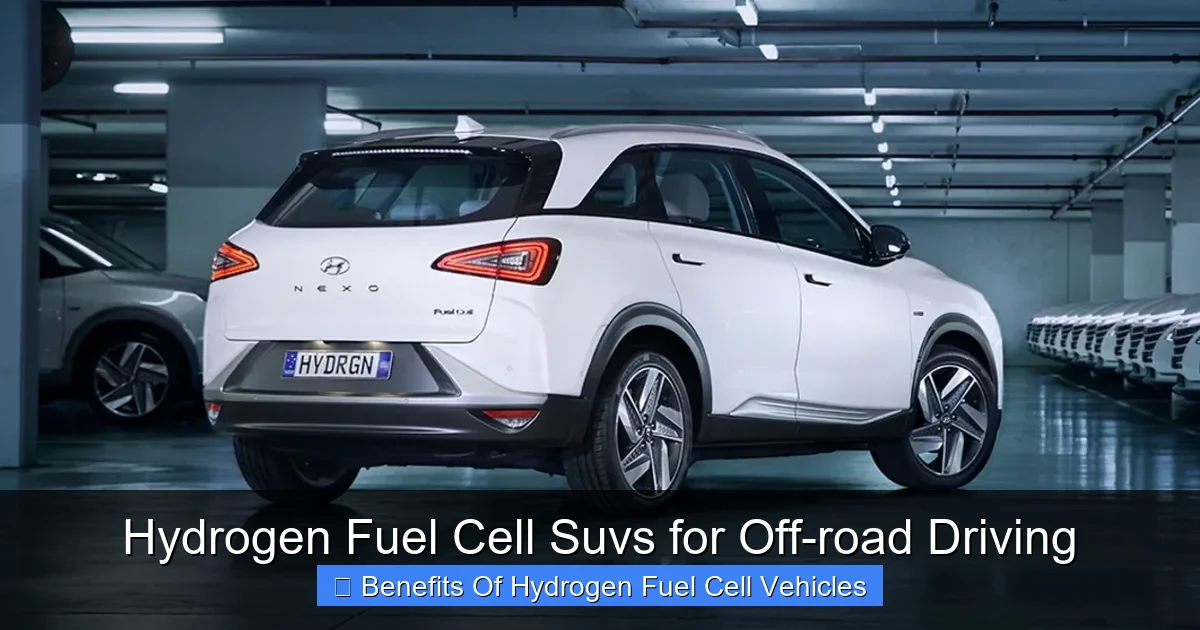
The Hyundai Nexo is a dedicated hydrogen fuel cell SUV that combines futuristic design with practical capability. It features a 402-mile range, advanced driver-assistance systems, and a spacious interior. The Nexo’s electric motor produces 161 horsepower and 291 lb-ft of torque, giving it excellent low-end power for off-road use.
Hyundai has also focused on sustainability, using eco-friendly materials in the cabin and designing the vehicle for recyclability. The Nexo is available in select markets, including California and parts of Europe, where hydrogen infrastructure is growing.
BMW iX5 Hydrogen: A Premium Off-Roader
BMW has entered the hydrogen game with the iX5 Hydrogen, a concept SUV based on the popular X5 platform. This vehicle features two hydrogen tanks, a fuel cell system, and an electric motor that delivers over 400 horsepower.
The iX5 Hydrogen is designed for both on-road luxury and off-road capability. It includes all-wheel drive, adaptive suspension, and terrain management systems. BMW has tested the vehicle in extreme conditions, including desert heat and mountain cold, proving its durability.
General Motors and the Future of Hydrogen Trucks
While not yet available to consumers, General Motors has been developing hydrogen-powered versions of its popular trucks and SUVs through its Hydrotec division. These vehicles are being tested for military, commercial, and consumer use.
GM’s hydrogen technology focuses on modular fuel cell systems that can be scaled for different vehicle sizes. This could lead to hydrogen-powered versions of the Chevrolet Tahoe or GMC Yukon—full-size SUVs perfect for serious off-roading.
Challenges and Considerations for Off-Road Hydrogen SUVs
Despite their many advantages, hydrogen fuel cell SUVs aren’t without challenges. Understanding these limitations is key to making an informed decision about whether this technology is right for your off-road adventures.
Limited Refueling Infrastructure
The biggest hurdle is access to hydrogen fuel. As of now, hydrogen refueling stations are sparse, with most located in California, Japan, South Korea, and parts of Europe. If you’re planning a cross-country off-road trip through remote areas, you may struggle to find a place to refuel.
However, the infrastructure is growing. Companies like Shell, Air Liquide, and Toyota are investing in new stations, and mobile refueling units are being developed for remote areas. In the future, we could see hydrogen pumps at national parks, trailheads, and adventure hubs.
Higher Upfront Cost
Hydrogen fuel cell SUVs are currently more expensive than their gasoline or electric counterparts. The Toyota Mirai starts around $50,000, and the Hyundai Nexo is similarly priced. This is due to the high cost of fuel cell components, hydrogen storage tanks, and limited production volumes.
However, as technology improves and production scales up, prices are expected to drop. Government incentives and tax credits can also help offset the initial cost.
Hydrogen Production and Sustainability
Not all hydrogen is created equal. Most hydrogen today is produced from natural gas through a process called steam methane reforming, which does generate carbon emissions. This “gray hydrogen” undermines some of the environmental benefits.
However, “green hydrogen”—produced using renewable energy like wind or solar to split water molecules—is becoming more common. As the renewable energy sector grows, so will the availability of clean hydrogen. Choosing a provider that uses green hydrogen ensures your off-road adventures are truly sustainable.
Vehicle Availability and Model Options
Currently, there are only a handful of hydrogen fuel cell SUVs available to consumers. Most are sedans or crossovers, with limited off-road capability. True rugged, trail-ready hydrogen SUVs are still in development.
But that’s changing. Automakers are investing heavily in hydrogen technology, and we can expect more capable models in the coming years. Concepts like the BMW iX5 Hydrogen and GM’s Hydrotec-powered trucks show that the future is bright.
Tips for Off-Roading with a Hydrogen Fuel Cell SUV
If you’re considering a hydrogen fuel cell SUV for your next adventure, here are some practical tips to get the most out of your experience.
Plan Your Route Around Refueling Stations
Before heading out, research hydrogen refueling stations along your route. Use apps or websites like H2stations.org or the U.S. Department of Energy’s Alternative Fueling Station Locator to find the nearest stations.
If you’re going off-grid, consider carrying a portable hydrogen generator or partnering with a mobile refueling service. Some companies offer on-demand hydrogen delivery for remote locations.
Optimize Energy Use
While hydrogen SUVs are efficient, off-road driving can increase energy consumption. To maximize range, drive smoothly, avoid sudden accelerations, and use regenerative braking when possible.
Also, keep your tires properly inflated and reduce unnecessary weight in the vehicle. Every pound counts when you’re climbing hills or crossing sand.
Maintain Your Vehicle Regularly
Hydrogen fuel cell systems require regular maintenance to ensure optimal performance. Follow the manufacturer’s service schedule, and have the fuel cell stack, hydrogen tanks, and sensors inspected by a certified technician.
Check for software updates, as automakers often release improvements that enhance efficiency and reliability.
Pack Smart for Emergencies
Even with a long range and fast refueling, it’s smart to be prepared. Carry extra water, food, a first-aid kit, and emergency supplies. Bring a satellite communicator or GPS device in case you lose cell service.
Also, let someone know your route and expected return time. Off-roading is fun, but safety should always come first.
The Future of Hydrogen Off-Roading
The future of off-road driving is looking greener, quieter, and more capable than ever. As hydrogen technology advances and infrastructure expands, we can expect to see more hydrogen fuel cell SUVs hitting the trails.
Automakers are investing billions in hydrogen development, and governments are offering incentives to speed up adoption. In the U.S., the Inflation Reduction Act includes tax credits for hydrogen vehicles and infrastructure. The European Union has set ambitious goals for green hydrogen production.
We’re also seeing innovation in mobile refueling, hydrogen-powered camping gear, and even hydrogen drones for trail scouting. The ecosystem is growing, making it easier for adventurers to go farther, cleaner, and longer.
And as battery technology improves, we may see hybrid systems that combine hydrogen fuel cells with small batteries for even greater efficiency and performance.
Conclusion
Hydrogen fuel cell SUVs are more than just a futuristic concept—they’re a practical, powerful, and eco-friendly option for off-road enthusiasts. With zero emissions, long range, fast refueling, and high torque, they offer a compelling alternative to traditional gasoline and even electric vehicles.
While challenges like limited infrastructure and higher costs remain, the technology is rapidly evolving. As hydrogen becomes more accessible and affordable, we can expect to see these vehicles dominate the trails, allowing us to explore the wild with a clear conscience and a full tank.
So whether you’re scaling mountain passes, crossing desert flats, or cruising through forest trails, a hydrogen fuel cell SUV lets you do it all—without leaving a trace.
Frequently Asked Questions
Are hydrogen fuel cell SUVs safe for off-road driving?
Yes, hydrogen fuel cell SUVs are designed with safety in mind. The hydrogen tanks are made of high-strength carbon fiber and can withstand extreme impacts. Onboard sensors monitor for leaks and can shut down the system if needed, making them safe for rugged terrain.
How far can a hydrogen fuel cell SUV go on one tank?
Most hydrogen fuel cell SUVs offer a range of 300 to 400 miles on a single tank. For example, the Toyota Mirai can travel up to 402 miles, making it ideal for long off-road trips.
How long does it take to refuel a hydrogen SUV?
Refueling a hydrogen SUV takes about 5 to 10 minutes—similar to filling up a gasoline vehicle. This is much faster than charging an electric SUV, which can take 30 minutes to several hours.
Can hydrogen SUVs handle rough terrain?
Absolutely. Hydrogen fuel cell SUVs use electric motors that deliver instant torque, making them excellent for climbing hills, crawling over rocks, and navigating mud or sand. Many models also feature all-wheel drive and advanced suspension systems.
Where can I refuel a hydrogen fuel cell SUV?
Hydrogen refueling stations are currently available in select regions, including California, Japan, South Korea, and parts of Europe. The network is expanding, with new stations being added regularly.
Is hydrogen production environmentally friendly?
It depends on how the hydrogen is made. “Green hydrogen,” produced using renewable energy, is clean and sustainable. However, most hydrogen today is “gray hydrogen,” made from natural gas and less eco-friendly. Choosing green hydrogen ensures a lower environmental impact.