Hydrogen fuel cell SUVs offer a clean, efficient, and powerful alternative to traditional gas-powered vehicles. With zero tailpipe emissions, quick refueling times, and impressive driving ranges, they’re paving the way for a greener future on the road.
Key Takeaways
- Zero Emissions: Hydrogen fuel cell SUVs emit only water vapor, making them one of the cleanest vehicles on the market.
- Fast Refueling: Unlike electric vehicles, hydrogen SUVs can be refueled in under 10 minutes—similar to gasoline cars.
- Long Driving Range: Most hydrogen SUVs offer 300–400 miles per tank, ideal for long-distance travel.
- High Performance: These SUVs deliver strong torque and smooth acceleration, rivaling traditional combustion engines.
- Eco-Friendly Materials: Many models use sustainable interiors and recycled components to reduce environmental impact.
- Government Incentives: Buyers may qualify for tax credits, rebates, and access to HOV lanes in select regions.
- Growing Infrastructure: While still limited, hydrogen refueling stations are expanding, especially in California and parts of Europe.
📑 Table of Contents
- Why Hydrogen Fuel Cell SUVs Are the Future of Sustainable Driving
- How Hydrogen Fuel Cell SUVs Work: A Simple Explanation
- Environmental Benefits: Driving Toward a Cleaner Planet
- Performance and Practicality: SUVs That Don’t Compromise
- Refueling and Infrastructure: The Road Ahead
- Cost, Incentives, and Ownership Experience
- Top Hydrogen Fuel Cell SUVs on the Market
- The Future of Hydrogen SUVs: What’s Next?
- Conclusion: A Cleaner, Smarter Way to Drive
Why Hydrogen Fuel Cell SUVs Are the Future of Sustainable Driving
Imagine driving a powerful, full-sized SUV that doesn’t pollute the air, refuels in minutes, and can go over 300 miles on a single tank—all while producing only water as a byproduct. That’s not science fiction. It’s the reality of hydrogen fuel cell SUVs, a groundbreaking technology that’s quietly reshaping the future of sustainable transportation.
As climate change accelerates and cities push for cleaner air, automakers are racing to deliver vehicles that reduce our carbon footprint without sacrificing performance or convenience. While electric vehicles (EVs) have dominated the conversation, hydrogen fuel cell vehicles (FCEVs)—especially SUVs—are emerging as a compelling alternative. These vehicles combine the best of both worlds: the environmental benefits of electric power with the practicality of traditional refueling.
Hydrogen fuel cell SUVs use a chemical reaction between hydrogen and oxygen to generate electricity, powering an electric motor. The only emission? Pure water vapor. No smog, no greenhouse gases, no noise pollution. And because they don’t rely on massive lithium-ion batteries, they avoid many of the environmental and ethical concerns tied to battery mining and disposal.
How Hydrogen Fuel Cell SUVs Work: A Simple Explanation
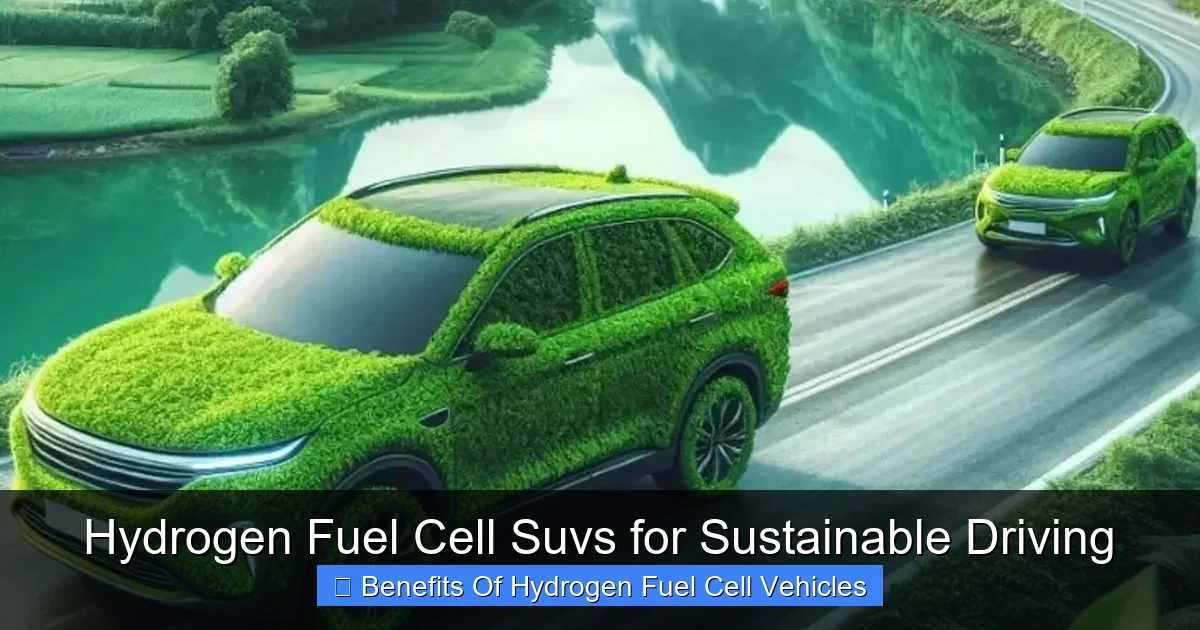
Visual guide about Hydrogen Fuel Cell Suvs for Sustainable Driving
Image source: freshhousedecor.com
At first glance, hydrogen fuel cell technology might sound complex—but it’s actually quite straightforward once you break it down. Think of it like a battery that refuels instead of recharges.
Inside a hydrogen fuel cell SUV, hydrogen gas is stored in high-pressure tanks, usually located under the floor or rear seats. When you press the accelerator, hydrogen flows from the tank into the fuel cell stack. There, it meets oxygen from the air. Through an electrochemical reaction, hydrogen molecules are split into protons and electrons. The protons pass through a membrane, while the electrons create an electric current. This electricity powers the vehicle’s motor, and the only byproduct is water—literally dripping out of the tailpipe as clean H₂O.
The process is silent, efficient, and incredibly clean. Unlike battery-electric vehicles, which require hours to recharge, hydrogen SUVs can be refueled in under 10 minutes—just like filling up at a gas station. And because the energy density of hydrogen is much higher than batteries, these SUVs can travel farther on a single “tank,” making them ideal for road trips, families, and commercial use.
The Role of the Fuel Cell Stack
The heart of any hydrogen SUV is the fuel cell stack. This is where the magic happens. Made up of multiple individual fuel cells layered together, the stack converts hydrogen into electricity with remarkable efficiency—often over 60%, compared to around 20–30% for internal combustion engines.
Modern fuel cell stacks are compact, durable, and designed to last over 100,000 miles with minimal maintenance. They’re also lightweight, which helps improve the SUV’s overall performance and handling. Automakers like Toyota, Hyundai, and Honda have spent decades refining this technology, making it reliable enough for everyday use.
Hydrogen Storage: Safe and Secure
One common concern about hydrogen vehicles is safety—after all, hydrogen is a flammable gas. But modern hydrogen SUVs are engineered with multiple layers of protection. The hydrogen tanks are made from carbon fiber composites that can withstand extreme impacts, punctures, and even gunfire (yes, they’ve been tested!). They’re also equipped with pressure relief devices that safely release gas in case of overpressure.
In the unlikely event of a leak, hydrogen is lighter than air and disperses quickly, reducing the risk of ignition. Plus, the tanks are rigorously tested to meet strict safety standards set by organizations like the National Highway Traffic Safety Administration (NHTSA) and the European New Car Assessment Programme (Euro NCAP).
Environmental Benefits: Driving Toward a Cleaner Planet
When it comes to sustainability, hydrogen fuel cell SUVs offer some of the most compelling advantages in the automotive world. Let’s dive into why they’re a game-changer for the environment.
First and foremost, these vehicles produce zero tailpipe emissions. Unlike gasoline or diesel SUVs that spew carbon dioxide, nitrogen oxides, and particulate matter, hydrogen SUVs emit nothing but water vapor. This makes them ideal for urban areas struggling with air pollution and smog.
But the environmental benefits don’t stop at the tailpipe. The entire lifecycle of a hydrogen SUV—from manufacturing to disposal—can be far cleaner than traditional vehicles, especially when the hydrogen is produced using renewable energy.
Green Hydrogen: The Cleanest Fuel Source
Not all hydrogen is created equal. There are different “colors” of hydrogen based on how it’s produced:
– Grey hydrogen is made from natural gas and releases CO₂—this is the most common but least sustainable method.
– Blue hydrogen also uses natural gas, but the CO₂ is captured and stored, reducing emissions.
– Green hydrogen is produced using renewable energy (like wind or solar) to split water into hydrogen and oxygen via electrolysis. This method emits no carbon at all.
The ideal scenario for sustainable driving is using green hydrogen. As renewable energy becomes more widespread, the production of green hydrogen is scaling up rapidly. Countries like Germany, Japan, and Australia are investing billions in green hydrogen infrastructure, and the U.S. is following suit with federal incentives.
Reduced Dependence on Fossil Fuels
Hydrogen fuel cell SUVs reduce our reliance on oil and gasoline. With geopolitical tensions and price volatility affecting fossil fuel markets, hydrogen offers a more stable and domestically producible alternative. In the U.S., for example, hydrogen can be generated from a variety of sources—including solar, wind, nuclear, and even biomass—reducing the need for imported oil.
Moreover, hydrogen can be produced locally, supporting energy independence and creating green jobs in manufacturing, distribution, and maintenance.
Lower Lifecycle Emissions Than EVs (in Some Cases)
While battery-electric vehicles (BEVs) are often praised for their low emissions, their environmental impact depends heavily on how the electricity is generated and how the batteries are made. Mining lithium, cobalt, and nickel for batteries has significant ecological and human rights concerns.
Hydrogen SUVs, especially when powered by green hydrogen, can have a lower overall carbon footprint over their lifetime—particularly in regions where the electricity grid is still coal-dependent. Plus, hydrogen vehicles don’t require large, heavy batteries, which reduces resource consumption and end-of-life waste.
Performance and Practicality: SUVs That Don’t Compromise
One of the biggest myths about green vehicles is that they sacrifice performance for sustainability. Hydrogen fuel cell SUVs shatter that stereotype. These vehicles are built for power, comfort, and versatility—perfect for families, adventurers, and daily commuters alike.
Power and Torque: Instant Acceleration
Hydrogen SUVs are electric vehicles at heart, which means they deliver instant torque the moment you press the accelerator. This results in smooth, responsive acceleration that rivals—or even surpasses—gas-powered SUVs. For example, the Hyundai NEXO can go from 0 to 60 mph in about 9 seconds, which is more than adequate for highway merging and city driving.
The electric motor provides consistent power across all speeds, eliminating the need for gear shifts and delivering a quiet, refined driving experience. Whether you’re climbing a mountain pass or navigating city traffic, hydrogen SUVs handle it with ease.
Spacious Interiors and Family-Friendly Features
Just like traditional SUVs, hydrogen models offer generous cargo space, third-row seating, and advanced infotainment systems. The Toyota Mirai, for instance, features a sleek, modern interior with premium materials, a 12.3-inch touchscreen, and a panoramic sunroof. The Hyundai NEXO boasts a spacious cabin with reclining rear seats and a hands-free smart tailgate.
These SUVs are designed for real life—whether you’re hauling kids to soccer practice, loading up for a camping trip, or commuting to work. And because they’re electric, they’re whisper-quiet inside, making for a peaceful ride.
Towing and Off-Road Capability
Don’t let the “green” label fool you—hydrogen SUVs are built for adventure. Many models come with all-wheel drive, high ground clearance, and advanced traction control systems. The upcoming Honda CR-V Hydrogen, for example, is expected to offer robust towing capacity and off-road modes, making it a true all-terrain vehicle.
With no engine noise and instant torque, these SUVs are perfect for quiet exploration in nature—without disturbing wildlife or leaving a carbon trail.
Refueling and Infrastructure: The Road Ahead
One of the biggest challenges facing hydrogen fuel cell SUVs is infrastructure. Unlike gasoline stations, hydrogen refueling stations are still relatively rare. But the landscape is changing fast.
Current State of Hydrogen Stations
As of 2024, there are over 60 public hydrogen refueling stations in the United States—most of them concentrated in California, which leads the nation in FCEV adoption. Europe and Asia are also making strides, with countries like Germany, Japan, and South Korea building extensive hydrogen networks.
While this may seem limited, it’s important to remember that hydrogen infrastructure is still in its early stages. Compare it to the early days of electric charging—today’s sparse network will grow as demand increases.
Home Refueling: A Future Possibility
Imagine refueling your SUV at home, just like charging an EV. That future is closer than you think. Companies like Plug Power and AtmosZero are developing home hydrogen refueling systems that use solar power to generate hydrogen from water. These systems could allow homeowners to produce their own fuel, eliminating trips to the station altogether.
While still in development, home refueling could be a game-changer for hydrogen adoption, especially in suburban and rural areas.
Government and Industry Support
Governments and automakers are investing heavily in hydrogen infrastructure. The U.S. Department of Energy has launched the Hydrogen Shot initiative, aiming to reduce the cost of clean hydrogen to $1 per kilogram within a decade. The Inflation Reduction Act also includes tax credits for hydrogen production and vehicle purchases.
Automakers are doing their part too. Toyota, Hyundai, and Honda are partnering with energy companies to expand refueling networks. In California, the California Fuel Cell Partnership is working to install 1,000 hydrogen stations by 2030.
Cost, Incentives, and Ownership Experience
Let’s talk about the bottom line: how much do hydrogen fuel cell SUVs cost, and are they worth it?
Upfront Cost vs. Long-Term Savings
Currently, hydrogen SUVs are more expensive than their gasoline counterparts. The Toyota Mirai starts around $50,000, and the Hyundai NEXO is priced similarly. However, prices are expected to drop as production scales up and technology improves.
That said, ownership costs can be lower over time. Hydrogen vehicles have fewer moving parts than internal combustion engines, which means less maintenance—no oil changes, no spark plugs, no exhaust systems to replace. And because they’re electric, they’re incredibly reliable.
Government Incentives and Rebates
Buyers can offset the higher upfront cost with generous incentives. In the U.S., the federal government offers a tax credit of up to $8,000 for new hydrogen fuel cell vehicles. California provides an additional rebate of up to $5,000 through the Clean Vehicle Rebate Project (CVRP). Some states also offer HOV lane access, reduced registration fees, and free parking.
These incentives make hydrogen SUVs more accessible and help bridge the price gap with traditional vehicles.
Fuel Cost and Efficiency
The cost of hydrogen fuel varies by region, but on average, it’s comparable to gasoline on a per-mile basis. In California, hydrogen costs around $16 per kilogram, and most SUVs get about 60–70 miles per kilogram. That works out to roughly $0.23–$0.27 per mile—similar to a fuel-efficient gas SUV.
As green hydrogen production scales up, prices are expected to fall. The U.S. Department of Energy’s goal of $1 per kilogram would make hydrogen significantly cheaper than gasoline.
Top Hydrogen Fuel Cell SUVs on the Market
If you’re considering making the switch, here are some of the best hydrogen SUVs available today.
Toyota Mirai
The Toyota Mirai is one of the most well-known hydrogen vehicles on the road. With a sleek design, luxurious interior, and a range of up to 402 miles, it’s a strong contender in the premium sedan and SUV space. The Mirai XLE and Limited trims offer advanced safety features, a premium sound system, and Toyota’s renowned reliability.
Hyundai NEXO
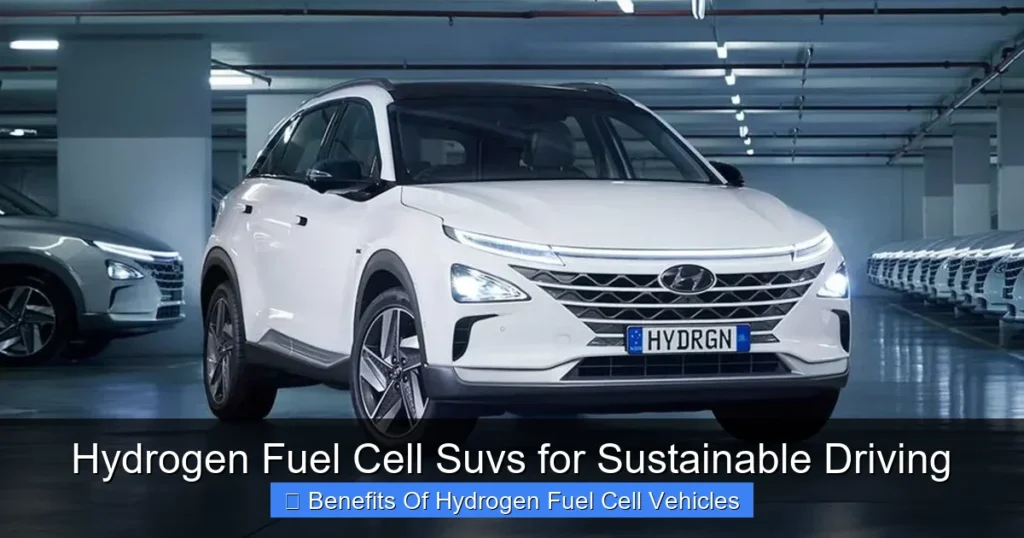
The Hyundai NEXO is a dedicated hydrogen SUV with a futuristic design and impressive specs. It offers up to 380 miles of range, a spacious interior, and Hyundai’s latest tech, including a 12.3-inch display and remote smart parking assist. The NEXO also features advanced air purification systems that actually clean the air as you drive.
Honda CR-V Hydrogen (Coming Soon)
Honda is set to launch a hydrogen-powered version of its popular CR-V SUV in 2024. Expected to offer all-wheel drive, towing capability, and a familiar, family-friendly design, this model could bring hydrogen technology to the mainstream.
BMW iX5 Hydrogen (Limited Release)
BMW is testing a small fleet of iX5 Hydrogen SUVs in Europe. Based on the electric iX5, this model combines BMW’s luxury with hydrogen power. While not yet available to the public, it signals the brand’s commitment to alternative fuels.
The Future of Hydrogen SUVs: What’s Next?
The future of hydrogen fuel cell SUVs is bright. As technology improves and infrastructure expands, these vehicles are poised to become a mainstream choice for sustainable driving.
Advancements in Fuel Cell Technology
Researchers are working on next-generation fuel cells that are more efficient, durable, and affordable. Solid-state fuel cells, for example, could offer higher energy density and faster startup times. New catalysts made from non-precious metals could reduce costs and reliance on rare materials like platinum.
Integration with Renewable Energy
Hydrogen SUVs will play a key role in the clean energy ecosystem. Excess renewable energy from solar and wind farms can be used to produce hydrogen, which can then be stored and used to power vehicles. This creates a sustainable loop where clean energy powers clean transportation.
Expansion into Commercial and Fleet Use
While passenger SUVs are the focus today, hydrogen technology is also gaining traction in commercial vehicles. Hydrogen-powered trucks, buses, and delivery vans offer long range and fast refueling—ideal for logistics and public transit. As fleets adopt hydrogen, the infrastructure will grow, benefiting individual drivers too.
Conclusion: A Cleaner, Smarter Way to Drive
Hydrogen fuel cell SUVs represent a bold step toward a sustainable future. They combine the power and practicality of traditional SUVs with the environmental benefits of zero-emission driving. With fast refueling, long range, and cutting-edge technology, they’re not just a niche option—they’re a viable alternative for everyday drivers.
While challenges remain—especially in infrastructure and cost—the momentum is undeniable. Governments, automakers, and consumers are all pushing for cleaner transportation. And as green hydrogen production scales up, these vehicles will become even more accessible and affordable.
If you’re looking for a way to reduce your carbon footprint without sacrificing performance or convenience, a hydrogen fuel cell SUV might be the perfect fit. It’s not just about driving green—it’s about driving smart.
Frequently Asked Questions
Are hydrogen fuel cell SUVs really zero emission?
Yes, hydrogen fuel cell SUVs produce zero tailpipe emissions. The only byproduct of the chemical reaction in the fuel cell is water vapor, making them one of the cleanest vehicles on the road.
How long does it take to refuel a hydrogen SUV?
Refueling a hydrogen SUV takes about 5 to 10 minutes—similar to filling up a gas-powered vehicle. This is much faster than charging an electric SUV, which can take 30 minutes to several hours.
How far can a hydrogen SUV travel on one tank?
Most hydrogen fuel cell SUVs offer a driving range of 300 to 400 miles per fill-up. For example, the Toyota Mirai can travel up to 402 miles, making it ideal for long-distance travel.
Are hydrogen SUVs safe in a crash?
Yes, hydrogen SUVs are designed with safety in mind. The hydrogen tanks are made from strong carbon fiber and undergo rigorous testing. They include safety features like pressure relief devices and are built to withstand high-impact collisions.
Where can I refuel a hydrogen SUV?
Hydrogen refueling stations are currently concentrated in California, with growing networks in Europe and parts of Asia. While still limited, the infrastructure is expanding rapidly with government and industry support.
Are there government incentives for buying a hydrogen SUV?
Yes, many regions offer incentives such as federal tax credits (up to $8,000 in the U.S.), state rebates (like California’s $5,000 CVRP), HOV lane access, and reduced registration fees.