Hydrogen fuel cell vehicle efficiency is a hot topic as the world shifts toward cleaner transportation. While not as energy-efficient as battery electric vehicles (BEVs), hydrogen-powered cars offer fast refueling, long range, and zero tailpipe emissions—making them a compelling option for certain use cases.
This is a comprehensive guide about Hydrogen fuel cell vehicle efficiency.
Key Takeaways
- Hydrogen fuel cell vehicles (FCEVs) are more efficient than gasoline cars but less efficient than battery electric vehicles due to energy losses in hydrogen production and conversion.
- Refueling time is a major advantage—FCEVs can be refilled in 3–5 minutes, similar to gasoline vehicles, unlike EVs that require longer charging times.
- Well-to-wheel efficiency for hydrogen is around 25–35%, compared to 70–90% for battery electric vehicles, depending on the hydrogen source.
- Green hydrogen, produced using renewable energy, maximizes environmental benefits and improves overall system efficiency when powered by wind or solar.
- FCEVs excel in heavy-duty and long-haul applications where battery weight and charging downtime are limiting factors for EVs.
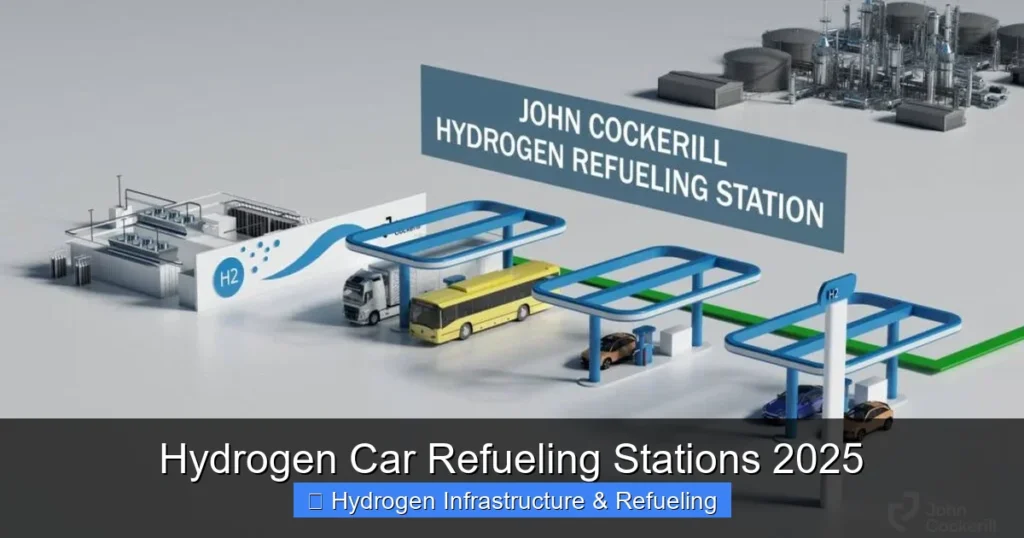
- Infrastructure remains a challenge—hydrogen refueling stations are sparse, but government and private investments are expanding access.
- Real-world efficiency varies by model and driving conditions, with some FCEVs achieving over 60 miles per kilogram of hydrogen under optimal conditions.
Frequently Asked Questions
How efficient are hydrogen fuel cell vehicles compared to electric cars?
Hydrogen fuel cell vehicles are less energy-efficient than battery electric vehicles. While BEVs achieve 70–90% well-to-wheel efficiency, FCEVs range from 25–35% due to energy losses in hydrogen production and conversion. However, FCEVs offer faster refueling and longer range in some cases.
How long does it take to refuel a hydrogen car?
Refueling a hydrogen fuel cell vehicle takes just 3 to 5 minutes, similar to filling up a gasoline car. This is significantly faster than even the quickest EV fast chargers, which take 20–30 minutes for an 80% charge.
Is hydrogen fuel expensive?
Yes, hydrogen fuel currently costs around $12–$16 per kilogram in the U.S., meaning a full tank can cost $80–$100. However, some regions offer free fuel for the first few years of ownership to encourage adoption.
Are hydrogen cars better for the environment?
Hydrogen cars produce zero tailpipe emissions, but their environmental impact depends on how the hydrogen is made. Green hydrogen, produced with renewable energy, is clean. Hydrogen from natural gas has a higher carbon footprint.
Where can I refuel a hydrogen car?
Hydrogen refueling stations are currently limited, with most located in California, parts of Europe, Japan, and South Korea. Infrastructure is expanding, but coverage remains sparse compared to gas stations or EV chargers.
Can hydrogen cars be used for long-distance travel?
Yes, hydrogen fuel cell vehicles are well-suited for long-distance travel due to their 300–400 mile range and fast refueling. This makes them ideal for road trips and commercial applications like trucking and delivery.