Hydrogen fuel cell vehicles (FCEVs) offer a clean, efficient alternative to traditional gas-powered cars. With fast refueling times similar to gasoline vehicles and zero tailpipe emissions, FCEVs are gaining momentum as a sustainable transportation solution. This article explores how they work, their advantages, and why rapid refueling makes them a practical choice for modern drivers.
Imagine pulling up to a fueling station, connecting a nozzle, and being back on the road in under five minutes—just like filling up a gas tank. But instead of burning fossil fuels and releasing harmful emissions, your car runs on hydrogen and emits nothing but clean water vapor. This isn’t science fiction. It’s the reality of hydrogen fuel cell vehicles (FCEVs), a cutting-edge technology that’s quietly reshaping the future of transportation.
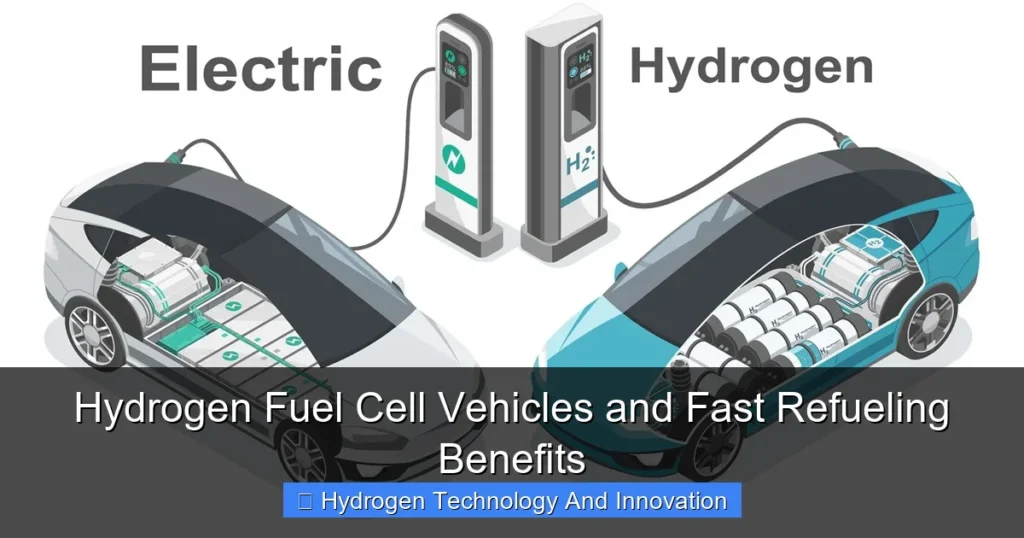
Hydrogen fuel cell vehicles are part of a broader movement toward cleaner, more sustainable mobility. As concerns about climate change and air pollution grow, automakers and governments are investing heavily in alternatives to gasoline and diesel engines. While battery electric vehicles (EVs) have dominated headlines, hydrogen-powered cars offer a compelling alternative—especially when it comes to refueling speed and convenience. Unlike EVs that require lengthy charging sessions, FCEVs can be refueled in minutes, making them ideal for drivers who value time and flexibility.
But how exactly do these vehicles work? And why is fast refueling such a game-changer? In this article, we’ll dive deep into the world of hydrogen fuel cell technology, explore the mechanics behind it, and highlight the real-world benefits—especially the time-saving advantage of quick refueling. Whether you’re a curious consumer, a tech enthusiast, or someone planning their next car purchase, understanding FCEVs could help you make a smarter, greener choice.
Key Takeaways
- Zero Emissions: Hydrogen fuel cell vehicles produce only water vapor as a byproduct, making them one of the cleanest transportation options available today.
- Fast Refueling: Unlike electric vehicles that can take hours to charge, FCEVs can be refueled in 3–5 minutes, matching the convenience of gasoline cars.
- Long Driving Range: Most hydrogen-powered cars offer a range of 300–400 miles on a single tank, ideal for long-distance travel.
- Energy Efficiency: Fuel cells convert hydrogen to electricity more efficiently than internal combustion engines burn fuel.
- Growing Infrastructure: While still limited, hydrogen refueling stations are expanding, especially in California, Japan, and parts of Europe.
- Government Support: Incentives and policies in several countries are accelerating the adoption of hydrogen technology.
- Future-Ready Technology: As green hydrogen production grows, FCEVs could play a major role in decarbonizing transport and industry.
📑 Table of Contents
How Hydrogen Fuel Cell Vehicles Work
At the heart of every hydrogen fuel cell vehicle is a device called a fuel cell stack. This stack converts hydrogen gas into electricity through a chemical reaction, powering an electric motor that drives the wheels. The process is clean, quiet, and incredibly efficient—especially when compared to traditional internal combustion engines.
The Science Behind the Fuel Cell
A fuel cell consists of two electrodes—an anode and a cathode—sandwiched around an electrolyte membrane. When hydrogen gas (H₂) is fed into the anode, it splits into protons and electrons thanks to a catalyst, usually made of platinum. The protons pass through the electrolyte membrane to the cathode, while the electrons are forced to travel through an external circuit, creating an electric current. This current powers the vehicle’s motor.
At the cathode, the protons and electrons reunite with oxygen from the air, forming water (H₂O) as the only byproduct. No combustion occurs, which means no carbon dioxide (CO₂), nitrogen oxides (NOx), or particulate matter is released. The result? A vehicle that runs silently and emits nothing but clean water vapor.
Hydrogen Storage and Delivery
Hydrogen is stored in high-pressure tanks—typically at 5,000 to 10,000 psi—located within the vehicle. These tanks are made of lightweight composite materials to ensure safety and durability. When you refuel, a nozzle connects to the car’s port, and compressed hydrogen gas flows into the tank in a matter of minutes.
Unlike batteries, which store energy chemically and degrade over time, hydrogen tanks can be refilled repeatedly without losing capacity. This makes FCEVs particularly appealing for long-term use and heavy-duty applications like trucks and buses.
Electric Motor and Energy Management
Once the fuel cell generates electricity, it powers an electric motor—similar to those used in battery EVs. However, FCEVs often include a small battery or supercapacitor to store excess energy and provide extra power during acceleration. This hybrid approach improves efficiency and responsiveness.
The entire system is managed by sophisticated software that monitors hydrogen flow, temperature, and electrical output. This ensures optimal performance and safety under all driving conditions.
The Fast Refueling Advantage
Visual guide about Hydrogen Fuel Cell Vehicles and Fast Refueling Benefits
Image source: evryt.online
One of the most significant benefits of hydrogen fuel cell vehicles is their refueling speed. While battery electric vehicles can take anywhere from 30 minutes to several hours to recharge—depending on the charger type—FCEVs can be refueled in just 3 to 5 minutes. This is a game-changer for drivers who need convenience and flexibility.
Refueling Time Comparison
Let’s put this into perspective. A typical gasoline car takes about 5 minutes to fill up. A Level 2 EV charger might take 4–8 hours for a full charge at home. Even a fast DC charger can take 20–40 minutes to reach 80% capacity. In contrast, hydrogen refueling is nearly identical to gasoline in terms of speed and ease.
For example, the Toyota Mirai, one of the most popular FCEVs on the market, can be refueled in about 5 minutes and offers a range of over 400 miles. That’s comparable to many gas-powered sedans, but with zero emissions.
Why Fast Refueling Matters
Time is a valuable resource, especially for busy professionals, families, and commercial drivers. Long charging times can disrupt schedules, limit travel flexibility, and create “range anxiety”—the fear of running out of power before reaching a charging station.
With hydrogen, drivers can top off their tank during a quick stop at a station, just like they would with gasoline. This makes FCEVs ideal for road trips, ride-sharing services, and delivery fleets that require high uptime.
Real-World Examples
In California, where the majority of hydrogen stations in the U.S. are located, drivers of the Hyundai NEXO and Toyota Mirai report seamless refueling experiences. Stations like those operated by Shell and FirstElement Fuel allow drivers to refuel in minutes, often while grabbing a coffee or checking emails.
Commercial fleets are also taking notice. Companies like Amazon and Walmart are testing hydrogen-powered delivery trucks because they can be refueled quickly and operate for long hours without downtime.
Environmental Benefits of Hydrogen Vehicles
Hydrogen fuel cell vehicles are often touted as a green alternative to fossil fuels—and for good reason. But their environmental impact depends heavily on how the hydrogen is produced.
Zero Tailpipe Emissions
The most obvious benefit is the absence of harmful emissions from the vehicle itself. FCEVs produce only water vapor and warm air as exhaust. This means no CO₂, no smog-forming pollutants, and no contribution to urban air pollution.
In cities like Los Angeles or Tokyo, where air quality is a major concern, widespread adoption of FCEVs could significantly reduce respiratory illnesses and improve public health.
Green Hydrogen vs. Gray Hydrogen
Not all hydrogen is created equal. Currently, about 95% of hydrogen is produced from natural gas through a process called steam methane reforming. This method, known as “gray hydrogen,” still releases CO₂ and is not truly sustainable.
However, “green hydrogen”—produced using renewable energy sources like wind, solar, or hydropower to split water via electrolysis—offers a clean alternative. As renewable energy becomes cheaper and more widespread, green hydrogen is poised to become the standard.
Countries like Germany, Japan, and Australia are investing billions in green hydrogen infrastructure. In the U.S., the Inflation Reduction Act includes tax credits for clean hydrogen production, accelerating the shift toward sustainability.
Lifecycle Emissions
When considering the full lifecycle—from production to disposal—FCEVs still have a lower carbon footprint than gasoline vehicles, especially when powered by green hydrogen. Studies show that FCEVs can reduce greenhouse gas emissions by 30–50% compared to conventional cars, even when using gray hydrogen.
As the grid becomes cleaner and hydrogen production shifts to renewables, these benefits will only grow.
Current Challenges and Limitations
Despite their promise, hydrogen fuel cell vehicles face several hurdles that have slowed widespread adoption.
Limited Refueling Infrastructure
The biggest challenge is the lack of hydrogen refueling stations. As of 2024, there are fewer than 100 public hydrogen stations in the United States, with most concentrated in California. This makes long-distance travel difficult and limits the appeal for average consumers.
In contrast, there are over 150,000 gas stations and more than 60,000 public EV chargers across the country. Building a nationwide hydrogen network will require significant investment and coordination between governments, energy companies, and automakers.
High Production and Distribution Costs
Hydrogen is expensive to produce, transport, and store. Compressing or liquefying hydrogen for transport requires energy, and leaks can occur due to hydrogen’s small molecular size. These factors drive up costs, making hydrogen fuel more expensive than gasoline or electricity on a per-mile basis.
However, as technology improves and production scales up, costs are expected to fall. The U.S. Department of Energy aims to reduce the cost of clean hydrogen to $1 per kilogram by 2031—a goal known as the “Hydrogen Shot.”
Vehicle Availability and Price
Currently, only a few hydrogen-powered passenger vehicles are available, such as the Toyota Mirai, Hyundai NEXO, and Honda Clarity (now discontinued). These models are often priced higher than comparable EVs or gasoline cars, partly due to low production volumes and expensive materials like platinum.
But as demand grows and manufacturing scales, prices are expected to drop. Automakers are also exploring ways to reduce reliance on rare materials and improve fuel cell durability.
The Future of Hydrogen Transportation
Despite current challenges, the future looks bright for hydrogen fuel cell technology. Governments, industries, and researchers are working together to overcome barriers and unlock the full potential of hydrogen-powered transport.
Expanding Infrastructure
Countries like Japan, South Korea, and Germany are leading the way in hydrogen infrastructure. Japan, for example, has over 160 hydrogen stations and aims to have 900 by 2030. Germany plans to build a nationwide hydrogen network by 2030, supported by the European Union’s Green Deal.
In the U.S., California continues to expand its hydrogen station network, with plans to reach 200 stations by 2026. The state also offers rebates of up to $15,000 for FCEV purchases, making them more accessible to consumers.
Heavy-Duty and Commercial Applications
While passenger cars are important, hydrogen’s real strength may lie in heavy-duty transport. Trucks, buses, trains, and even ships can benefit from hydrogen’s high energy density and fast refueling.
For example, the Hyundai XCIENT Fuel Cell truck is already in operation in Switzerland and California, delivering goods with zero emissions. Similarly, Alstom’s hydrogen-powered trains are running in Germany, offering a clean alternative to diesel locomotives.
These applications are less sensitive to refueling infrastructure limitations and can justify the investment in hydrogen technology.
Integration with Renewable Energy
Hydrogen can also play a role in energy storage. Excess electricity from solar or wind farms can be used to produce hydrogen via electrolysis, which can then be stored and used later to generate power or fuel vehicles. This creates a flexible, sustainable energy system that supports grid stability and reduces reliance on fossil fuels.
Projects like the HyDeal initiative in Spain aim to produce green hydrogen at scale, using solar power to supply industrial and transportation sectors.
Should You Consider a Hydrogen Fuel Cell Vehicle?
If you’re in the market for a new car, a hydrogen fuel cell vehicle might be worth considering—especially if you value fast refueling and environmental benefits.
Who Benefits Most?
FCEVs are ideal for drivers who:
– Travel long distances frequently
– Need quick refueling times
– Live in areas with hydrogen infrastructure (like California)
– Want a zero-emission vehicle but don’t want to deal with long charging times
They’re also a great fit for businesses with delivery fleets, taxis, or ride-sharing services that require high uptime and minimal downtime.
Tips for Potential Buyers
Before buying an FCEV, consider the following:
– Check the location of nearby hydrogen stations using apps like H2USA or the Alternative Fuels Data Center.
– Take advantage of government incentives and rebates.
– Test drive a model like the Toyota Mirai or Hyundai NEXO to experience the quiet, smooth ride.
– Think about your driving habits—FCEVs excel on highways and long trips, but may be less practical in rural areas with limited infrastructure.
The Bottom Line
Hydrogen fuel cell vehicles offer a unique combination of clean energy, fast refueling, and long-range capability. While challenges remain, the technology is advancing rapidly, and the benefits are hard to ignore. As infrastructure expands and costs decrease, FCEVs could become a mainstream choice for eco-conscious drivers.
In a world striving for sustainability, hydrogen isn’t just an alternative—it’s a vital part of the solution.
Frequently Asked Questions
How long does it take to refuel a hydrogen fuel cell vehicle?
Hydrogen fuel cell vehicles can be refueled in just 3 to 5 minutes, similar to filling up a gasoline car. This is significantly faster than most electric vehicle charging times.
Are hydrogen fuel cell vehicles safe?
Yes, hydrogen fuel cell vehicles are designed with multiple safety features, including high-strength tanks, leak detection systems, and automatic shut-off valves. Hydrogen is also lighter than air and disperses quickly in case of a leak.
Where can I refuel a hydrogen car in the U.S.?
Most hydrogen refueling stations in the U.S. are located in California, with a growing number in cities like Los Angeles, San Francisco, and Sacramento. A few stations are also being developed in the Northeast.
How far can a hydrogen fuel cell vehicle travel on one tank?
Most hydrogen fuel cell vehicles offer a driving range of 300 to 400 miles on a single tank, comparable to many gasoline-powered cars.
Is hydrogen fuel expensive?
Currently, hydrogen fuel is more expensive than gasoline or electricity, but prices are expected to drop as production scales up and green hydrogen becomes more common.
Can hydrogen be produced sustainably?
Yes, green hydrogen produced using renewable energy sources like wind and solar is completely sustainable and emits no greenhouse gases during production.