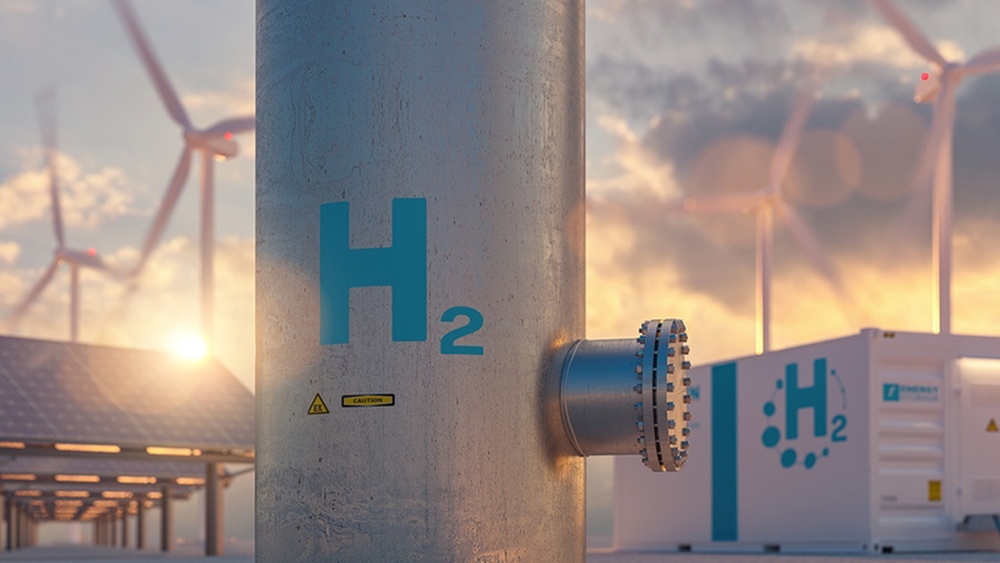
Hydrogen fuel cell vehicles (FCEVs) are emerging as a powerful solution for clean transportation, especially when powered by renewable energy. By combining green hydrogen production with zero-emission vehicles, we can drastically cut carbon emissions and reduce dependence on fossil fuels.
Key Takeaways
- Hydrogen fuel cell vehicles produce only water as emissions: Unlike gasoline cars, FCEVs emit no harmful pollutants, making them ideal for improving air quality.
- Renewable energy enables green hydrogen production: Solar, wind, and hydropower can power electrolysis to create clean hydrogen, reducing the carbon footprint of fuel cells.
- FCEVs offer fast refueling and long range: Hydrogen vehicles can refuel in under 10 minutes and travel 300–400 miles, rivaling traditional cars.
- Infrastructure development is accelerating globally: Countries like Japan, Germany, and the U.S. are investing in hydrogen refueling stations and production facilities.
- Hydrogen supports energy storage and grid stability: Excess renewable energy can be stored as hydrogen, helping balance supply and demand.
- Challenges remain in cost and scalability: High production costs and limited infrastructure are barriers, but innovation is driving progress.
- FCEVs complement battery electric vehicles (BEVs): Hydrogen is best suited for heavy-duty transport, while BEVs excel in passenger vehicles.
📑 Table of Contents
- Introduction: The Future of Clean Transportation
- How Hydrogen Fuel Cell Vehicles Work
- The Role of Renewable Energy in Green Hydrogen Production
- Advantages of Hydrogen Fuel Cell Vehicles
- Challenges and Barriers to Adoption
- The Global Outlook for Hydrogen and Renewable Energy
- Conclusion: Driving Toward a Cleaner Tomorrow
Introduction: The Future of Clean Transportation
Imagine driving a car that emits nothing but water vapor—no smog, no carbon dioxide, no harmful particulates. That’s not science fiction; it’s the reality of hydrogen fuel cell vehicles (FCEVs). These innovative cars use hydrogen gas to generate electricity through a chemical reaction in a fuel cell, powering an electric motor with zero tailpipe emissions. As the world races to combat climate change and reduce air pollution, hydrogen technology is stepping into the spotlight as a promising alternative to fossil fuels.
But here’s the catch: for hydrogen vehicles to truly be “green,” the hydrogen itself must be produced using renewable energy. When hydrogen is made from natural gas—a process called gray hydrogen—it still contributes to greenhouse gas emissions. However, when renewable sources like solar, wind, or hydropower are used to split water into hydrogen and oxygen (a process known as electrolysis), we get “green hydrogen.” This clean fuel can then power vehicles, industries, and even homes without harming the planet.
The synergy between hydrogen fuel cell vehicles and renewable energy is more than just a technological advancement—it’s a pathway to a sustainable future. As countries set ambitious climate goals and cities push for cleaner air, the combination of FCEVs and renewable-powered hydrogen production offers a realistic, scalable solution. From long-haul trucks to public transit buses, hydrogen is proving its worth in sectors where battery electric vehicles (BEVs) face limitations. In this article, we’ll explore how hydrogen fuel cell vehicles work, how renewable energy makes them truly sustainable, and what the future holds for this exciting technology.
How Hydrogen Fuel Cell Vehicles Work

Visual guide about Hydrogen Fuel Cell Vehicles and Renewable Energy
Image source: aeologic.com
At first glance, hydrogen fuel cell vehicles might seem like something out of a futuristic movie. But the science behind them is both elegant and practical. Unlike battery electric vehicles that store electricity in large battery packs, FCEVs generate their own electricity on board using hydrogen. Here’s how it works in simple terms.
The Fuel Cell Stack: The Heart of the Vehicle
The core component of an FCEV is the fuel cell stack. This is where the magic happens. Hydrogen gas is fed into the anode side of the fuel cell, while oxygen from the air enters the cathode side. Inside the fuel cell, a catalyst—usually platinum—triggers a chemical reaction that splits hydrogen atoms into protons and electrons. The protons pass through a special membrane to the cathode, while the electrons are forced to travel through an external circuit, creating an electric current. This electricity powers the vehicle’s motor, just like in a battery electric car.
Meanwhile, at the cathode, the protons, electrons, and oxygen combine to form water—the only byproduct of the reaction. That’s right: the exhaust from an FCEV is literally clean water. No carbon dioxide, no nitrogen oxides, no soot. It’s a closed-loop system that’s as clean as it gets.
Hydrogen Storage and Refueling
Hydrogen is stored in high-pressure tanks inside the vehicle, typically at 5,000 to 10,000 psi (pounds per square inch). These tanks are made of lightweight, durable materials like carbon fiber to ensure safety and efficiency. Despite being highly flammable, hydrogen is actually safer than gasoline in many ways—it’s lighter than air, so it disperses quickly if leaked, reducing the risk of fire.
Refueling a hydrogen vehicle is surprisingly similar to filling up a gas car. You drive up to a hydrogen station, connect the nozzle, and in about 3 to 5 minutes, your tank is full. Compare that to the 30 minutes or more it can take to charge a battery electric vehicle at a fast charger. For drivers who value convenience and time, this is a major advantage.
Real-World Examples of FCEVs
Several automakers are already producing hydrogen fuel cell vehicles. Toyota’s Mirai, for example, has been on the market since 2014 and offers a range of over 400 miles on a single tank. Hyundai’s NEXO is another popular model, featuring advanced safety systems and a sleek design. In the commercial sector, companies like Nikola and Toyota are developing hydrogen-powered trucks for freight and logistics.
One standout example is the city of Tokyo, which has deployed hydrogen fuel cell buses as part of its public transportation system. These buses run on green hydrogen produced from solar energy, showcasing how FCEVs can integrate seamlessly into urban environments. Even airlines are exploring hydrogen for aviation, with companies like Airbus aiming to launch hydrogen-powered planes by 2035.
The Role of Renewable Energy in Green Hydrogen Production
For hydrogen fuel cell vehicles to be truly sustainable, the hydrogen they use must be produced without fossil fuels. That’s where renewable energy comes in. The process of making hydrogen from water—called electrolysis—requires electricity. If that electricity comes from coal or natural gas, the environmental benefits are lost. But when powered by solar panels, wind turbines, or hydropower, we get what’s known as green hydrogen.
Electrolysis: Turning Water into Fuel
Electrolysis uses an electric current to split water (H₂O) into hydrogen (H₂) and oxygen (O₂). This process happens in a device called an electrolyzer. There are different types of electrolyzers—alkaline, proton exchange membrane (PEM), and solid oxide—but they all do the same thing: separate water molecules using electricity.
When the electricity comes from renewable sources, the entire process becomes carbon-free. For example, a solar farm in the desert can generate excess power during the day. Instead of wasting that energy, it can be used to run electrolyzers and produce hydrogen. That hydrogen can then be stored and transported to fueling stations or used in industrial processes.
Case Study: The HyDeal Ambition Project
One of the most ambitious green hydrogen projects is HyDeal Ambition, a consortium of energy companies in Europe. The goal is to produce green hydrogen at scale using solar power across Spain, France, and Portugal. By 2030, the project aims to deliver hydrogen at a cost competitive with fossil fuels—around $1.50 per kilogram. This would make green hydrogen not only environmentally friendly but also economically viable.
Another example is Iceland, which uses its abundant geothermal and hydroelectric power to produce green hydrogen for buses and fishing vessels. These real-world applications prove that renewable-powered hydrogen production is not only possible but already happening.
Energy Storage and Grid Balancing
Beyond transportation, green hydrogen plays a crucial role in energy storage. Renewable energy sources like wind and solar are intermittent—they don’t produce power 24/7. When the sun isn’t shining or the wind isn’t blowing, we need a way to store excess energy for later use. Hydrogen offers a solution.
Excess electricity can be used to produce hydrogen during peak generation times. That hydrogen can then be stored underground in salt caverns or pressurized tanks. When energy demand rises, the hydrogen can be converted back into electricity using fuel cells or burned in turbines. This helps stabilize the grid and ensures a reliable supply of clean energy.
Advantages of Hydrogen Fuel Cell Vehicles
Hydrogen fuel cell vehicles offer several compelling benefits that make them a strong contender in the clean transportation revolution. While battery electric vehicles have dominated the headlines, FCEVs bring unique advantages to the table—especially in specific use cases.
Zero Tailpipe Emissions
The most obvious benefit is that FCEVs produce no harmful emissions. Unlike gasoline or diesel vehicles, they don’t release carbon dioxide, nitrogen oxides, or particulate matter. This makes them ideal for improving urban air quality and reducing public health risks. In cities like Los Angeles or Beijing, where smog is a major concern, hydrogen buses and taxis could make a significant difference.
Fast Refueling and Long Range
One of the biggest drawbacks of battery electric vehicles is charging time. Even with fast chargers, it can take 30 minutes or more to recharge a battery. Hydrogen vehicles, on the other hand, can be refueled in under 10 minutes—about the same time it takes to fill a gas tank. Plus, they offer ranges of 300 to 400 miles or more, making them suitable for long-distance travel.
This makes FCEVs particularly well-suited for heavy-duty applications like trucks, buses, and trains, where downtime for charging is costly and impractical. For example, a delivery truck that needs to cover hundreds of miles a day can’t afford to stop for hours to recharge. Hydrogen offers a faster, more efficient alternative.
Lightweight and Efficient for Heavy Loads
Battery electric vehicles require large, heavy battery packs to achieve long range. This adds weight, which reduces efficiency and limits payload capacity. Hydrogen fuel cells, in contrast, are much lighter for the same amount of energy. This makes them ideal for applications where weight is a critical factor—like aviation, shipping, and freight transport.
For instance, a hydrogen-powered truck can carry more cargo than a battery-electric counterpart because it doesn’t need a massive battery. This efficiency advantage is why companies like Amazon and Walmart are exploring hydrogen for their delivery fleets.
Complementary to Battery Electric Vehicles
It’s important to note that hydrogen fuel cell vehicles aren’t meant to replace battery electric vehicles—they’re meant to complement them. BEVs are excellent for short- to medium-range passenger cars, especially in urban areas with charging infrastructure. But for long-haul transport, aviation, and industrial use, hydrogen offers a more practical solution.
Think of it like this: BEVs are like smartphones—great for everyday use, but they need frequent charging. FCEVs are like laptops—they can go longer between refuels and handle heavier workloads. Both have their place in a sustainable transportation ecosystem.
Challenges and Barriers to Adoption
Despite their many advantages, hydrogen fuel cell vehicles face significant challenges that have slowed widespread adoption. Understanding these barriers is key to overcoming them and unlocking the full potential of hydrogen technology.
High Production and Infrastructure Costs
One of the biggest hurdles is cost. Green hydrogen production is still expensive compared to fossil fuel-based hydrogen. Electrolyzers, renewable energy systems, and storage infrastructure require significant upfront investment. While costs are falling—thanks to technological advances and economies of scale—they’re still a barrier for many regions.
Similarly, building a network of hydrogen refueling stations is costly and complex. Unlike electric charging stations, which can be installed relatively easily, hydrogen stations require high-pressure storage, safety systems, and specialized equipment. As of 2023, there are only a few hundred hydrogen stations worldwide, mostly in California, Japan, and parts of Europe.
Limited Availability and Public Awareness
Because infrastructure is sparse, FCEVs are only available in select markets. In most countries, consumers simply can’t buy or refuel a hydrogen car. This lack of availability limits consumer choice and slows market growth.
Public awareness is another issue. Many people still don’t know what hydrogen fuel cell vehicles are or how they work. Misconceptions about safety—fueled by outdated fears of hydrogen explosions—persist, even though modern hydrogen systems are rigorously tested and safe.
Energy Efficiency Compared to Batteries
From an energy efficiency standpoint, hydrogen is less efficient than batteries. Producing hydrogen via electrolysis, compressing it, transporting it, and converting it back to electricity in a fuel cell results in energy losses of around 60–70%. In contrast, battery electric vehicles use about 77–90% of the energy from the grid to power the wheels.
This means that for every unit of renewable energy, a BEV can go farther than an FCEV. However, this efficiency gap is less critical in applications where fast refueling and long range are more important than energy use—like in freight or aviation.
Policy and Regulatory Support
Government policies play a crucial role in accelerating hydrogen adoption. Countries with strong support—like Japan’s “Basic Hydrogen Strategy” or the European Union’s “Hydrogen Strategy”—are seeing faster progress. These policies include subsidies for hydrogen production, tax incentives for FCEV buyers, and funding for infrastructure.
In the U.S., the Inflation Reduction Act includes tax credits for clean hydrogen production, which could significantly lower costs. But more consistent, long-term policies are needed to build investor confidence and scale the industry.
The Global Outlook for Hydrogen and Renewable Energy
The future of hydrogen fuel cell vehicles and renewable energy is bright, but it depends on continued innovation, investment, and collaboration. Around the world, governments, companies, and researchers are working to overcome the challenges and unlock the full potential of this technology.
Investment and Innovation on the Rise
Global investment in hydrogen technology is growing rapidly. According to the International Energy Agency (IEA), over $300 billion in hydrogen projects have been announced worldwide. Major energy companies like Shell, BP, and TotalEnergies are investing in green hydrogen production, while automakers like Toyota, Hyundai, and BMW are expanding their FCEV lineups.
Innovation is also accelerating. New electrolyzer technologies are becoming more efficient and affordable. Researchers are developing alternative catalysts to replace expensive platinum, and advances in storage materials are making hydrogen safer and easier to handle.
Hydrogen Hubs and International Collaboration
To scale up production and distribution, countries are creating “hydrogen hubs”—regional centers where production, storage, and use are integrated. For example, the U.S. Department of Energy is funding seven regional clean hydrogen hubs across the country, aiming to produce 10 million metric tons of clean hydrogen annually by 2030.
International collaboration is also key. The Hydrogen Council, a global initiative of over 100 companies, is working to promote hydrogen as a clean energy solution. Countries are sharing knowledge, setting standards, and building cross-border hydrogen trade routes—like the planned hydrogen pipeline from Norway to Germany.
A Sustainable Future Within Reach
As renewable energy becomes cheaper and more widespread, green hydrogen will become increasingly viable. By 2050, hydrogen could meet up to 24% of the world’s energy needs, according to the IEA. It could power not just vehicles, but also steel production, shipping, and even home heating.
The transition won’t happen overnight, but the momentum is building. With the right policies, investments, and public support, hydrogen fuel cell vehicles and renewable energy can play a central role in creating a cleaner, more sustainable world.
Conclusion: Driving Toward a Cleaner Tomorrow
Hydrogen fuel cell vehicles represent a bold step forward in the quest for sustainable transportation. When powered by renewable energy, they offer a truly zero-emission solution that can reduce air pollution, cut greenhouse gas emissions, and enhance energy security. From fast refueling to long range, FCEVs bring unique advantages that complement battery electric vehicles and address the limitations of current clean transport options.
While challenges remain—high costs, limited infrastructure, and public awareness—the progress being made is undeniable. Governments, industries, and communities around the world are investing in green hydrogen and hydrogen vehicles, laying the foundation for a cleaner future. As technology improves and economies of scale kick in, hydrogen could become as common as gasoline is today.
The journey toward a sustainable transportation system won’t be easy, but it’s one we must take. By embracing innovation and working together, we can ensure that the vehicles of tomorrow don’t just move us forward—they help protect the planet for generations to come.
Frequently Asked Questions
Are hydrogen fuel cell vehicles safe?
Yes, hydrogen fuel cell vehicles are designed with multiple safety features, including leak detection, automatic shut-off systems, and strong storage tanks. Hydrogen is lighter than air and disperses quickly, reducing fire risk compared to gasoline.
How is green hydrogen different from gray hydrogen?
Green hydrogen is produced using renewable energy to power electrolysis, making it carbon-free. Gray hydrogen is made from natural gas and releases carbon dioxide, contributing to climate change.
Can I refuel a hydrogen car at home?
Currently, home refueling is not widely available due to the complexity and cost of hydrogen compression and storage. Most refueling happens at public stations, though some companies are developing home systems.
Are hydrogen vehicles more expensive than electric cars?
Yes, hydrogen vehicles are generally more expensive due to the cost of fuel cells and hydrogen production. However, prices are expected to fall as technology improves and production scales up.
Can hydrogen be used for more than just vehicles?
Absolutely. Hydrogen can power ships, trains, airplanes, industrial processes, and even homes. It’s also used for energy storage, helping balance renewable energy grids.
Will hydrogen replace gasoline cars?
Hydrogen is unlikely to fully replace gasoline cars, but it will likely play a major role in heavy transport and sectors where battery electric vehicles are less practical. A mix of clean technologies will shape the future.