Hydrogen fuel cell vehicles (FCVs) are transforming transportation by offering a clean, efficient alternative to traditional gasoline cars. Their adoption requires upgrades to refueling stations, energy grids, and supply chains but promises significant reductions in carbon emissions and long-term cost savings for consumers.
This is a comprehensive guide about Hydrogen fuel cell vehicles and their impact on transportation infrastructure.
Key Takeaways
- Zero Emissions: FCVs produce only water vapor, eliminating tailpipe pollutants like CO2 and NOx.
- Faster Refueling: Unlike EVs, hydrogen refueling takes minutes, making it convenient for long-distance travel.
- Infrastructure Challenges: Limited hydrogen stations require massive investment in production, storage, and distribution.
- Efficiency Gains: FCVs convert 60% of hydrogen’s energy into motion, rivaling internal combustion engines.
- Sustainability: Green hydrogen (from renewable energy) can make FCVs truly carbon-neutral.
- Cost Barriers: High upfront costs for FCVs and hydrogen production need economies of scale to drop prices.
- Industry Adoption: Toyota, Hyundai, and others lead commercialization, targeting fleets and buses first.
—
[FEATURED_IMAGE_PLACEHOLDER]
Hydrogen Fuel Cell Vehicles and Their Impact on Transportation Infrastructure
Introduction: Why Hydrogen FCVs Matter
The world is racing toward sustainable mobility, and hydrogen fuel cell vehicles (FCVs) are emerging as a key player. Unlike battery electric vehicles (BEVs), which rely on charging stations, FCVs use hydrogen gas stored in onboard tanks to generate electricity via fuel cells. This technology offers unique advantages—zero emissions, rapid refueling, and compatibility with heavy-duty vehicles like trucks and buses. But adopting FCVs isn’t just about the cars; it demands a complete overhaul of transportation infrastructure.
This article explores how hydrogen FCVs reshape our roads, cities, and energy systems, balancing opportunities with challenges. We’ll cover everything from refueling networks to grid integration, helping you understand why FCVs could be the future of green transportation.
The Mechanics of Hydrogen Fuel Cell Vehicles
How FCVs Work
An FCV’s heart is its fuel cell stack, where hydrogen reacts with oxygen to produce electricity, powering the wheels. The only byproduct? Water vapor—no harmful emissions. Here’s a quick breakdown:
- Hydrogen Storage: Compressed gas (700 bar pressure) or liquid hydrogen fills the tank.
- Fuel Cell Reaction: Hydrogen splits into protons and electrons; electrons flow through an external circuit (electricity), while protons combine with oxygen to form water.
- Electric Motor: The generated electricity drives the vehicle’s motor.
Pro Tip: FCVs don’t need batteries like BEVs—hydrogen acts as both fuel and energy carrier, reducing weight and range anxiety.
Advantages Over Traditional Vehicles
- No Charging Time: A full hydrogen fill-up takes 3-5 minutes vs. hours for BEVs.
- Longer Range: Most FCVs offer 300–400 miles per fill-up, ideal for cross-country trips.
- Versatility: Works well for heavy-duty transport (trucks, buses) where battery weight is prohibitive.
Impact on Refueling Infrastructure
The Current State of Hydrogen Stations
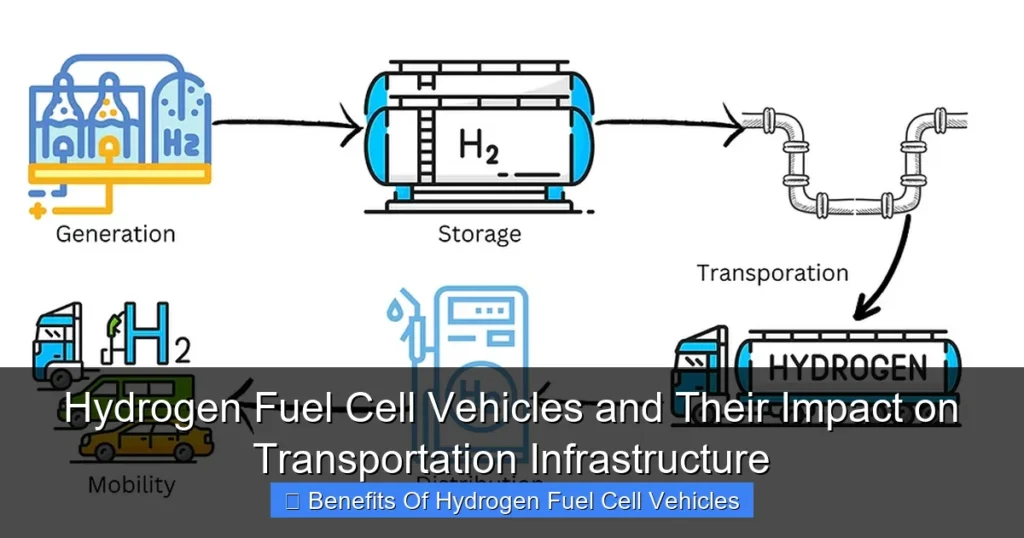
As of 2023, there are over 700 hydrogen refueling stations globally, led by Japan, South Korea, and California. However, most are clustered near urban centers or major highways. For FCVs to dominate, we need:
- Denser Networks: More stations in rural areas and along freight corridors.
- Standardization: Uniform fueling protocols (like ISO 19880) to ensure compatibility.
- Public-Private Partnerships: Governments must incentivize station builders alongside automakers.
Example: California’s $1 billion H2USA program aims to build 200+ stations by 2025, supporting 250,000 FCVs.
Challenges in Distribution
Hydrogen’s low energy density means it requires compression or liquefaction, adding cost and complexity. Key hurdles:
“Building hydrogen pipelines is expensive, especially in regions lacking existing natural gas infrastructure.”
Solutions include:
- Mobile Refuelers: Temporary stations for pilot projects.
- Electrolysis Plants: On-site hydrogen production reduces transport needs.
Grid Integration and Energy Systems
Hydrogen as a Renewable Energy Bridge
Renewables (wind/solar) often face intermittency issues. Excess energy can split water into hydrogen (green hydrogen) for storage, later used in FCVs. This “hydrogen economy” could stabilize grids and decarbonize sectors hard to electrify (e.g., aviation).
Statistic: The U.S. Department of Energy estimates green hydrogen could cut industrial emissions by 30% by 2050.
Powering FCVs with Existing Grids
While FCVs don’t charge directly, hydrogen plants may need grid support. Smart grids and demand-response systems will balance load during peak production times.
Socioeconomic and Environmental Benefits
Job Creation
Scaling hydrogen infrastructure creates jobs in construction, engineering, and maintenance. The International Renewable Energy Agency (IRENA) predicts 3 million global jobs by 2050.
Local Air Quality Improvements
FCVs eliminate tailpipe pollutants critical for urban health. In Tokyo, replacing diesel buses with FCVs reduced nitrogen oxides by 50%.
Barriers to Widespread Adoption
High Costs
- FCVs: Currently cost $100,000–$200,000 (vs. $30,000 for comparable BEVs).
- Hydrogen Production: Grey hydrogen (from fossil fuels) emits CO2; green hydrogen costs ~$4–6/kg due to electrolyzer expenses.
Solution: Government subsidies (e.g., EU’s Innovation Fund) and scaling up renewables will drive prices down.
Storage and Safety Concerns
Hydrogen leaks are rare but possible. Innovations like metal hydrides improve storage safety without high pressure.
The Road Ahead: Policy and Collaboration
For FCVs to thrive, governments, automakers, and utilities must collaborate:
- Policy: Tax credits for hydrogen investments (like the U.S. Inflation Reduction Act).
- R&D: Breakthroughs in cheaper electrolyzers and fuel cell durability.
- Consumer Education: Addressing misconceptions about hydrogen safety.
Conclusion: A Sustainable Future
Hydrogen FCVs aren’t a silver bullet, but they’re vital for decarbonizing transport, especially in sectors where batteries struggle. While infrastructure gaps exist, early adopters—like buses and trucks—prove the technology’s viability. With coordinated efforts, we can unlock hydrogen’s potential, creating cleaner air, resilient grids, and a more equitable mobility landscape. The time to act is now.
—
QUICK Q&A
Question 1?
Answer: FCVs emit only water vapor when operating, making them emission-free compared to gasoline cars. However, hydrogen production methods (e.g., steam methane reforming) can have indirect emissions unless powered by renewables.
Question 2?
Answer: Yes, hydrogen stations can serve both passenger cars and heavy-duty vehicles like trucks. Some stations are designed with high-pressure pumps (>700 bar) for larger tanks.
Question 3?
Answer: It’s still expensive, with green hydrogen costing $4–6/kg. Prices will drop as electrolyzer manufacturing scales up and renewable energy becomes cheaper.
Question 4?
Answer: Yes! Companies like Nikola Motors and Hyundai are developing hydrogen trucks for long-haul freight, aiming to cut logistics emissions.
Question 5?
Answer: Governments (e.g., EU, Japan) and automakers (Toyota, Honda) are investing billions. The goal is 3 million FCVs on the road by 2030.
FAQS
What’s the difference between hydrogen and battery electric vehicles?
BEVs store electricity in batteries and recharge at stations, while FCVs generate electricity onboard using hydrogen. FCVs excel in fast refueling and heavy-duty use, whereas BEVs are better for urban driving with abundant chargers.
Can hydrogen stations be built anywhere?
Yes, but they require space for compressors/liquefaction units and safe storage. Urban areas benefit from proximity to demand, while remote sites need mobile solutions.
Are FCVs safer than gasoline cars?
Hydrogen burns faster but has a wider flammability range than gasoline. Modern FCVs include leak detection systems and materials resistant to hydrogen embrittlement.
How does green hydrogen differ from grey hydrogen?
Green hydrogen is made via electrolysis powered by renewables (zero emissions). Grey hydrogen uses fossil fuels (methane), emitting CO2—a key focus for decarbonization.
Will FCVs replace BEVs completely?
Unlikely. Both technologies will coexist: BEVs suit short-range urban use, while FCVs dominate long-haul and heavy transport due to their range and refueling speed.
Quick Answers to Common Questions
What is Hydrogen fuel cell vehicles and their impact on transportation infrastructure?
Hydrogen fuel cell vehicles and their impact on transportation infrastructure refers to essential knowledge and techniques.
Frequently Asked Questions
What is Hydrogen fuel cell vehicles and their impact on transportation infrastructure?
Hydrogen fuel cell vehicles and their impact on transportation infrastructure is an important topic with many practical applications.