Hydrogen fuel stations in remote areas are no longer a futuristic dream—they’re becoming a reality. With advancements in technology and growing demand for clean energy, these stations are paving the way for zero-emission travel even in the most isolated regions.
Key Takeaways
- Hydrogen fuel stations are expanding beyond cities: Once limited to urban centers, hydrogen refueling infrastructure is now reaching rural and remote locations, enabling long-distance clean travel.
- On-site hydrogen production reduces logistics challenges: Using solar, wind, or hydroelectric power, remote stations can generate hydrogen locally, cutting transportation costs and emissions.
- Government and private partnerships drive growth: Collaborations between energy companies, automakers, and policymakers are accelerating deployment in underserved areas.
- Hydrogen-powered vehicles suit remote needs: From delivery trucks to emergency vehicles, hydrogen fuel cells offer long range and fast refueling—ideal for vast, sparsely populated regions.
- Challenges remain but are being addressed: High initial costs, limited vehicle availability, and technical hurdles are being tackled through innovation and investment.
- Remote stations support energy independence: Communities can reduce reliance on imported fossil fuels by producing and using hydrogen from local renewable sources.
- The future is bright for off-grid hydrogen: As technology improves and costs fall, hydrogen fuel stations in remote areas will play a key role in a sustainable energy transition.
📑 Table of Contents
- Hydrogen Fuel Stations in Remote Areas: Powering the Future Off the Grid
- Why Remote Areas Need Hydrogen Fuel Stations
- How Hydrogen Fuel Stations Work in Remote Locations
- Real-World Examples of Remote Hydrogen Stations
- Overcoming the Challenges of Remote Deployment
- The Role of Policy and Partnerships
- The Future of Hydrogen in Remote Areas
- Conclusion
Hydrogen Fuel Stations in Remote Areas: Powering the Future Off the Grid
Imagine driving across a vast desert, through rugged mountain passes, or along a remote coastal highway—miles from the nearest town, let alone a gas station. Now imagine your vehicle runs on hydrogen, a clean fuel that emits only water vapor. You pull up to a sleek, solar-powered hydrogen fuel station, refuel in minutes, and continue your journey with zero emissions. This isn’t science fiction. It’s the emerging reality of hydrogen fuel stations in remote areas.
For decades, hydrogen fuel cell vehicles (FCVs) have been praised for their environmental benefits and performance. But their adoption has been limited by one major hurdle: infrastructure. Most hydrogen stations are clustered in urban areas like California, Japan, and parts of Europe. Rural and remote regions—where long distances, sparse populations, and limited services define daily life—have been left behind. That’s changing fast.
Thanks to breakthroughs in renewable energy, modular design, and smart logistics, hydrogen fuel stations are now being deployed in some of the most isolated corners of the world. From the Australian Outback to the Canadian Arctic, from island nations to mountainous regions, these stations are proving that clean transportation isn’t just for cities. They’re bringing energy independence, economic opportunity, and environmental progress to places that need it most.
Why Remote Areas Need Hydrogen Fuel Stations
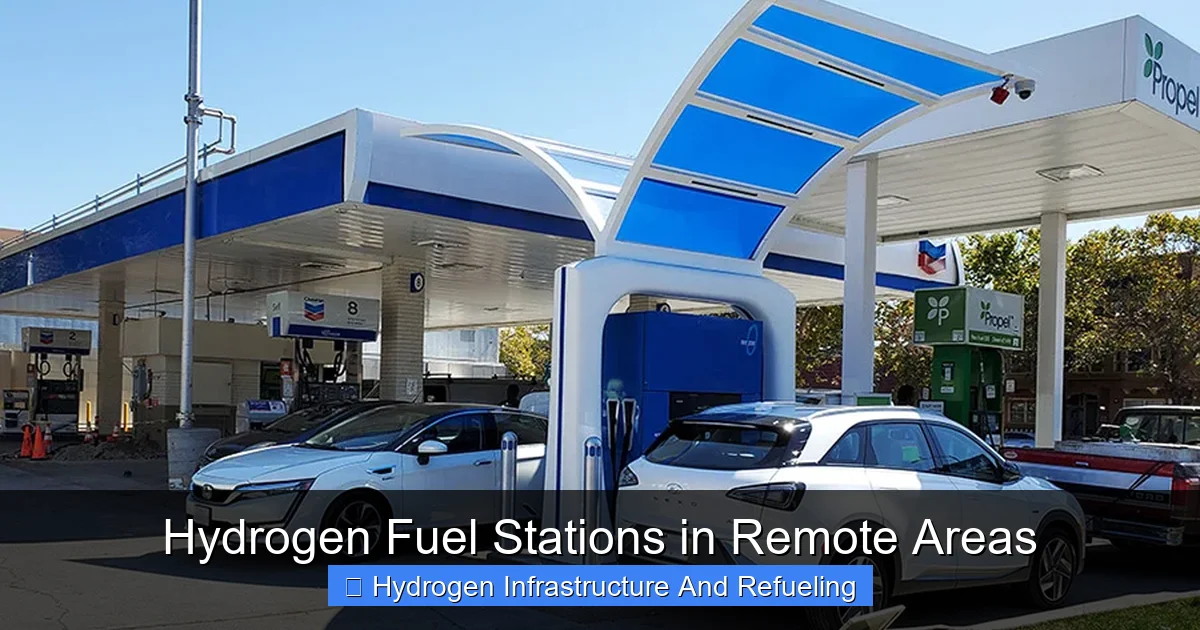
Visual guide about Hydrogen Fuel Stations in Remote Areas
Image source: cafcp.org
Remote regions face unique transportation challenges. Roads may be long and poorly maintained. Fuel supply chains are often fragile, relying on diesel trucks that travel hundreds of miles to deliver gasoline or diesel. This makes fuel expensive, unreliable, and environmentally damaging. In many cases, communities depend on generators that burn fossil fuels, contributing to air pollution and carbon emissions.
Hydrogen offers a compelling alternative. Unlike battery-electric vehicles, which require long charging times and may struggle with extreme temperatures or long distances, hydrogen fuel cell vehicles can travel 300–400 miles on a single tank and refuel in under 10 minutes—similar to conventional cars. This makes them ideal for remote travel, emergency services, freight transport, and public transit in rural areas.
Moreover, hydrogen can be produced locally using renewable energy. In places with abundant sunlight, wind, or hydroelectric power, hydrogen stations can generate fuel on-site through electrolysis—splitting water into hydrogen and oxygen using electricity. This eliminates the need to transport fuel over long distances, reducing costs and emissions.
Consider the example of Iceland, where geothermal and hydroelectric power provide nearly 100% renewable electricity. The country has begun installing hydrogen fuel stations in remote towns like Akureyri and Höfn, enabling clean transportation across its rugged terrain. Similarly, in Australia, the government is funding pilot projects in the Northern Territory to test hydrogen-powered buses and trucks in some of the most isolated communities on the continent.
How Hydrogen Fuel Stations Work in Remote Locations
At first glance, a hydrogen fuel station in a remote area might look like a small, futuristic kiosk. But beneath the surface, it’s a sophisticated system designed for reliability, safety, and sustainability.
On-Site Hydrogen Production
One of the biggest advantages of remote hydrogen stations is the ability to produce fuel locally. Instead of relying on hydrogen delivered by truck—a costly and carbon-intensive process—many remote stations use on-site electrolysis. This process uses electricity from solar panels, wind turbines, or nearby hydroelectric plants to split water (H₂O) into hydrogen (H₂) and oxygen (O₂). The hydrogen is then compressed and stored in high-pressure tanks until needed.
For example, the town of Húsavík in northern Iceland runs a hydrogen station powered entirely by geothermal energy. The station produces enough hydrogen each day to fuel several buses and delivery vehicles, all without importing a single drop of fossil fuel.
Modular and Scalable Design
Remote hydrogen stations are often built using modular components, making them easy to transport, install, and expand. These compact units can be shipped by truck or even helicopter to hard-to-reach locations. Once on-site, they can be set up in a matter of days.
Companies like Plug Power, Nel Hydrogen, and McPhy are leading the way with plug-and-play hydrogen stations designed for off-grid use. These systems include everything needed: electrolyzers, compressors, storage tanks, and dispensers—all housed in weatherproof containers.
In Canada, the town of Iqaluit in Nunavut has installed a modular hydrogen station to support local transit and emergency vehicles. The station uses wind and solar power to produce hydrogen, helping the community reduce its reliance on diesel imports.
Energy Storage and Grid Independence
Hydrogen isn’t just a fuel—it’s also a form of energy storage. In remote areas, where the electrical grid may be weak or nonexistent, hydrogen stations can store excess renewable energy for later use. On sunny or windy days, when solar panels or turbines generate more power than needed, the surplus can be used to produce hydrogen. That hydrogen can then be used to generate electricity during cloudy or calm periods, providing a stable energy supply.
This dual function makes hydrogen stations valuable beyond transportation. They can power homes, schools, and medical clinics, contributing to overall energy resilience.
Real-World Examples of Remote Hydrogen Stations
Around the world, pioneering projects are proving that hydrogen fuel stations can thrive in remote environments. These examples offer valuable lessons and inspiration for future deployments.
Australia’s Outback Hydrogen Highway
Australia is home to some of the most remote communities on Earth. To connect them sustainably, the government has launched the “Hydrogen Highways” initiative, aiming to build a network of hydrogen refueling stations across the Outback. The first station opened in Alice Springs in 2023, powered by a nearby solar farm. It serves hydrogen-powered buses, delivery vans, and even tourist vehicles exploring the Red Centre.
The station uses a 1 MW electrolyzer to produce up to 400 kg of hydrogen per day—enough to fuel 20 vehicles. Local Indigenous communities are involved in the project, providing jobs and training in clean energy technologies.
Greenland’s Arctic Hydrogen Project
In the far north, where temperatures can drop below -40°C, traditional fuels freeze and batteries lose efficiency. Hydrogen fuel cells, however, perform well in cold climates. Greenland is testing hydrogen-powered snowmobiles and boats in the town of Qasigiannguit.
The project uses wind energy to produce hydrogen, which is stored in insulated tanks. The goal is to replace diesel-powered transport in Arctic communities, reducing pollution and fuel costs. Early results show that hydrogen vehicles can operate reliably even in extreme cold, with refueling times under five minutes.
Japan’s Island Hydrogen Network
Japan’s remote islands, such as Shikine-jima and Iriomote, face high fuel costs and limited infrastructure. To address this, the Japanese government is funding hydrogen stations powered by solar and wind energy. These stations support local ferries, taxis, and emergency vehicles.
On Shikine-jima, a small island near Tokyo, a hydrogen station opened in 2022. It produces fuel using a 500 kW solar array and supplies hydrogen to a fleet of fuel cell buses. The project has reduced the island’s diesel consumption by 30% and created new green jobs.
Overcoming the Challenges of Remote Deployment
Despite the promise, building hydrogen fuel stations in remote areas isn’t without challenges. High upfront costs, technical complexity, and limited demand can make projects risky. But innovators and policymakers are finding creative solutions.
High Initial Investment
The biggest barrier is cost. A single hydrogen station can cost between $1 million and $3 million, depending on size and technology. In remote areas, installation and maintenance expenses are even higher due to logistics and labor shortages.
To address this, governments are offering grants, tax incentives, and low-interest loans. In the U.S., the Inflation Reduction Act includes funding for clean hydrogen infrastructure in rural and underserved communities. The European Union’s Green Deal supports similar initiatives across member states.
Private companies are also stepping in. Automakers like Toyota and Hyundai are partnering with energy firms to co-fund stations, ensuring there’s demand for the fuel. For example, Toyota’s “Hydrogen Society” initiative includes plans to deploy mobile hydrogen refuelers that can serve multiple remote locations.
Technical and Safety Concerns
Hydrogen is highly flammable and requires careful handling. In remote areas, where emergency services may be hours away, safety is a top priority. Stations must be designed with multiple layers of protection: leak detection systems, automatic shut-off valves, fire suppression, and remote monitoring.
Fortunately, modern hydrogen stations are built to the highest safety standards. Sensors continuously monitor pressure, temperature, and gas levels. If a problem is detected, the system can shut down automatically and alert technicians via satellite.
Training local operators is also critical. Programs in Iceland, Canada, and Australia include hands-on training for technicians, ensuring that communities can maintain and repair stations independently.
Limited Vehicle Availability
Another challenge is the lack of hydrogen-powered vehicles in remote regions. Most FCVs are still sold in urban markets, and few are designed for off-road or extreme conditions.
However, this is changing. Companies like Nikola, Hyzon, and Ballard are developing hydrogen-powered trucks, buses, and even agricultural equipment. In Australia, mining companies are testing hydrogen-powered haul trucks in remote mines, reducing emissions and fuel costs.
As vehicle availability grows, demand for hydrogen stations will follow—creating a positive feedback loop.
The Role of Policy and Partnerships
Government support and public-private partnerships are essential for scaling hydrogen infrastructure in remote areas. Without coordinated effort, progress will be slow and uneven.
National Hydrogen Strategies
Many countries now have national hydrogen strategies that include remote deployment. The U.S. Department of Energy’s “Hydrogen Shot” aims to reduce the cost of clean hydrogen to $1 per kilogram by 2030. Part of this effort focuses on rural and tribal communities.
In Canada, the Hydrogen Strategy for Canada includes funding for remote and Indigenous communities to develop hydrogen projects. The goal is to create energy sovereignty and economic opportunities in the North.
International Collaboration
Global organizations like the International Energy Agency (IEA) and the Clean Energy Ministerial are promoting knowledge sharing and joint projects. The Hydrogen Council, a group of over 100 companies, is advocating for policies that support hydrogen infrastructure worldwide.
Regional partnerships are also emerging. The Nordic countries—Denmark, Finland, Iceland, Norway, and Sweden—are working together on a cross-border hydrogen network, including stations in remote Arctic towns.
Community Engagement
Successful projects involve local communities from the start. In Alaska, the village of Koyuk is developing a hydrogen station with input from residents, elders, and tribal leaders. The project includes job training, educational programs, and a plan to use hydrogen for heating and electricity.
This bottom-up approach ensures that projects meet real needs and gain public support.
The Future of Hydrogen in Remote Areas
The future looks bright for hydrogen fuel stations in remote areas. As technology improves and costs decline, these stations will become more common, reliable, and affordable.
Falling Costs and Improved Efficiency
The cost of electrolyzers has dropped by 60% over the past decade and is expected to fall further. Advances in materials science are making hydrogen production more efficient, even in low-light or low-wind conditions.
New types of electrolyzers, such as solid oxide and anion exchange membrane (AEM) systems, promise higher efficiency and lower maintenance. These could be game-changers for remote applications.
Integration with Other Technologies
Hydrogen stations won’t operate in isolation. They’ll be part of broader energy ecosystems, integrated with solar farms, wind turbines, battery storage, and smart grids.
In the future, a remote hydrogen station might also serve as a microgrid hub, powering homes, schools, and hospitals. It could even supply hydrogen to nearby industries, such as mining or agriculture.
Expansion to New Regions
As pilot projects prove successful, hydrogen infrastructure will spread to new regions. Latin America, Africa, and Southeast Asia—all home to vast remote areas—are beginning to explore hydrogen solutions.
In Chile, the Atacama Desert—one of the sunniest places on Earth—is being developed as a green hydrogen hub. Remote stations could one day fuel trucks crossing the Andes or supply ships at Pacific ports.
Conclusion
Hydrogen fuel stations in remote areas are more than just a technological achievement—they’re a symbol of progress, equity, and sustainability. They bring clean energy to places that have long been overlooked, empowering communities with independence, resilience, and opportunity.
While challenges remain, the momentum is undeniable. With continued innovation, investment, and collaboration, hydrogen will play a vital role in the global transition to clean transportation. Whether you’re driving through the Australian Outback, sailing around Greenland, or exploring the mountains of Iceland, the future of fuel is already here—and it’s powered by hydrogen.
Frequently Asked Questions
Can hydrogen fuel stations operate in extreme cold or heat?
Yes, hydrogen fuel stations are designed to function in extreme temperatures. Modern systems include insulation, heating elements, and climate-controlled components to ensure safe operation in both Arctic cold and desert heat.
How safe are hydrogen fuel stations in remote areas?
Hydrogen stations are built with multiple safety features, including leak detectors, automatic shut-off valves, and remote monitoring. They meet international safety standards and are regularly inspected to prevent accidents.
Do remote hydrogen stations rely on the electrical grid?
Not necessarily. Many remote stations use on-site renewable energy like solar or wind power, making them fully off-grid and independent of traditional electricity networks.
What types of vehicles can use hydrogen fuel stations in remote areas?
Hydrogen stations can fuel a variety of vehicles, including cars, buses, trucks, delivery vans, and even boats and snowmobiles—especially useful in remote and rural settings.
How long does it take to refuel a hydrogen vehicle?
Refueling a hydrogen vehicle takes about 3 to 10 minutes, similar to filling up a gasoline car—much faster than charging an electric vehicle.
Are there enough hydrogen-powered vehicles to justify remote stations?
While vehicle availability is still growing, demand is increasing as more manufacturers produce hydrogen trucks, buses, and specialty vehicles. Early stations often serve fleets like public transit or delivery services.