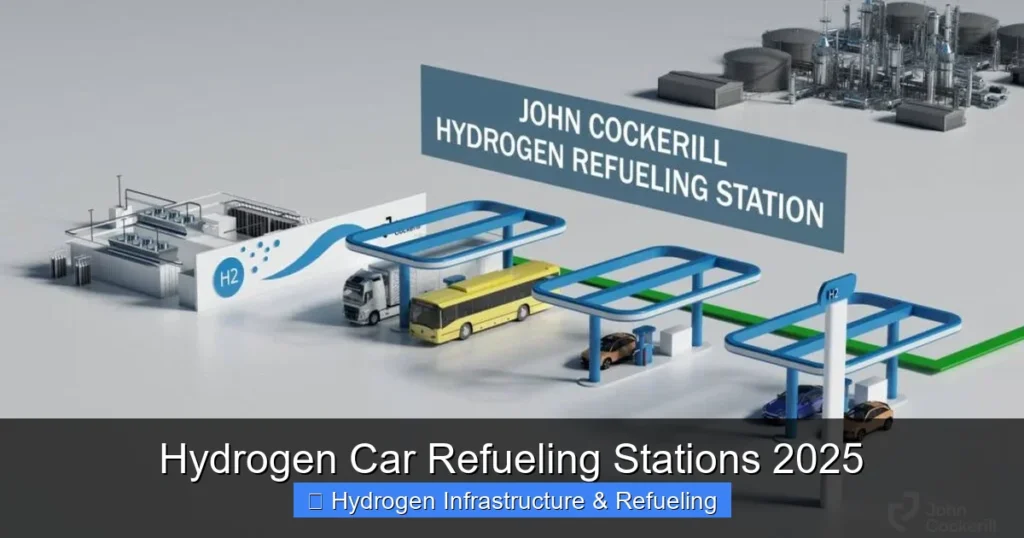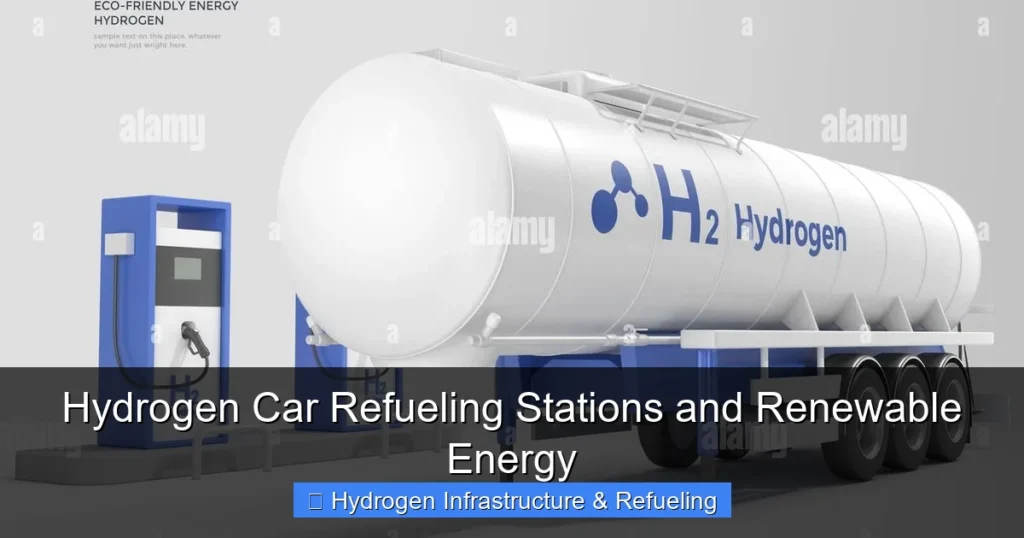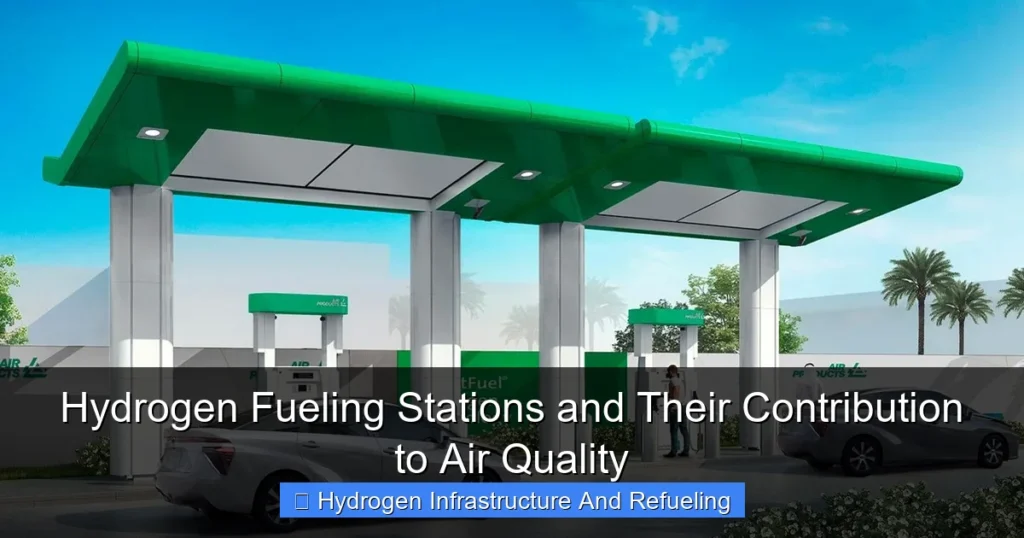
Hydrogen fueling stations are paving the way for cleaner transportation by supporting zero-emission vehicles that emit only water vapor. As cities battle air pollution, these stations play a vital role in reducing harmful emissions and improving public health.
Key Takeaways
- Zero tailpipe emissions: Hydrogen fuel cell vehicles (FCEVs) emit only water vapor, drastically cutting air pollutants like nitrogen oxides and particulate matter.
- Complement to electric vehicles: Hydrogen stations support long-range and heavy-duty transport where battery-electric options face limitations.
- Reduction in urban smog: Widespread FCEV adoption can significantly lower ground-level ozone and smog formation in cities.
- Renewable hydrogen potential: When produced using renewable energy, hydrogen becomes a truly clean fuel with minimal lifecycle emissions.
- Infrastructure growth accelerating: Governments and private companies are rapidly expanding hydrogen refueling networks, especially in California, Europe, and Asia.
- Health benefits from cleaner air: Lower emissions translate to fewer respiratory illnesses and improved quality of life for urban populations.
- Challenges remain: High production costs, energy-intensive compression, and limited station availability still hinder mass adoption.
📑 Table of Contents
- Introduction: The Air We Breathe and the Vehicles We Drive
- How Hydrogen Fueling Stations Work
- The Environmental Impact: Cleaner Air, Healthier Communities
- Hydrogen vs. Battery Electric: A Complementary Future
- Global Progress: Where Hydrogen Stations Are Growing
- Challenges and the Road Ahead
- Conclusion: A Cleaner Future, One Fill-Up at a Time
Introduction: The Air We Breathe and the Vehicles We Drive
Every day, millions of cars, trucks, and buses roll down city streets, leaving behind invisible but dangerous trails of pollution. From exhaust pipes, they release nitrogen oxides (NOx), carbon monoxide (CO), particulate matter (PM2.5), and volatile organic compounds (VOCs)—all of which contribute to smog, respiratory diseases, and climate change. In fact, transportation accounts for nearly a quarter of global CO₂ emissions, making it one of the largest sources of air pollution in urban areas.
But what if we could power our vehicles without burning fossil fuels? What if the only thing coming out of the tailpipe was clean, drinkable water? That’s the promise of hydrogen fuel cell vehicles (FCEVs)—and the infrastructure that supports them: hydrogen fueling stations. These stations are more than just pumps; they’re gateways to a cleaner, healthier future. By enabling vehicles that produce zero tailpipe emissions, hydrogen refueling networks are quietly transforming the way we think about clean transportation.
How Hydrogen Fueling Stations Work
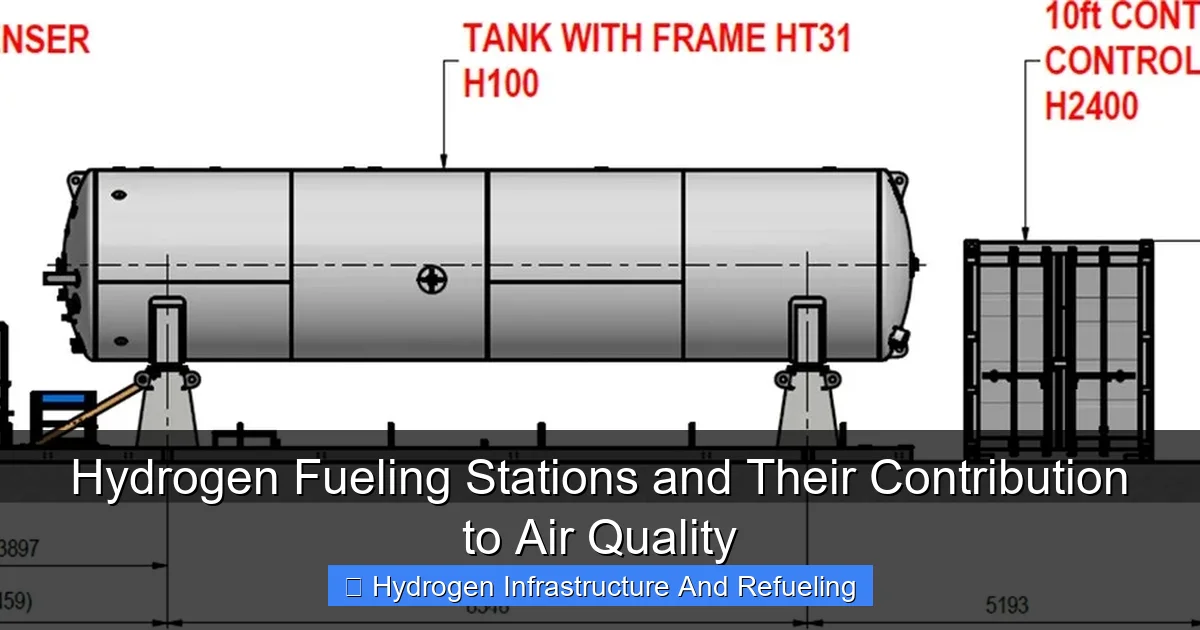
Visual guide about Hydrogen Fueling Stations and Their Contribution to Air Quality
Image source: chartwebstorage.blob.core.windows.net
At first glance, hydrogen fueling stations might look similar to traditional gas stations—complete with pumps, hoses, and payment systems. But beneath the surface, they operate on a completely different principle. Instead of storing and dispensing liquid gasoline or diesel, these stations handle compressed gaseous hydrogen (typically at 350 or 700 bar pressure) or, in some cases, liquid hydrogen.
The Refueling Process
When a hydrogen-powered vehicle pulls up to a station, the driver connects a specialized nozzle to the car’s fuel inlet. The station then transfers high-pressure hydrogen gas directly into the vehicle’s onboard storage tanks. This process is remarkably fast—often taking just 3 to 5 minutes for a full tank, comparable to filling up a conventional car. That’s a major advantage over battery-electric vehicles (BEVs), which can require 30 minutes to several hours for a full charge, depending on the charger type.
Inside the vehicle, the stored hydrogen travels to the fuel cell stack, where it reacts with oxygen from the air in a chemical process called electrochemical conversion. This reaction generates electricity to power the motor—and the only byproduct? Pure water vapor, which exits through the exhaust. No combustion, no smoke, no harmful emissions.
Types of Hydrogen Stations
Not all hydrogen stations are created equal. They vary based on location, scale, and hydrogen source:
– Retail stations: Found in urban areas, these are open to the public and serve passenger FCEVs like the Toyota Mirai or Hyundai NEXO. California leads the U.S. with over 60 operational retail stations.
– Fleet stations: Located at depots or logistics hubs, these serve commercial fleets such as buses, delivery trucks, or forklifts. They’re often larger and designed for high-frequency use.
– Mobile refuelers: Temporary or transportable units used during events, demonstrations, or in areas without permanent infrastructure.
– On-site production stations: Some stations generate hydrogen on-location using electrolysis (splitting water into hydrogen and oxygen with electricity) or steam methane reforming (SMR) of natural gas.
Each type plays a role in building a resilient hydrogen ecosystem, but the most sustainable stations are those that produce hydrogen using renewable energy—such as solar or wind power.
The Environmental Impact: Cleaner Air, Healthier Communities
The most compelling reason to invest in hydrogen fueling infrastructure is its potential to improve air quality. Unlike internal combustion engines, FCEVs produce no tailpipe emissions. That means no NOx, no CO, no hydrocarbons, and no particulate matter—all of which are linked to asthma, bronchitis, heart disease, and premature death.
Reducing Urban Smog and Ground-Level Ozone
In cities like Los Angeles, Beijing, or Delhi, smog is a daily reality. It forms when sunlight reacts with NOx and VOCs from vehicle exhaust, creating ground-level ozone—a key component of photochemical smog. Studies show that replacing just 10% of gasoline-powered vehicles with FCEVs could reduce NOx emissions by up to 30% in high-traffic areas.
For example, in California’s South Coast Air Basin—one of the most polluted regions in the U.S.—the shift toward zero-emission vehicles, including FCEVs, has already led to measurable improvements. According to the South Coast Air Quality Management District, ozone levels have dropped by more than 50% since the 1980s, thanks in part to stricter emissions standards and cleaner technologies like hydrogen.
Particulate Matter and Public Health
Fine particulate matter (PM2.5) is especially dangerous because it can penetrate deep into the lungs and even enter the bloodstream. Long-term exposure is linked to lung cancer, stroke, and cognitive decline. Diesel trucks and buses are major contributors to PM2.5 emissions, but hydrogen-powered heavy-duty vehicles offer a solution.
In ports and freight corridors—where diesel pollution is concentrated—hydrogen fuel cell trucks are being tested and deployed. The Port of Los Angeles, for instance, has launched a pilot program with hydrogen-powered drayage trucks that emit zero particulates. Early results show a dramatic reduction in local air toxins, improving conditions for nearby communities.
Lifecycle Emissions: The Full Picture
While FCEVs themselves are clean, the environmental benefit depends heavily on how the hydrogen is produced. Currently, about 95% of hydrogen is made via steam methane reforming (SMR), which uses natural gas and releases CO₂. This “gray hydrogen” undermines the climate benefits.
However, “green hydrogen”—produced by electrolyzing water using renewable electricity—offers a truly sustainable path. When hydrogen is made this way, the entire lifecycle emissions are minimal. Countries like Germany, Japan, and Australia are investing heavily in green hydrogen projects, aiming to make it cost-competitive with fossil-based alternatives by 2030.
Even “blue hydrogen”—SMR with carbon capture and storage (CCS)—can reduce emissions by up to 90%, making it a transitional solution while green infrastructure scales up.
Hydrogen vs. Battery Electric: A Complementary Future
A common question is whether hydrogen or battery-electric vehicles are the better solution for clean transportation. The answer? Both—depending on the use case.
Strengths of Hydrogen for Heavy-Duty and Long-Range Transport
Battery-electric vehicles excel in passenger cars and short-range applications. But for heavy-duty trucks, buses, ships, and even airplanes, batteries face significant challenges: weight, charging time, and energy density. A fully electric semi-truck might need a battery weighing several tons, reducing cargo capacity and requiring hours to recharge.
Hydrogen, on the other hand, offers high energy density by weight. A hydrogen fuel cell truck can travel 400–600 miles on a single fill-up and refuel in under 15 minutes—making it ideal for long-haul freight and logistics. Companies like Nikola, Hyundai, and Toyota are already testing hydrogen-powered trucks on real-world routes.
Urban Air Quality Benefits Across Vehicle Types
Whether it’s a hydrogen bus in London, a fuel cell taxi in Tokyo, or a hydrogen garbage truck in San Francisco, the air quality benefits are the same: zero local emissions. Cities that deploy hydrogen fleets see immediate improvements in neighborhood air quality, especially in low-income areas near highways and industrial zones.
For example, the city of Aberdeen, Scotland, operates one of the largest fleets of hydrogen buses in Europe. Since launching the program, monitoring stations have recorded a 20% drop in NOx levels along bus routes. Residents report fewer respiratory issues, and the city has become a model for sustainable urban transport.
Synergy, Not Competition
Rather than competing, hydrogen and battery-electric technologies can work together. In a diversified clean transport system, BEVs handle personal cars and city driving, while FCEVs take on heavy-duty, long-range, and high-utilization roles. This balance ensures that all sectors contribute to cleaner air without overburdening the electrical grid or requiring massive battery production.
Global Progress: Where Hydrogen Stations Are Growing
Hydrogen infrastructure is no longer a futuristic concept—it’s expanding rapidly around the world, driven by government policies, corporate investment, and environmental urgency.
California: Leading the U.S. Charge
California is the undisputed leader in hydrogen refueling in North America. With over 60 public stations and more in development, the state supports a growing fleet of FCEVs. The California Energy Commission has committed $20 million annually to expand the network, with a goal of 200 stations by 2025.
The state’s “Hydrogen Highway” initiative, launched in the early 2000s, laid the groundwork for today’s progress. Stations are strategically placed along major freeways, enabling cross-state travel. In 2023, California also passed legislation requiring all new transit buses to be zero-emission by 2029—many of which will be hydrogen-powered.
Europe: A Continental Push
The European Union has made hydrogen a cornerstone of its Green Deal. Countries like Germany, France, and the Netherlands are building extensive refueling networks. Germany alone has over 100 hydrogen stations, with plans to reach 1,000 by 2030.
The H2 Mobility initiative—a partnership between automakers, energy companies, and governments—is deploying stations across Germany, France, and the UK. In Scandinavia, hydrogen ferries and buses are already in service, reducing emissions in sensitive coastal ecosystems.
Asia: Japan and South Korea at the Forefront
Japan and South Korea are global leaders in hydrogen technology. Japan’s “Basic Hydrogen Strategy” aims to create a “hydrogen society” by 2050, with over 160 stations already operational. The country hosted the first hydrogen-powered Olympic Village during the 2020 Tokyo Games, showcasing FCEVs and refueling infrastructure to the world.
South Korea has committed $3.5 billion to hydrogen development, with plans for 31,000 FCEVs and 400 stations by 2030. Hyundai’s NEXO is one of the most popular FCEVs globally, and the company is also exporting hydrogen buses to Europe and the Middle East.
Emerging Markets and Future Potential
While North America, Europe, and Asia lead the way, other regions are beginning to invest. Australia is developing green hydrogen export hubs, while Chile and Saudi Arabia are exploring renewable-powered production. In the U.S., states like New York, Connecticut, and Hawaii are launching pilot programs to test hydrogen in transit and freight.
Even in developing nations, hydrogen could leapfrog traditional infrastructure. In remote areas without reliable electricity, small-scale hydrogen systems powered by solar could provide clean transport and energy.
Challenges and the Road Ahead
Despite the promise, hydrogen fueling stations face significant hurdles. Overcoming them is essential for widespread adoption and maximum air quality benefits.
High Costs and Limited Availability
Building a hydrogen station costs between $1 million and $3 million—far more than a gasoline pump or even a fast-charging EV station. The high cost comes from specialized materials, safety systems, and compression equipment needed to handle high-pressure gas.
As a result, stations are still sparse outside of major urban centers. In the U.S., most are concentrated in California. This “chicken-and-egg” problem—where consumers won’t buy FCEVs without stations, and companies won’t build stations without demand—slows progress.
Energy Efficiency and Production Challenges
Hydrogen is not a primary energy source; it’s an energy carrier. That means it must be produced, stored, and transported—each step requiring energy. Currently, producing hydrogen via electrolysis is only about 60–70% efficient, and compressing it for storage adds more losses. When compared to direct battery charging (which is 70–90% efficient), hydrogen can seem less efficient.
However, for applications where batteries aren’t practical—like aviation or shipping—hydrogen’s energy density makes it indispensable. Advances in electrolyzer technology and renewable integration are steadily improving efficiency.
Safety and Public Perception
Hydrogen has a reputation for being dangerous, thanks to historical events like the Hindenburg disaster. But modern hydrogen systems are designed with multiple safety features: leak detectors, pressure relief devices, and flame arrestors. In fact, hydrogen is lighter than air and disperses quickly, reducing explosion risk compared to gasoline.
Public education is key. Demonstration projects, school programs, and transparent safety data can help build trust. In Japan, hydrogen refueling is as routine as gasoline, thanks to decades of public outreach.
The Need for Policy Support
Government incentives are critical. Tax credits, grants, and low-interest loans can offset the high upfront costs of station construction. The U.S. Inflation Reduction Act includes $8 billion for clean hydrogen hubs, while the EU’s REPowerEU plan allocates €3 billion for hydrogen infrastructure.
Zoning laws, permitting processes, and safety regulations must also evolve to support rapid deployment. Streamlining approvals can cut construction time from years to months.
Conclusion: A Cleaner Future, One Fill-Up at a Time
Hydrogen fueling stations are more than just refueling points—they are catalysts for cleaner air, healthier communities, and a sustainable transport future. By enabling vehicles that emit nothing but water, they offer a powerful tool in the fight against urban pollution and climate change.
While challenges remain—cost, infrastructure, and production methods—the momentum is undeniable. From California’s highways to Tokyo’s streets, hydrogen is proving its value. As green hydrogen production scales and technology improves, the environmental benefits will only grow.
The path to cleaner air isn’t about choosing one technology over another. It’s about building a diverse, resilient system where hydrogen, batteries, and renewables work together. And at the heart of that system are the humble hydrogen fueling stations—quietly transforming the way we move, one clean fill-up at a time.
Frequently Asked Questions
How do hydrogen fueling stations improve air quality?
Hydrogen fueling stations support vehicles that emit only water vapor, eliminating harmful pollutants like nitrogen oxides, carbon monoxide, and particulate matter. This leads to cleaner air, especially in urban areas with high traffic density.
Are hydrogen fueling stations safe?
Yes, modern hydrogen stations are designed with multiple safety systems, including leak detection, automatic shutoffs, and flame arrestors. Hydrogen disperses quickly in open air, reducing explosion risks compared to gasoline.
Can hydrogen be produced without pollution?
Yes, when hydrogen is made using renewable energy (like solar or wind) to split water, it’s called green hydrogen and produces no emissions. This is the most sustainable form of hydrogen production.
How long does it take to refuel a hydrogen car?
Refueling a hydrogen vehicle takes just 3 to 5 minutes—similar to filling up a gasoline car—making it much faster than charging most electric vehicles.
Where are hydrogen fueling stations located?
Most stations are in California, Europe (especially Germany and France), and parts of Asia (Japan and South Korea). Expansion is underway in other regions, including the U.S. Northeast and Australia.
Are hydrogen vehicles better for the environment than electric cars?
Both have environmental benefits. Hydrogen excels in heavy-duty and long-range transport, while battery-electric vehicles are more efficient for passenger cars. The best outcome is a mix of both technologies.