Hydrogen fueling stations are paving the way for zero-emission fleet vehicles, offering rapid refueling and long-range capabilities. As industries shift toward sustainability, these stations provide a practical alternative to electric charging, especially for heavy-duty and long-haul transport.
Key Takeaways
- Hydrogen fueling stations support zero-emission fleet operations: They enable fleets to reduce carbon footprints while maintaining high performance and uptime.
- Refueling is fast—comparable to diesel: Vehicles can be refueled in 5–15 minutes, minimizing downtime for delivery and logistics fleets.
- Ideal for heavy-duty and long-range applications: Hydrogen-powered trucks, buses, and delivery vans excel in routes where battery-electric options fall short.
- Infrastructure is expanding rapidly: Governments and private companies are investing heavily in hydrogen refueling networks across North America, Europe, and Asia.
- On-site production reduces reliance on delivery: Some stations generate hydrogen on-site using electrolysis, cutting transport costs and emissions.
- Fleet operators benefit from incentives and grants: Many regions offer financial support for adopting hydrogen vehicles and building refueling infrastructure.
- Maintenance and safety protocols are well established: With proper training and equipment, hydrogen refueling is as safe as conventional fueling methods.
📑 Table of Contents
- Introduction: The Rise of Hydrogen in Fleet Transportation
- Why Hydrogen for Fleet Vehicles?
- How Hydrogen Fueling Stations Work
- Building a Hydrogen Fueling Network for Fleets
- Cost Considerations and Financial Incentives
- Challenges and How to Overcome Them
- The Future of Hydrogen Fueling for Fleets
- Conclusion: A Cleaner, More Efficient Fleet Future
Introduction: The Rise of Hydrogen in Fleet Transportation
Imagine a delivery truck that refuels in under 10 minutes, runs for 400 miles, and emits nothing but water vapor. That’s not science fiction—it’s the reality of hydrogen-powered fleet vehicles. As businesses and governments push for cleaner transportation, hydrogen fuel cell electric vehicles (FCEVs) are emerging as a powerful solution, especially for fleets that need reliability, range, and speed.
Unlike battery-electric vehicles (BEVs), which can take hours to recharge, hydrogen fuel cell vehicles refuel quickly—just like gasoline or diesel trucks. This makes them ideal for commercial fleets, including delivery vans, transit buses, refuse trucks, and long-haul freight. And with growing investments in hydrogen infrastructure, the dream of a zero-emission fleet is becoming more attainable every year.
Why Hydrogen for Fleet Vehicles?
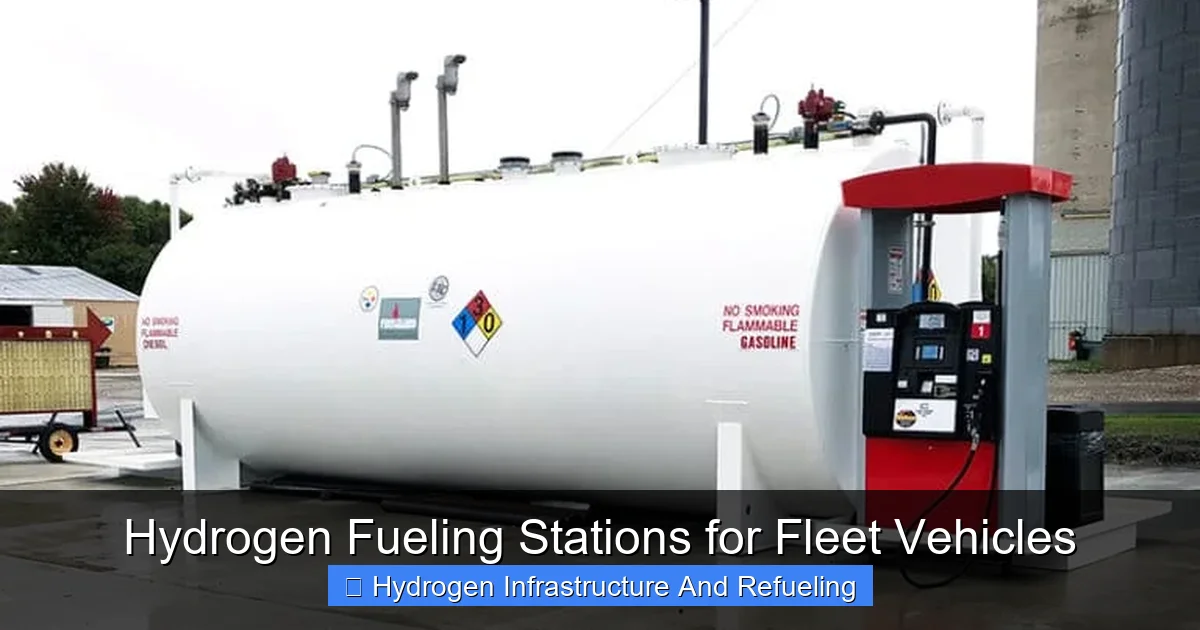
Visual guide about Hydrogen Fueling Stations for Fleet Vehicles
Image source: westmor-ind.com
When it comes to decarbonizing transportation, fleet operators face unique challenges. They need vehicles that can handle long routes, heavy loads, and tight schedules. Battery-electric options are improving, but they still struggle with weight, charging time, and range anxiety—especially for larger vehicles. That’s where hydrogen shines.
Hydrogen fuel cell vehicles convert hydrogen gas into electricity through a chemical reaction, powering an electric motor. The only byproduct is water. This process delivers the benefits of electric propulsion—quiet operation, instant torque, and zero tailpipe emissions—without the limitations of large, heavy batteries.
For example, a hydrogen-powered Class 8 truck can travel up to 500 miles on a single tank and refuel in 15 minutes or less. Compare that to a battery-electric truck, which might need 2–4 hours to recharge and carry significantly more weight due to the battery pack. For fleet operators managing tight delivery windows, that difference is game-changing.
Environmental and Economic Benefits
Switching to hydrogen reduces greenhouse gas emissions, especially when the hydrogen is produced using renewable energy—known as “green hydrogen.” Even when hydrogen is made from natural gas (“gray hydrogen”), FCEVs still produce fewer emissions than diesel trucks over their lifetime.
From an economic standpoint, hydrogen fleets can lower operating costs over time. Fuel cell systems have fewer moving parts than internal combustion engines, which means less maintenance. And as hydrogen production scales up, fuel prices are expected to drop, making it competitive with diesel.
Real-World Fleet Success Stories
Several companies are already reaping the benefits. In California, the Port of Los Angeles operates a fleet of hydrogen-powered drayage trucks to reduce emissions in one of the busiest port areas in the U.S. These trucks refuel at a dedicated hydrogen station near the port, enabling 24/7 operations without range limitations.
In Europe, companies like HyTruck and Hylane are deploying hydrogen trucks for regional freight. Germany’s H2 Mobility network supports over 100 hydrogen fueling stations, many of which serve commercial fleets. And in Japan, Toyota and Hino are testing hydrogen-powered buses for public transit, with plans to expand nationwide.
How Hydrogen Fueling Stations Work
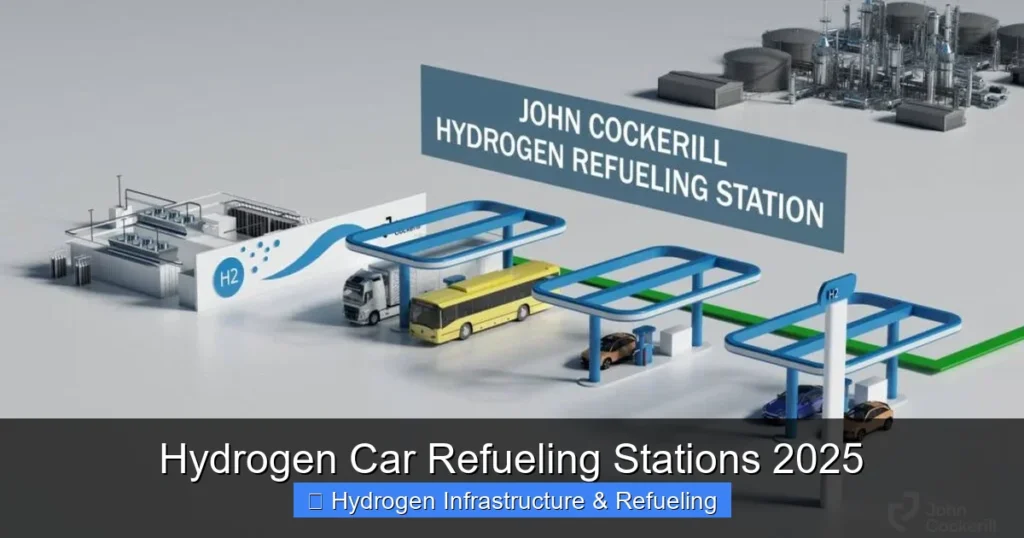
Hydrogen fueling stations are the backbone of FCEV adoption. They store, compress, and dispense hydrogen gas to vehicles safely and efficiently. While they may look similar to gas stations, the technology behind them is quite different.
At a typical station, hydrogen is stored in high-pressure tanks—usually at 350 or 700 bar (5,000 or 10,000 psi). When a vehicle pulls up, a dispenser connects to the fuel port, and hydrogen flows into the vehicle’s onboard tanks. The entire process is automated and takes just a few minutes.
Types of Hydrogen Fueling Stations
There are three main types of hydrogen fueling stations, each suited to different fleet needs:
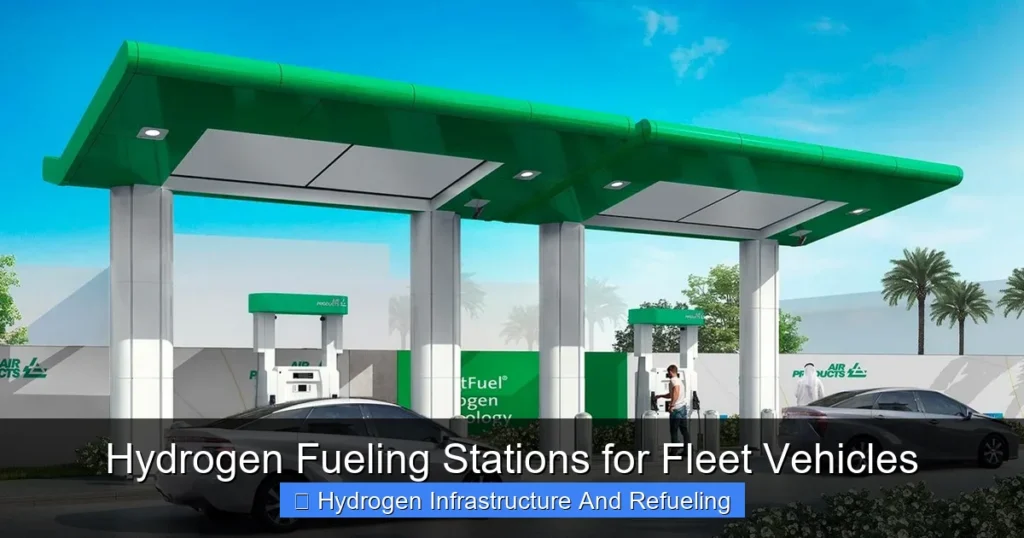
Retail Stations: These are open to the public and often located along highways or in urban centers. They’re ideal for mixed-use fleets or companies testing hydrogen vehicles. Examples include stations operated by Shell, Air Liquide, and ITM Power.
Dedicated Fleet Stations: Built specifically for a single fleet, these stations are often located at depots or logistics hubs. They offer higher capacity and faster refueling, tailored to the fleet’s schedule. For example, Amazon has partnered with Plug Power to build hydrogen stations for its delivery vans in select U.S. cities.
Mobile Refuelers: These are truck-mounted units that deliver hydrogen directly to fleet locations. They’re useful during the early stages of adoption when fixed infrastructure is limited. Companies like Nel Hydrogen and McPhy offer mobile refueling solutions.
On-Site vs. Delivered Hydrogen
Hydrogen can be supplied to stations in two ways: delivered by truck or produced on-site.
Delivered Hydrogen: Most stations today receive hydrogen via tube trailers from centralized production facilities. This method works well in the short term but adds transportation costs and emissions.
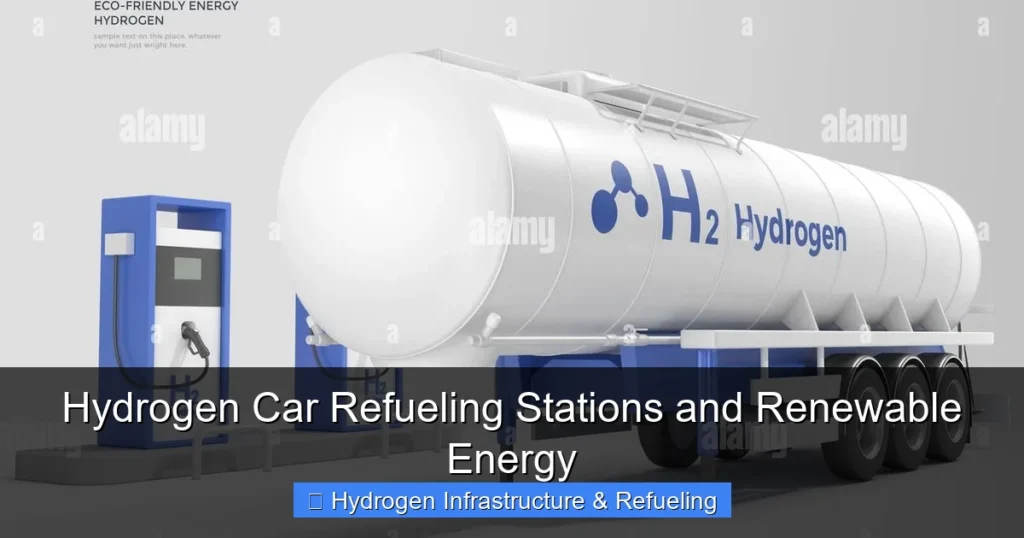
On-Site Production: Some stations generate hydrogen right where it’s needed using electrolysis—splitting water into hydrogen and oxygen using electricity. If the electricity comes from solar or wind, this produces truly green hydrogen. On-site production reduces delivery needs and can lower long-term costs, especially for high-volume fleets.
Safety and Regulations
Safety is a top priority in hydrogen fueling. Hydrogen is flammable, but it’s also lighter than air, so it disperses quickly in open spaces. Stations are equipped with advanced leak detection, ventilation systems, and emergency shut-offs.
Regulations vary by region, but most follow standards from organizations like the National Fire Protection Association (NFPA) and the International Code Council (ICC). In the U.S., the Department of Energy and state agencies provide guidelines for safe hydrogen infrastructure.
Fleet operators should ensure their staff are trained in hydrogen safety protocols. Many manufacturers and station providers offer training programs to help teams handle refueling safely.
Building a Hydrogen Fueling Network for Fleets
For hydrogen to succeed, fleets need reliable access to fuel. That’s why building a robust network of hydrogen fueling stations is critical. Unlike electric charging, which can use existing power grids, hydrogen requires dedicated infrastructure.
Strategic Location Planning
The best locations for hydrogen stations are near fleet depots, logistics hubs, and major transportation corridors. For example, placing a station near a distribution center allows delivery trucks to refuel before and after their routes, minimizing downtime.
In California, the state’s Hydrogen Highway Network focuses on stations along I-5 and I-10, supporting freight movement between ports and inland cities. Similar efforts are underway in Germany, Japan, and South Korea.
Partnerships and Public-Private Collaboration
Building hydrogen infrastructure is expensive, but partnerships can share the burden. Governments often provide grants or tax incentives to offset capital costs. In the U.S., the Bipartisan Infrastructure Law includes $8 billion for hydrogen hubs—regional networks that produce, store, and distribute hydrogen.
Private companies are also stepping up. Toyota, Hyundai, and Nikola are investing in both vehicles and stations. Energy giants like Shell and BP are converting existing gas stations to include hydrogen dispensers.
Scaling Up: From Pilot to Full Deployment
Many fleets start with pilot programs—testing a few hydrogen vehicles and a single refueling station. This allows them to evaluate performance, costs, and driver feedback before scaling up.
For example, the city of Aberdeen, Scotland, launched a hydrogen bus fleet in 2015 with just six vehicles and one station. Today, it operates over 20 hydrogen buses and has expanded its refueling network. This phased approach reduces risk and builds confidence in the technology.
Cost Considerations and Financial Incentives
Adopting hydrogen fleets isn’t cheap—at least not yet. The upfront cost of hydrogen vehicles and fueling stations is higher than diesel or electric alternatives. But several factors are driving costs down, and financial incentives can help bridge the gap.
Current Cost Breakdown
A hydrogen fuel cell truck can cost $1.2 million or more—about three times the price of a diesel truck. A hydrogen fueling station can range from $1 million to $3 million, depending on size and technology.
Hydrogen fuel itself is also expensive, currently around $16 per kilogram in the U.S.—roughly equivalent to $6–$8 per gallon of diesel. However, prices are expected to fall as production scales up and renewable energy becomes cheaper.
Government Incentives and Grants
Many governments offer financial support to encourage hydrogen adoption:
– In the U.S., the Inflation Reduction Act provides tax credits for clean hydrogen production and fleet purchases.
– California’s Hybrid and Zero-Emission Truck and Bus Voucher Incentive Project (HVIP) offers rebates of up to $240,000 per hydrogen truck.
– The European Union’s Innovation Fund supports large-scale hydrogen projects, including refueling infrastructure.
– Japan’s Green Innovation Fund invests in hydrogen supply chains and fleet demonstrations.
These incentives can significantly reduce the total cost of ownership for fleet operators.
Long-Term Savings
While the initial investment is high, hydrogen fleets can save money over time. Fuel cell systems have fewer moving parts than diesel engines, reducing maintenance costs. And as hydrogen production becomes more efficient, fuel prices are expected to drop.
Some fleets also benefit from lower insurance premiums and reduced downtime due to faster refueling. Over a 10-year period, the total cost of ownership for hydrogen trucks could become competitive with diesel—especially in regions with high fuel taxes or emissions penalties.
Challenges and How to Overcome Them
Despite the promise of hydrogen, several challenges remain. Addressing these is key to widespread adoption.
Limited Infrastructure
The biggest hurdle is the lack of hydrogen stations. As of 2024, there are fewer than 200 public hydrogen fueling stations in the U.S., mostly in California. This makes it difficult for fleets to operate outside specific regions.
Solution: Focus on building stations along key freight corridors and at fleet depots. Public-private partnerships and government funding can accelerate deployment.
High Production Costs
Most hydrogen today is produced from natural gas, which isn’t truly clean. Green hydrogen from renewable energy is still expensive due to the cost of electrolyzers and electricity.
Solution: Invest in renewable-powered electrolysis and scale up production. As demand grows, economies of scale will drive prices down.
Public Perception and Safety Concerns
Some people associate hydrogen with the Hindenburg disaster, but modern hydrogen systems are far safer. Still, misinformation can slow adoption.
Solution: Educate drivers, regulators, and the public about hydrogen safety. Share success stories and data from existing fleets.
Vehicle Availability
Not all fleet vehicle types are available as hydrogen models yet. While trucks and buses are leading the way, options for vans and light-duty vehicles are limited.
Solution: Work with manufacturers to prioritize fleet needs. Early adopters can influence product development by expressing demand.
The Future of Hydrogen Fueling for Fleets
The future looks bright for hydrogen in fleet transportation. As technology improves and costs decline, hydrogen fueling stations will become as common as gas stations are today.
Technological Advancements
Innovations in fuel cell efficiency, hydrogen storage, and electrolysis are making the system more viable. Solid-state hydrogen storage, for example, could allow for safer, higher-capacity tanks. Advances in renewable energy integration will make green hydrogen more accessible.
Expansion of Hydrogen Hubs
The U.S. Department of Energy has selected seven regional hydrogen hubs, each focusing on different applications—including transportation. These hubs will connect production, distribution, and refueling, creating self-sustaining ecosystems for hydrogen fleets.
Global Momentum
Countries like Germany, Japan, and South Korea are leading the way with national hydrogen strategies. China is investing heavily in hydrogen trucks for its massive freight industry. As these efforts scale, global supply chains will support faster adoption everywhere.
Integration with Renewable Energy
The ultimate goal is a fully renewable hydrogen economy. Solar and wind farms can power electrolyzers during off-peak hours, producing hydrogen when electricity is cheap. This hydrogen can then fuel fleets during the day, creating a clean, circular energy system.
Conclusion: A Cleaner, More Efficient Fleet Future
Hydrogen fueling stations are more than just a refueling option—they’re a gateway to a cleaner, more efficient future for fleet transportation. With fast refueling, long range, and zero emissions, hydrogen-powered vehicles meet the demanding needs of commercial operations while helping companies meet sustainability goals.
While challenges remain, the momentum is undeniable. Governments, manufacturers, and fleet operators are working together to build the infrastructure and drive innovation. For companies ready to lead the transition, now is the time to explore hydrogen.
Whether you’re running delivery vans, transit buses, or long-haul trucks, hydrogen offers a practical path to decarbonization. By investing in hydrogen fueling stations today, fleet operators can future-proof their operations and contribute to a healthier planet.
The road ahead is clear—and it runs on hydrogen.
Frequently Asked Questions
How long does it take to refuel a hydrogen fleet vehicle?
Refueling a hydrogen vehicle takes about 5 to 15 minutes, similar to filling up a diesel truck. This makes it ideal for fleets that need minimal downtime.
Are hydrogen fueling stations safe?
Yes, hydrogen fueling stations are designed with multiple safety features, including leak detection, ventilation, and automatic shut-offs. With proper training, refueling is as safe as using gasoline or diesel.
Can hydrogen stations be used by multiple fleets?
Yes, many stations are open to multiple fleets or the public. Dedicated stations can also be shared under agreements between companies or municipalities.
What types of vehicles can use hydrogen fueling stations?
Hydrogen stations support a range of vehicles, including trucks, buses, delivery vans, and even forklifts. Most current models are heavy-duty or medium-duty vehicles.
How much does it cost to build a hydrogen fueling station?
Costs range from $1 million to $3 million, depending on size, technology, and whether hydrogen is produced on-site or delivered. Grants and incentives can help offset these costs.
Is hydrogen fueling available outside of California?
While California has the most stations, hydrogen infrastructure is expanding in states like Texas, New York, and Washington, as well as in Europe and Asia. Fleet operators should check regional availability.