Japan is leading the world in hydrogen infrastructure, with over 160 hydrogen fueling stations nationwide. These stations support fuel cell vehicles (FCVs) like the Toyota Mirai and Honda Clarity, helping the country move toward a carbon-neutral future. Government support, private investment, and public-private partnerships are driving rapid expansion.
Japan is quietly building the future of clean transportation—one hydrogen fueling station at a time. While electric vehicles (EVs) dominate headlines in many parts of the world, Japan is betting big on a different kind of zero-emission technology: hydrogen fuel cells. At the heart of this vision is a rapidly expanding network of hydrogen fueling stations that allow drivers to refuel their vehicles in minutes, just like gasoline—but without the emissions. These stations aren’t just futuristic concepts; they’re real, operational, and growing every year.
What makes Japan’s approach unique is its holistic strategy. Unlike countries that focus solely on battery-electric vehicles, Japan sees hydrogen as a versatile energy carrier—useful not just for cars, but for trucks, buses, industrial equipment, and even powering buildings. The government, automakers, energy companies, and local municipalities are all working together to create an ecosystem where hydrogen can thrive. This coordinated effort has positioned Japan as a global leader in hydrogen infrastructure, setting an example for other nations looking to decarbonize their transportation and energy systems.
Key Takeaways
- Japan has the world’s largest hydrogen refueling network: With over 160 operational stations, Japan leads globally in hydrogen infrastructure development.
- Government plays a central role: The Japanese government has set ambitious targets and provides funding to expand hydrogen stations and promote FCV adoption.
- Major automakers are key players: Toyota, Honda, and other manufacturers are investing heavily in hydrogen technology and station deployment.
- Hydrogen stations serve multiple purposes: Beyond cars, they support buses, trucks, forklifts, and even backup power systems.
- Challenges remain: High costs, energy efficiency concerns, and public awareness are hurdles to wider adoption.
- Future expansion is planned: Japan aims for 320 stations by 2030 as part of its national hydrogen strategy.
- Hydrogen is part of a broader energy vision: Japan sees hydrogen as essential for energy security, decarbonization, and technological leadership.
📑 Table of Contents
The Rise of Hydrogen in Japan
Japan’s interest in hydrogen isn’t new. The country has long faced energy security challenges due to its limited natural resources and heavy reliance on imported fossil fuels. After the 2011 Fukushima nuclear disaster, public skepticism about nuclear power grew, prompting a reevaluation of Japan’s energy mix. In response, policymakers began exploring alternative energy sources—and hydrogen emerged as a promising candidate.
Hydrogen, when used in fuel cells, produces only water as a byproduct. It can be produced from a variety of sources, including natural gas, renewable energy, and even waste. For a nation like Japan, which imports nearly all of its oil and gas, hydrogen offers a way to diversify energy supplies and reduce dependence on foreign fuel. Moreover, hydrogen can be stored and transported, making it ideal for balancing intermittent renewable sources like solar and wind.
In 2017, Japan became the first country to release a national hydrogen strategy. The plan outlined a roadmap for building a “hydrogen society”—a future where hydrogen is used widely across transportation, industry, and homes. A key pillar of this vision was the deployment of hydrogen fueling stations to support fuel cell vehicles (FCVs). Since then, the number of stations has grown steadily, with support from both public and private sectors.
Why Hydrogen Over Batteries?
You might wonder: why invest in hydrogen when electric vehicles are already popular? The answer lies in the unique advantages hydrogen offers. First, refueling a hydrogen car takes just 3 to 5 minutes—similar to gasoline—while charging an EV can take anywhere from 30 minutes to several hours, depending on the charger. This makes hydrogen especially appealing for long-haul trucks, taxis, and commercial fleets that can’t afford long downtimes.
Second, hydrogen vehicles have longer ranges. The Toyota Mirai, for example, can travel over 650 kilometers (about 400 miles) on a single tank—far more than most current EVs. This range, combined with quick refueling, makes hydrogen a strong contender for certain transportation segments.
Third, hydrogen can be produced using renewable energy. In regions with abundant solar or wind power, excess electricity can be used to split water into hydrogen and oxygen through electrolysis. This “green hydrogen” is completely carbon-free and aligns with Japan’s climate goals.
How Hydrogen Fueling Stations Work

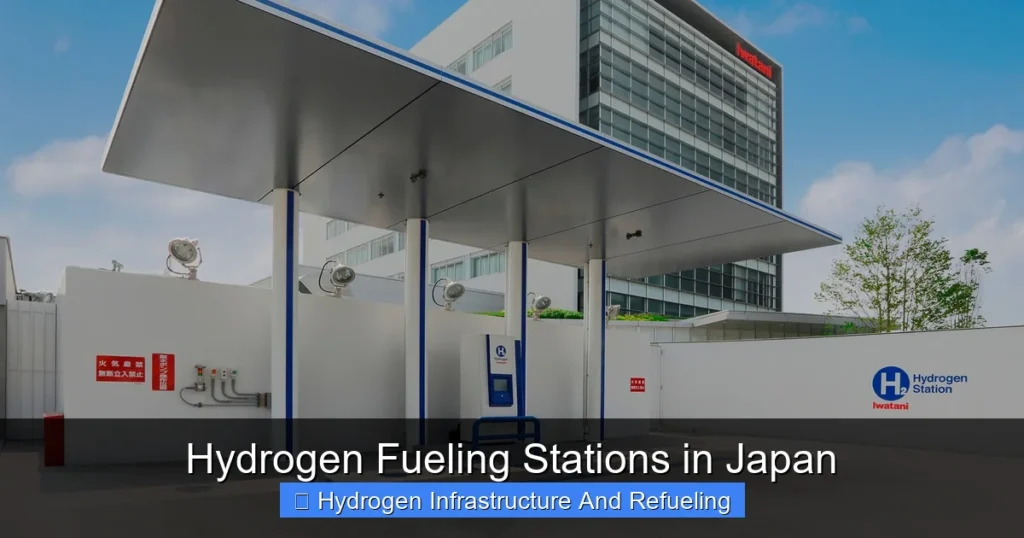
Visual guide about Hydrogen Fueling Stations in Japan
Image source: ipdefenseforum.com
Hydrogen fueling stations may look similar to gas stations, but the technology behind them is quite different. These stations store compressed hydrogen gas in high-pressure tanks and dispense it directly into a vehicle’s fuel cell tank. The process is clean, quiet, and safe when properly managed.
Most stations in Japan use one of two methods to supply hydrogen: on-site production or delivery from off-site facilities. On-site production typically involves electrolysis, where water is split into hydrogen and oxygen using electricity. This method is ideal for locations with access to renewable energy. Off-site delivery, on the other hand, involves transporting hydrogen via tube trailers from centralized production plants. This is more common in areas where building a production facility isn’t feasible.
Types of Hydrogen Stations in Japan
Japan’s hydrogen stations come in various forms to meet different needs:
- Retail stations: Located in urban areas, these are open to the public and resemble traditional gas stations. Drivers can pull up, swipe a card, and refuel in minutes. Examples include stations in Tokyo, Osaka, and Nagoya.
- Fleet stations: These serve specific vehicle fleets, such as taxis, buses, or delivery trucks. They’re often located near depots or transit hubs and may not be open to the public.
- Mobile stations: Some companies use portable hydrogen trailers that can be moved to events, construction sites, or emergency locations. These provide flexibility for temporary or remote needs.
- Integrated energy stations: A few advanced stations combine hydrogen refueling with other services, such as EV charging, solar panels, or battery storage. These “energy hubs” showcase how hydrogen fits into a broader clean energy system.
One standout example is the **H2 Station in Kawasaki**, operated by Iwatani Corporation. This station uses solar power to produce hydrogen on-site and also features a hydrogen-powered forklift for warehouse operations. It’s a real-world demonstration of how hydrogen can support multiple applications beyond passenger cars.
Safety and Regulations
Safety is a top priority at hydrogen stations. Hydrogen is highly flammable, but so is gasoline—and decades of experience have shown that with proper design and protocols, it can be handled safely. Japanese stations follow strict safety standards set by the Ministry of Economy, Trade and Industry (METI) and the International Organization for Standardization (ISO).
Key safety features include:
- Leak detection systems: Sensors monitor for hydrogen leaks and automatically shut down operations if a problem is detected.
- Ventilation systems: Stations are designed with open structures and airflow to prevent gas buildup.
- Emergency shutdown buttons: Easily accessible controls allow staff or customers to halt operations instantly.
- Regular inspections: Stations undergo routine maintenance and safety checks to ensure compliance.
Drivers are also trained on safe refueling procedures. For example, they’re advised to turn off the engine, avoid smoking, and ensure the nozzle is properly connected before dispensing.
Key Players Driving Japan’s Hydrogen Network
Japan’s hydrogen infrastructure isn’t built by one company or government agency—it’s a collaborative effort involving multiple stakeholders. Here are the key players making it happen:
Automakers: Toyota and Honda
Toyota and Honda are at the forefront of hydrogen vehicle development. Toyota’s **Mirai**, launched in 2014, was one of the world’s first mass-produced fuel cell vehicles. The second-generation Mirai, released in 2020, offers improved performance, longer range, and a sleek design. Toyota has also partnered with companies like Hino Motors to develop hydrogen-powered trucks and buses.
Honda, meanwhile, offered the **Clarity Fuel Cell** until 2021 and continues to invest in hydrogen technology. Both companies believe hydrogen is essential for decarbonizing transportation, especially for heavy-duty and long-range applications.
Energy Companies: Iwatani, JXTG, and Others
Energy firms play a critical role in producing, transporting, and dispensing hydrogen. **Iwatani Corporation**, a major gas supplier, operates over 40 hydrogen stations across Japan and is a leader in hydrogen logistics. **JXTG Nippon Oil & Energy** (now ENEOS) has also invested heavily in hydrogen infrastructure, integrating it into its existing fuel network.
These companies are working to lower costs by improving production efficiency and exploring new sources of hydrogen, such as importing liquefied hydrogen from Australia.
Government Support and Funding
The Japanese government has been a strong backer of hydrogen infrastructure. Through METI and the New Energy and Industrial Technology Development Organization (NEDO), it provides subsidies for station construction, vehicle purchases, and R&D. For example, the government covers up to 50% of the cost of building a new hydrogen station.
Local governments also play a role. Cities like Tokyo, Yokohama, and Kobe have launched initiatives to promote hydrogen use, including free or discounted refueling for early adopters.
Public-Private Partnerships
Collaboration is key. The **Japan H2 Mobility (JHyM)** consortium, formed in 2018, includes automakers, energy companies, and financial institutions working together to expand the hydrogen network. JHyM helps coordinate station deployment, share costs, and ensure compatibility across vehicles and infrastructure.
This model has been effective in avoiding duplication and accelerating growth. It also sends a strong signal to consumers that hydrogen is here to stay.
Challenges Facing Hydrogen Infrastructure
Despite progress, Japan’s hydrogen journey isn’t without obstacles. Several challenges must be addressed for hydrogen to reach its full potential.
High Costs
Building a hydrogen station costs between ¥400 million and ¥600 million (about $2.7 to $4 million), far more than a gasoline or EV charging station. The high cost is due to expensive components like compressors, storage tanks, and safety systems. While government subsidies help, long-term sustainability depends on reducing these costs through innovation and scale.
Hydrogen itself is also expensive to produce and transport. Currently, most hydrogen in Japan is made from natural gas, which emits CO₂ unless carbon capture is used. Green hydrogen from renewables is cleaner but still costly due to the price of electrolyzers and electricity.
Energy Efficiency
Hydrogen has an efficiency problem. Converting electricity to hydrogen, compressing it, transporting it, and converting it back to electricity in a fuel cell results in significant energy loss—often 60% or more. In contrast, battery EVs use about 77% of the energy from the grid to power the wheels. Critics argue that this makes hydrogen less efficient than direct electrification.
Proponents counter that hydrogen’s advantages—like fast refueling and long range—justify the trade-off, especially for certain applications. They also point to future improvements in electrolysis and fuel cell efficiency.
Limited Vehicle Availability
There are still relatively few hydrogen-powered vehicles on the road. As of 2023, Japan had around 8,000 FCVs, compared to over 2 million EVs. This low adoption rate makes it hard to justify the high cost of stations. Without more vehicles, stations operate below capacity, increasing per-visit costs.
To address this, automakers are expanding their FCV lineups, and governments are offering incentives like tax breaks and toll exemptions.
Public Awareness and Perception
Many people still don’t know what hydrogen vehicles are or how they work. Misconceptions about safety—fueled by images of the Hindenburg disaster—persist, even though modern hydrogen systems are far safer. Public education campaigns and test-drive events are helping to change perceptions.
The Future of Hydrogen in Japan
Japan’s hydrogen ambitions go far beyond cars. The country envisions a future where hydrogen powers everything from ships and trains to factories and homes. The government’s updated hydrogen strategy aims for 320 fueling stations by 2030 and 1,000 by 2050.
Expansion Plans and Targets
The roadmap includes building stations in rural areas, not just cities, to ensure nationwide access. There’s also a push to integrate hydrogen with renewable energy projects, such as offshore wind farms that produce green hydrogen.
International collaboration is another focus. Japan is working with Australia, Brunei, and the Middle East to import hydrogen, creating a global supply chain. The world’s first liquefied hydrogen carrier, the *Suiso Frontier*, completed a pilot voyage from Australia to Japan in 2022, marking a milestone in hydrogen trade.
Innovations on the Horizon
Technology is evolving rapidly. Researchers are developing more efficient electrolyzers, cheaper fuel cells, and safer storage methods. Solid-state hydrogen storage, for example, could allow hydrogen to be stored at lower pressures, reducing costs and risks.
Japan is also exploring hydrogen use in aviation and shipping. Companies like Kawasaki Heavy Industries are testing hydrogen-powered ferries, while Airbus has partnered with Japanese firms on hydrogen aircraft concepts.
Hydrogen in Daily Life
Beyond transportation, hydrogen is being used in homes and businesses. The **ENE-FARM** system, a residential fuel cell, generates electricity and heat from hydrogen, reducing household carbon emissions. Over 400,000 units have been installed in Japan, showing that hydrogen can play a role in the energy transition at the individual level.
Tips for Using Hydrogen Stations in Japan
If you’re visiting Japan or considering a hydrogen vehicle, here are some practical tips:
- Use the H2 Station Map: The Japan H2 Mobility website and app show real-time locations, availability, and pricing of hydrogen stations.
- Check vehicle compatibility: Not all FCVs use the same nozzle type. Most Japanese vehicles use the JARI standard, which is compatible with domestic stations.
- Plan your route: While stations are concentrated in urban areas, coverage is still limited in rural regions. Plan refueling stops in advance.
- Take advantage of incentives: Some cities offer free or discounted hydrogen for early adopters. Check local programs before you drive.
- Learn the basics: Familiarize yourself with the refueling process—most stations have multilingual instructions and staff assistance.
Conclusion
Japan’s hydrogen fueling stations are more than just refueling points—they’re symbols of a bold vision for a cleaner, more sustainable future. With over 160 stations and counting, the country is proving that hydrogen can be a practical part of the transportation ecosystem. Backed by strong government support, innovative companies, and a culture of collaboration, Japan is paving the way for a hydrogen-powered world.
While challenges like cost and efficiency remain, the progress so far is impressive. As technology improves and adoption grows, hydrogen could play a vital role in decarbonizing not just Japan, but the entire planet. For now, Japan stands as a living laboratory—a place where the future of clean energy is being written, one hydrogen fill-up at a time.
Frequently Asked Questions
How many hydrogen fueling stations are there in Japan?
As of 2024, Japan has over 160 operational hydrogen fueling stations, making it the country with the largest hydrogen refueling network in the world. The government aims to expand this to 320 stations by 2030.
What vehicles can use hydrogen stations in Japan?
Hydrogen stations in Japan primarily serve fuel cell vehicles (FCVs) like the Toyota Mirai and Honda Clarity. They also support hydrogen-powered buses, trucks, forklifts, and other commercial vehicles.
Is hydrogen safe to use as a vehicle fuel?
Yes, hydrogen is safe when handled properly. Japanese stations follow strict safety standards, including leak detection, ventilation, and emergency shutdown systems. Millions of refuelings have occurred worldwide without major incidents.
How long does it take to refuel a hydrogen car?
Refueling a hydrogen vehicle takes about 3 to 5 minutes, similar to gasoline. This is much faster than charging most electric vehicles, making hydrogen ideal for quick turnarounds.
Where are hydrogen stations located in Japan?
Most stations are in major cities like Tokyo, Osaka, Nagoya, and Yokohama. However, the network is expanding to suburban and rural areas as part of Japan’s national hydrogen strategy.
Can tourists use hydrogen stations in Japan?
Yes, tourists with compatible hydrogen vehicles can use public stations. Many stations have multilingual support and accept international payment methods. It’s best to check station availability and compatibility in advance.