Hydrogen fueling stations offer a promising path to zero-emission transportation, but they come with significant infrastructure and cost hurdles. While refueling is fast and emissions are clean, limited availability and high production costs remain key challenges.
Key Takeaways
- Zero Tailpipe Emissions: Hydrogen vehicles emit only water vapor, making them ideal for reducing urban air pollution.
- Fast Refueling: Filling up a hydrogen car takes just 3–5 minutes—similar to gasoline vehicles.
- Limited Infrastructure: As of 2024, there are fewer than 100 public hydrogen stations in the U.S., mostly in California.
- High Production Costs: Most hydrogen is still produced from natural gas, which undermines its environmental benefits.
- Energy-Intensive Process: Producing, compressing, and transporting hydrogen requires significant energy, often from non-renewable sources.
- Growing Investment: Governments and automakers are investing billions to expand hydrogen infrastructure, especially for heavy transport.
- Safety Concerns Addressed: Modern hydrogen stations use rigorous safety protocols, making them as safe as conventional fueling stations.
📑 Table of Contents
- Introduction: The Promise of Hydrogen Mobility
- What Are Hydrogen Fueling Stations?
- Pros of Hydrogen Fueling Stations
- Cons of Hydrogen Fueling Stations
- The Role of Government and Industry in Expanding Hydrogen Infrastructure
- Future Outlook: Will Hydrogen Stations Go Mainstream?
- Conclusion: A Balanced View of Hydrogen Fueling Stations
Introduction: The Promise of Hydrogen Mobility
Imagine pulling up to a fueling station, connecting a nozzle, and filling your car in under five minutes—without releasing a single harmful emission. That’s the vision behind hydrogen fueling stations, a key piece of the puzzle in the global shift toward clean transportation. Unlike electric vehicles (EVs) that rely on batteries and lengthy charging times, hydrogen-powered vehicles use fuel cells to generate electricity on board, emitting nothing but water vapor from the tailpipe. It sounds almost too good to be true.
Hydrogen has long been hailed as a potential game-changer for decarbonizing transportation, especially for vehicles that need long range and quick refueling—like trucks, buses, and even ships. But while the technology is advancing, the reality of hydrogen fueling infrastructure is more complicated. Building a network of stations isn’t just about installing pumps; it involves complex logistics, high costs, and questions about sustainability. So, are hydrogen fueling stations the future of clean mobility, or just a niche solution with limited reach?
What Are Hydrogen Fueling Stations?

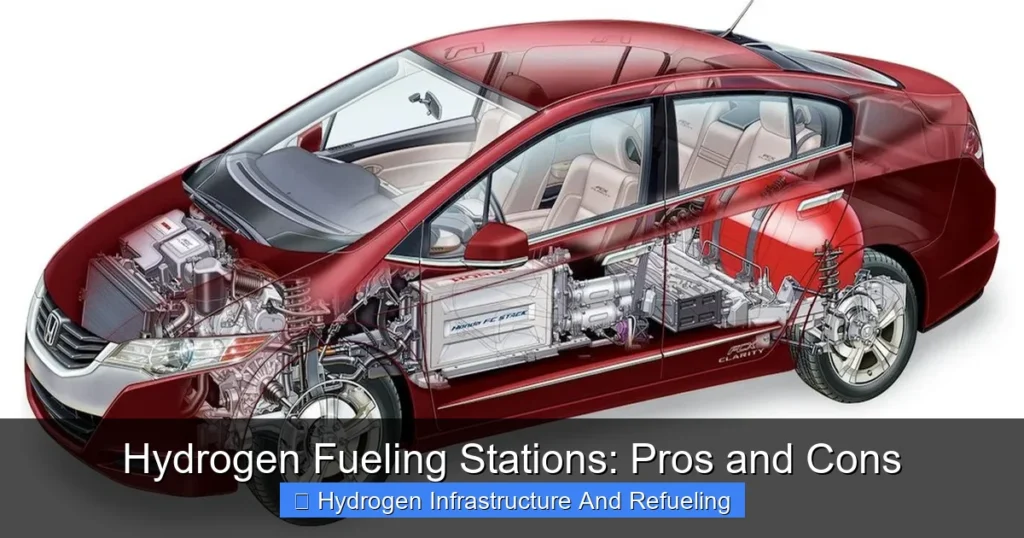
Visual guide about Hydrogen Fueling Stations: Pros and Cons
Image source: slashgear.com
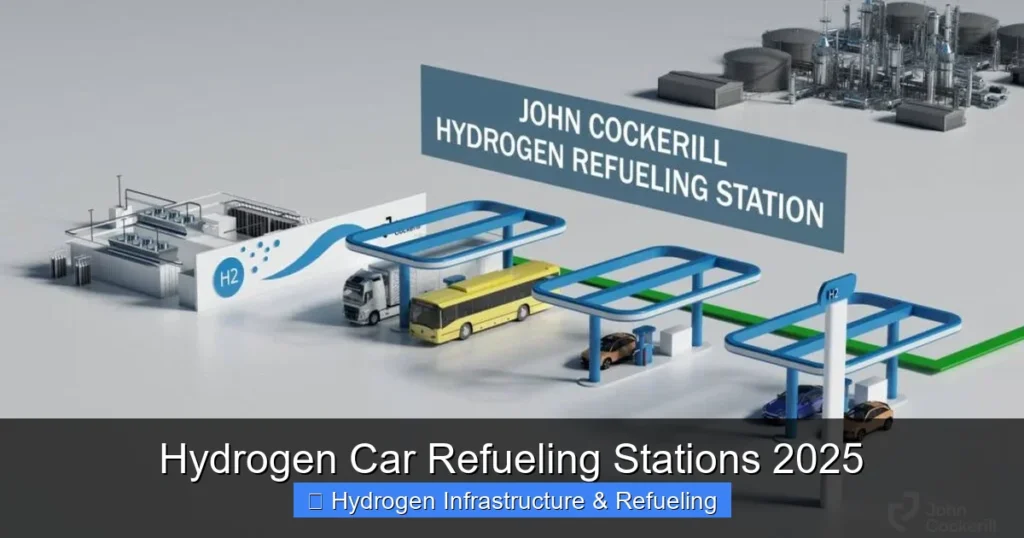
At their core, hydrogen fueling stations are facilities designed to store and dispense compressed hydrogen gas to fuel cell electric vehicles (FCEVs). These stations function similarly to traditional gas stations but are engineered to handle the unique properties of hydrogen—a lightweight, highly flammable gas that requires special handling.
How They Work
When you pull up to a hydrogen station, the process is surprisingly familiar. You open the fuel door, connect the dispenser nozzle to your vehicle’s fuel port, and the station pumps high-pressure hydrogen (typically at 350 or 700 bar) into the onboard storage tanks. The hydrogen then travels to the fuel cell, where it reacts with oxygen from the air to produce electricity, which powers the motor. The only byproduct? Pure water.
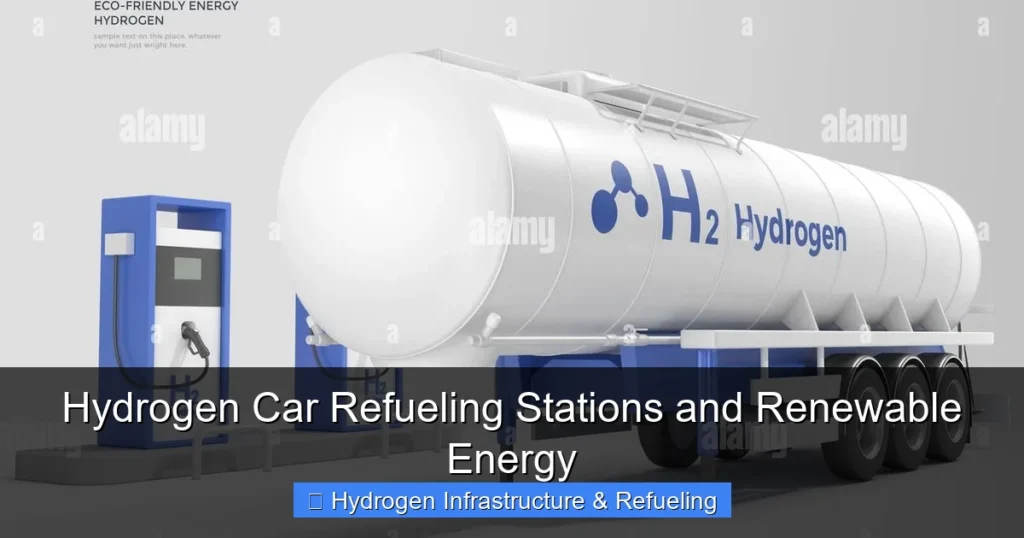
Most modern stations use on-site compression and storage systems. Some larger facilities even produce hydrogen on location through electrolysis—splitting water into hydrogen and oxygen using electricity. Others receive hydrogen via tube trailers from centralized production plants. The choice depends on location, demand, and cost considerations.
Types of Hydrogen Stations
There are three main types of hydrogen fueling stations:
- Retail Stations: Open to the public, often located near highways or in urban centers. These are the most visible and user-friendly, designed for everyday drivers.
- Fleet Stations: Built to serve specific vehicle fleets, such as municipal buses, delivery trucks, or taxis. These are usually private but can help demonstrate hydrogen’s viability at scale.
- Mobile Refuelers: Trailer-mounted units that can be deployed temporarily for events, testing, or emergency support. They’re flexible but not a long-term solution.
Each type plays a role in building a hydrogen ecosystem, but retail stations are critical for consumer adoption.
Pros of Hydrogen Fueling Stations
Despite the challenges, hydrogen fueling stations offer several compelling advantages that make them worth considering in the clean transportation mix.
Zero Tailpipe Emissions
The most obvious benefit is environmental. Hydrogen fuel cell vehicles emit only water vapor and warm air—no carbon dioxide, nitrogen oxides, or particulate matter. This makes them ideal for improving air quality in cities and reducing greenhouse gas emissions from transportation, which accounts for nearly 30% of U.S. emissions.
For example, the Toyota Mirai and Hyundai NEXO, two popular FCEVs, have been driven millions of miles with zero harmful emissions. In regions like California, where air pollution is a major concern, hydrogen vehicles can make a real difference.
Fast Refueling Time
One of the biggest drawbacks of battery electric vehicles (BEVs) is charging time. Even with fast chargers, a full charge can take 30 minutes or more. Hydrogen refueling, by contrast, takes just 3 to 5 minutes—comparable to filling up a gas car. This is a huge advantage for drivers who need to get back on the road quickly, especially long-haul truckers or delivery drivers.
Imagine a delivery fleet that can refuel during a driver’s lunch break instead of waiting hours for a charge. That’s the kind of efficiency hydrogen enables.
Long Driving Range
Hydrogen vehicles typically offer a range of 300 to 400 miles on a single tank—similar to gasoline vehicles and significantly more than most EVs. The Toyota Mirai, for instance, has an EPA-estimated range of 402 miles. This makes hydrogen a strong contender for road trips, rural driving, and commercial applications where range anxiety is a real concern.
Reduced Dependence on Rare Minerals
Unlike lithium-ion batteries used in EVs, hydrogen fuel cells don’t rely heavily on rare earth metals like cobalt or lithium. While fuel cells do use platinum as a catalyst, research is ongoing to reduce or replace it with cheaper alternatives. This could make hydrogen vehicles more sustainable in the long run, especially as mining for battery materials raises environmental and ethical concerns.
Potential for Renewable Integration
When hydrogen is produced using renewable energy—such as solar or wind power—it becomes a truly green fuel. This process, called green hydrogen, involves electrolysis powered by clean electricity. Countries like Germany, Japan, and Australia are investing heavily in green hydrogen projects, aiming to create a closed-loop system where excess renewable energy is stored as hydrogen and used when needed.
For example, the HyDeal Ambition project in Europe aims to produce green hydrogen at scale for under $1.50 per kilogram by 2030—making it competitive with fossil fuels.
Cons of Hydrogen Fueling Stations
Despite their benefits, hydrogen fueling stations face significant hurdles that limit their widespread adoption.
Limited Infrastructure and Availability
As of 2024, there are fewer than 100 public hydrogen fueling stations in the United States, and over 90% are located in California. This makes it nearly impossible to drive a hydrogen car outside the state without careful planning. In contrast, there are over 150,000 gas stations and more than 60,000 public EV charging ports nationwide.
This lack of infrastructure creates a chicken-and-egg problem: automakers are reluctant to sell hydrogen vehicles where there’s no fuel, and investors are hesitant to build stations where there are no vehicles. Until this cycle is broken, hydrogen will remain a niche option.
High Production and Distribution Costs
Producing hydrogen is expensive. Currently, about 95% of hydrogen is made from natural gas through a process called steam methane reforming (SMR), which releases carbon dioxide. This “gray hydrogen” undermines the environmental benefits of fuel cell vehicles.
Even green hydrogen, while cleaner, is costly to produce. Electrolyzers are expensive, and renewable electricity isn’t always available at the right price or time. Transporting hydrogen is also challenging—it’s less energy-dense than gasoline, so it must be compressed or liquefied, which requires energy and specialized equipment.
As a result, hydrogen fuel can cost $12 to $16 per kilogram, which translates to about $60 to $80 to fill a tank. That’s significantly more than gasoline or electricity per mile.
Energy Inefficiency
Hydrogen is not an energy source—it’s an energy carrier. That means energy is lost at every step: from electricity generation to electrolysis, compression, transport, and finally, conversion back to electricity in the fuel cell. Studies show that only about 30–35% of the original energy makes it to the wheels, compared to 70–80% for battery EVs.
In simple terms, it takes more energy to power a hydrogen car than an electric one. This inefficiency raises questions about whether hydrogen is the best use of limited renewable resources.
Safety Concerns (Though Often Overstated)
Hydrogen is highly flammable and invisible when burning, which has led to safety concerns. However, modern hydrogen stations are designed with multiple safety features: leak detection systems, automatic shutoffs, ventilation, and fire suppression. Hydrogen is also lighter than air, so it disperses quickly if released, reducing the risk of explosion.
In fact, hydrogen has been used safely in industrial applications for over a century. The Hindenburg disaster, often cited as a cautionary tale, was caused by the flammable outer coating—not the hydrogen itself. Today’s safety standards are far more rigorous.
Still, public perception remains a barrier. Many people are unfamiliar with hydrogen technology and may hesitate to adopt it without education and transparency.
Slow Adoption and Market Uncertainty
While hydrogen has potential, the market is still small. In 2023, fewer than 3,000 hydrogen vehicles were sold in the U.S., compared to over 1.2 million EVs. Automakers like Toyota and Hyundai continue to support hydrogen, but others, including Tesla and General Motors, have shifted focus to battery electric vehicles.
This lack of commitment creates uncertainty for investors and consumers alike. Without strong policy support and consumer demand, hydrogen may struggle to gain traction.
The Role of Government and Industry in Expanding Hydrogen Infrastructure
Despite the challenges, governments and private companies are investing in hydrogen as part of broader climate strategies.
Government Incentives and Policies
The U.S. Department of Energy’s H2@Scale initiative aims to advance hydrogen production, storage, and use across multiple sectors. The Inflation Reduction Act of 2022 includes tax credits for clean hydrogen production, which could lower costs and encourage investment.
California leads the way with its Zero-Emission Vehicle (ZEV) mandate and funding for hydrogen stations through the California Energy Commission. The state has committed to building 200 stations by 2025, though progress has been slower than expected.
Internationally, the European Union, Japan, and South Korea have launched national hydrogen strategies, aiming to create hydrogen economies by 2050.
Private Sector Innovation
Companies like Air Liquide, Shell, and Toyota are partnering to build hydrogen networks. For example, Shell has opened hydrogen stations in California and Germany, while Toyota is working with fueling providers to support its Mirai customers.
Startups are also emerging with new technologies. HyPoint, for instance, is developing high-temperature fuel cells that could improve efficiency and reduce costs. Meanwhile, companies like Plug Power and Nel Hydrogen are scaling up electrolyzer production to meet growing demand.
Focus on Heavy-Duty Transport
One area where hydrogen shines is in heavy-duty applications. Trucks, buses, and trains require long range and quick refueling—needs that batteries struggle to meet due to weight and charging time. Hydrogen fuel cells offer a viable alternative.
For example, the Port of Los Angeles is testing hydrogen-powered drayage trucks to reduce emissions. In Europe, Alstom’s hydrogen trains are already in service in Germany. These early adopters could pave the way for broader use.
Future Outlook: Will Hydrogen Stations Go Mainstream?
The future of hydrogen fueling stations depends on several factors: technological advances, cost reductions, policy support, and consumer acceptance.
Experts predict that hydrogen will play a complementary role to battery electric vehicles, not replace them. While EVs dominate passenger cars, hydrogen may be better suited for long-haul trucking, aviation, and industrial processes.
By 2030, global hydrogen demand could reach 200 million tons annually, up from about 95 million tons today, according to the International Energy Agency. Much of this growth will come from green hydrogen, driven by falling renewable energy prices and stricter climate policies.
However, for hydrogen stations to become common, several things must happen:
- Production costs must fall below $2 per kilogram to compete with gasoline.
- More renewable-powered electrolyzers must come online.
- Governments must continue funding infrastructure and offering incentives.
- Automakers must commit to producing more affordable FCEVs.
It’s a tall order, but not impossible. With the right investments and coordination, hydrogen could become a key part of a clean energy future.
Conclusion: A Balanced View of Hydrogen Fueling Stations
Hydrogen fueling stations represent a bold step toward a cleaner, more sustainable transportation system. They offer fast refueling, zero emissions, and long range—advantages that make them especially appealing for certain applications. But they also face real challenges: high costs, limited infrastructure, and energy inefficiencies that can’t be ignored.
The truth is, hydrogen isn’t a silver bullet. It’s one tool among many in the fight against climate change. For everyday drivers, battery electric vehicles may still be the more practical choice. But for industries that need heavy-duty, long-range solutions, hydrogen could be a game-changer.
As technology improves and investments grow, hydrogen fueling stations may become more common—especially in regions with strong policy support and renewable energy resources. But for now, they remain a promising but niche part of the clean mobility landscape.
If you’re considering a hydrogen vehicle, do your research. Check station availability in your area, compare total cost of ownership, and think about your driving needs. And if you’re not ready to make the switch, stay informed—hydrogen’s role in transportation is still evolving, and the next decade could bring big changes.
One thing is certain: the future of fuel isn’t one-size-fits-all. It’s a mix of electric, hydrogen, biofuels, and more—each playing a part in building a cleaner world.
Frequently Asked Questions
How many hydrogen fueling stations are there in the U.S.?
As of 2024, there are fewer than 100 public hydrogen fueling stations in the United States, with the vast majority located in California. This limited network makes long-distance travel challenging for hydrogen vehicle owners.
Are hydrogen fueling stations safe?
Yes, modern hydrogen stations are designed with multiple safety features, including leak detection, automatic shutoffs, and ventilation systems. Hydrogen disperses quickly in air, reducing explosion risks, and the technology has been used safely in industry for decades.
How long does it take to refuel a hydrogen car?
Refueling a hydrogen vehicle takes just 3 to 5 minutes, similar to filling up a gasoline car. This is significantly faster than charging a battery electric vehicle, even with fast chargers.
Is hydrogen fuel expensive?
Yes, hydrogen fuel currently costs between $12 and $16 per kilogram, which can make it more expensive per mile than gasoline or electricity. However, prices are expected to fall as production scales up and green hydrogen becomes more common.
Can hydrogen be produced using renewable energy?
Yes, hydrogen can be produced through electrolysis using solar, wind, or hydroelectric power. This “green hydrogen” is emissions-free and key to making hydrogen a truly sustainable fuel.
Will hydrogen stations become as common as gas stations?
It’s unlikely in the near term due to high costs and infrastructure challenges. However, hydrogen stations may become more common in specific regions or for heavy-duty transport, especially with government support and technological advances.