Hydrogen refueling stations are revolutionizing public transit by enabling zero-emission bus and shuttle fleets to operate efficiently and sustainably. These stations support fuel cell electric vehicles (FCEVs) with fast refueling, long range, and reduced environmental impact—making them a key player in the clean transportation transition.
Key Takeaways
- Hydrogen refueling stations enable zero-emission public transit: They power fuel cell electric buses and shuttles without producing tailpipe emissions, supporting climate goals and cleaner urban air.
- Fast refueling and long range make hydrogen ideal for transit: Buses can refuel in under 15 minutes and travel 300–400 miles on a single tank—outperforming many battery-electric options.
- Stations can be centralized or mobile: Fixed stations serve large depots, while mobile refuelers offer flexibility for smaller fleets or temporary routes.
- Green hydrogen production is key to sustainability: When made using renewable energy, hydrogen becomes a truly clean fuel with minimal lifecycle emissions.
- Government incentives and partnerships drive adoption: Federal and state programs, along with public-private collaborations, are accelerating infrastructure deployment.
- Challenges include cost and supply chain: High upfront costs and limited hydrogen supply remain barriers, but innovation and scale are driving improvements.
- The future is hybrid-ready: Many transit agencies are adopting mixed fleets, combining hydrogen and battery-electric buses for optimal performance and resilience.
📑 Table of Contents
- Introduction: The Rise of Hydrogen in Public Transit
- What Are Hydrogen Refueling Stations?
- Why Hydrogen for Public Transit?
- Building the Infrastructure: Challenges and Solutions
- Real-World Examples of Hydrogen Transit Success
- The Future of Hydrogen Refueling for Transit
- Conclusion: A Clean, Connected Future
Introduction: The Rise of Hydrogen in Public Transit
Imagine a city where buses glide silently through streets, leaving behind nothing but clean air and the quiet hum of electric motors. No diesel fumes. No constant recharging stops. Just reliable, long-range transit powered by a fuel that’s as clean as it is efficient. That future is already here—thanks to hydrogen refueling stations and the fuel cell electric vehicles (FCEVs) they support.
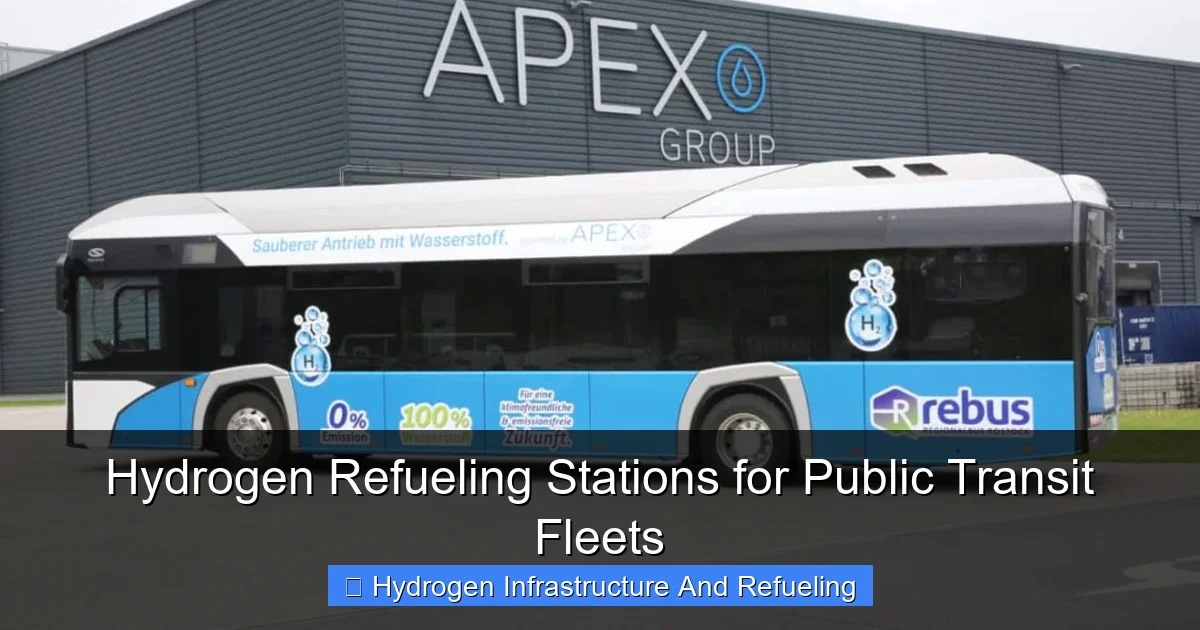
Public transit agencies across the globe are turning to hydrogen as a powerful solution to decarbonize their fleets. While battery-electric buses have gained attention for their zero emissions, they often face limitations in range, charging time, and performance in extreme temperatures. Hydrogen-powered buses, on the other hand, offer a compelling alternative: they refuel quickly, travel farther, and perform well in cold weather—making them ideal for high-demand transit routes.
But none of this is possible without the backbone of the system: hydrogen refueling stations. These facilities are the unsung heroes of the clean transit revolution, quietly enabling fleets to operate efficiently, sustainably, and reliably. From urban centers in California to rural routes in Scandinavia, hydrogen refueling infrastructure is proving its value in real-world applications.
What Are Hydrogen Refueling Stations?
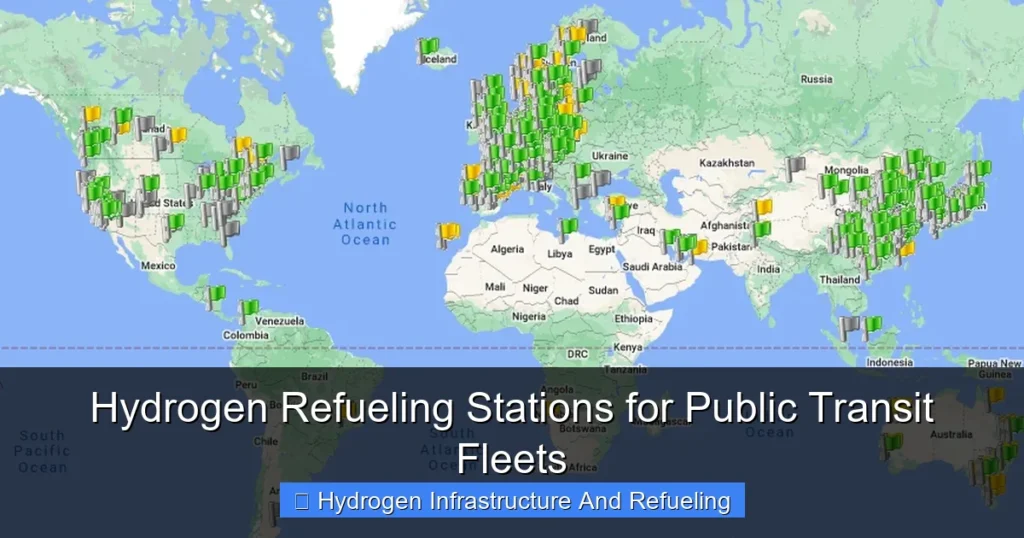
Visual guide about Hydrogen Refueling Stations for Public Transit Fleets
Image source: hydrogen-central.com
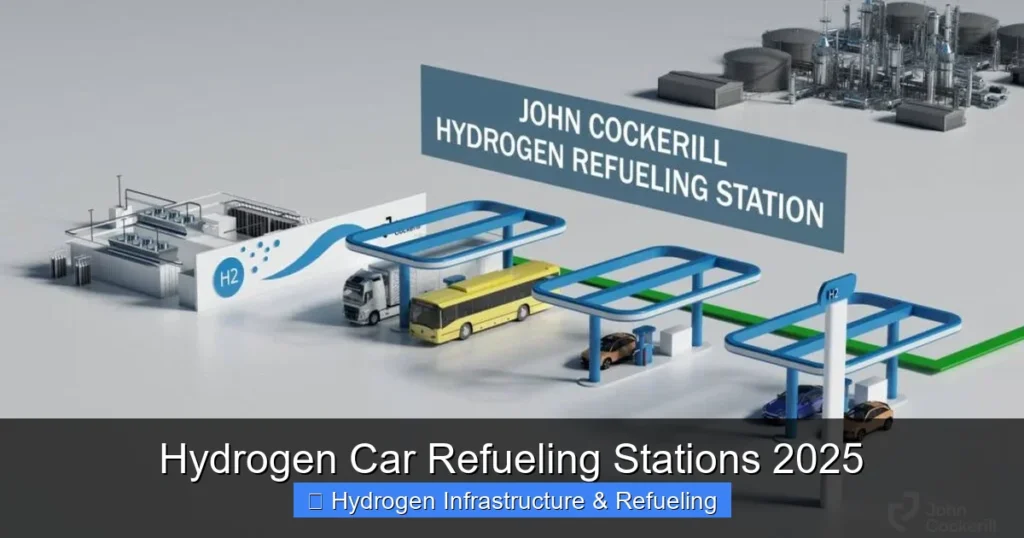
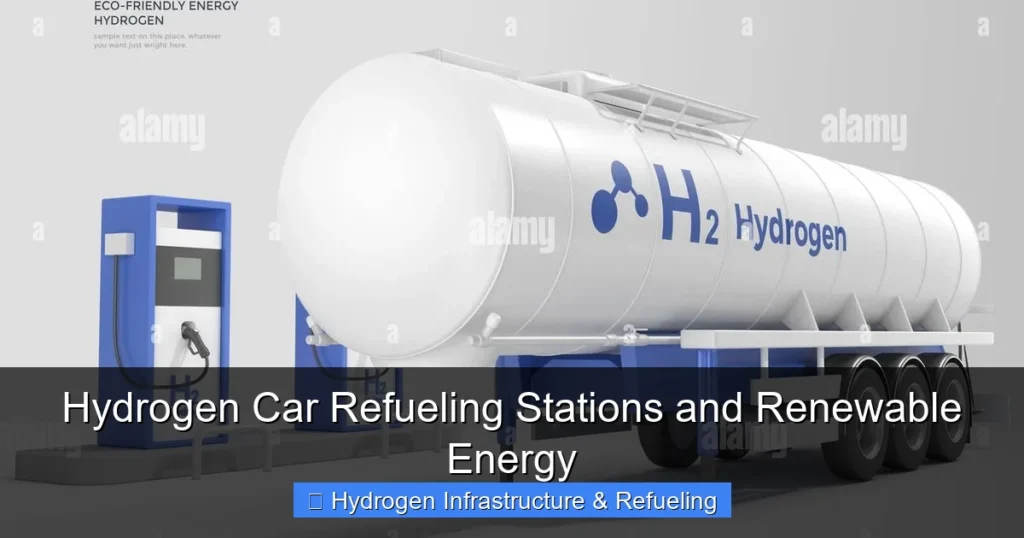
At their core, hydrogen refueling stations are specialized facilities designed to store and dispense hydrogen gas to fuel cell electric vehicles. Think of them as the gas stations of the future—but instead of pumping gasoline, they deliver compressed hydrogen that powers an onboard fuel cell to generate electricity and drive the vehicle.
These stations come in various sizes and configurations, tailored to the needs of different transit operations. Some are large, permanent installations at bus depots, capable of refueling dozens of vehicles per day. Others are compact, mobile units that can be deployed temporarily or moved between locations as needed.
How Hydrogen Refueling Works
The process begins with hydrogen production—either on-site or delivered from a central facility. The gas is then compressed to high pressures (typically 350 or 700 bar) and stored in secure tanks. When a bus arrives for refueling, a specialized nozzle connects to the vehicle’s tank, and hydrogen is transferred in a matter of minutes—similar to filling up a diesel bus.
Safety is a top priority. Hydrogen is lighter than air and disperses quickly, reducing the risk of accumulation. Stations are equipped with advanced monitoring systems, leak detectors, and emergency shutdown protocols to ensure safe operation. In fact, hydrogen refueling has a strong safety record, with rigorous standards set by organizations like the Society of Automotive Engineers (SAE) and the National Fire Protection Association (NFPA).
Types of Hydrogen Refueling Stations
There are three main types of hydrogen refueling stations used in public transit:
- Centralized Stations: Located at major transit depots, these large-scale facilities serve entire fleets. They often include on-site hydrogen production (via electrolysis or steam methane reforming) and high-capacity storage. Examples include the AC Transit station in Oakland, California, which supports over 20 hydrogen buses.
- Decentralized Stations: Smaller, standalone units placed at strategic locations along transit routes. These are ideal for agencies with distributed operations or limited depot space. They typically receive hydrogen via tube trailers from off-site producers.
- Mobile Refuelers: Trailer-mounted units that can be driven to different locations. These are perfect for pilot programs, emergency backup, or seasonal routes. The City of Lancaster, California, uses mobile refuelers to support its growing hydrogen bus fleet.
Each type offers unique advantages depending on fleet size, route structure, and budget. The key is matching the station design to the operational needs of the transit agency.
Why Hydrogen for Public Transit?
So why are transit agencies choosing hydrogen over other clean technologies? The answer lies in a combination of performance, practicality, and environmental benefits.
Fast Refueling, Long Range
One of the biggest advantages of hydrogen is refueling speed. A typical hydrogen bus can be refueled in 10 to 15 minutes—comparable to diesel and far faster than charging a battery-electric bus, which can take several hours. This is crucial for transit operators who need to keep buses on the road with minimal downtime.
Range is another major benefit. Hydrogen buses can travel 300 to 400 miles on a single tank, depending on the model and driving conditions. That’s enough to cover multiple routes in a day without needing to return to the depot for refueling. In contrast, many battery-electric buses are limited to 150–250 miles, requiring mid-day charging or battery swaps.
Performance in Extreme Conditions
Cold weather can severely impact battery performance, reducing range and charging speed. Hydrogen buses, however, are largely unaffected by temperature. They start reliably in freezing conditions and maintain full range, making them ideal for northern climates or winter operations.
This reliability is a game-changer for transit agencies in regions like Canada, Scandinavia, and the northern U.S., where winter weather can cripple battery-electric fleets. For example, the city of Whistler, British Columbia, operates hydrogen buses that perform consistently in sub-zero temperatures—something their battery counterparts struggle with.
Zero Tailpipe Emissions
Like battery-electric vehicles, hydrogen buses produce zero tailpipe emissions. The only byproduct of the fuel cell reaction is water vapor. This makes them a powerful tool for improving urban air quality and meeting climate targets.
But the environmental benefits depend on how the hydrogen is produced. When hydrogen is made using renewable energy—such as wind or solar power—it’s called “green hydrogen” and has a near-zero carbon footprint. Even when produced from natural gas (“gray hydrogen”), it still results in lower emissions than diesel.
Transit agencies are increasingly prioritizing green hydrogen to maximize sustainability. For instance, the Alameda-Contra Costa Transit District (AC Transit) in California sources hydrogen from renewable natural gas and plans to transition to 100% green hydrogen in the coming years.
Building the Infrastructure: Challenges and Solutions
While the benefits are clear, deploying hydrogen refueling stations isn’t without challenges. Cost, supply chain, and regulatory hurdles can slow adoption. But with smart planning and collaboration, these barriers are being overcome.
High Upfront Costs
The biggest obstacle is cost. Hydrogen refueling stations are expensive to build—often ranging from $1 million to $3 million per station, depending on size and complexity. This includes equipment like compressors, storage tanks, dispensers, and safety systems.
However, costs are coming down as technology improves and production scales up. Government grants and incentives are also helping. In the U.S., the Federal Transit Administration (FTA) offers funding through programs like the Low or No Emission Vehicle Program, which has supported hydrogen infrastructure projects in cities like Chicago, Birmingham, and Honolulu.
Limited Hydrogen Supply
Another challenge is the availability of hydrogen. Unlike electricity, which is widely distributed, hydrogen production and distribution infrastructure is still developing. Most hydrogen today is produced at centralized facilities and transported via truck, which can be costly and logistically complex.
To address this, some transit agencies are investing in on-site hydrogen production. Electrolyzers—devices that split water into hydrogen and oxygen using electricity—can be installed at depots and powered by renewable energy. This reduces reliance on external suppliers and supports energy independence.
For example, the SunLine Transit Agency in California operates one of the first solar-powered hydrogen refueling stations in the U.S. The system uses rooftop solar panels to generate electricity, which powers an electrolyzer to produce green hydrogen on demand.
Regulatory and Safety Considerations
Hydrogen is a highly flammable gas, which raises legitimate safety concerns. However, it’s important to note that hydrogen has been used safely in industrial applications for decades. Modern refueling stations are designed with multiple layers of protection, including:
- Leak detection sensors
- Automatic shutoff valves
- Ventilation systems
- Fire suppression equipment
- Remote monitoring and control
Regulations are also evolving to support safe deployment. The NFPA 2: Hydrogen Technologies Code provides comprehensive guidelines for the design, installation, and operation of hydrogen systems. Many transit agencies work closely with fire marshals and safety experts to ensure compliance and community confidence.
Real-World Examples of Hydrogen Transit Success
Theory is one thing—but real-world results speak volumes. Around the world, transit agencies are proving that hydrogen refueling stations can deliver reliable, sustainable service.
AC Transit (California, USA)
AC Transit operates one of the largest hydrogen bus fleets in North America. Based in the San Francisco Bay Area, the agency has deployed over 20 hydrogen fuel cell buses and built a state-of-the-art refueling station at its Emeryville depot. The station includes on-site hydrogen production and can refuel up to 30 buses per day.
The results? Zero emissions, 99% uptime, and positive feedback from drivers and riders. AC Transit reports that hydrogen buses perform as well as—or better than—their diesel counterparts, with quieter operation and smoother acceleration.
Whistler (British Columbia, Canada)
In 2010, Whistler became one of the first cities in North America to launch a hydrogen bus fleet. The resort town used hydrogen buses during the Winter Olympics and continued the program due to their excellent cold-weather performance.
The refueling station, located at the transit depot, receives hydrogen via truck from a production facility in Vancouver. Despite the logistical challenge, the system has proven reliable and cost-effective over more than a decade of operation.
Copenhagen (Denmark)
Copenhagen is leading the way in Europe with its commitment to green hydrogen. The city operates hydrogen buses on key urban routes and has built a refueling station powered by wind energy. The hydrogen is produced via electrolysis using excess wind power, making it 100% renewable.
The project is part of Denmark’s broader strategy to become carbon-neutral by 2050. Copenhagen’s success has inspired other European cities, including Hamburg and London, to invest in hydrogen transit infrastructure.
The Future of Hydrogen Refueling for Transit
The momentum behind hydrogen refueling stations is growing. As technology advances and costs decline, we can expect to see more transit agencies adopt hydrogen as a core part of their clean fleet strategy.
Hybrid Fleets: The Best of Both Worlds
Many experts believe the future lies in hybrid fleets—combining hydrogen and battery-electric buses based on route needs. For example, battery-electric buses may be ideal for short, urban routes with frequent stops, while hydrogen buses excel on long, high-speed, or rural routes.
This approach allows agencies to maximize efficiency and resilience. It also reduces risk by not relying on a single technology. The city of Birmingham, Alabama, is piloting such a hybrid model, using hydrogen buses for longer routes and battery-electric for shorter ones.
Scaling Up with Green Hydrogen
The next frontier is scaling up green hydrogen production. As renewable energy becomes cheaper and more abundant, the cost of electrolysis is dropping. In the coming years, we’ll likely see more transit depots generating their own hydrogen using solar, wind, or hydro power.
This shift will not only reduce emissions but also insulate agencies from fuel price volatility. It turns transit depots into energy hubs—producing, storing, and using clean fuel on-site.
Policy and Partnerships Driving Growth
Government support remains critical. In the U.S., the Bipartisan Infrastructure Law includes $8 billion for clean hydrogen hubs, some of which will support transit applications. The European Union’s Hydrogen Strategy aims to install 1,000 hydrogen refueling stations by 2030.
Public-private partnerships are also accelerating deployment. Companies like Ballard Power Systems, Toyota, and Linde are working with transit agencies to co-develop infrastructure and share costs. These collaborations are essential for scaling up quickly and efficiently.
Conclusion: A Clean, Connected Future
Hydrogen refueling stations are more than just fuel pumps—they’re the foundation of a cleaner, more sustainable public transit system. By enabling fast refueling, long range, and zero emissions, they offer a practical solution for cities aiming to reduce pollution and meet climate goals.
While challenges remain, the progress so far is encouraging. From Oakland to Copenhagen, real-world projects are proving that hydrogen works. With continued innovation, investment, and collaboration, hydrogen refueling stations will play a central role in the future of public transit.
The road ahead is clear: cleaner air, quieter streets, and reliable service for all. And it all starts with a single fill-up.
Frequently Asked Questions
How long does it take to refuel a hydrogen bus?
It typically takes 10 to 15 minutes to refuel a hydrogen bus—similar to filling up a diesel bus. This fast refueling time allows transit agencies to keep buses on the road with minimal downtime.
Is hydrogen safe for use in public transit?
Yes, hydrogen is safe when handled properly. Modern refueling stations include multiple safety features like leak detectors, automatic shutoffs, and ventilation systems. Hydrogen’s light weight also helps it disperse quickly in case of a leak.
Where does the hydrogen for transit buses come from?
Hydrogen can be produced on-site using electrolysis (splitting water with electricity) or delivered from centralized production facilities. When made with renewable energy, it’s called green hydrogen and has a very low carbon footprint.
How much does a hydrogen refueling station cost?
Costs vary, but most stations range from $1 million to $3 million. Prices are decreasing as technology improves and production scales up. Government grants and incentives can help offset these costs.
Can hydrogen buses operate in cold weather?
Yes, hydrogen buses perform well in cold temperatures. Unlike battery-electric buses, they don’t lose range or charging speed in winter, making them ideal for northern climates.
Are hydrogen buses more expensive than diesel buses?
Currently, hydrogen buses have a higher upfront cost than diesel buses, but prices are falling. When factoring in fuel savings, lower maintenance, and environmental benefits, the total cost of ownership is becoming increasingly competitive.