Hydrogen refueling stations in Asia are expanding rapidly as the region leads the global shift toward clean energy. Countries like Japan, South Korea, and China are investing heavily in hydrogen infrastructure to support fuel cell vehicles and reduce carbon emissions.
Key Takeaways
- Asia leads global hydrogen infrastructure development: Japan, South Korea, and China are at the forefront, with hundreds of operational hydrogen refueling stations.
- Government support drives growth: National policies, subsidies, and green energy targets are accelerating station deployment.
- Fuel cell vehicles are gaining traction: Hydrogen-powered buses, trucks, and passenger cars are becoming more common, especially in urban centers.
- Challenges remain in cost and scalability: High construction costs and limited supply chains slow widespread adoption.
- Public-private partnerships are key: Collaboration between governments and companies like Toyota, Hyundai, and Sinopec is essential for progress.
- The future looks promising: With continued investment, Asia could dominate the global hydrogen economy by 2030.
📑 Table of Contents
- Introduction: The Rise of Hydrogen in Asia
- Why Hydrogen? The Case for Clean Fuel in Asia
- Leading Countries in Hydrogen Infrastructure
- How Hydrogen Refueling Stations Work
- Current State and Growth Trends
- Challenges and Barriers to Widespread Adoption
- The Future of Hydrogen Refueling in Asia
- Conclusion
Introduction: The Rise of Hydrogen in Asia
Imagine a world where cars run on water and emit only clean vapor. That future is no longer science fiction—it’s happening right now in Asia. Hydrogen refueling stations are popping up across the continent, paving the way for a cleaner, greener transportation system. Unlike electric vehicles that rely on batteries, hydrogen fuel cell vehicles (FCEVs) generate electricity on board using hydrogen gas, offering faster refueling and longer range. This technology is gaining serious momentum, especially in countries committed to reducing carbon emissions and achieving energy independence.
Asia is leading the charge in hydrogen infrastructure, with nations like Japan, South Korea, and China investing billions into building a network of hydrogen refueling stations. These stations are not just for passenger cars—they’re also supporting buses, trucks, taxis, and even industrial equipment. The push for hydrogen is part of a broader strategy to combat air pollution, reduce reliance on fossil fuels, and position Asia as a global leader in clean energy innovation. As the world watches, the region is proving that hydrogen can be a practical, scalable solution for sustainable mobility.
Why Hydrogen? The Case for Clean Fuel in Asia
So why hydrogen? With so many clean energy options available, what makes hydrogen stand out? The answer lies in its versatility, efficiency, and environmental benefits. Hydrogen produces zero greenhouse gas emissions when used in fuel cells—only water and heat come out the tailpipe. That’s a huge advantage in densely populated Asian cities where air quality is a major concern. Plus, hydrogen refueling takes just 3 to 5 minutes, similar to gasoline, making it far more convenient than waiting hours to charge an electric vehicle.
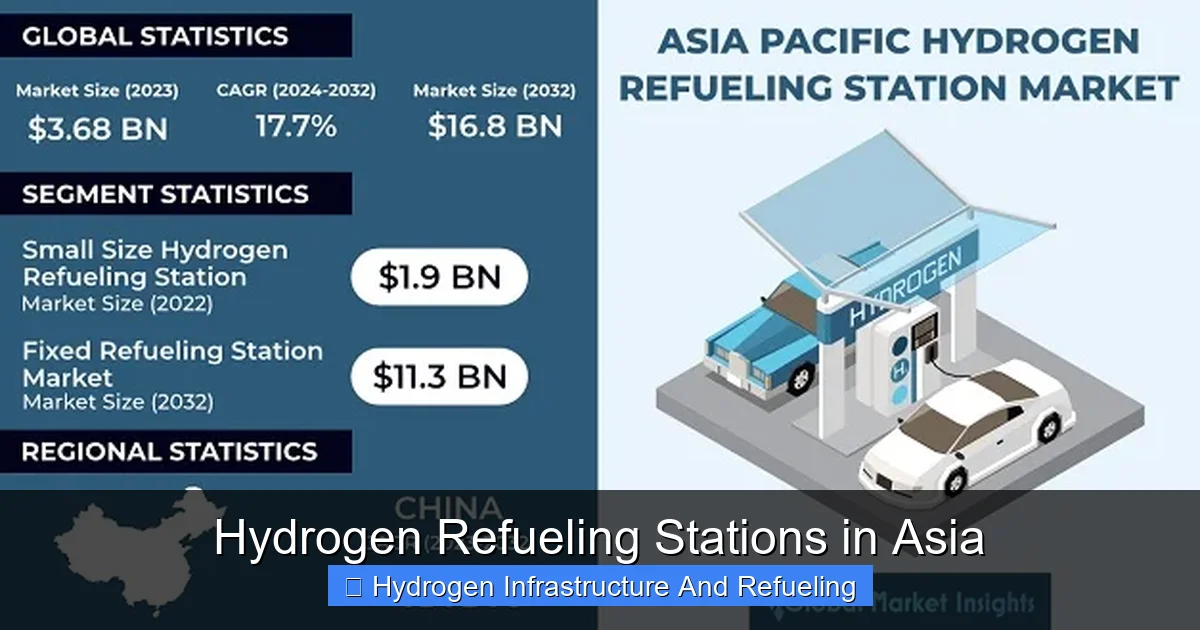
Visual guide about Hydrogen Refueling Stations in Asia
Image source: cdn.gminsights.com
Environmental and Economic Benefits
Hydrogen offers a powerful way to decarbonize transportation, especially for heavy-duty vehicles like trucks and buses that are hard to electrify with batteries. In countries like China and India, where freight and public transit are major contributors to pollution, hydrogen can make a big difference. Moreover, hydrogen can be produced from renewable sources like wind and solar through a process called electrolysis, creating a truly green fuel cycle. This not only reduces emissions but also helps countries diversify their energy mix and enhance energy security.
Economically, hydrogen creates new industries and jobs. From manufacturing fuel cells to building refueling stations, the hydrogen economy is driving innovation and investment across Asia. Companies are developing new technologies, and governments are offering incentives to speed up adoption. For example, Japan’s “Basic Hydrogen Strategy” aims to make the country a hydrogen society by 2050, while South Korea plans to have 1,200 hydrogen refueling stations by 2030. These ambitious goals show that hydrogen isn’t just a niche idea—it’s a core part of Asia’s energy future.
Leading Countries in Hydrogen Infrastructure
Not all countries are moving at the same pace, but a few Asian nations are clearly leading the way in hydrogen refueling infrastructure. Japan, South Korea, and China are the top players, each with unique strategies and impressive progress. Let’s take a closer look at what they’re doing.
Japan: The Pioneer of Hydrogen Mobility
Japan has been a trailblazer in hydrogen technology for over a decade. The country launched its first hydrogen refueling station in 2014 and now has over 160 operational stations—the most in Asia. Toyota, the maker of the Mirai fuel cell vehicle, has been a major driver of this effort. The company not only produces FCEVs but also invests in hydrogen production and distribution.
The Japanese government supports this push with strong policies and funding. The Ministry of Economy, Trade and Industry (METI) has set a goal of 900 hydrogen refueling stations by 2030. Stations are strategically located in urban areas like Tokyo, Osaka, and Nagoya, with plans to expand to rural regions. Japan is also exploring hydrogen imports from countries like Australia, using liquid hydrogen carriers to transport the fuel across long distances. This forward-thinking approach positions Japan as a global leader in hydrogen innovation.
South Korea: Rapid Expansion and National Support
South Korea is another powerhouse in hydrogen infrastructure. The country currently has more than 150 hydrogen refueling stations, with aggressive plans to reach 1,200 by 2030. Hyundai, the maker of the NEXO SUV, is a key player, promoting FCEVs and investing in hydrogen production.
The South Korean government has made hydrogen a national priority. The “Hydrogen Economy Roadmap” outlines a comprehensive plan to build a hydrogen society, including subsidies for vehicle purchases, tax breaks, and funding for station construction. Cities like Seoul and Busan are leading the way, with hydrogen buses and taxis already on the roads. The government is also working on green hydrogen projects, using renewable energy to produce hydrogen domestically. This holistic approach is helping South Korea catch up quickly to Japan and set an example for other nations.
China: Scaling Up with Massive Investment
China is the largest automotive market in the world, and it’s now turning its attention to hydrogen. While still behind Japan and South Korea in station count, China is scaling up fast. As of 2023, the country has over 300 hydrogen refueling stations, with plans to reach 1,000 by 2025. The government’s “Made in China 2025” initiative includes strong support for hydrogen and fuel cell technologies.
Major cities like Beijing, Shanghai, and Guangzhou are hubs for hydrogen development. Sinopec, China’s largest oil refiner, is investing heavily in hydrogen production and refueling networks. The company aims to build 1,000 hydrogen stations by 2025, integrating them with existing gas stations. China is also focusing on hydrogen for heavy transport, with fuel cell trucks and buses being tested in industrial zones. With its massive manufacturing capacity and government backing, China has the potential to dominate the hydrogen market in the coming decade.
How Hydrogen Refueling Stations Work
Understanding how hydrogen refueling stations operate can help demystify this emerging technology. At first glance, they may look similar to gas stations, but the process behind the scenes is quite different. Let’s break it down step by step.
Hydrogen Production and Delivery
Hydrogen can be produced in several ways, but the most common method is steam methane reforming (SMR), which uses natural gas. While this process emits carbon, it’s still cleaner than gasoline. For a truly green solution, many stations use electrolysis—splitting water into hydrogen and oxygen using electricity from renewable sources like solar or wind. This “green hydrogen” is the goal for sustainable infrastructure.
Once produced, hydrogen is compressed and stored on-site in high-pressure tanks. It’s then delivered to vehicles through specialized dispensers. Unlike gasoline, hydrogen is a gas at room temperature, so it must be stored at very high pressures—typically 350 or 700 bar—to fit enough fuel in a vehicle’s tank.
The Refueling Process
Refueling a hydrogen vehicle is simple and safe. The driver pulls up to the station, connects a nozzle to the vehicle’s fuel port, and starts the pump. The process takes about 3 to 5 minutes—much faster than charging an electric car. Modern stations are equipped with safety systems to prevent leaks and over-pressurization. They also have emergency shut-offs and ventilation to ensure safe operation.
Most stations are unmanned and operate 24/7, similar to self-service gas pumps. Users pay via mobile apps or membership cards. Some stations are integrated with existing gas stations, making them easy to find and use. As the network grows, interoperability between different providers will become important, allowing drivers to refuel anywhere in the country.
Challenges in Station Design and Safety
Building a hydrogen refueling station isn’t easy. It requires specialized equipment, strict safety standards, and significant investment. High-pressure storage and handling of hydrogen pose risks, so stations must comply with rigorous regulations. Engineers use materials that resist hydrogen embrittlement—a condition where metal becomes brittle when exposed to hydrogen—and install multiple safety sensors.
Another challenge is cost. A single hydrogen station can cost between $1.5 million and $3 million, depending on size and technology. This is much higher than a typical gas station. However, as demand grows and technology improves, costs are expected to fall. Modular designs and shared infrastructure—like co-locating stations with renewable energy sources—can help reduce expenses.
Current State and Growth Trends
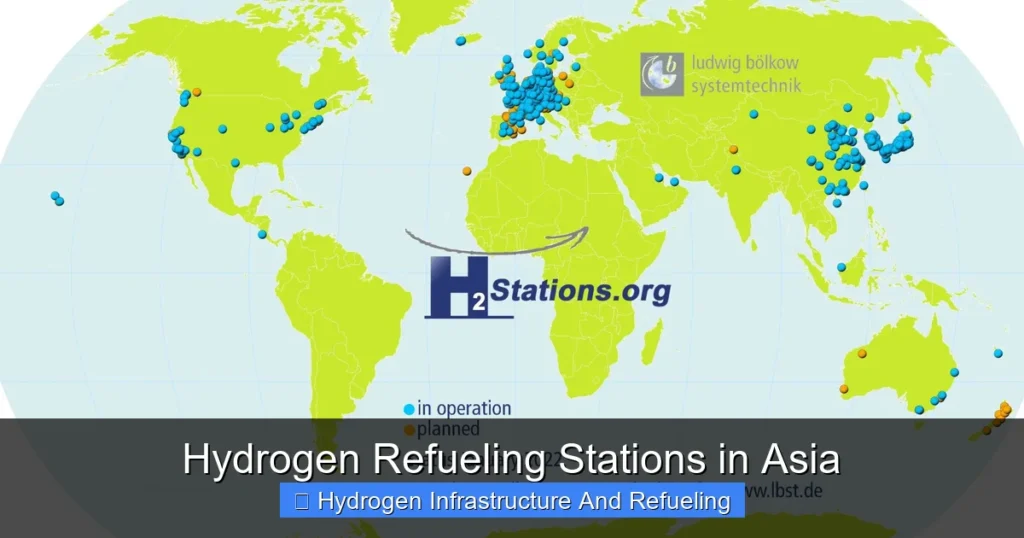
The hydrogen refueling network in Asia is growing rapidly, but it’s still in the early stages compared to traditional fuel infrastructure. As of 2023, Asia has over 600 hydrogen refueling stations, with the majority in Japan, South Korea, and China. This number is expected to double by 2025 as more countries join the effort.
Regional Expansion Beyond the Leaders
While Japan, South Korea, and China dominate, other Asian countries are starting to invest in hydrogen. India has announced plans to build hydrogen refueling stations in major cities like Delhi and Mumbai, with support from the government’s National Hydrogen Mission. Thailand and Malaysia are also exploring pilot projects, focusing on hydrogen for public transport and industrial use.
In Southeast Asia, Singapore is positioning itself as a regional hub for hydrogen innovation. The government is studying hydrogen imports and has launched testbeds for fuel cell vehicles. Indonesia and Vietnam are also showing interest, particularly in using hydrogen for mining and heavy industry. These developments suggest that hydrogen infrastructure could spread across the continent in the coming years.
Investment and Innovation Driving Growth
Private companies are playing a crucial role in expanding hydrogen infrastructure. Automakers like Toyota, Hyundai, and Honda are not only producing FCEVs but also investing in refueling networks. Energy giants like Sinopec, Shell, and Air Liquide are building stations and developing hydrogen production facilities.
Startups and research institutions are also contributing. New technologies, such as mobile hydrogen refuelers and on-site electrolysis units, are making stations more flexible and cost-effective. Digital platforms are improving user experience, allowing drivers to locate stations, check availability, and pay seamlessly. These innovations are helping overcome early barriers and accelerating adoption.
Challenges and Barriers to Widespread Adoption
Despite the progress, hydrogen refueling stations in Asia face several challenges. High costs, limited vehicle availability, and public awareness are slowing down growth. Let’s explore these barriers in more detail.
High Infrastructure Costs
The biggest hurdle is cost. Building a hydrogen station is expensive due to the need for high-pressure storage, specialized compressors, and safety systems. Land prices in urban areas add to the expense. While government subsidies help, the return on investment is slow, especially in regions with low FCEV adoption.
To address this, some countries are promoting shared infrastructure. For example, hydrogen stations can be co-located with gas stations or renewable energy plants, reducing land and construction costs. Modular designs allow stations to start small and expand as demand grows.
Limited Vehicle Availability and Public Awareness
Another challenge is the limited number of hydrogen-powered vehicles on the road. FCEVs are still niche products, with high prices and limited model options. Most consumers are unfamiliar with hydrogen technology, leading to hesitation and misinformation.
Education and outreach are essential. Governments and companies need to promote the benefits of hydrogen, demonstrate safety, and offer incentives for early adopters. Test drives, public demonstrations, and media campaigns can help build trust and interest.
Supply Chain and Production Challenges
Hydrogen production is still dominated by fossil fuels, which undermines its environmental benefits. Scaling up green hydrogen requires massive investment in renewable energy and electrolysis technology. Additionally, transporting hydrogen over long distances is complex and costly, especially compared to electricity or natural gas.
Improving the supply chain will take time and coordination. International partnerships, such as Japan’s hydrogen imports from Australia, can help bridge the gap. Domestic production using solar, wind, and nuclear power is the long-term solution.
The Future of Hydrogen Refueling in Asia
The future of hydrogen refueling stations in Asia looks bright. With strong government support, technological advances, and growing demand, the region is on track to become a global leader in hydrogen mobility. By 2030, Asia could have thousands of stations, supporting millions of fuel cell vehicles.
Integration with Renewable Energy
One of the most exciting trends is the integration of hydrogen with renewable energy. Solar and wind farms can produce excess electricity during peak hours, which can be used to generate hydrogen via electrolysis. This hydrogen can then be stored and used for transportation or industrial processes, creating a flexible and sustainable energy system.
Countries like Japan and Australia are already testing this model. In the future, hydrogen could serve as a long-term energy storage solution, helping balance the grid and reduce reliance on fossil fuels.
Expansion into New Sectors
While transportation is the focus today, hydrogen has potential in many other areas. It can power ships, trains, and even airplanes. In industry, hydrogen can replace coal and natural gas in steelmaking and chemical production. As technology improves, these applications could drive even greater demand for hydrogen refueling infrastructure.
Asia’s manufacturing strength gives it a unique advantage in scaling up hydrogen use. With the right policies and investments, the region could lead the world in clean industrial processes.
A Vision for 2030 and Beyond
By 2030, hydrogen refueling stations could be as common as gas stations in major Asian cities. FCEVs will be affordable and widely available, supported by a robust network of green hydrogen production and distribution. International standards will ensure compatibility and safety, enabling cross-border travel and trade.
The journey won’t be easy, but the rewards are worth it. A hydrogen-powered future means cleaner air, energy security, and economic growth. Asia is proving that with vision and collaboration, the impossible becomes possible.
Conclusion
Hydrogen refueling stations in Asia represent a bold step toward a sustainable future. From Japan’s pioneering efforts to China’s massive investments, the region is building the infrastructure needed to support a new era of clean transportation. While challenges remain, the progress so far is encouraging. With continued innovation, public support, and international cooperation, hydrogen could transform not just how we drive, but how we live.
The road ahead is long, but the direction is clear. Asia is not just adapting to the energy transition—it’s leading it. As more stations open and more vehicles hit the road, the dream of a hydrogen-powered world is getting closer to reality. For anyone interested in clean energy, the story of hydrogen in Asia is one worth watching.
Frequently Asked Questions
How many hydrogen refueling stations are there in Asia?
As of 2023, Asia has over 600 hydrogen refueling stations, with the majority located in Japan, South Korea, and China. This number is expected to grow rapidly in the coming years.
Are hydrogen refueling stations safe?
Yes, hydrogen refueling stations are designed with multiple safety features, including leak detection, emergency shut-offs, and high-pressure monitoring. They undergo strict safety inspections and comply with international standards.
How long does it take to refuel a hydrogen vehicle?
Refueling a hydrogen vehicle takes about 3 to 5 minutes, similar to filling up a gasoline car. This is much faster than charging an electric vehicle.
Can hydrogen be produced without fossil fuels?
Yes, hydrogen can be produced using renewable energy through electrolysis, a process that splits water into hydrogen and oxygen. This “green hydrogen” produces no carbon emissions.
Which Asian countries are leading in hydrogen infrastructure?
Japan, South Korea, and China are the top leaders, with hundreds of operational stations and ambitious expansion plans. Other countries like India and Singapore are also making progress.
What vehicles can use hydrogen refueling stations?
Hydrogen refueling stations support fuel cell vehicles (FCEVs), including passenger cars, buses, trucks, and taxis. Models like the Toyota Mirai and Hyundai NEXO are widely used in Asia.