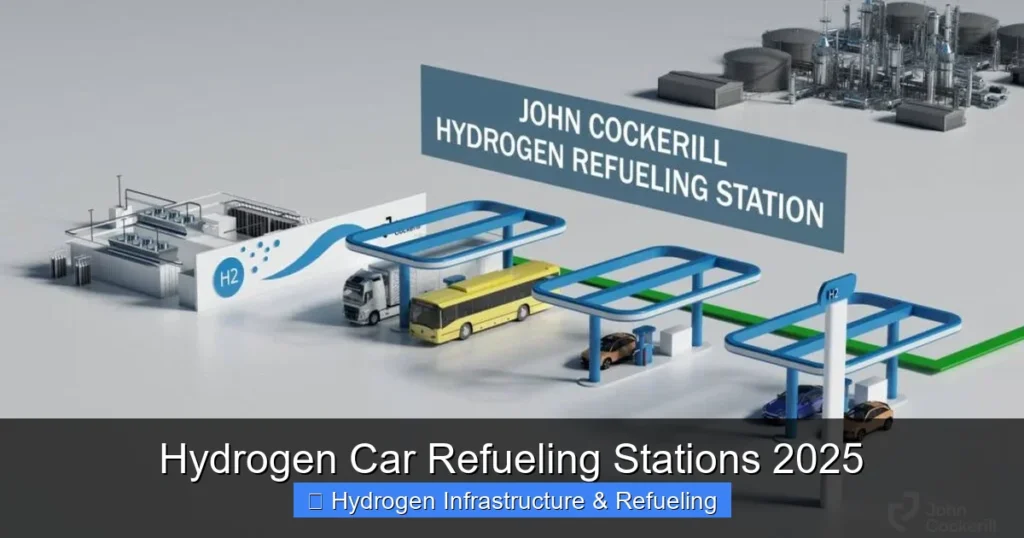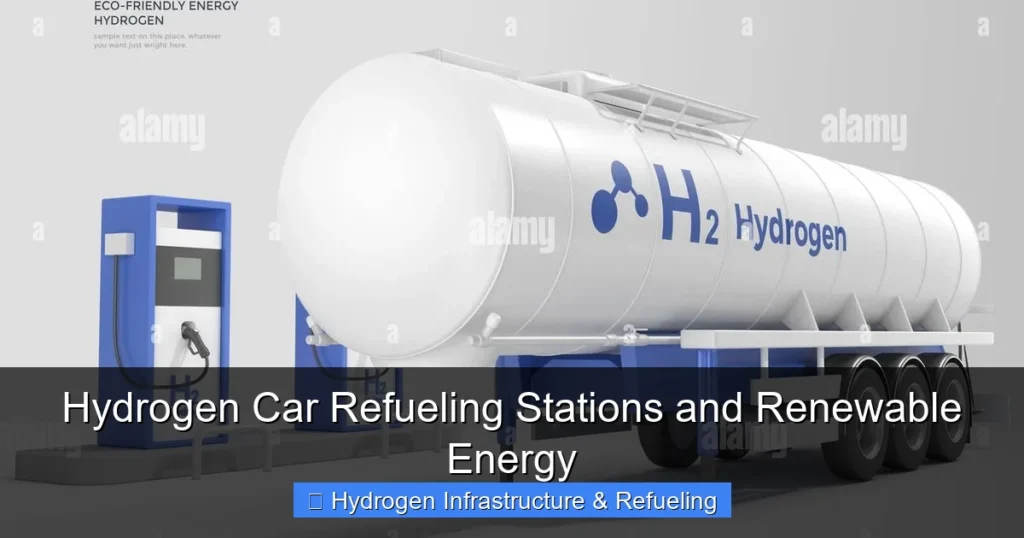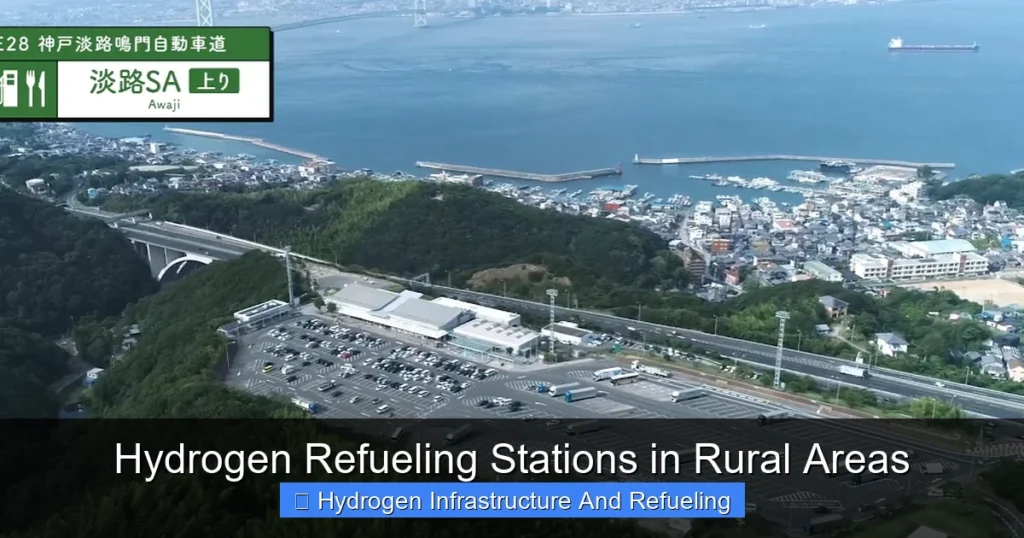
Hydrogen refueling stations in rural areas are emerging as a game-changer for sustainable transportation. Despite challenges like distance and low population density, these stations support zero-emission vehicles, boost local economies, and promote energy independence. With smart planning and government support, rural communities can lead the clean mobility revolution.
Imagine driving through a quiet country road—fields stretching to the horizon, cows grazing in the distance, and not a gas station in sight. Now picture pulling up to a sleek, modern station where you refuel your car not with gasoline, but with clean, green hydrogen. No fumes. No noise. Just a quick fill-up and you’re back on the road, emitting only water vapor. This isn’t science fiction—it’s the future of rural transportation, and it’s closer than you think.
Hydrogen refueling stations in rural areas are no longer just a niche concept. As the world shifts toward decarbonizing transportation, hydrogen fuel cell vehicles (FCEVs) are gaining traction, especially for long-haul trucking, buses, and regional delivery fleets. But here’s the catch: without a reliable network of refueling stations, especially in less populated regions, the promise of hydrogen mobility falls flat. Rural areas, often overlooked in early infrastructure planning, are now becoming critical nodes in the hydrogen economy. These stations don’t just serve vehicles—they support local jobs, promote energy independence, and help communities lead the charge in sustainable development.
The transition to clean transportation isn’t just about swapping gas for electricity. While battery electric vehicles (EVs) dominate urban markets, hydrogen offers unique advantages for rural and remote locations. FCEVs can travel longer distances on a single fill-up, refuel in minutes (not hours), and perform well in cold weather—making them ideal for farmers, delivery drivers, and emergency services in rural America, Canada, or Europe. But to make this vision real, we need hydrogen refueling stations where people actually live and work, not just in big cities.
Key Takeaways
- Rural hydrogen stations reduce transportation emissions: They enable long-distance travel for hydrogen fuel cell vehicles (FCEVs) without relying on fossil fuels.
- Strategic placement is critical: Stations should be located along major highways and near renewable energy sources to maximize efficiency and sustainability.
- Renewable-powered production is ideal: Using solar or wind energy to produce hydrogen locally cuts costs and carbon footprint.
- Government incentives accelerate deployment: Grants, tax credits, and public-private partnerships help overcome high upfront costs.
- Community engagement builds support: Involving locals in planning increases acceptance and ensures stations meet real needs.
- Hybrid models improve viability: Combining hydrogen with EV charging or other services makes stations more economically sustainable.
- Future-ready infrastructure matters: Early investment prepares rural areas for growing FCEV adoption and positions them as leaders in clean tech.
📑 Table of Contents
- The Case for Hydrogen in Rural Areas
- Challenges of Building Hydrogen Stations in Rural Areas
- Strategic Placement and Smart Design
- Green Hydrogen: The Rural Advantage
- Government Support and Public-Private Partnerships
- Community Engagement and Education
- The Future of Rural Hydrogen Mobility
- Conclusion
The Case for Hydrogen in Rural Areas
Rural communities face unique transportation challenges. Long distances between towns, limited public transit, and reliance on heavy-duty vehicles make clean mobility solutions harder to implement. Electric vehicles are great, but charging infrastructure is sparse, and battery range can be a concern in extreme temperatures. That’s where hydrogen shines.
Hydrogen fuel cell vehicles offer a compelling alternative. They combine the zero-emission benefits of EVs with the convenience of traditional refueling. A typical FCEV can travel 300–400 miles on a tank of hydrogen and refuel in under 10 minutes—similar to gasoline. For rural drivers covering hundreds of miles daily, this is a game-changer.
But the real advantage goes beyond convenience. Rural areas often have abundant renewable energy resources—wind, solar, and even agricultural waste—that can be used to produce green hydrogen. Instead of relying on distant refineries and long supply chains, communities can generate hydrogen locally. This not only reduces transportation costs but also creates local jobs in energy production, maintenance, and station operations.
Take the example of Wyoming, a state with vast open spaces and strong wind resources. The Wyoming Energy Authority has been exploring hydrogen production from wind power to fuel trucks and buses across the state. By placing hydrogen refueling stations along Interstate 80—a major freight corridor—Wyoming could support cross-country hydrogen trucking while boosting its rural economy.
Similarly, in rural Germany, the “H2 Mobility” initiative has installed hydrogen stations in small towns like Wismar and Rostock. These stations serve regional buses and delivery vehicles, proving that even low-population areas can support hydrogen infrastructure when planned correctly.
Challenges of Building Hydrogen Stations in Rural Areas
Despite the promise, deploying hydrogen refueling stations in rural areas isn’t without hurdles. The biggest challenge? Economics. Building a hydrogen station costs significantly more than a gas pump or EV charger—anywhere from $1 million to $3 million per station, depending on size and technology. In rural areas, where vehicle traffic is lower, the return on investment is slower.
Then there’s the issue of hydrogen supply. Most hydrogen today is produced from natural gas (so-called “gray hydrogen”), which isn’t environmentally friendly. Transporting hydrogen over long distances is also expensive and energy-intensive. Pipelines are ideal, but they’re rare outside industrial zones. Instead, hydrogen is often compressed and shipped by truck—adding cost and complexity.
Another barrier is public awareness. Many rural residents have never heard of hydrogen vehicles, let alone seen a refueling station. Without demand, private companies are reluctant to invest. And without stations, consumers won’t buy FCEVs. It’s a classic chicken-and-egg problem.
Land use and zoning can also be tricky. Hydrogen stations require space for storage tanks, compressors, and safety buffers. In small towns, finding suitable land that’s both accessible and compliant with regulations can be difficult.
Finally, there’s the workforce gap. Operating a hydrogen station requires specialized training in handling high-pressure gases and fuel cell systems. Rural areas may lack technicians with this expertise, making maintenance and safety a concern.
Strategic Placement and Smart Design
To overcome these challenges, smart planning is essential. The key is strategic placement—putting hydrogen refueling stations where they’ll get the most use with the least cost.
One effective approach is to locate stations along major highways and freight corridors. These routes see consistent traffic from trucks, buses, and long-distance travelers. A station every 100–150 miles can support cross-country hydrogen travel, similar to how gas stations are spaced today.
For example, the U.S. Department of Energy’s “Hydrogen Hubs” program is funding regional networks, including one in the Midwest that connects rural communities along I-80 and I-90. These hubs aim to create a continuous hydrogen corridor from Chicago to the West Coast, with stations in smaller towns like Sioux City, Iowa, and North Platte, Nebraska.
Another smart strategy is co-location. Instead of building standalone hydrogen stations, integrate them with existing infrastructure. Pairing a hydrogen pump with a gas station, truck stop, or EV charging hub increases foot traffic and shared costs. Some stations even combine hydrogen with convenience stores, rest areas, or renewable energy installations.
In rural Norway, the “HyNor” project placed hydrogen stations at existing fuel stops along the E18 highway. This allowed drivers to refuel hydrogen, gasoline, or electricity at the same location—making the transition easier for consumers.
Design also matters. Rural stations should be modular and scalable. Start small with a single dispenser and expand as demand grows. Use prefabricated units that can be shipped and installed quickly. And prioritize safety with clear signage, emergency shutoffs, and remote monitoring.
Green Hydrogen: The Rural Advantage
One of the most exciting opportunities for rural hydrogen stations is local production using renewable energy. Unlike urban areas, rural regions often have plenty of land and natural resources to generate clean power.
Green hydrogen—produced by splitting water into hydrogen and oxygen using renewable electricity—is the gold standard for sustainability. When made with solar, wind, or hydro power, it has virtually zero carbon emissions.
Rural communities are uniquely positioned to lead in green hydrogen. Farms can use excess solar power from barn roofs or fields to run electrolyzers. Wind farms can divert surplus energy to hydrogen production during off-peak hours. Even agricultural waste can be converted into hydrogen through biomass gasification.
This decentralized model reduces reliance on distant supply chains and keeps energy dollars in the local economy. It also creates new revenue streams for farmers and landowners.
Take the case of a small town in Saskatchewan, Canada. A local cooperative installed a solar-powered hydrogen station to fuel municipal buses and delivery trucks. The system uses a 500-kilowatt solar array and a 250-kilowatt electrolyzer to produce hydrogen on-site. Excess hydrogen is stored and used during cloudy days or sold to nearby farms for equipment fuel.
Similarly, in rural Australia, the “HySupply” project is testing hydrogen production from wind and solar in remote towns. The goal is to replace diesel generators with clean hydrogen for power and transport.
These examples show that rural areas aren’t just passive recipients of hydrogen technology—they can be active producers and innovators.
Government Support and Public-Private Partnerships
Because of the high upfront costs, government support is crucial for launching hydrogen refueling stations in rural areas. Fortunately, many countries are stepping up.
In the United States, the Bipartisan Infrastructure Law allocates $8 billion for hydrogen hubs, with a focus on underserved regions. States like California, Texas, and New York are using these funds to build rural hydrogen corridors.
The European Union’s “Hydrogen Strategy” includes grants for rural hydrogen projects, especially in Eastern and Southern Europe. Germany’s “H2 Mobility” program has already funded over 100 stations, including several in rural areas.
Canada’s “Zero Emission Vehicle Infrastructure Program” offers rebates for hydrogen station installation, with extra incentives for remote and Indigenous communities.
But government funding alone isn’t enough. Public-private partnerships (PPPs) are essential. These collaborations bring together governments, energy companies, automakers, and local communities to share risks and rewards.
For example, in rural France, Air Liquide partnered with local authorities to build a hydrogen station in the town of Saint-Avold. The station serves regional buses and trucks, with costs shared between the company, the regional government, and the EU.
In the U.S., companies like Plug Power and Cummins are working with rural cooperatives to deploy hydrogen stations powered by local renewables. These partnerships often include training programs to build local technical capacity.
Grants, tax credits, and low-interest loans can also help. The U.S. Inflation Reduction Act offers a 30% investment tax credit for clean hydrogen production, which can be applied to rural stations. Similar incentives exist in the UK, Japan, and South Korea.
Community Engagement and Education
For hydrogen refueling stations to succeed in rural areas, they need community buy-in. That means engaging locals early and often.
Start with education. Host town halls, school presentations, and demo days where people can see hydrogen vehicles and stations up close. Address safety concerns—hydrogen is lighter than air and disperses quickly, making it safer than gasoline in many ways.
Involve local leaders, farmers, and business owners in planning. Ask: What vehicles need refueling? Where are the best locations? How can the station benefit the community?
Some stations are designed as community hubs. Add a small café, EV charging, or a co-working space to attract visitors. In rural Japan, hydrogen stations in towns like Namie include public rest areas and information centers about clean energy.
Training programs are also key. Partner with local colleges or trade schools to offer courses in hydrogen technology. This builds a local workforce and creates career opportunities.
Finally, celebrate success. When a rural town opens its first hydrogen station, make it an event. Invite the media, host a ribbon-cutting, and showcase local jobs created. Positive stories spread fast and inspire other communities.
The Future of Rural Hydrogen Mobility
The future of hydrogen refueling stations in rural areas is bright—but it won’t happen overnight. It will take time, investment, and collaboration.
As FCEV technology improves and costs come down, demand will grow. Trucking companies are already investing in hydrogen fleets for long-haul routes. Automakers like Toyota, Hyundai, and Honda are expanding their FCEV lineups. And new models designed for rural use—like hydrogen-powered tractors and utility vehicles—are on the horizon.
Meanwhile, innovation is making hydrogen production and storage more efficient. Advances in electrolysis, liquid hydrogen transport, and fuel cell durability are lowering barriers.
The vision? A network of rural hydrogen refueling stations that support clean transportation, local energy production, and economic growth. These stations won’t just be fuel stops—they’ll be symbols of rural resilience and innovation.
Imagine a farmer filling up a hydrogen-powered tractor with fuel made from sunlight and water. A school bus running on clean hydrogen, carrying kids to class with zero emissions. A delivery truck crossing the country on a hydrogen highway, stopping at small-town stations along the way.
This future is possible. And it starts with one station, one community, one fill-up at a time.
Conclusion
Hydrogen refueling stations in rural areas are more than just infrastructure—they’re a pathway to a cleaner, more equitable transportation future. While challenges like cost, supply, and awareness remain, smart planning, renewable energy, and community support can turn obstacles into opportunities.
By placing stations along key routes, producing hydrogen locally, and engaging residents, rural communities can lead the hydrogen revolution. With government backing and public-private partnerships, these stations can become economic engines and environmental champions.
The road ahead is long, but every mile driven on hydrogen brings us closer to a world where clean mobility isn’t just for cities—it’s for everyone, everywhere.
Frequently Asked Questions
Why are hydrogen refueling stations important for rural areas?
Hydrogen refueling stations enable zero-emission travel in regions where electric vehicle charging is limited. They support long-distance driving, heavy-duty vehicles, and local energy independence, making clean transportation accessible beyond urban centers.
How is hydrogen produced for rural stations?
Hydrogen can be produced on-site using renewable energy like solar or wind through a process called electrolysis. This creates “green hydrogen” with no carbon emissions and reduces reliance on fossil fuels and long-distance transport.
Are hydrogen stations safe in rural communities?
Yes, hydrogen is safe when handled properly. It’s lighter than air and disperses quickly if leaked. Modern stations include safety systems like sensors, shutoff valves, and remote monitoring to ensure safe operation.
Can rural hydrogen stations be profitable?
Profitability depends on usage and design. Stations along highways or paired with other services (like EV charging or retail) have higher traffic. Government grants and partnerships also help offset initial costs and improve long-term viability.
What vehicles can use rural hydrogen stations?
Hydrogen stations fuel passenger cars, buses, delivery vans, and heavy-duty trucks with fuel cell systems. As FCEV adoption grows, more vehicle types—including tractors and emergency vehicles—are expected to use hydrogen.
How can rural communities get involved in hydrogen projects?
Communities can engage by attending planning meetings, partnering with local governments or energy companies, and advocating for grants. Training programs and pilot projects help build local support and technical capacity.