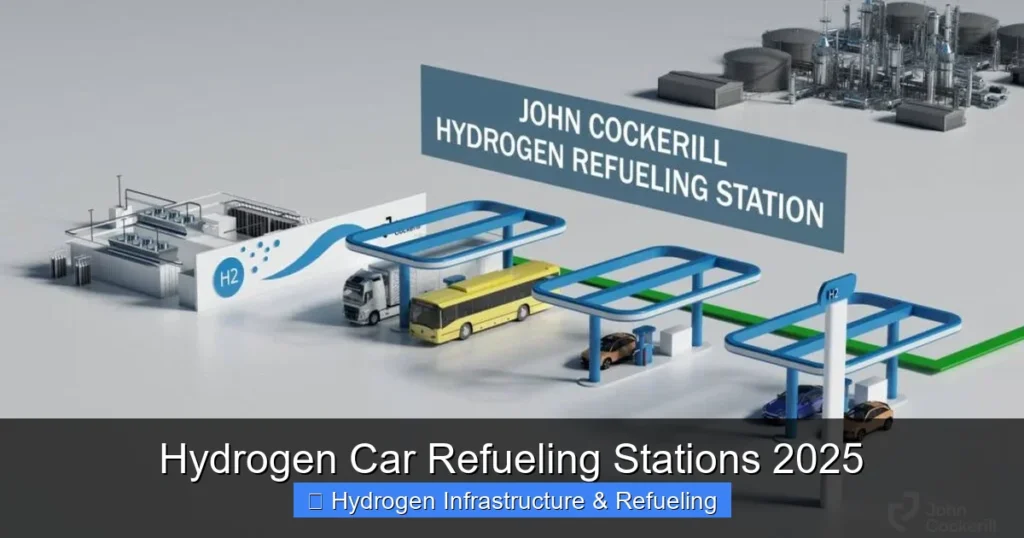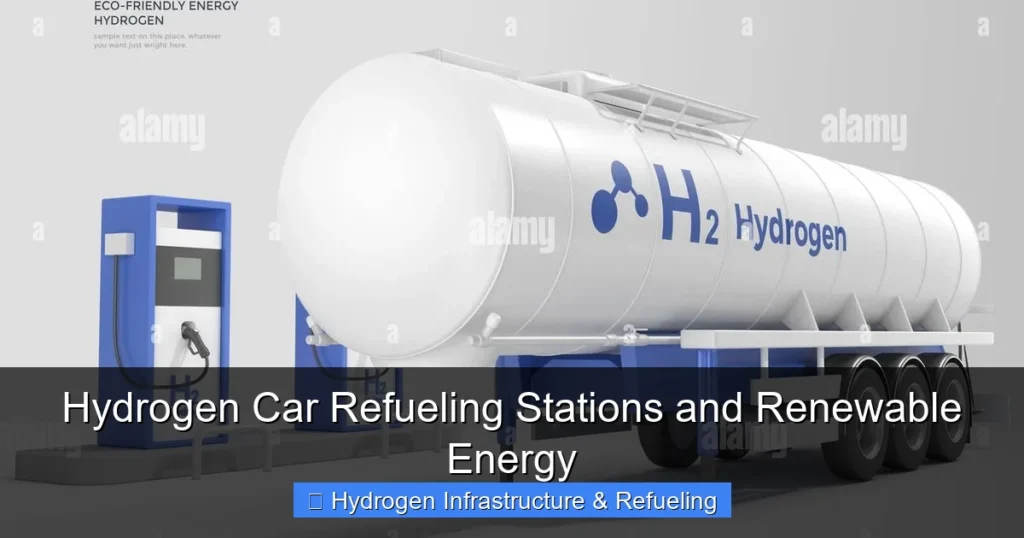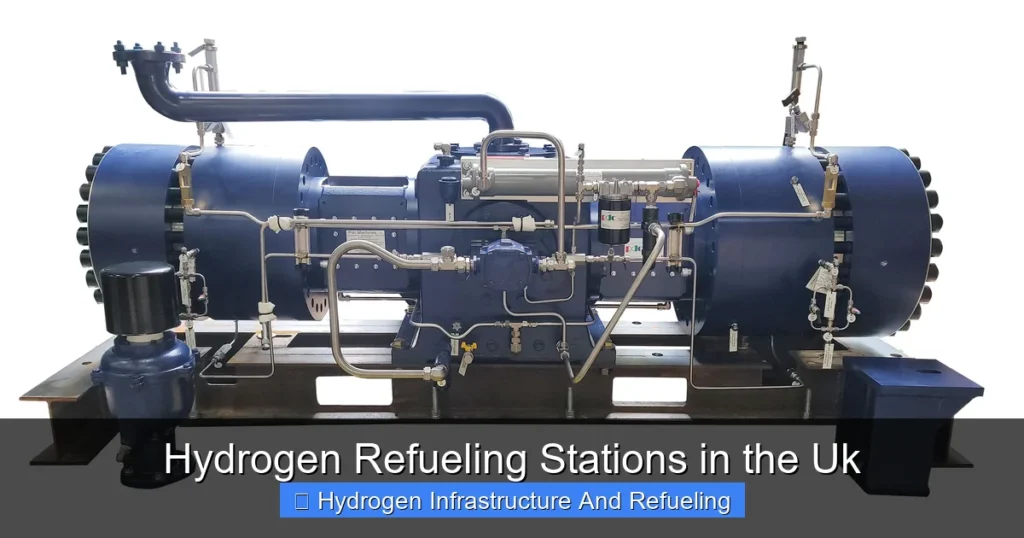
Hydrogen refueling stations in the UK are expanding rapidly as part of the nation’s green energy transition. These stations support zero-emission vehicles like hydrogen-powered cars, buses, and trucks, offering a clean alternative to fossil fuels.
Key Takeaways
- Hydrogen refueling stations are growing across the UK: The number of operational stations has increased significantly in recent years, with major hubs in cities like London, Aberdeen, and Birmingham.
- They support a range of zero-emission vehicles: From passenger cars to heavy-duty trucks and buses, hydrogen fuel cell vehicles (FCEVs) are gaining traction.
- Refueling is fast and convenient: Hydrogen vehicles can be refueled in under 10 minutes—similar to gasoline—making them ideal for commercial and public transport.
- Green hydrogen is the long-term goal: While most hydrogen today is produced from natural gas, the UK is investing in renewable-powered electrolysis to create truly clean hydrogen.
- Government and private sector are driving growth: Initiatives like the UK Hydrogen Strategy and partnerships with companies like ITM Power and Shell are accelerating infrastructure development.
- Challenges remain, but progress is steady: High costs and limited availability are hurdles, but innovation and policy support are helping overcome them.
📑 Table of Contents
- Introduction: The Rise of Hydrogen in the UK
- What Are Hydrogen Refueling Stations?
- Current State of Hydrogen Refueling Stations in the UK
- Hydrogen Vehicles: What Can You Fuel?
- Green Hydrogen vs. Grey Hydrogen: The Sustainability Question
- Challenges and Barriers to Growth
- The Future of Hydrogen Refueling in the UK
- Conclusion: A Cleaner Road Ahead
Introduction: The Rise of Hydrogen in the UK
Imagine pulling up to a fuel station, filling your car in under 10 minutes, and driving off with nothing but water vapor coming out of the exhaust. Sounds like science fiction? It’s not—it’s the reality of hydrogen-powered vehicles, and they’re becoming more common on UK roads. As the country pushes toward its net-zero emissions target by 2050, hydrogen is emerging as a key player in the clean energy transition. And at the heart of this shift? Hydrogen refueling stations.
These stations are more than just pumps—they’re the backbone of a new kind of transport system. Unlike electric vehicles that rely on batteries and charging points, hydrogen vehicles use fuel cells to generate electricity on board, producing only water as a byproduct. This makes them especially appealing for long-haul transport, heavy vehicles, and areas where fast refueling is essential.
The UK has been quietly building its hydrogen infrastructure for over a decade. What started with a handful of pilot stations in the early 2010s has evolved into a growing network supported by government policy, private investment, and technological innovation. Today, hydrogen refueling stations in the UK are popping up in cities, industrial zones, and along major transport corridors, paving the way for a cleaner, greener future.
What Are Hydrogen Refueling Stations?
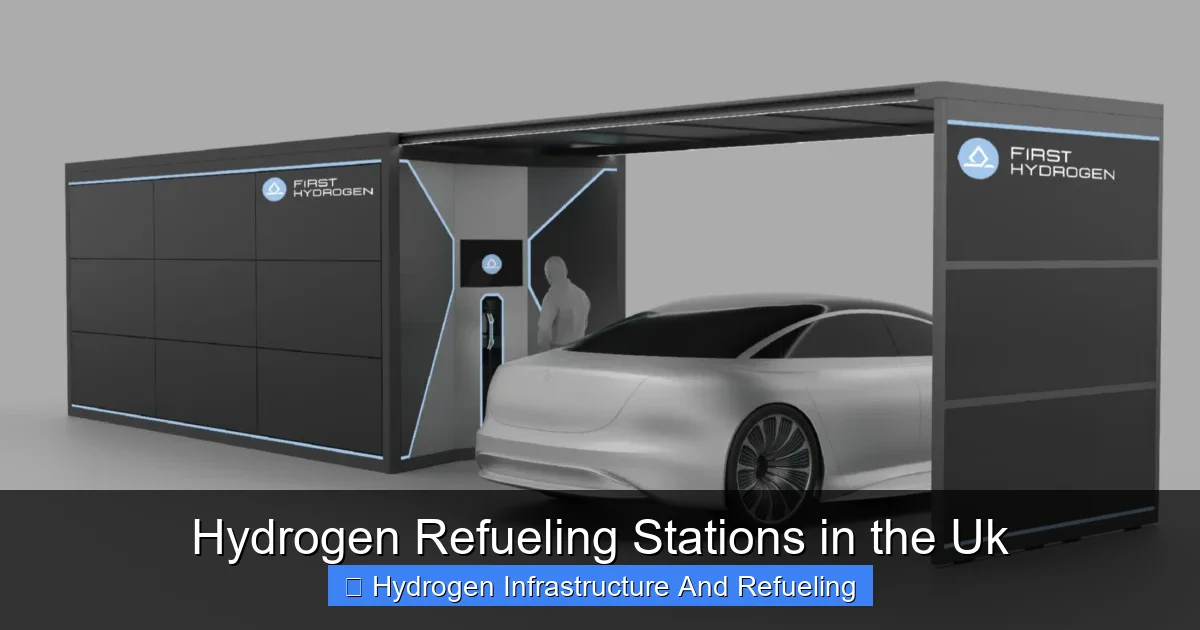
Visual guide about Hydrogen Refueling Stations in the Uk
Image source: pv-magazine.com
At their core, hydrogen refueling stations are facilities that store and dispense hydrogen gas to power fuel cell electric vehicles (FCEVs). Think of them as the hydrogen equivalent of petrol or diesel stations—but with a much cleaner environmental footprint. These stations compress hydrogen gas to high pressures (typically 350 or 700 bar) and deliver it directly into a vehicle’s onboard tank.
The process is surprisingly simple. A driver pulls up to the dispenser, connects a nozzle to the vehicle’s fuel intake, and the station pumps hydrogen into the tank in just a few minutes. No long waits, no heavy cables—just quick, efficient refueling. This speed is one of the biggest advantages hydrogen has over battery-electric vehicles, especially for commercial fleets and public transport.
There are two main types of hydrogen refueling stations: on-site production and delivered hydrogen. On-site stations generate hydrogen using electrolysis—splitting water into hydrogen and oxygen using electricity. If that electricity comes from renewable sources like wind or solar, the hydrogen is considered “green” and fully sustainable. Delivered stations, on the other hand, receive hydrogen via tube trailers from centralized production facilities. While this method is currently more common, it often relies on “grey” hydrogen made from natural gas, which still produces carbon emissions.
How Do They Work?
Let’s break it down step by step. When you arrive at a hydrogen refueling station, the process is designed to be as user-friendly as possible:
1. **Vehicle Positioning:** You park your FCEV in the designated bay, similar to a petrol pump.
2. **Safety Check:** The station performs a quick safety scan to ensure the vehicle is compatible and the connection is secure.
3. **Nozzle Connection:** You attach the dispenser nozzle to your car’s fuel port. Modern nozzles are designed to prevent leaks and ensure a tight seal.
4. **Refueling:** Hydrogen is pumped into the tank at high pressure. For passenger cars, this usually takes 3–5 minutes. Larger vehicles like buses or trucks may take up to 10 minutes.
5. **Disconnection and Payment:** Once full, the system automatically stops. You remove the nozzle, and payment is processed—often via contactless card or app.
Safety is a top priority. Hydrogen is flammable, but it’s also lighter than air, so any leaks dissipate quickly. Stations are equipped with advanced sensors, emergency shut-offs, and ventilation systems to prevent accidents. In fact, hydrogen is considered as safe—or safer—than conventional fuels when handled properly.
Types of Hydrogen Stations in the UK
Not all hydrogen refueling stations are created equal. The UK hosts a mix of station types, each serving different needs:
– **Retail Stations:** Located at existing petrol stations or standalone sites, these are open to the public. Examples include the Shell station in Beaconsfield and the ITM Power station in Swindon.
– **Fleet Stations:** Built specifically for commercial or municipal fleets, such as hydrogen buses in Aberdeen or delivery vans in London. These are often closed to the public but crucial for scaling up hydrogen use.
– **Mobile Refuelers:** Trailer-mounted units that can be moved to events, construction sites, or temporary operations. These are great for testing and pilot projects.
– **High-Capacity Stations:** Designed for heavy-duty transport, these can refuel multiple trucks or buses in quick succession. The UK’s first high-capacity station opened in 2023 at the Port of Tyne.
Each type plays a role in building a resilient hydrogen network. As demand grows, we’ll likely see more hybrid stations that serve both public and private users.
Current State of Hydrogen Refueling Stations in the UK
So, how many hydrogen refueling stations are there in the UK right now? As of 2024, the number stands at around 20 operational stations, with several more in development. While this may seem small compared to the UK’s 8,000+ petrol stations, it’s a significant leap from just a few years ago.
The UK’s hydrogen network is concentrated in key urban and industrial areas. London leads the way with multiple stations, including one at the National Physical Laboratory and another at the O2 Arena. Aberdeen, known as the “Energy Capital of Europe,” has been a pioneer in hydrogen transport, with a fleet of hydrogen buses and refueling infrastructure since 2015. Other cities like Birmingham, Liverpool, and Glasgow are also expanding their networks.
One of the most notable developments is the HyDeploy project, which tested blending hydrogen into the natural gas grid. While not directly related to vehicle refueling, it demonstrated the feasibility of hydrogen in the UK’s energy system. Meanwhile, the government’s £26 million Hydrogen for Transport Programme has funded several new stations and vehicle trials.
Private companies are also stepping up. ITM Power, a British manufacturer of electrolyzers, has built and operates several stations across the country. Shell has partnered with ITM to open hydrogen pumps at existing forecourts, making them more accessible to everyday drivers. These collaborations are crucial for scaling up infrastructure quickly.
Notable Hydrogen Stations in the UK
Let’s take a closer look at some of the standout hydrogen refueling stations in the UK:
– **Shell Beaconsfield (M40):** One of the first public hydrogen stations in the UK, opened in 2017. It serves both passenger cars and fleet vehicles and is part of Shell’s global hydrogen network.
– **Aberdeen Hydrogen Bus Depot:** Home to one of Europe’s largest fleets of hydrogen buses. The depot includes a dedicated refueling station and maintenance facility.
– **Swindon (ITM Power):** A flagship station powered by on-site electrolysis using renewable energy. It’s a model for future green hydrogen infrastructure.
– **London – O2 Arena:** A high-visibility station that supports both public and event-based transport, including hydrogen taxis and shuttles.
– **Port of Tyne:** The UK’s first high-capacity hydrogen refueling station, designed for heavy goods vehicles and maritime applications.
These stations aren’t just functional—they’re symbols of progress. Each one represents a step toward a future where clean transport is the norm, not the exception.
Growth Trends and Future Projections
The pace of growth is accelerating. According to the UK Hydrogen Strategy, the government aims to have 10 GW of low-carbon hydrogen production capacity by 2030. This will require a massive expansion of refueling infrastructure. Industry experts predict that the UK could have over 1,000 hydrogen stations by 2035, supporting hundreds of thousands of FCEVs.
Several factors are driving this growth:
– **Policy Support:** The UK’s Net Zero Strategy and Transport Decarbonisation Plan both highlight hydrogen as a key solution for hard-to-decarbonize sectors.
– **Investment:** Both public and private funding is pouring into hydrogen projects. The UK Infrastructure Bank has committed billions to clean energy, including hydrogen.
– **Technological Advances:** Electrolyzers are becoming cheaper and more efficient, making green hydrogen more viable.
– **Corporate Commitment:** Companies like Toyota, Hyundai, and BMW are investing in FCEVs, creating demand for refueling stations.
Of course, challenges remain. High upfront costs, limited vehicle availability, and public awareness are hurdles. But with continued effort, the UK is on track to build a robust hydrogen refueling network.
Hydrogen Vehicles: What Can You Fuel?
Hydrogen refueling stations aren’t just for cars—they support a wide range of vehicles. The versatility of hydrogen makes it ideal for applications where battery-electric solutions fall short, such as long distances, heavy loads, and fast turnaround times.
Passenger Cars
A few hydrogen-powered cars are available in the UK, though they’re still rare. The Toyota Mirai and Hyundai NEXO are the most common models. Both offer ranges of over 300 miles and can be refueled in under 10 minutes. While they’re more expensive than electric cars, they appeal to drivers who want zero emissions without long charging stops.
Currently, there are only a few hundred FCEVs on UK roads, but this number is expected to grow as more stations open and vehicle costs decrease. Leasing and fleet programs are helping to increase adoption.
Buses and Coaches
Hydrogen buses are already a reality in several UK cities. Aberdeen’s fleet of 10 hydrogen buses has logged over 1 million miles, proving the technology’s reliability. London, Birmingham, and Liverpool are also testing hydrogen buses on select routes.
These buses offer quiet, smooth rides with zero emissions—perfect for urban environments. They’re especially useful for routes with frequent stops and starts, where regenerative braking in battery buses is less effective.
Trucks and Heavy Goods Vehicles (HGVs)
This is where hydrogen really shines. Long-haul trucks need high energy density and quick refueling—something batteries struggle with due to weight and charging time. Hydrogen fuel cells offer a solution.
Companies like JCB and DAF are developing hydrogen-powered trucks, and pilot projects are underway. The Port of Tyne station, for example, is designed to refuel hydrogen-powered HGVs transporting goods across the country.
Trains and Maritime
Hydrogen isn’t limited to roads. The UK is exploring hydrogen trains, with the HydroFLEX project demonstrating a prototype on the mainline. In maritime, hydrogen ferries and port equipment are being tested in places like Orkney and the Solent.
These applications show that hydrogen refueling stations are part of a broader clean energy ecosystem—not just for cars, but for entire transport systems.
Green Hydrogen vs. Grey Hydrogen: The Sustainability Question
Not all hydrogen is created equal. The color-coding system helps distinguish between different production methods:
– **Grey Hydrogen:** Made from natural gas through steam methane reforming. It’s the most common and cheapest method but produces carbon emissions.
– **Blue Hydrogen:** Also from natural gas, but with carbon capture and storage (CCS) to reduce emissions. It’s a transitional solution.
– **Green Hydrogen:** Produced via electrolysis using renewable electricity. It’s the only truly zero-emission option.
Currently, most hydrogen used in UK refueling stations is grey or blue. But the long-term goal is green hydrogen. The UK is investing heavily in renewable energy and electrolyzer technology to make this possible.
Projects like the Gigastack in the Humber region aim to produce green hydrogen at scale. If successful, they could supply hydrogen to refueling stations across the country, drastically cutting emissions.
Why Green Hydrogen Matters
Using grey hydrogen in vehicles still contributes to climate change—just less than petrol or diesel. To meet net-zero targets, the UK must transition to green hydrogen. This requires:
– Expanding wind and solar power
– Building more electrolyzers
– Creating a hydrogen transport and storage network
It’s a big task, but one the UK is committed to. With the right policies and investments, green hydrogen could dominate the market by 2035.
Challenges and Barriers to Growth
Despite the progress, hydrogen refueling stations in the UK face several challenges.
High Costs
Building a hydrogen station is expensive—up to £2 million per unit, compared to £100,000 for an EV charger. Electrolyzers, compressors, and storage tanks all add up. This makes it hard to justify investment without strong demand.
Limited Vehicle Availability
There simply aren’t enough hydrogen vehicles on the road to support a large network. Until more FCEVs are sold, stations risk underuse. This creates a chicken-and-egg problem: no stations, no cars; no cars, no stations.
Public Awareness and Perception
Many people still don’t know what hydrogen vehicles are, let alone how they work. Safety concerns—though largely unfounded—can also deter adoption. Education and outreach are essential.
Regulatory and Planning Hurdles
Zoning laws, safety regulations, and grid connections can delay station construction. Streamlining these processes will be key to faster deployment.
Competition with Battery Electric Vehicles
Battery EVs are advancing rapidly and are often cheaper and more convenient for most drivers. Hydrogen must find its niche—likely in heavy transport and long-range applications—to remain competitive.
The Future of Hydrogen Refueling in the UK
The future looks bright. With strong government backing, growing private investment, and technological progress, hydrogen refueling stations in the UK are set to expand significantly.
By 2030, we could see a national network of stations along motorways, in cities, and at industrial hubs. Green hydrogen will become the standard, powered by offshore wind and solar farms. FCEVs will be common in fleets, logistics, and public transport.
The UK has the potential to become a global leader in hydrogen technology. Initiatives like the Hydrogen Hubs programme—which aims to create regional clusters of production, storage, and use—are laying the groundwork.
For consumers, this means more choices, cleaner air, and a faster path to net zero. For businesses, it means new opportunities in manufacturing, logistics, and energy.
Conclusion: A Cleaner Road Ahead
Hydrogen refueling stations in the UK are more than just infrastructure—they’re a symbol of innovation and commitment to a sustainable future. While still in the early stages, the network is growing, supported by visionary policies, cutting-edge technology, and real-world success stories.
From the bustling streets of London to the industrial heartlands of the North, hydrogen is proving its worth. It’s not a replacement for all transport solutions, but a vital part of a diversified clean energy strategy.
As more stations open and more vehicles hit the road, the vision of a zero-emission transport system becomes clearer. The journey is just beginning, but the destination is within reach.
Frequently Asked Questions
How many hydrogen refueling stations are there in the UK?
As of 2024, there are around 20 operational hydrogen refueling stations in the UK, with several more in development. The network is expanding rapidly, especially in cities like London, Aberdeen, and Birmingham.
Can I refuel a hydrogen car at any petrol station?
No, hydrogen refueling stations are separate and not yet widely available. They are typically standalone facilities or located at specific forecourts, such as Shell stations in Beaconsfield and Swindon.
How long does it take to refuel a hydrogen vehicle?
Refueling a hydrogen vehicle takes 3–10 minutes, depending on the vehicle size. This is much faster than charging an electric car and similar to filling up with petrol or diesel.
Is hydrogen safe to use as a fuel?
Yes, hydrogen is safe when handled properly. It’s lighter than air, so leaks dissipate quickly. Stations are equipped with advanced safety systems, and hydrogen has been used safely in industry for decades.
What vehicles can use hydrogen refueling stations?
Hydrogen stations support fuel cell electric vehicles (FCEVs), including cars (e.g., Toyota Mirai), buses, trucks, and even trains and ferries. Most current use is in fleet and public transport.
Is the hydrogen used in UK stations green?
Most hydrogen currently used is grey or blue (from natural gas), but the UK is investing in green hydrogen produced from renewable energy. The goal is to transition fully to green hydrogen by 2030.