

When you’re choosing your next SUV, the environmental impact is probably high on your list. You’ve likely heard about hydrogen SUVs and electric SUVs, but which one truly supports a cleaner future?
Understanding how each affects the planet can help you make a choice that aligns with your values. From the way these vehicles are powered to their emissions and energy use, the differences are more than just fuel types—they shape the world around you.
Ready to uncover the real environmental story behind hydrogen SUVs versus electric SUVs? Let’s dive in and see which option could be better for your lifestyle and the planet.

Hydrogen Suvs Basics
Hydrogen SUVs offer a different approach to clean driving. They use hydrogen fuel cells to generate electricity on board. This technology produces zero harmful emissions from the vehicle. Understanding how these vehicles work helps compare their environmental impact with electric SUVs.
How Hydrogen Fuel Cells Work
Hydrogen fuel cells combine hydrogen gas with oxygen from the air. This process creates electricity and water as a byproduct. The electricity powers the SUV’s motor. The only emission is water vapor, making it very clean.
Fuel cells are different from batteries. They generate electricity continuously as long as hydrogen is supplied. This allows longer driving ranges and faster refueling compared to battery electric SUVs.
Hydrogen Production Methods
Hydrogen fuel comes from various sources. The cleanest method uses electrolysis. It splits water into hydrogen and oxygen using electricity from renewable sources. This method produces green hydrogen with minimal environmental impact.
Other methods extract hydrogen from natural gas or coal. These methods create more pollution and carbon emissions. The overall environmental benefit of hydrogen SUVs depends on how the hydrogen is produced.
Refueling Infrastructure
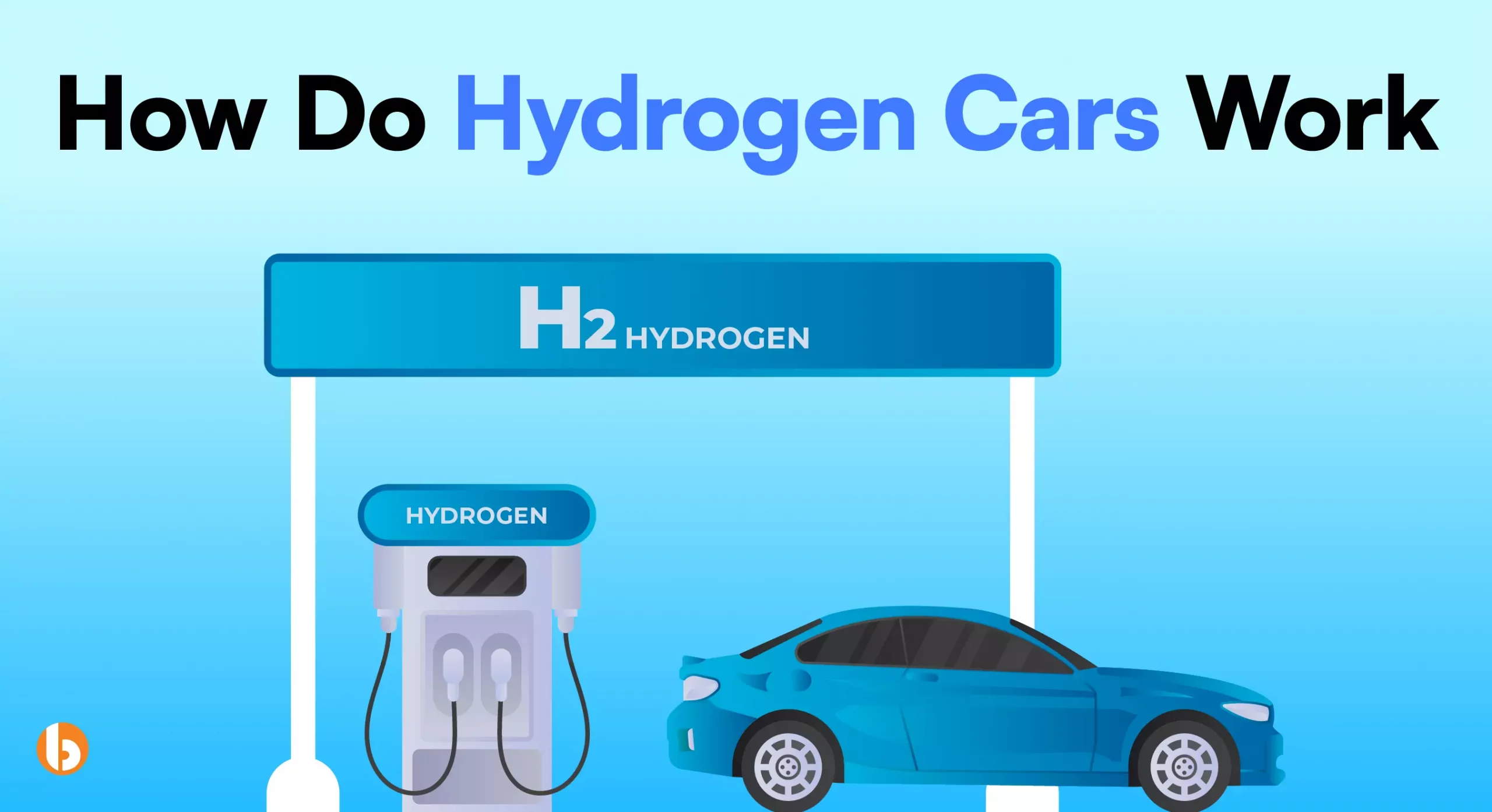
Hydrogen refueling stations are less common than electric charging points. Building new stations requires significant investment and safety measures. Current infrastructure limits where hydrogen SUVs can be used easily.
Refueling takes only a few minutes, similar to gasoline cars. This is faster than most electric vehicle charging times. Expanding hydrogen stations will improve convenience and support wider adoption.
Electric Suvs Basics
Electric SUVs use electric motors powered by batteries. They produce no tailpipe emissions. Their environmental impact depends on battery production and energy sources. Understanding their basics helps compare them to hydrogen SUVs.
Battery Technology
Most electric SUVs use lithium-ion batteries. These batteries store energy efficiently and last many miles. Battery production requires mining of materials like lithium and cobalt. Recycling and new technologies aim to reduce environmental harm.
Charging Infrastructure
Charging stations are needed to power electric SUVs. They come in home chargers and public fast chargers. More chargers increase convenience and adoption of electric SUVs. The speed and availability of chargers affect user experience.
Energy Sources For Charging
Electric SUVs get energy from the electric grid. The environmental impact depends on how this electricity is made. Renewable sources like wind and solar reduce emissions. Grids using coal or gas increase carbon footprint.
Emissions Comparison
Comparing emissions between hydrogen SUVs and electric SUVs reveals key environmental differences. Both vehicles aim to reduce pollution but do so in distinct ways. Understanding these differences helps consumers make informed choices about cleaner transportation.
Tailpipe Emissions
Electric SUVs produce zero tailpipe emissions. They run entirely on electricity stored in batteries. Hydrogen SUVs emit only water vapor as exhaust. This means neither vehicle releases harmful gases like carbon dioxide or nitrogen oxides while driving. Both help lower urban air pollution significantly.
Production Emissions
Manufacturing electric SUVs involves emissions mainly from battery production. Mining and processing materials like lithium create environmental impacts. Hydrogen SUVs require fuel cells and storage tanks, which also need energy to produce. Overall, hydrogen SUV production can generate more emissions due to complex components. Still, advances in technology are reducing these impacts for both types.
Energy Source Impact
The environmental benefit depends on the energy source. Electric SUVs charged with renewable electricity have very low emissions. Hydrogen SUVs produce clean exhaust only if hydrogen comes from green sources like water electrolysis. Hydrogen made from natural gas or coal leads to higher emissions. Both vehicles’ impact varies greatly based on how their energy is produced.
Energy Efficiency
Energy efficiency plays a key role in the environmental impact of hydrogen SUVs and electric SUVs. It shows how well each vehicle uses the energy it gets. Better efficiency means less waste and fewer emissions. This section compares the efficiency of fuel cells and batteries. It also looks at energy loss during refueling and charging.
Fuel Cell Efficiency
Hydrogen SUVs use fuel cells to create electricity. These cells combine hydrogen with oxygen from the air. The process produces water as the only emission. Fuel cell efficiency ranges from 40% to 60%. Some energy is lost as heat during conversion. The energy density of hydrogen is high, allowing longer driving ranges. Still, the total efficiency depends on how hydrogen is made and stored.
Battery Efficiency
Electric SUVs rely on batteries to store and deliver electricity. Lithium-ion batteries are the most common type. They convert stored energy to power with about 85% to 95% efficiency. Battery technology has improved, reducing energy loss during use. Charging speed and battery health affect overall efficiency. Electric SUVs typically convert energy more directly than fuel cells.
Energy Loss In Refueling Vs Charging
Refueling hydrogen takes minutes but involves energy loss in production and compression. Hydrogen must be compressed or liquefied, which uses extra energy. Electric SUV charging is slower but more efficient. Charging stations transfer power with low energy loss. Some energy is lost in battery charging and discharging cycles. Overall, electric SUVs face less total energy loss from source to wheels.
Environmental Footprint
The environmental footprint of hydrogen SUVs and electric SUVs varies across several stages. Each phase from raw material extraction to the end of the vehicle’s life influences the total impact on nature. Understanding these differences helps assess which option is greener overall.
Raw Material Extraction
Hydrogen SUVs need rare metals for fuel cells, like platinum. Mining these metals can harm ecosystems and use much energy. Electric SUVs require lithium, cobalt, and nickel for batteries. Extracting these minerals often causes pollution and can affect local communities. Both types depend on materials that carry environmental costs during mining.
Manufacturing Impact
Building hydrogen SUVs involves complex fuel cell production, which consumes energy. Battery production for electric SUVs also requires high energy and water use. Producing batteries often releases more greenhouse gases than making fuel cells. Manufacturing processes for both vehicles generate waste and emissions, but electric SUVs tend to have a larger initial carbon footprint.
Vehicle Lifecycle Analysis
During use, electric SUVs produce zero tailpipe emissions. Hydrogen SUVs emit only water vapor, making both clean on the road. The total environmental impact depends on the energy source for electricity or hydrogen. Renewable energy reduces emissions greatly for both. Recycling batteries and fuel cells at the end of life can lower environmental harm. Overall, lifecycle impacts vary widely based on energy and recycling practices.
Safety And Maintenance
Safety and maintenance play a crucial role in deciding between hydrogen SUVs and electric SUVs. Both have unique features affecting driver security and upkeep demands. Understanding these aspects helps make an informed choice about their environmental impact and long-term use.
Hydrogen Risks
Hydrogen is highly flammable and can ignite easily. Leaks may cause explosions if not detected quickly. Hydrogen tanks undergo strict safety tests to prevent failures. However, accidents involving hydrogen vehicles can be severe due to its volatility. Handling and storing hydrogen requires special care and infrastructure.
Electric Vehicle Safety
Electric SUVs have fewer fire risks compared to hydrogen vehicles. Battery packs are built with multiple safety layers. Thermal management systems prevent overheating and battery damage. Electric cars undergo rigorous crash tests to ensure passenger protection. Still, battery fires can occur but are less frequent and easier to control.
Maintenance Costs
Hydrogen SUVs often have higher maintenance costs because fuel cells are complex. Replacement parts and repairs can be expensive and less common. Electric SUVs have fewer moving parts, leading to lower maintenance needs. Battery health is crucial but improving with technology advancements. Overall, electric SUVs tend to be cheaper to maintain over time.
Cost And Accessibility
Cost and accessibility play key roles in choosing between hydrogen SUVs and electric SUVs. Both options offer cleaner alternatives to traditional vehicles. Understanding the costs and how easy it is to access fuel or charging stations helps buyers make smart choices.
Fuel And Charging Costs
Hydrogen fuel prices tend to be higher than electricity costs. Producing and delivering hydrogen is complex and costly. Electric SUVs can be charged at home or public stations. Charging electricity usually costs less than hydrogen fuel. Over time, electric charging remains more affordable for most drivers.
Vehicle Price Comparison
Hydrogen SUVs often have higher upfront prices. Their technology is newer and less common. Electric SUVs benefit from mass production and technology improvements. This lowers their purchase price gradually. Buyers find electric SUVs more budget-friendly initially and for long-term ownership.
Infrastructure Availability
Hydrogen refueling stations are rare and mostly in select areas. This limits hydrogen SUV usability for many drivers. Electric vehicle charging stations are widespread and growing fast. Home charging options add to electric SUVs’ convenience. Accessibility favors electric SUVs due to better infrastructure.

Future Outlook
The future of Hydrogen SUVs and Electric SUVs will shape the environment and transportation. Both technologies aim to reduce pollution and dependence on fossil fuels. Progress depends on innovation, market acceptance, and government support. Understanding these factors helps predict which option might lead the way.
Technological Advances
Hydrogen fuel cells are becoming more efficient and durable. New materials lower costs and improve storage safety. Electric SUVs benefit from better batteries with longer life and faster charging. Innovations in renewable energy will make both cleaner. Technology will decide which vehicle becomes more practical and eco-friendly.
Market Adoption Trends
Electric SUVs have seen rapid growth worldwide. More charging stations appear in cities and highways. Hydrogen SUVs face challenges due to limited refueling infrastructure. Consumer interest grows as prices drop and performance improves. Adoption rates will influence environmental benefits and industry investment.
Policy And Incentives
Governments offer subsidies to boost clean vehicle sales. Tax credits, grants, and rebates lower ownership costs. Policies promoting renewable hydrogen production support fuel cell cars. Regulations on emissions push automakers to innovate faster. Strong policy frameworks will guide the balance between hydrogen and electric SUVs.
Frequently Asked Questions
Are Hydrogen Cars More Environmentally Friendly Than Electric Cars?
Hydrogen cars can be eco-friendly if hydrogen comes from renewable sources. Electric cars produce zero tailpipe emissions and use cleaner energy. Environmental impact depends on energy origin and production methods.
Are Hybrid Suvs Better For The Environment?
Hybrid SUVs reduce emissions by combining gasoline and electric power, improving fuel efficiency and lowering pollution compared to traditional SUVs.
What Is The Carbon Footprint Of A Hydrogen Car?
The carbon footprint of a hydrogen car depends on hydrogen production. Green hydrogen from renewable energy produces low emissions. Hydrogen from fossil fuels increases carbon output. Overall, hydrogen cars emit less than gasoline vehicles but may have higher footprints than electric cars powered by clean energy.
Is There A Downside To Hydrogen Cars?
Hydrogen cars face high fuel cell costs, limited refueling stations, safety risks from flammability, and uncertain maintenance expenses.
Conclusion
Choosing between a hydrogen SUV and an electric SUV depends on energy sources. Both offer cleaner alternatives to gasoline vehicles. Electric SUVs produce no tailpipe emissions. Hydrogen SUVs’ impact varies with hydrogen production methods. Renewable energy use lowers environmental harm for both types.
Charging infrastructure and fuel availability also affect their benefits. Consumers should consider local energy and refueling options. Both technologies can reduce pollution and greenhouse gases. The future of green SUVs relies on clean energy growth. Simple steps now help create a healthier environment later.

