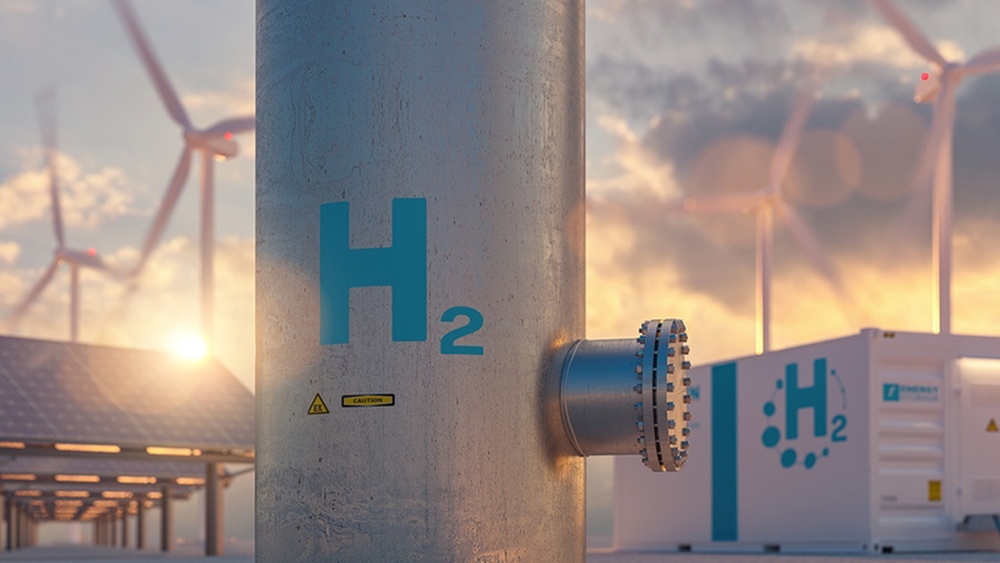
Hydrogen vehicles are emerging as a powerful solution in the transition to a green economy, offering zero-emission transportation with quick refueling and long range. As renewable energy and clean tech advance, hydrogen-powered cars, trucks, and buses are becoming more viable, helping reduce carbon footprints and dependence on fossil fuels.
Imagine a world where your car runs on fuel that produces nothing but clean water as exhaust. No smog, no carbon emissions, no reliance on fossil fuels. This isn’t science fiction—it’s the promise of hydrogen vehicles. As the global community races to combat climate change and build a sustainable future, hydrogen-powered transportation is stepping into the spotlight as a critical player in the green economy.
Hydrogen vehicles, particularly fuel cell electric vehicles (FCEVs), use hydrogen gas to generate electricity through a chemical reaction in a fuel cell. This electricity then powers an electric motor, just like in a battery-electric vehicle (BEV), but with one major difference: instead of plugging in for hours to recharge, you can refill your hydrogen tank in under five minutes. That means the convenience of a gasoline car with the environmental benefits of an electric one.
But hydrogen isn’t just about personal cars. From city buses to long-haul trucks, from trains to forklifts, hydrogen technology is being adopted across multiple sectors. And because hydrogen can be produced using renewable energy—like wind, solar, or hydroelectric power—it offers a truly sustainable pathway to decarbonizing transportation. As nations set ambitious climate goals and industries seek cleaner operations, hydrogen vehicles are becoming a cornerstone of the green economy.
Key Takeaways
- Zero Tailpipe Emissions: Hydrogen vehicles emit only water vapor, making them a clean alternative to gasoline and diesel engines.
- Fast Refueling and Long Range: Unlike many electric vehicles, hydrogen cars can be refueled in minutes and travel 300–400 miles on a single tank.
- Supports Renewable Energy Integration: Green hydrogen, produced using renewable electricity, enhances energy storage and grid stability.
- Ideal for Heavy-Duty Transport: Trucks, buses, and trains benefit most from hydrogen due to their high energy demands and long routes.
- Government and Industry Investment: Countries like Japan, Germany, and the U.S. are investing heavily in hydrogen infrastructure and technology.
- Challenges Remain: High production costs, limited refueling stations, and energy efficiency concerns need to be addressed for widespread adoption.
- Future-Proofing the Economy: Hydrogen vehicles play a key role in decarbonizing transport and supporting a sustainable, resilient green economy.
📑 Table of Contents
What Are Hydrogen Vehicles?
Hydrogen vehicles are a type of zero-emission vehicle that uses hydrogen as their primary fuel source. Unlike traditional internal combustion engines that burn gasoline or diesel, hydrogen vehicles generate power through a process called electrochemical conversion. This happens inside a device known as a fuel cell stack, where hydrogen and oxygen combine to produce electricity, heat, and water.
There are two main types of hydrogen vehicles: fuel cell electric vehicles (FCEVs) and hydrogen internal combustion engine vehicles (H2-ICEs). FCEVs are the more common and efficient option. They use a fuel cell to convert hydrogen into electricity, which then powers an electric motor. The only byproduct is water vapor, making them completely clean at the tailpipe.
H2-ICEs, on the other hand, burn hydrogen in a modified internal combustion engine. While they still produce zero carbon emissions, they may emit small amounts of nitrogen oxides (NOx), depending on combustion conditions. However, both types represent a major leap forward from fossil fuel-powered vehicles.
One of the most well-known examples of an FCEV is the Toyota Mirai, a sleek sedan that can travel over 400 miles on a single tank and refuels in about five minutes. Hyundai’s NEXO and the Honda Clarity Fuel Cell are other notable models. These vehicles are not only environmentally friendly but also offer a smooth, quiet ride with instant torque—hallmarks of electric propulsion.
How Do Hydrogen Fuel Cells Work?
At the heart of every hydrogen vehicle is the fuel cell. Think of it as a mini power plant on wheels. Here’s how it works: hydrogen gas is fed into the anode side of the fuel cell, while oxygen from the air enters the cathode side. Inside the fuel cell, a catalyst—usually platinum—splits the hydrogen atoms into protons and electrons.
The protons pass through a special membrane (the electrolyte) to the cathode, while the electrons are forced to travel through an external circuit, creating an electric current. This current powers the vehicle’s motor. When the protons and electrons reunite at the cathode with oxygen, they form water (H2O), which is released as vapor.
This process is silent, efficient, and produces no harmful emissions. Modern fuel cells can convert up to 60% of the energy in hydrogen into electricity—significantly more efficient than the 20–30% efficiency of gasoline engines.
Types of Hydrogen Vehicles in Use Today
Hydrogen vehicles aren’t just for personal use. They’re being deployed across a wide range of transportation sectors:
– **Passenger Cars:** Models like the Toyota Mirai and Hyundai NEXO are available in select markets, offering consumers a zero-emission alternative with long range and fast refueling.
– **Buses:** Cities like London, Tokyo, and Cologne have introduced hydrogen-powered buses to reduce urban air pollution. These buses can operate all day on a single tank and emit only water.
– **Trucks and Logistics:** Companies like Nikola, Hyundai, and Toyota are developing hydrogen-powered semi-trucks for long-haul freight. These vehicles can carry heavy loads over long distances without the weight and charging limitations of large battery packs.
– **Trains:** In Germany, hydrogen-powered trains (like the Coradia iLint by Alstom) are already in service, replacing diesel trains on non-electrified rail lines.
– **Forklifts and Industrial Equipment:** Hydrogen forklifts are common in warehouses and distribution centers, where quick refueling and long operating hours are essential.
Each of these applications leverages hydrogen’s unique advantages—especially its energy density and refueling speed—making it ideal for heavy-duty and high-usage scenarios.
The Green Economy and the Role of Hydrogen
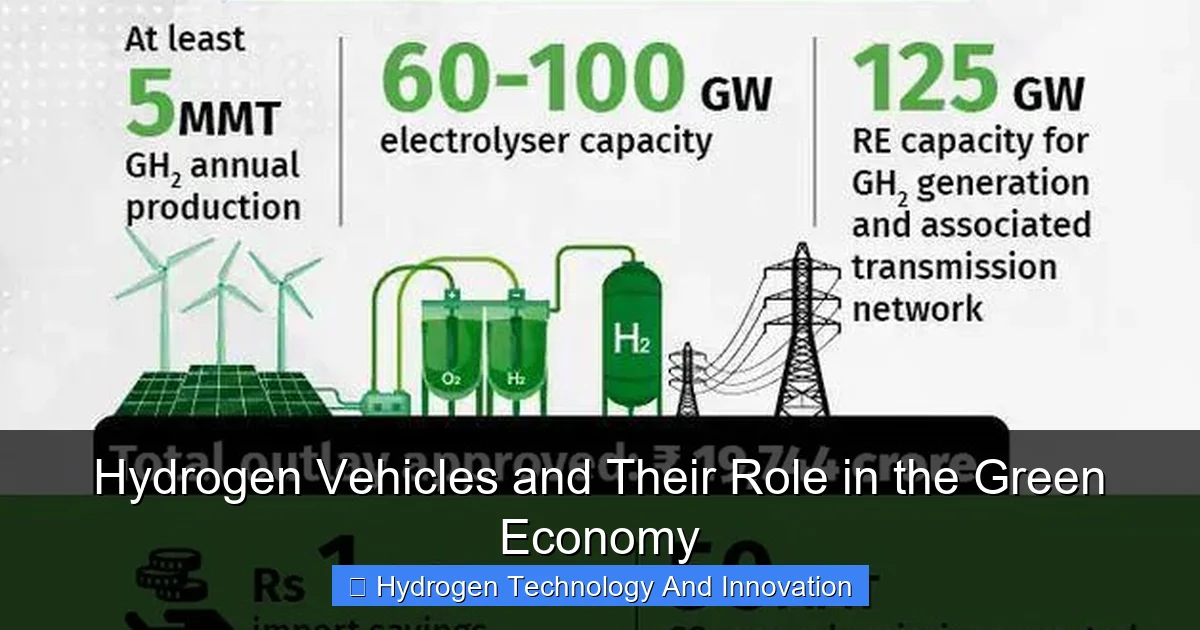
Visual guide about Hydrogen Vehicles and Their Role in the Green Economy
Image source: fsr.eui.eu
The green economy is built on the principles of sustainability, low carbon emissions, and renewable energy. It’s an economic model that prioritizes environmental health alongside growth and innovation. In this context, hydrogen vehicles are more than just clean cars—they’re enablers of systemic change.
Transportation accounts for nearly a quarter of global CO2 emissions, with road vehicles being the largest contributors. Transitioning to zero-emission vehicles is essential to meeting climate targets like those set by the Paris Agreement. While battery-electric vehicles (BEVs) have made significant strides, they aren’t the perfect solution for every use case. That’s where hydrogen comes in.
Hydrogen vehicles complement BEVs by addressing their limitations. For example, BEVs require long charging times and large, heavy batteries—especially for trucks and buses. Hydrogen vehicles, by contrast, offer quick refueling and high energy density, making them better suited for long-distance and heavy-duty transport.
Moreover, hydrogen supports the broader green economy by integrating with renewable energy systems. Excess electricity from wind or solar farms can be used to produce hydrogen through electrolysis—splitting water into hydrogen and oxygen. This “green hydrogen” can then be stored and used later to power vehicles or feed back into the grid during peak demand.
This creates a circular energy system: renewable energy powers hydrogen production, hydrogen powers clean transportation, and the only emission is water. It’s a win-win for the environment and energy resilience.
Hydrogen as a Clean Energy Carrier
One of hydrogen’s greatest strengths is its ability to store and transport energy. Unlike electricity, which is difficult to store at scale, hydrogen can be compressed, liquefied, or stored in chemical form for long periods. This makes it a valuable tool for balancing energy supply and demand in a renewable-heavy grid.
For example, on a windy night when electricity demand is low, excess wind power can be used to produce hydrogen. That hydrogen can then be used the next day to power buses or generate electricity during peak hours. This flexibility helps stabilize the grid and reduces the need for fossil fuel-based backup power.
Countries like Australia and Saudi Arabia are investing in large-scale green hydrogen projects, aiming to export hydrogen to energy-hungry regions like Japan and Europe. This global hydrogen economy could reshape energy trade and create new green jobs.
Job Creation and Economic Growth
The shift to hydrogen vehicles isn’t just good for the planet—it’s good for the economy. Building a hydrogen economy requires new infrastructure, manufacturing facilities, and skilled workers. From engineers designing fuel cells to technicians maintaining hydrogen refueling stations, the industry is creating high-quality jobs.
In the U.S., the Department of Energy estimates that a robust hydrogen economy could support up to 3.5 million jobs by 2050. Similar projections exist in Europe and Asia. These jobs span research, production, distribution, and maintenance, offering opportunities across urban and rural areas.
Additionally, hydrogen can revitalize industrial regions. For example, former coal towns could repurpose their infrastructure to produce green hydrogen, providing a just transition for workers and communities.
Environmental Benefits of Hydrogen Vehicles
The most obvious benefit of hydrogen vehicles is their zero tailpipe emissions. When powered by green hydrogen—produced using renewable energy—they offer a truly carbon-free transportation option. This is crucial for reducing air pollution in cities and meeting climate goals.
But the environmental advantages go beyond emissions. Hydrogen vehicles are quieter than diesel engines, reducing noise pollution in urban areas. They also reduce dependence on oil, enhancing energy security and reducing geopolitical tensions tied to fossil fuel imports.
Moreover, hydrogen production can be localized. Unlike oil, which is often imported from unstable regions, hydrogen can be made anywhere there’s water and renewable electricity. This decentralization strengthens energy independence and resilience.
Life Cycle Emissions: The Full Picture
It’s important to consider the entire life cycle of hydrogen vehicles, not just what comes out of the tailpipe. The environmental impact depends heavily on how the hydrogen is produced.
– **Green Hydrogen:** Made using renewable electricity and electrolysis. This is the cleanest option, with near-zero emissions.
– **Blue Hydrogen:** Produced from natural gas, but with carbon capture and storage (CCS) to reduce emissions. It’s cleaner than gray hydrogen but still has a carbon footprint.
– **Gray Hydrogen:** Made from natural gas without CCS. This is the most common method today but contributes to greenhouse gas emissions.
For hydrogen vehicles to truly support the green economy, the shift to green hydrogen is essential. Fortunately, the cost of renewable energy and electrolyzers is falling rapidly, making green hydrogen increasingly competitive.
Reducing Urban Air Pollution
Cities around the world are grappling with poor air quality caused by vehicle emissions. Nitrogen oxides (NOx), particulate matter (PM), and carbon monoxide from diesel engines contribute to respiratory diseases and premature deaths.
Hydrogen vehicles emit none of these pollutants. Replacing diesel buses and trucks with hydrogen-powered alternatives can dramatically improve urban air quality. For example, London’s hydrogen bus fleet has helped reduce NOx emissions in the city center, contributing to better public health outcomes.
Challenges and Barriers to Adoption
Despite their promise, hydrogen vehicles face several challenges that must be overcome for widespread adoption.
One of the biggest hurdles is infrastructure. There are currently fewer than 200 hydrogen refueling stations in the U.S., mostly concentrated in California. Building a nationwide network will require massive investment and coordination between governments, automakers, and energy companies.
Another challenge is cost. Hydrogen vehicles are still more expensive than gasoline or battery-electric cars, primarily due to the high cost of fuel cells and hydrogen storage systems. However, as production scales up and technology improves, prices are expected to fall.
Energy efficiency is also a concern. The process of producing, compressing, transporting, and converting hydrogen into electricity is less efficient than charging a battery directly from renewable sources. Some studies suggest that hydrogen vehicles use two to three times more energy than battery-electric vehicles for the same distance.
Finally, there are safety concerns. Hydrogen is highly flammable and requires careful handling. However, modern hydrogen systems are designed with multiple safety features, including leak detection, pressure relief valves, and reinforced tanks. In fact, hydrogen vehicles have undergone rigorous safety testing and are considered as safe as conventional vehicles.
Overcoming Infrastructure Gaps
To build a hydrogen refueling network, governments and private companies must work together. In California, the state has partnered with automakers and energy firms to expand hydrogen stations along major highways. Similar initiatives are underway in Germany, Japan, and South Korea.
Mobile refueling units and on-site hydrogen production (using solar or wind power) can also help bridge the gap in rural or remote areas. As demand grows, economies of scale will make infrastructure more affordable.
Bringing Down Costs Through Innovation
Researchers are working to reduce the cost of fuel cells by replacing expensive materials like platinum with cheaper alternatives. Advances in electrolysis are also lowering the cost of green hydrogen production.
Automakers are investing in mass production to bring down vehicle prices. Toyota, for example, has reduced the cost of the Mirai by over 70% since its launch in 2014. As production scales, further reductions are expected.
Global Leaders in Hydrogen Technology
Several countries are leading the charge in hydrogen vehicle development and deployment.
Japan has been a pioneer, with strong government support and a national hydrogen strategy. The country aims to have 800,000 hydrogen vehicles on the road by 2030 and is investing in hydrogen-powered homes and industries.
Germany has launched the National Hydrogen Strategy, focusing on green hydrogen and fuel cell technology. The country is home to the world’s first hydrogen-powered passenger train and is expanding its refueling network.
South Korea is another leader, with Hyundai at the forefront of FCEV development. The government plans to deploy 16,000 hydrogen buses and 30,000 hydrogen taxis by 2030.
The United States, particularly California, has made significant progress in hydrogen infrastructure. The state has over 50 hydrogen stations and offers incentives for FCEV purchases.
China is also investing heavily in hydrogen, with plans to build thousands of refueling stations and deploy hydrogen buses and trucks across major cities.
Public-Private Partnerships Driving Progress
Collaboration between governments, automakers, and energy companies is key to advancing hydrogen technology. Initiatives like the Hydrogen Council—a global CEO-led coalition—bring together industry leaders to accelerate the transition.
In the U.S., the Department of Energy’s H2@Scale initiative supports research and development to make hydrogen production, storage, and use more affordable and efficient.
The Future of Hydrogen Vehicles
The future of hydrogen vehicles looks bright. As renewable energy becomes cheaper and more abundant, green hydrogen will become the dominant production method. Advances in fuel cell technology, storage, and infrastructure will make hydrogen vehicles more accessible and affordable.
We can expect to see more hydrogen-powered trucks on highways, buses in cities, and even hydrogen ferries and aircraft in the coming decades. The aviation and shipping industries, which are difficult to electrify with batteries, may turn to hydrogen as a clean fuel alternative.
Moreover, hydrogen vehicles will play a key role in creating a circular, sustainable economy. They’ll help integrate renewable energy, reduce emissions, and create green jobs—all while offering consumers a convenient and powerful transportation option.
The transition won’t happen overnight, but with continued investment and innovation, hydrogen vehicles are poised to become a cornerstone of the green economy.
What You Can Do Today
Even if hydrogen vehicles aren’t yet widely available in your area, there are ways to support the transition:
– **Stay informed:** Follow developments in hydrogen technology and policy.
– **Advocate for infrastructure:** Support local and national initiatives to build hydrogen refueling stations.
– **Choose clean transport:** If a hydrogen vehicle isn’t an option, consider a battery-electric or hybrid vehicle.
– **Reduce your carbon footprint:** Walk, bike, or use public transit when possible.
Every action counts in building a greener future.
Conclusion
Hydrogen vehicles represent a transformative step toward a sustainable, low-carbon future. With zero tailpipe emissions, fast refueling, and the ability to support renewable energy systems, they offer a compelling solution to the challenges of modern transportation.
While challenges remain—such as infrastructure, cost, and energy efficiency—the progress made so far is encouraging. Governments, industries, and communities around the world are investing in hydrogen technology, recognizing its potential to drive economic growth, create jobs, and protect the planet.
As the green economy continues to evolve, hydrogen vehicles will play an increasingly important role. They’re not just a cleaner way to drive—they’re a key part of a broader shift toward sustainability, resilience, and innovation. The road ahead is long, but with hydrogen-powered momentum, we’re moving in the right direction.
Frequently Asked Questions
Are hydrogen vehicles really zero emission?
Yes, hydrogen vehicles produce zero tailpipe emissions—only water vapor comes out of the exhaust. However, the overall environmental impact depends on how the hydrogen is produced. Green hydrogen, made with renewable energy, is truly zero emission.
How long does it take to refuel a hydrogen vehicle?
Refueling a hydrogen vehicle takes about 3 to 5 minutes, similar to filling up a gasoline car. This is much faster than charging a battery-electric vehicle, which can take 30 minutes to several hours.
Are hydrogen vehicles safe?
Yes, hydrogen vehicles are designed with multiple safety features, including leak detection, pressure relief valves, and reinforced tanks. They undergo rigorous testing and are considered as safe as conventional vehicles.
Why aren’t there more hydrogen refueling stations?
Hydrogen refueling infrastructure is still in its early stages and requires significant investment. Currently, stations are limited, mostly in California, Europe, and parts of Asia. Expansion is underway as demand grows.
Can hydrogen vehicles compete with electric cars?
Hydrogen vehicles and battery-electric vehicles each have strengths. BEVs are more energy-efficient for short trips, while hydrogen vehicles excel in long-range and heavy-duty applications like trucks and buses.
How is green hydrogen produced?
Green hydrogen is produced by splitting water into hydrogen and oxygen using electrolysis, powered by renewable energy sources like wind or solar. This method produces no greenhouse gas emissions.