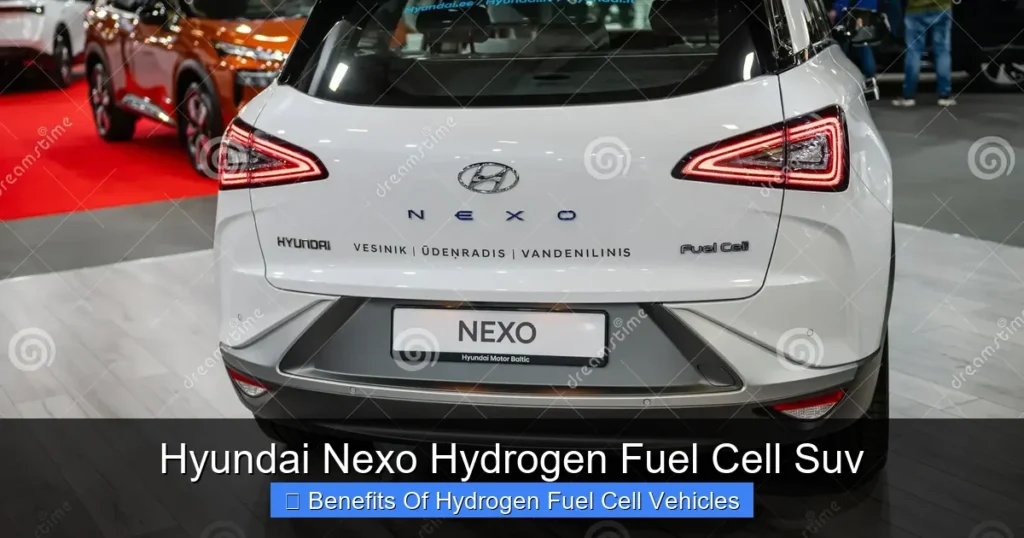
The Hyundai Nexo hydrogen fuel cell SUV is a cutting-edge zero-emission vehicle that runs on hydrogen, emitting only water vapor. With a range of over 380 miles, advanced driver assistance, and futuristic design, it’s leading the charge in sustainable transportation.
Imagine driving a car that emits nothing but clean water vapor—no smog, no carbon dioxide, no harmful particulates. Sounds like science fiction, right? But it’s real, and it’s here. Meet the Hyundai Nexo hydrogen fuel cell SUV, a vehicle that’s redefining what it means to drive green. Unlike traditional electric vehicles that rely on heavy lithium-ion batteries, the Nexo uses hydrogen fuel cell technology to generate electricity on the go. This means you get the environmental benefits of an EV without the long charging times or range anxiety.
The Nexo isn’t just a concept car or a prototype—it’s a fully production-ready SUV that’s already on the roads in select markets, especially in California where hydrogen infrastructure is most developed. It’s sleek, modern, and packed with features that make it competitive with luxury SUVs, all while being kinder to the planet. Whether you’re commuting to work, taking a weekend road trip, or simply looking to reduce your carbon footprint, the Nexo offers a compelling alternative to gas-guzzling SUVs and even some battery-electric models.
But what exactly makes the Hyundai Nexo stand out in the growing world of alternative fuel vehicles? Let’s dive into the details—from how it works to why it might just be the future of sustainable driving.
Key Takeaways
- Zero Emissions: The Hyundai Nexo produces only water vapor as a byproduct, making it one of the cleanest vehicles on the road.
- Long Driving Range: With a range of up to 380 miles on a single tank, the Nexo outperforms many electric and hydrogen competitors.
- Fast Refueling: Unlike battery EVs, the Nexo refuels in just 5–7 minutes—similar to a gasoline car.
- Advanced Safety Features: Equipped with Hyundai’s SmartSense suite, including lane-keeping assist, adaptive cruise control, and blind-spot monitoring.
- Spacious and Comfortable Interior: The Nexo offers a premium cabin with modern tech, ample legroom, and intuitive controls.
- Government Incentives Available: Buyers may qualify for tax credits and rebates, especially in California and other eco-friendly states.
- Pioneering Hydrogen Infrastructure: While still growing, hydrogen stations are expanding, particularly in California, making the Nexo a viable option for early adopters.
📑 Table of Contents
How the Hyundai Nexo Hydrogen Fuel Cell SUV Works
At the heart of the Hyundai Nexo is its hydrogen fuel cell system—a marvel of modern engineering that turns hydrogen into electricity to power the vehicle. But how does it actually work? Let’s break it down in simple terms.
The Science Behind the Fuel Cell
The Nexo stores hydrogen gas in high-pressure tanks located beneath the vehicle. When you start the car, hydrogen flows from these tanks into the fuel cell stack. Inside the stack, hydrogen molecules are split into protons and electrons. The protons pass through a special membrane, while the electrons are forced to travel through an external circuit—creating an electric current. This electricity powers the motor that drives the wheels.
Meanwhile, oxygen from the air enters the fuel cell and combines with the protons and electrons to form water—H₂O—which is then released as harmless water vapor through the exhaust. No combustion. No emissions. Just clean energy.
Why Hydrogen Over Batteries?
You might be wondering: why use hydrogen instead of just plugging into the grid like a Tesla or Nissan Leaf? The answer lies in efficiency, convenience, and sustainability. While battery electric vehicles (BEVs) are great, they come with some limitations. Charging can take anywhere from 30 minutes (with fast chargers) to several hours, and long road trips require careful planning around charging stations.
The Hyundai Nexo, on the other hand, refuels in just 5 to 7 minutes—about the same time it takes to fill up a gas tank. Plus, it offers a range of up to 380 miles, which is significantly more than many BEVs. This makes it ideal for drivers who need flexibility and don’t want to be tethered to charging stations.
Another advantage? Hydrogen can be produced using renewable energy sources like wind, solar, or hydroelectric power. When green hydrogen is used, the entire lifecycle of the vehicle becomes nearly carbon-neutral.
Energy Storage and Efficiency
The Nexo doesn’t rely solely on the fuel cell for power. It also includes a small lithium-ion battery that stores excess energy generated during braking (regenerative braking) and helps provide extra power during acceleration. This hybrid approach improves overall efficiency and ensures smooth performance.
While fuel cell vehicles aren’t 100% efficient—some energy is lost in the conversion process—they’re still far cleaner than internal combustion engines. And as hydrogen production becomes greener, the environmental benefits will only grow.
Performance and Driving Experience
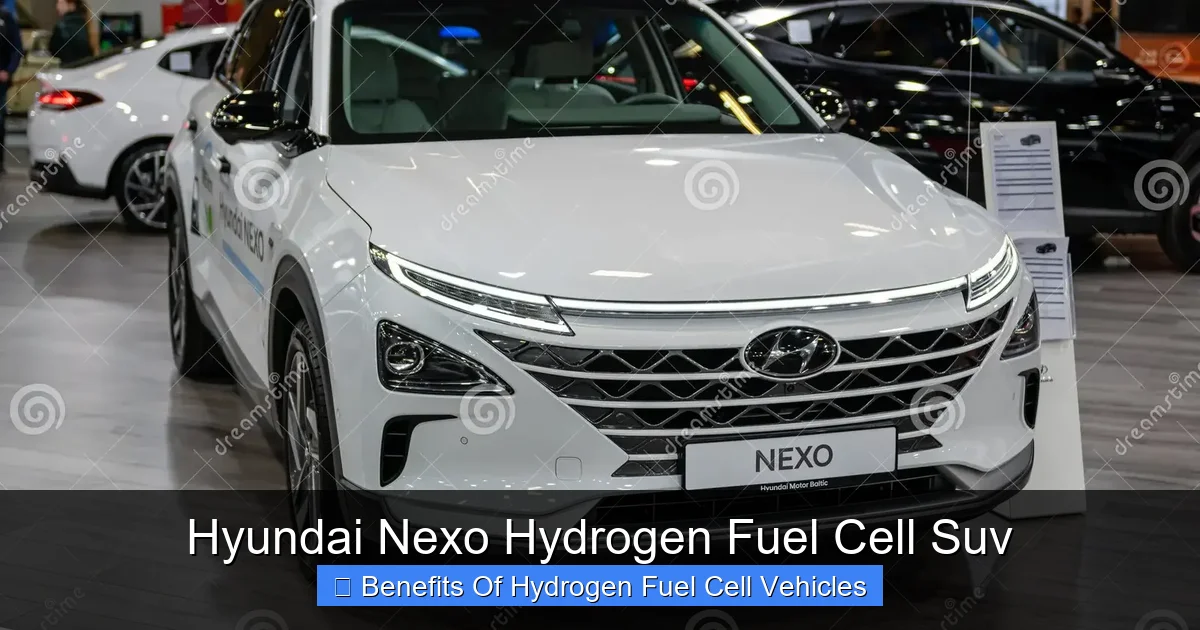
Visual guide about Hyundai Nexo Hydrogen Fuel Cell Suv
Image source: thumbs.dreamstime.com
You might think a hydrogen-powered SUV would be slow or underpowered, but the Hyundai Nexo proves otherwise. It delivers a smooth, quiet, and responsive driving experience that rivals many premium SUVs.
Power and Acceleration
The Nexo is powered by a 161-horsepower electric motor that generates 291 lb-ft of torque. While it’s not a sports car, it’s more than capable of handling city traffic, highway merges, and even light off-roading. The electric motor provides instant torque, meaning quick acceleration from a stop—perfect for zipping through traffic or merging onto freeways.
The top speed is electronically limited to 108 mph, which is more than enough for everyday driving. And because there’s no engine noise, the ride is incredibly quiet, making for a peaceful and relaxing experience.
Handling and Comfort
The Nexo rides on a specially tuned suspension system that balances comfort and control. Whether you’re cruising on the highway or navigating bumpy city streets, the ride remains smooth and composed. The steering is light and precise, making it easy to maneuver in tight spaces.
Inside, the cabin is spacious and well-appointed. The Nexo seats five comfortably, with plenty of legroom and headroom in both the front and rear rows. The seats are supportive and covered in eco-friendly materials, including recycled plastics and bio-fabrics.
Regenerative Braking and Eco Modes
Like many modern EVs, the Nexo features regenerative braking, which captures energy during deceleration and feeds it back into the battery. This not only improves efficiency but also reduces wear on the brake pads.
The vehicle also includes multiple driving modes, including Eco and Comfort, which adjust throttle response, climate control, and other systems to maximize range and efficiency. In Eco mode, you can stretch your hydrogen supply even further—ideal for long trips or when stations are sparse.
Design and Interior Features
The Hyundai Nexo isn’t just functional—it’s stylish. With its futuristic design and premium interior, it stands out on the road and turns heads wherever it goes.
Exterior Styling
The Nexo features a bold, aerodynamic design with sharp lines, LED lighting, and a distinctive front grille. The slim LED headlights and taillights give it a high-tech look, while the floating roof design and chrome accents add a touch of elegance.
It’s available in a range of colors, including unique shades like Ceramic Blue and Gravity Gold, which highlight its eco-friendly identity. The overall shape is sleek and modern, with a drag coefficient of just 0.32 Cd—impressive for an SUV.
Interior Comfort and Technology
Step inside, and you’re greeted by a spacious, minimalist cabin with high-quality materials and intuitive controls. The dashboard features a dual-screen setup: a 12.3-inch digital instrument cluster and a 12.3-inch touchscreen infotainment system.
The infotainment system supports Apple CarPlay, Android Auto, and Hyundai’s Blue Link connected services, which allow you to remotely start the car, check hydrogen levels, and locate nearby fueling stations via a smartphone app.
Other interior highlights include:
- Heated and ventilated front seats
- Panoramic sunroof
- Wireless smartphone charging
- Premium audio system with multiple speakers
- Dual-zone automatic climate control
The Nexo also offers generous cargo space—30.5 cubic feet behind the rear seats and up to 56.2 cubic feet with the seats folded down. That’s plenty for groceries, luggage, or even a weekend camping trip.
Sustainability in Design
Hyundai didn’t just focus on performance—they also prioritized sustainability in the Nexo’s design. The interior uses eco-friendly materials, including:
- Bio-fabrics made from corn and sugarcane
- Recycled plastics in the dashboard and trim
- Water-based paints and adhesives
Even the carpets are made from recycled fishing nets. It’s a small detail, but it shows Hyundai’s commitment to reducing environmental impact at every level.
Safety and Driver Assistance Features
Safety is a top priority for Hyundai, and the Nexo is packed with advanced driver assistance systems (ADAS) to keep you and your passengers protected.
Hyundai SmartSense Suite
The Nexo comes standard with Hyundai’s SmartSense safety suite, which includes:
- Forward Collision-Avoidance Assist (FCA): Detects vehicles, pedestrians, and cyclists, and can apply the brakes if a collision is imminent.
- Lane Keeping Assist (LKA): Helps keep the vehicle centered in its lane.
- Blind-Spot Collision Warning (BCW): Alerts you when a vehicle is in your blind spot.
- Smart Cruise Control (SCC): Maintains a set distance from the car ahead, even in stop-and-go traffic.
- Driver Attention Warning (DAW): Monitors driving patterns and alerts you if you seem drowsy or distracted.
These features work together to reduce the risk of accidents and make driving safer and less stressful.
Structural Safety and Ratings
The Nexo’s body is built with high-strength steel and aluminum, providing excellent crash protection while keeping weight down. It has earned top safety ratings from organizations like the IIHS (Insurance Institute for Highway Safety) and NHTSA (National Highway Traffic Safety Administration).
In crash tests, the Nexo performed well in frontal, side, and rollover scenarios, thanks to its robust frame and advanced airbag system.
Hydrogen Safety Systems
You might be concerned about the safety of storing hydrogen on board. Rest assured, the Nexo is designed with multiple safety features to prevent leaks or accidents. The hydrogen tanks are made from carbon fiber and can withstand extreme impacts. They’re also equipped with pressure relief devices that release gas safely in case of overpressure.
Sensors throughout the vehicle monitor hydrogen levels and will alert the driver—or shut down the system—if a leak is detected. Plus, hydrogen is lighter than air, so any leaked gas rises and dissipates quickly, reducing fire risk.
Environmental Benefits and Sustainability
The Hyundai Nexo isn’t just a clean car—it’s a step toward a cleaner future. Here’s how it contributes to environmental sustainability.
Zero Tailpipe Emissions
The most obvious benefit? The Nexo emits only water vapor. No CO₂, no nitrogen oxides, no particulate matter. This makes it ideal for improving air quality in cities and reducing greenhouse gas emissions.
Lifecycle Emissions
While the production of hydrogen can generate emissions (depending on the source), the overall lifecycle emissions of a fuel cell vehicle are significantly lower than gasoline cars—and even lower than some EVs when green hydrogen is used.
Studies show that hydrogen fuel cell vehicles can reduce lifecycle emissions by up to 30–50% compared to gasoline vehicles, especially when hydrogen is produced using renewable energy.
Support for Renewable Energy
Hydrogen can be produced through electrolysis—splitting water into hydrogen and oxygen using electricity. When that electricity comes from solar, wind, or hydro, the result is “green hydrogen,” which is completely carbon-free.
As more countries invest in renewable energy, the potential for green hydrogen grows. The Nexo is part of this shift, helping to create a circular energy economy.
Recyclability and End-of-Life Impact
Hyundai is also working to make the Nexo recyclable at the end of its life. The fuel cell stack, battery, and other components can be recovered and reused, reducing waste and conserving resources.
Charging, Refueling, and Infrastructure
One of the biggest questions about hydrogen vehicles is: where do you refuel? Let’s explore the current state of hydrogen infrastructure and what it means for Nexo owners.
Hydrogen Refueling Process
Refueling the Nexo is simple and fast. You drive up to a hydrogen station, connect the nozzle to the fuel port, and let the system do the rest. The entire process takes 5 to 7 minutes—about the same as filling up a gas tank.
The vehicle’s onboard display shows real-time fuel levels and estimated range, so you always know how far you can go.
Current Hydrogen Infrastructure
As of 2024, hydrogen refueling stations are still limited, with most located in California. The state has over 50 public stations, and more are being built. Other states, like New York and Hawaii, are also expanding their networks.
While this limits the Nexo’s usability in some areas, it’s a growing market. Hyundai is working with partners to expand infrastructure and make hydrogen more accessible.
Home Refueling and Future Possibilities
Currently, home hydrogen refueling isn’t widely available, but companies are developing home electrolyzers that could let you produce hydrogen using solar power. This could one day make refueling as easy as charging an EV at home.
Cost, Incentives, and Ownership Experience
Is the Hyundai Nexo affordable? Let’s look at the cost, incentives, and what it’s like to own one.
Purchase Price and Leasing Options
The Nexo starts around $60,000, which is higher than many gasoline SUVs but competitive with luxury EVs. Hyundai also offers leasing options, often with low monthly payments and included maintenance.
Government Incentives
Buyers may qualify for federal and state incentives. In the U.S., the federal tax credit for hydrogen vehicles is up to $8,000. California offers additional rebates of up to $5,000 through the Clean Vehicle Rebate Project (CVRP).
Maintenance and Operating Costs
The Nexo has fewer moving parts than a gasoline engine, so maintenance is simpler and cheaper. No oil changes, spark plugs, or exhaust systems to worry about. Hydrogen fuel costs vary, but it’s often comparable to gasoline on a per-mile basis—especially with incentives.
Conclusion
The Hyundai Nexo hydrogen fuel cell SUV is more than just a car—it’s a vision of the future. With zero emissions, fast refueling, long range, and advanced technology, it offers a practical and sustainable alternative to traditional vehicles.
While hydrogen infrastructure is still developing, the Nexo is a bold step toward a cleaner, greener transportation system. For early adopters and eco-conscious drivers, it’s a compelling choice that proves sustainability and performance can go hand in hand.
Frequently Asked Questions
How far can the Hyundai Nexo go on a full tank of hydrogen?
The Hyundai Nexo has an EPA-estimated range of up to 380 miles on a single tank, making it one of the longest-range hydrogen vehicles available.
How long does it take to refuel the Nexo?
Refueling the Nexo takes just 5 to 7 minutes—similar to filling up a gasoline car—much faster than charging most electric vehicles.
Is the Hyundai Nexo safe to drive?
Yes, the Nexo is equipped with advanced safety features and has earned top safety ratings. Its hydrogen tanks are designed to withstand impacts and leaks are monitored by onboard sensors.
Where can I refuel a Hyundai Nexo?
Most hydrogen refueling stations are currently located in California, with growing networks in other states like New York and Hawaii.
Does the Nexo qualify for government incentives?
Yes, buyers may be eligible for federal tax credits up to $8,000 and state rebates, especially in California.
What happens if I run out of hydrogen?
Like any vehicle, running out of fuel leaves you stranded. However, the Nexo’s range and growing infrastructure make this unlikely, and roadside assistance can help transport hydrogen if needed.