The Hyundai Nexo and Toyota Mirai are two of the most advanced hydrogen fuel cell SUVs on the market today. While both vehicles offer zero-emission driving, impressive range, and cutting-edge technology, they differ in design, performance, and real-world usability. This detailed comparison breaks down every key aspect to help you decide which hydrogen-powered SUV fits your lifestyle and values.
Key Takeaways
- Zero Emissions Driving: Both the Nexo and Mirai produce only water vapor as exhaust, making them truly clean vehicles for eco-conscious drivers.
- Impressive Range: The Hyundai Nexo offers up to 380 miles of range, while the Toyota Mirai delivers around 400 miles—outpacing many EVs on a single fill.
- Refueling Speed: Hydrogen refueling takes just 3–5 minutes, similar to gasoline, offering a major advantage over lengthy EV charging times.
- Advanced Technology: Both SUVs come loaded with driver-assist features, premium interiors, and smart connectivity, though the Nexo leans more toward futuristic design.
- Limited Infrastructure: Hydrogen stations are still rare outside California and select global regions, which can impact practicality for long-distance travel.
- Government Incentives: Buyers may qualify for federal and state tax credits, significantly reducing the effective purchase price of either vehicle.
- Resale and Support: Toyota has a longer track record with fuel cell tech, but Hyundai offers strong warranties and growing service networks.
📑 Table of Contents
- Introduction to Hydrogen Fuel Cell Vehicles
- Hyundai Nexo: The Futuristic Hydrogen SUV
- Toyota Mirai: The Pioneer of Hydrogen Mobility
- Hyundai Nexo vs Toyota Mirai: Side-by-Side Comparison
- The Hydrogen Infrastructure Challenge
- Environmental Impact and Sustainability
- Conclusion: Which Hydrogen SUV Is Right for You?
Introduction to Hydrogen Fuel Cell Vehicles
Imagine driving a vehicle that emits nothing but clean water vapor—no smog, no carbon dioxide, no harmful particulates. That’s the promise of hydrogen fuel cell vehicles (FCVs), and two of the most compelling examples on the road today are the Hyundai Nexo and the Toyota Mirai. These hydrogen-powered SUVs represent the cutting edge of green automotive technology, offering a sustainable alternative to both gasoline cars and battery-electric vehicles (EVs).
Unlike EVs that rely on large lithium-ion batteries and hours of charging, hydrogen FCVs generate electricity on board using a chemical reaction between hydrogen and oxygen. This process powers an electric motor, delivering smooth, quiet, and powerful performance—all while leaving behind only H₂O. The result? A driving experience that feels futuristic, yet familiar.
But with so much hype around electric vehicles, why consider hydrogen? For starters, refueling a hydrogen car takes just a few minutes—comparable to filling up at a gas station. That’s a game-changer for road trips and busy schedules. Plus, hydrogen vehicles often offer longer ranges than many EVs, making them ideal for drivers who need flexibility without frequent stops.
Hyundai Nexo: The Futuristic Hydrogen SUV

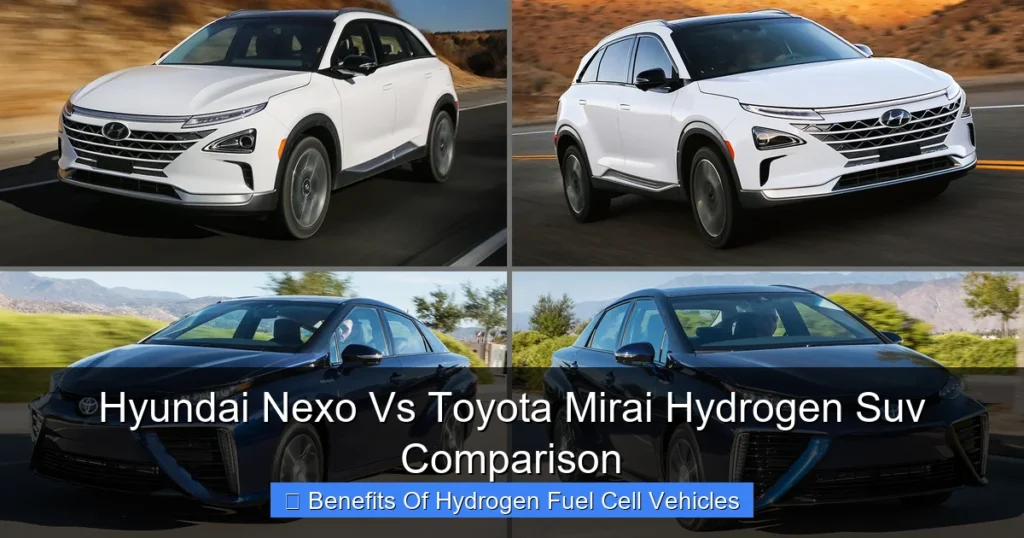
Visual guide about Hyundai Nexo Vs Toyota Mirai Hydrogen Suv Comparison
Image source: img.youtube.com
The Hyundai Nexo is more than just a car—it’s a statement. Launched in 2018 as the successor to the Hyundai Tucson Fuel Cell, the Nexo was designed from the ground up as a dedicated hydrogen-powered SUV. It blends sleek, aerodynamic styling with advanced technology and a strong focus on sustainability.
Design and Exterior Features
The Nexo’s design is bold and modern, with a low, wide stance and a coupe-like roofline that gives it a sporty yet elegant look. Its front fascia features Hyundai’s signature cascading grille, flanked by slim LED headlights that stretch across the width of the vehicle. The body is crafted with lightweight materials to improve efficiency, and the aerodynamic shape helps reduce drag, boosting range.
One standout feature is the hidden door handles, which pop out when the key fob is nearby—adding a touch of futuristic flair. The Nexo also includes solar roof panels on the top trim, which can generate a small amount of electricity to power auxiliary systems, further enhancing its eco-credentials.
Interior Comfort and Technology
Step inside the Nexo, and you’re greeted by a spacious, minimalist cabin with premium materials and ambient lighting. The dashboard is dominated by a dual-screen setup: a 7-inch digital instrument cluster and a 12.3-inch touchscreen infotainment system. The layout is intuitive, with physical buttons for climate control and audio, ensuring ease of use while driving.
Seating is comfortable for five passengers, with ample legroom and headroom in both rows. The rear seats fold flat, expanding the cargo area from 27.5 to 56.2 cubic feet—perfect for weekend getaways or hauling gear. Hyundai has also prioritized air quality inside the cabin, equipping the Nexo with a high-efficiency particulate air (HEPA) filter that captures 99.9% of fine dust and pollutants.
Performance and Driving Experience
Under the hood, the Nexo is powered by a 161-horsepower electric motor and a 40-kWh fuel cell stack. It delivers 291 lb-ft of torque, allowing for smooth acceleration from 0 to 60 mph in about 8.9 seconds. While not a performance beast, the Nexo offers more than enough power for city driving and highway merging.
The ride is quiet and refined, thanks to the absence of an internal combustion engine. The electric motor produces no vibrations or noise, creating a serene driving environment. The Nexo also features multiple driving modes—Eco, Normal, and Sport—letting drivers tailor the experience to their preferences.
Range and Refueling
One of the Nexo’s biggest strengths is its range. On a full tank of hydrogen, it can travel up to 380 miles (EPA-estimated), making it one of the longest-range hydrogen vehicles available. Refueling takes just 3 to 5 minutes at a compatible hydrogen station—far quicker than even the fastest EV chargers.
Hyundai has also introduced a predictive energy management system that uses navigation data to optimize hydrogen consumption. For example, if the system detects an upcoming hill, it will adjust power output to conserve fuel. This smart feature helps maximize efficiency and range.
Safety and Driver Assistance
The Nexo comes loaded with Hyundai’s SmartSense suite of safety features. This includes adaptive cruise control, lane-keeping assist, blind-spot monitoring, forward collision warning with automatic braking, and a driver attention alert system. It also features Highway Driving Assist, which combines adaptive cruise control and lane-centering for semi-autonomous highway driving.
In crash tests, the Nexo earned high marks from the National Highway Traffic Safety Administration (NHTSA), receiving an overall 5-star safety rating. Its rigid body structure and multiple airbags provide excellent protection in the event of a collision.
Toyota Mirai: The Pioneer of Hydrogen Mobility
The Toyota Mirai has been a trailblazer in the hydrogen vehicle space since its debut in 2015. Originally a compact sedan, the second-generation Mirai (launched in 2021) was reimagined as a sleek, rear-wheel-drive luxury sedan with SUV-like proportions. It’s built on Toyota’s advanced TNGA platform, offering improved handling, comfort, and efficiency.
Design and Exterior Styling
The new Mirai features a bold, coupe-inspired design with a long hood, short overhangs, and a sloping roofline. Its front end is dominated by a large, spindle-shaped grille and slim LED headlights, giving it a distinctive and modern appearance. The car sits low to the ground, enhancing its sporty character.
Available in multiple trims, including the premium XLE and Limited, the Mirai offers a range of exterior colors and wheel designs. The Limited trim includes 20-inch alloy wheels and a panoramic sunroof, adding to its upscale feel. Despite its sedan classification, the Mirai’s ride height and ground clearance are closer to that of a crossover, making it versatile for various road conditions.
Interior Luxury and Features
Inside, the Mirai blends Japanese craftsmanship with high-tech amenities. The cabin features soft-touch materials, wood trim, and ambient lighting that changes color based on driving mode. The dashboard is clean and uncluttered, with a 12.3-inch touchscreen infotainment system that supports Apple CarPlay, Android Auto, and Amazon Alexa.
Seating is comfortable for four passengers, with optional heated and ventilated front seats. The rear seats are spacious, though headroom is slightly limited due to the sloping roof. Cargo space is generous at 16.1 cubic feet, and the trunk includes a hidden compartment for storing the hydrogen refueling nozzle.
Performance and Handling
The Mirai is powered by a 182-horsepower electric motor and a 44-kW fuel cell stack. It produces 221 lb-ft of torque and accelerates from 0 to 60 mph in about 9.2 seconds. While slightly slower than the Nexo, the Mirai’s rear-wheel-drive layout provides better weight distribution and a more engaging driving feel.
Thanks to its low center of gravity and adaptive suspension (on higher trims), the Mirai handles corners with confidence and stability. The ride is smooth and composed, absorbing bumps and road imperfections with ease. Drivers can choose between Normal, Eco, and Sport modes to adjust throttle response and steering feel.
Range and Refueling Efficiency
The Mirai boasts an EPA-estimated range of up to 402 miles on the XLE trim—making it one of the longest-range hydrogen vehicles on the market. This impressive range is due in part to Toyota’s third-generation fuel cell system, which is more efficient and compact than previous versions.
Refueling is just as quick as the Nexo, taking 3 to 5 minutes at a hydrogen station. Toyota has also partnered with hydrogen providers to offer free fuel for up to six years (or $15,000 worth) with the purchase of a new Mirai, significantly reducing ownership costs.
Safety and Advanced Driver Aids
Toyota’s Safety Sense 2.5+ suite comes standard on all Mirai models. This includes pre-collision braking, lane departure alert with steering assist, adaptive cruise control, road sign recognition, and automatic high beams. The Mirai also features a 360-degree camera system and parking assist, making it easier to maneuver in tight spaces.
In safety tests, the Mirai earned a Top Safety Pick+ rating from the Insurance Institute for Highway Safety (IIHS), thanks to its strong crash protection and advanced safety tech.
Hyundai Nexo vs Toyota Mirai: Side-by-Side Comparison
Now that we’ve explored each vehicle in detail, let’s put them head-to-head across key categories.
Range and Efficiency
When it comes to range, the Toyota Mirai has a slight edge, offering up to 402 miles compared to the Nexo’s 380 miles. However, both vehicles far exceed the range of most battery-electric SUVs, which typically max out around 300 miles. In terms of efficiency, the Mirai consumes about 0.76 kg of hydrogen per 100 km, while the Nexo uses 0.81 kg—making the Mirai slightly more fuel-efficient.
Performance and Driving Dynamics
The Nexo delivers more torque (291 lb-ft vs. 221 lb-ft), giving it a slight advantage in acceleration and responsiveness. However, the Mirai’s rear-wheel-drive layout and lower center of gravity provide better handling and a more dynamic driving experience, especially on winding roads.
Interior Space and Comfort
The Nexo wins in terms of interior space, offering more headroom, legroom, and cargo capacity. It’s a true five-seater with a practical SUV layout, while the Mirai is better suited for four passengers. If you frequently carry passengers or need extra storage, the Nexo is the more versatile choice.
Technology and Infotainment
Both vehicles offer top-tier tech, but the Nexo’s dual-screen setup and solar roof give it a futuristic edge. The Mirai counters with a more luxurious interior and seamless smartphone integration. Ultimately, the choice depends on whether you prioritize innovation or refinement.
Price and Incentives
The Nexo starts at around $60,000, while the Mirai begins at approximately $50,000 for the XLE trim. However, both vehicles qualify for federal tax credits of up to $8,000, and California offers additional rebates of up to $5,000. Toyota’s free fuel program also adds significant value, potentially saving owners thousands over time.
The Hydrogen Infrastructure Challenge
Despite their many advantages, both the Nexo and Mirai face a major hurdle: limited hydrogen refueling infrastructure. As of 2024, there are fewer than 100 hydrogen stations in the United States, with the vast majority located in California. This makes long-distance travel challenging unless you plan your route carefully.
However, the situation is improving. California is investing heavily in hydrogen infrastructure, with plans to expand the network to 200 stations by 2026. Other states, including Hawaii and New York, are also beginning to install hydrogen pumps. Globally, countries like Japan, South Korea, and Germany are leading the way in hydrogen adoption.
For now, hydrogen FCVs are best suited for drivers in metropolitan areas with access to refueling stations. If you live in or near Los Angeles, San Francisco, or Sacramento, you’ll find the most options. But if you’re in a rural area or frequently travel across state lines, a hydrogen vehicle may not be practical—yet.
Environmental Impact and Sustainability
One of the biggest benefits of hydrogen fuel cell vehicles is their environmental footprint. Unlike gasoline cars, they produce zero tailpipe emissions. But the sustainability of hydrogen depends on how it’s produced.
Currently, most hydrogen is made from natural gas through a process called steam methane reforming, which does emit CO₂. However, “green hydrogen”—produced using renewable energy like wind or solar—is gaining traction. As the grid becomes cleaner, the environmental benefits of FCVs will only increase.
Both Hyundai and Toyota are committed to sustainability. Hyundai powers its hydrogen production with renewable energy at its research facilities, while Toyota is investing in green hydrogen projects worldwide. By choosing an FCV, you’re supporting a cleaner, more sustainable transportation future.
Conclusion: Which Hydrogen SUV Is Right for You?
So, which vehicle comes out on top in the Hyundai Nexo vs Toyota Mirai showdown? The answer depends on your priorities.
If you value range, interior space, and cutting-edge design, the Hyundai Nexo is a compelling choice. It’s a true SUV with room for the whole family, advanced tech, and a futuristic vibe. It’s ideal for eco-conscious drivers who want a practical, zero-emission vehicle.
On the other hand, if you prefer a more luxurious ride, better handling, and slightly longer range, the Toyota Mirai is hard to beat. Its rear-wheel-drive dynamics, premium interior, and generous incentives make it a strong contender for those seeking a refined hydrogen experience.
Both vehicles represent the future of clean transportation—offering fast refueling, long range, and zero emissions. While infrastructure remains a challenge, the technology is advancing rapidly. As hydrogen stations become more common, FCVs like the Nexo and Mirai will play a crucial role in reducing transportation emissions and building a greener world.
Whether you choose the bold Nexo or the elegant Mirai, you’re not just buying a car—you’re investing in a cleaner, more sustainable future.
Frequently Asked Questions
How long does it take to refuel a hydrogen SUV?
Refueling a hydrogen SUV like the Hyundai Nexo or Toyota Mirai takes just 3 to 5 minutes, similar to filling up a gasoline car. This is significantly faster than charging an electric vehicle, which can take 30 minutes to several hours depending on the charger.
Are hydrogen fuel cell vehicles safe?
Yes, hydrogen FCVs are designed with multiple safety features, including reinforced hydrogen tanks, automatic shut-off valves, and leak detection systems. Both the Nexo and Mirai have earned top safety ratings from agencies like NHTSA and IIHS.
Where can I refuel a hydrogen vehicle in the U.S.?
Most hydrogen stations in the U.S. are located in California, particularly in Los Angeles, San Francisco, and Sacramento. A few stations are also available in Hawaii and New York. Use apps like PlugShare or the Toyota/ Hyundai dealer locator to find nearby stations.
Do hydrogen SUVs qualify for tax credits?
Yes, both the Hyundai Nexo and Toyota Mirai qualify for a federal tax credit of up to $8,000. California residents may also be eligible for a Clean Vehicle Rebate Project (CVRP) rebate of up to $5,000, depending on income and vehicle type.
What happens if I run out of hydrogen?
If you run out of hydrogen, your vehicle will stop running, just like a gasoline car. However, hydrogen stations are equipped with emergency refueling options, and roadside assistance programs can help tow your vehicle to the nearest station.
Can hydrogen vehicles be charged at home?
No, hydrogen vehicles cannot be charged at home like electric cars. Hydrogen must be refueled at a public or private hydrogen station. Home hydrogen refueling systems are not widely available and are currently impractical for most consumers.