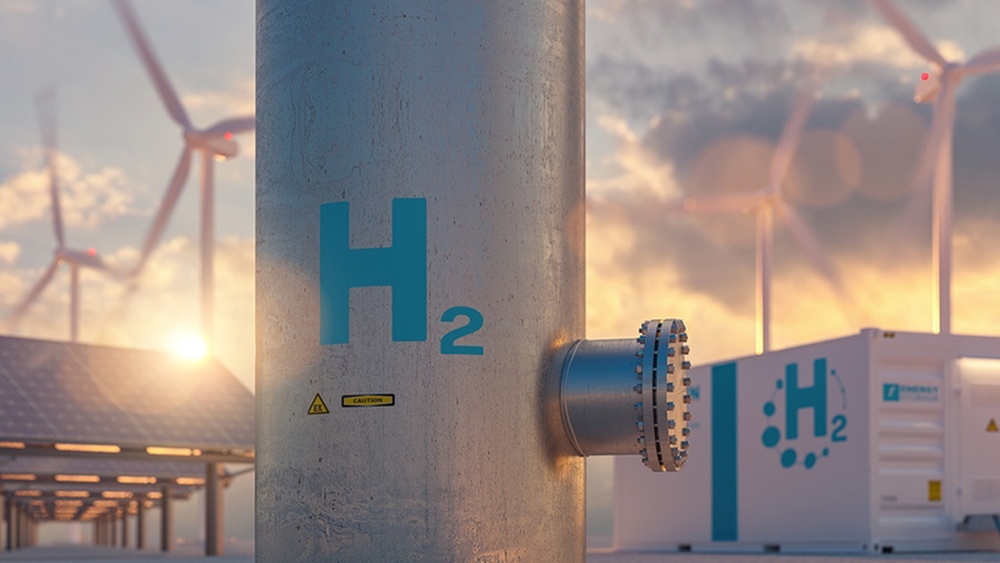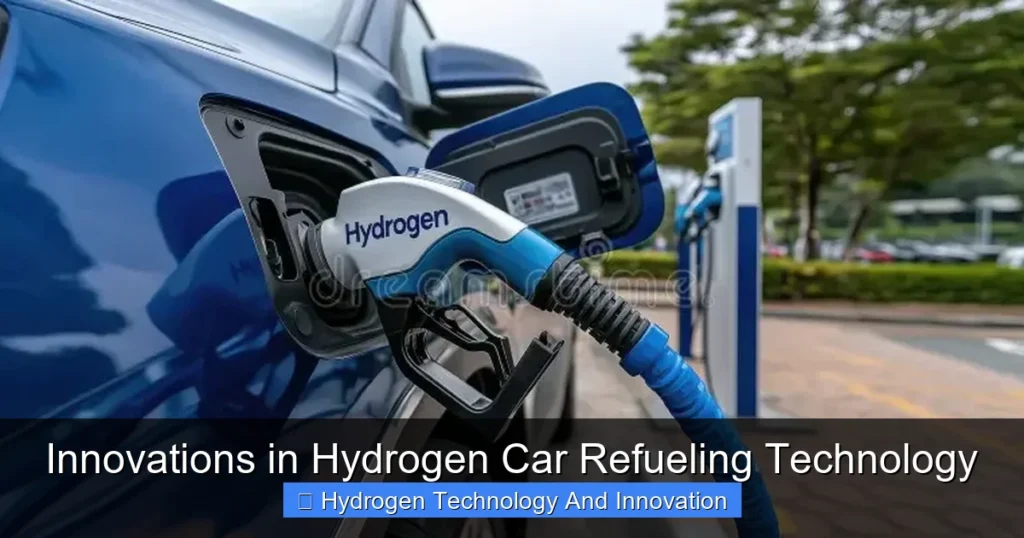
Hydrogen car refueling is evolving rapidly, with breakthroughs in speed, safety, and accessibility. From cryo-compressed systems to AI-powered stations, these innovations are making hydrogen vehicles a practical choice for everyday drivers.
Key Takeaways
- Faster refueling times: New compression and cooling methods now allow hydrogen cars to refuel in under 5 minutes—on par with gasoline vehicles.
- Mobile and modular stations: Portable refueling units are expanding access to hydrogen fuel in rural and underserved areas.
- Improved safety standards: Advanced sensors and leak-detection systems ensure safer handling of high-pressure hydrogen.
- AI-driven efficiency: Smart stations use artificial intelligence to optimize flow, monitor usage, and predict maintenance needs.
- Green hydrogen integration: Refueling networks are increasingly powered by renewable energy, reducing the carbon footprint of hydrogen production.
- Global infrastructure growth: Countries like Japan, Germany, and the U.S. are investing heavily in hydrogen refueling networks to support zero-emission transport.
- Consumer-friendly designs: New stations feature intuitive interfaces and contactless payment, making the experience seamless for everyday users.
📑 Table of Contents
- The Rise of Hydrogen Mobility: A Clean Fuel Revolution
- How Hydrogen Refueling Works: The Basics
- Breakthrough Innovations in Refueling Speed and Efficiency
- Mobile and Modular Refueling: Bringing Hydrogen to the People
- Smart Stations: The Role of AI and IoT in Hydrogen Refueling
- Green Hydrogen and Renewable Integration
- Global Progress: Building the Hydrogen Highway
- The Road Ahead: Challenges and Opportunities
- Conclusion: A Refueling Revolution in Motion
The Rise of Hydrogen Mobility: A Clean Fuel Revolution
Imagine pulling up to a fueling station, connecting a nozzle, and filling your car with clean, zero-emission hydrogen in just a few minutes. No long waits, no plug-in delays—just a quick stop and you’re back on the road. This isn’t science fiction. It’s the future of transportation, and it’s being built today through groundbreaking innovations in hydrogen car refueling technology.
Hydrogen-powered vehicles have long been praised for their environmental benefits. They emit only water vapor, produce no tailpipe pollutants, and offer long driving ranges—often exceeding 300 miles on a single tank. But for years, the biggest hurdle wasn’t the cars themselves. It was the lack of accessible, efficient, and safe refueling infrastructure. Drivers couldn’t rely on hydrogen stations the way they could on gas pumps or EV chargers. That’s changing fast.
Thanks to rapid technological advancements, hydrogen refueling is becoming faster, smarter, and more widespread. Engineers and energy companies are reimagining how hydrogen is stored, transported, and dispensed. From high-speed compression systems to AI-powered monitoring, the refueling experience is being transformed. These innovations aren’t just making hydrogen cars more practical—they’re helping to accelerate the global shift toward sustainable transportation.
How Hydrogen Refueling Works: The Basics
Visual guide about Innovations in Hydrogen Car Refueling Technology
Image source: c8.alamy.com
Before diving into the latest innovations, it helps to understand how hydrogen refueling actually works. Unlike electric vehicles that charge batteries, hydrogen fuel cell vehicles (FCEVs) generate electricity on board using a chemical reaction between hydrogen and oxygen. The hydrogen is stored in high-pressure tanks—typically at 700 bar (10,000 psi)—and fed into a fuel cell where it combines with oxygen from the air to produce electricity, powering the motor.
The refueling process involves transferring compressed hydrogen gas from a storage system at the station into the vehicle’s tank. This must be done quickly, safely, and without overheating the tank, which can affect performance and safety. Early hydrogen stations struggled with long fill times, inconsistent pressure, and limited availability. But today’s systems are far more advanced.
The Refueling Sequence: Step by Step
When you pull up to a modern hydrogen station, the process is surprisingly simple. First, you park and connect the dispenser nozzle to the vehicle’s fuel port—similar to a gas pump. The system then performs a series of automated checks. It verifies the connection, checks for leaks, and confirms the vehicle’s tank pressure. Once everything is secure, the station begins transferring hydrogen.
The key challenge is managing temperature. Compressing hydrogen gas generates heat, and if the tank gets too hot during refueling, it can slow down the process or even trigger safety shutdowns. To solve this, stations use pre-cooling systems that chill the hydrogen to around -40°C before it enters the vehicle. This allows for faster, more consistent fills without overheating.
Safety First: Built-In Protections
Safety is a top priority in hydrogen refueling. Hydrogen is flammable and lighter than air, which means it disperses quickly if leaked—but that doesn’t mean risks should be ignored. Modern stations are equipped with multiple layers of protection. High-sensitivity gas detectors monitor for leaks in real time. Emergency shut-off valves can halt the flow instantly if a problem is detected. And the nozzles are designed with breakaway features, so if a driver drives off with the hose still connected, it detaches safely without causing damage.
These safety systems are rigorously tested and certified to international standards, such as SAE J2601, which sets guidelines for safe hydrogen fueling. As a result, hydrogen refueling is now considered as safe—or safer—than gasoline or diesel refueling.
Breakthrough Innovations in Refueling Speed and Efficiency
One of the most significant advancements in hydrogen refueling technology is the dramatic improvement in fill speed. Early hydrogen stations could take 10 to 15 minutes to refuel a vehicle—far too long for most drivers. Today, that time has been slashed to under 5 minutes, matching the convenience of traditional gas stations.
Cryo-Compressed Hydrogen: The Game Changer
At the heart of this speed revolution is cryo-compressed hydrogen (CcH2) technology. This method stores hydrogen at both high pressure and ultra-low temperatures—typically around -196°C. By cooling the gas, engineers can pack more hydrogen into the same volume, increasing energy density and reducing refueling time.
Cryo-compressed systems allow for faster fills because the pre-cooled hydrogen doesn’t heat up as much during transfer. This means the station can maintain a high flow rate without triggering thermal safety limits. Some prototype stations using CcH2 have achieved fill times as low as 3 minutes for a full tank—faster than many gasoline stops.
Companies like Linde and Air Liquide are already testing cryo-compressed refueling at pilot stations in Europe and North America. While the technology is still emerging, it holds immense promise for high-traffic locations like truck stops and fleet depots, where speed is critical.
Dynamic Flow Control and Adaptive Algorithms
Another innovation boosting efficiency is dynamic flow control. Instead of using a fixed refueling profile, modern stations adjust the flow rate in real time based on the vehicle’s tank temperature, pressure, and fill level. This is made possible by communication protocols between the car and the dispenser, allowing for precise, optimized fills.
For example, if the vehicle’s tank is still cool from a previous drive, the station can start with a high flow rate. As the tank warms up, the system automatically slows the flow to prevent overheating. This adaptive approach not only speeds up refueling but also extends the life of the vehicle’s fuel tank by reducing thermal stress.
High-Pressure Dispensers: Pushing the Limits
Standard hydrogen dispensers operate at 700 bar, but next-generation systems are pushing toward 1000 bar and beyond. Higher pressure means more hydrogen can be stored in the same tank volume, increasing range without adding weight. However, this requires stronger materials and more robust safety systems.
Manufacturers like Parker Hannifin and Maximator are developing ultra-high-pressure components capable of handling these demands. These dispensers are being tested in heavy-duty applications, such as hydrogen-powered trucks and buses, where range and refueling speed are especially important.
Mobile and Modular Refueling: Bringing Hydrogen to the People
One of the biggest barriers to hydrogen adoption has been the lack of infrastructure. Building permanent hydrogen stations is expensive and time-consuming, especially in rural or low-demand areas. To solve this, companies are turning to mobile and modular refueling solutions.
Portable Hydrogen Stations: Refueling on the Go
Imagine a hydrogen station that fits on a trailer and can be driven to where it’s needed most. That’s exactly what mobile refueling units offer. These self-contained systems include hydrogen storage, compression, cooling, and dispensing equipment—all in a compact, transportable package.
Companies like H2 Energy Now and Nel Hydrogen are deploying mobile stations at events, construction sites, and remote locations. They’re also being used to support early adopters in areas without permanent infrastructure. For example, a mobile unit might serve a fleet of hydrogen buses in a small city until a full-scale station is built.
These units can be refilled by hydrogen tube trailers—large trucks that transport compressed gas from production facilities. Some even use on-site electrolysis, generating hydrogen from water and renewable electricity, making them truly zero-emission.
Modular Station Designs: Scalable and Flexible
Modular refueling stations are another innovation gaining traction. Instead of building a large, fixed facility, operators can start small with a single dispenser and expand as demand grows. These stations are built from standardized components that can be added or upgraded easily.
For instance, a modular station might begin with one dispenser and a small storage tank. As more hydrogen vehicles hit the road, the operator can add more dispensers, increase storage capacity, or integrate on-site hydrogen production. This scalability reduces upfront costs and allows for gradual investment based on real-world usage.
Modular designs are especially useful in urban areas where space is limited. A compact station can be installed in a parking garage, on a street corner, or even inside a shopping mall. Some are being designed with solar canopies, generating clean energy to power the hydrogen production and dispensing process.
Pop-Up Stations for Events and Emergencies
Mobile and modular stations are also proving valuable for special events and emergency response. During large festivals or sporting events, temporary hydrogen stations can support shuttle buses and service vehicles. In disaster zones, they can provide clean fuel for emergency vehicles when traditional infrastructure is damaged.
These pop-up stations demonstrate the flexibility of hydrogen technology. They show that refueling doesn’t have to be tied to a fixed location—it can go where it’s needed most.
Smart Stations: The Role of AI and IoT in Hydrogen Refueling
The future of hydrogen refueling isn’t just about hardware—it’s about intelligence. Smart stations powered by artificial intelligence (AI) and the Internet of Things (IoT) are transforming how hydrogen is dispensed, monitored, and maintained.
Real-Time Monitoring and Predictive Maintenance
Every component in a hydrogen station—from compressors to valves to sensors—can be connected to a central network. IoT devices collect data on pressure, temperature, flow rates, and equipment performance. This information is analyzed in real time to detect anomalies, predict failures, and optimize operations.
For example, if a compressor starts to vibrate more than usual, the system can flag it for inspection before it breaks down. If a dispenser is used frequently during certain hours, the station can adjust its cooling cycle to handle the load. This predictive approach reduces downtime, lowers maintenance costs, and improves reliability.
AI-Optimized Refueling Profiles
AI is also being used to refine the refueling process itself. By analyzing data from thousands of fills, machine learning algorithms can identify the most efficient refueling profiles for different vehicle models and conditions. This means each fill is tailored to the specific car, maximizing speed and safety.
Some stations are even integrating weather data into their algorithms. On hot days, when ambient temperatures are higher, the system might increase pre-cooling to maintain optimal fill rates. On cold days, it might adjust the flow to prevent over-pressurization.
User Experience Enhancements
Smart stations are also improving the customer experience. Touchscreen interfaces guide users through the refueling process with clear instructions and safety tips. Contactless payment systems allow for quick, secure transactions—no need to swipe a card or enter a PIN.
Some stations offer mobile app integration, letting drivers locate nearby stations, check availability, and even reserve a time slot. This level of convenience makes hydrogen refueling feel as seamless as using a gas pump or EV charger.
Green Hydrogen and Renewable Integration
For hydrogen vehicles to truly be zero-emission, the hydrogen itself must be produced cleanly. That’s where green hydrogen comes in—hydrogen generated using renewable energy sources like wind, solar, or hydropower.
On-Site Electrolysis: Producing Hydrogen at the Station
One of the most exciting trends is the integration of on-site electrolysis at refueling stations. Electrolyzers use electricity to split water into hydrogen and oxygen. When powered by solar panels or wind turbines, this process produces green hydrogen with no carbon emissions.
Companies like ITM Power and Plug Power are deploying electrolyzer-equipped stations in the U.S. and Europe. These stations can generate hydrogen as needed, reducing reliance on transported fuel and cutting delivery emissions. Some are even designed to store excess renewable energy as hydrogen, creating a form of long-duration energy storage.
Grid-Interactive Stations: Balancing Energy Demand
Smart hydrogen stations can also interact with the electrical grid. During periods of low demand or high renewable generation, they can ramp up hydrogen production, absorbing excess energy. When demand spikes, they can reduce production or even feed stored hydrogen back into the grid via fuel cells.
This grid-balancing capability makes hydrogen stations valuable assets in the clean energy ecosystem. They help stabilize the grid, support renewable integration, and provide backup power during outages.
Certification and Transparency
To ensure credibility, green hydrogen is increasingly being certified through programs like CertifHy in Europe or the Green-e certification in the U.S. These labels verify that the hydrogen was produced using renewable energy and meets strict environmental standards.
Drivers can now choose stations that offer certified green hydrogen, supporting the growth of truly sustainable transportation.
Global Progress: Building the Hydrogen Highway
The shift toward hydrogen mobility isn’t happening in isolation. Countries around the world are investing in hydrogen infrastructure as part of their climate and energy strategies.
Japan: A Pioneer in Hydrogen Adoption
Japan has been a global leader in hydrogen technology for decades. With limited fossil fuel resources and a strong commitment to decarbonization, the country has embraced hydrogen as a key part of its energy future. Tokyo alone has over 150 hydrogen stations, and the government aims to have 900 by 2030.
Japanese automakers like Toyota and Honda have been at the forefront of FCEV development, with models like the Toyota Mirai and Honda Clarity Fuel Cell. The country’s “Hydrogen Society” vision includes hydrogen-powered homes, businesses, and transportation.
Germany: Leading in Europe
Germany is another major player, with over 100 hydrogen stations and plans to expand to 1,000 by 2030. The government supports the H2Mobility initiative, a public-private partnership that builds and operates refueling networks.
German engineering firms like Siemens and Linde are developing advanced compression and storage technologies. The country is also investing in hydrogen trains and trucks, creating demand for large-scale refueling infrastructure.
United States: A Growing Network
In the U.S., California leads the way with over 60 hydrogen stations, mostly in the Los Angeles and San Francisco areas. The state’s Zero Emission Vehicle (ZEV) mandate has driven investment in both vehicles and infrastructure.
The federal government is also stepping in. The Bipartisan Infrastructure Law includes $8 billion for hydrogen hubs—regional networks that produce, process, and distribute hydrogen. These hubs will support refueling stations, industrial use, and energy storage.
China and South Korea: Rapid Expansion
China and South Korea are also making significant strides. China is the world’s largest producer of hydrogen, though much of it is currently “gray” hydrogen from fossil fuels. But the country is rapidly scaling up green hydrogen production and building refueling networks to support its growing fleet of hydrogen buses and trucks.
South Korea has set ambitious targets, aiming for 1,200 hydrogen stations by 2040. The government offers subsidies for both vehicles and infrastructure, accelerating adoption.
The Road Ahead: Challenges and Opportunities
Despite the progress, challenges remain. Hydrogen production is still expensive compared to gasoline or electricity. Infrastructure costs are high, and public awareness is low. But the pace of innovation is accelerating, and the benefits are clear.
As refueling technology improves, costs will come down. More stations will open. More drivers will experience the convenience and cleanliness of hydrogen vehicles. And as green hydrogen becomes more widespread, the environmental impact will continue to shrink.
The future of transportation isn’t just electric—it’s diverse. Battery electric vehicles will dominate in cities, but hydrogen will play a crucial role in long-haul transport, heavy industry, and regions with limited charging infrastructure.
With continued investment, innovation, and collaboration, hydrogen car refueling technology will help pave the way to a cleaner, more sustainable future.
Conclusion: A Refueling Revolution in Motion
The innovations in hydrogen car refueling technology are transforming what was once a niche concept into a viable, everyday reality. From lightning-fast fills to smart, solar-powered stations, the infrastructure is catching up with the promise of hydrogen mobility.
These advancements aren’t just technical feats—they’re enablers of change. They’re making zero-emission transportation more accessible, more convenient, and more appealing to drivers around the world. As the network grows and technology evolves, hydrogen vehicles will become a common sight on our roads.
The journey to a hydrogen-powered future is still unfolding, but one thing is clear: the refueling revolution is already here.
Frequently Asked Questions
How long does it take to refuel a hydrogen car?
Modern hydrogen refueling stations can fill a tank in under 5 minutes, comparable to gasoline vehicles. This is made possible by advanced cooling and compression technologies that prevent overheating during fast fills.
Is hydrogen refueling safe?
Yes, hydrogen refueling is very safe. Stations are equipped with multiple safety systems, including leak detectors, emergency shut-offs, and breakaway nozzles. International standards ensure rigorous testing and reliability.
Can hydrogen stations be powered by renewable energy?
Absolutely. Many new stations use on-site solar or wind power to produce green hydrogen via electrolysis. This eliminates carbon emissions from both production and refueling.
Are there enough hydrogen stations to support widespread adoption?
While still limited, the network is growing rapidly. Countries like Japan, Germany, and the U.S. are investing heavily in infrastructure, and mobile stations are helping fill gaps in underserved areas.
What vehicles can use hydrogen refueling stations?
Hydrogen stations are designed for fuel cell electric vehicles (FCEVs), such as the Toyota Mirai, Hyundai NEXO, and upcoming hydrogen trucks and buses. They are not compatible with battery electric vehicles.
How much does it cost to refuel a hydrogen car?
Currently, hydrogen fuel costs more than gasoline or electricity per mile, but prices are expected to fall as production scales up and green hydrogen becomes more common. Some regions offer subsidies to reduce consumer costs.