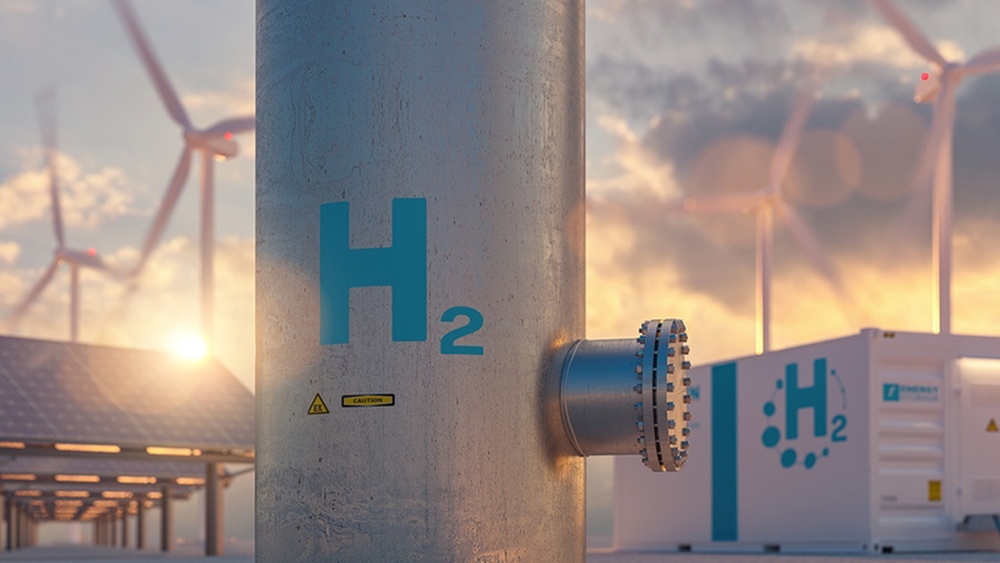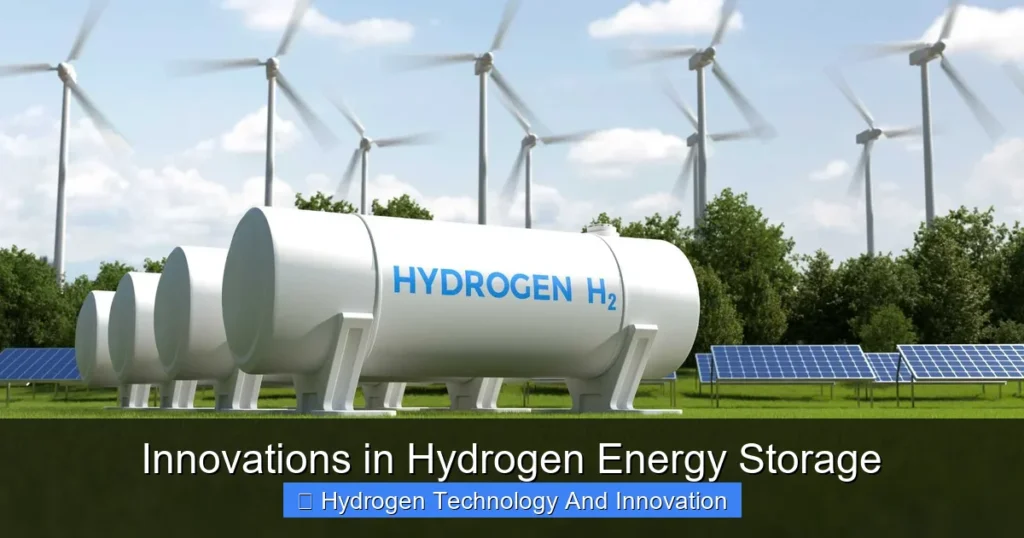
Hydrogen energy storage is emerging as a game-changer in the global shift toward renewable energy. With breakthroughs in materials, infrastructure, and scalable systems, storing hydrogen safely and efficiently is now more feasible than ever—paving the way for a sustainable, zero-emission future.
This is a comprehensive guide about Innovations in hydrogen energy storage.
Key Takeaways
- Hydrogen storage is critical for renewable energy reliability: It allows excess solar and wind power to be stored and used when demand peaks or generation dips.
- Liquid organic hydrogen carriers (LOHCs) offer safe, reversible storage: These chemicals absorb and release hydrogen under controlled conditions, enabling long-term storage without high pressure or extreme cold.
- Underground salt caverns are ideal for large-scale storage: Naturally impermeable and structurally stable, salt formations can hold vast amounts of hydrogen with minimal leakage risk.
- Metal hydrides provide compact, solid-state storage solutions: Certain metals absorb hydrogen atoms into their structure, offering high energy density and improved safety for mobile and stationary applications.
- Pipeline repurposing reduces infrastructure costs: Existing natural gas pipelines can be upgraded to transport hydrogen, accelerating adoption and cutting capital expenses.
- Hybrid storage systems combine multiple methods: Integrating physical, chemical, and geological techniques maximizes efficiency, safety, and scalability across different use cases.
- Government and private investment is accelerating innovation: Global funding initiatives are driving R&D, pilot projects, and commercial deployment of next-gen hydrogen storage technologies.
Frequently Asked Questions
What is hydrogen energy storage?
Hydrogen energy storage involves capturing hydrogen produced from renewable electricity and storing it for later use. It can be stored as a gas, liquid, or in chemical forms, and later converted back to electricity or used as a fuel.
Why is hydrogen storage important for renewable energy?
Renewable sources like solar and wind are intermittent. Hydrogen storage allows excess energy to be saved during peak production and used during low generation periods, ensuring a stable and reliable energy supply.
What are liquid organic hydrogen carriers (LOHCs)?
LOHCs are chemicals that absorb and release hydrogen through reversible reactions. They allow hydrogen to be stored and transported as a safe, stable liquid at ambient conditions, similar to conventional fuels.
Can existing natural gas pipelines be used for hydrogen?
Yes, many natural gas pipelines can be repurposed to carry hydrogen, especially in blends up to 20%. Full conversion to 100% hydrogen requires upgrades but is technically feasible and cost-effective.
How do underground salt caverns store hydrogen?
Salt caverns are naturally impermeable and self-sealing, making them ideal for containing hydrogen gas. They can store vast amounts at moderate pressures with minimal leakage, offering a scalable solution for long-term energy storage.
Is hydrogen storage safe?
When properly designed and managed, hydrogen storage is safe. Modern systems use advanced materials, leak detection, and safety protocols to minimize risks. Innovations like LOHCs and metal hydrides further enhance safety by reducing pressure and flammability concerns.