Hydrogen-powered vehicles offer significant economic benefits, including lower fuel costs, reduced maintenance, and strong government support. As infrastructure grows and technology advances, they present a smart, long-term investment for consumers and businesses alike.
The world is shifting toward cleaner, smarter transportation—and hydrogen-powered vehicles are stepping into the spotlight. While electric vehicles (EVs) have dominated the conversation around sustainable mobility, hydrogen fuel cell vehicles (FCEVs) offer a compelling alternative with unique economic advantages. These vehicles run on hydrogen gas, which powers an electric motor through a chemical reaction in a fuel cell, emitting only water vapor as a byproduct. Sounds futuristic? It’s already happening.
But beyond the environmental benefits, there’s a strong financial case for choosing hydrogen. From lower operating costs to government support and long-term savings, hydrogen-powered vehicles are proving to be more than just eco-friendly—they’re economically smart. As fuel production becomes greener and infrastructure expands, the cost of owning and operating an FCEV is dropping. Whether you’re a daily commuter, a fleet manager, or a policy maker, understanding the economic edge of hydrogen can help you make informed decisions about the future of transportation.
Key Takeaways
- Lower fuel costs over time: Hydrogen fuel can be cheaper per mile than gasoline, especially as production scales and renewable energy sources power electrolysis.
- Reduced maintenance expenses: With fewer moving parts and no oil changes, hydrogen fuel cell vehicles (FCEVs) cost less to maintain than internal combustion engines.
- Government incentives and tax credits: Many countries offer rebates, tax breaks, and grants to encourage adoption of clean hydrogen vehicles.
- Energy independence and price stability: Hydrogen can be produced domestically, reducing reliance on imported oil and shielding consumers from volatile fuel prices.
- Long-term resale value: As demand for zero-emission vehicles rises, FCEVs are expected to retain value better than traditional cars.
- Support for green jobs and local economies: Investing in hydrogen infrastructure creates skilled jobs in manufacturing, engineering, and renewable energy sectors.
- Scalable for commercial fleets: Hydrogen is especially cost-effective for buses, trucks, and delivery vehicles that operate on fixed routes with centralized refueling.
📑 Table of Contents
Lower Fuel Costs Over Time
One of the most attractive economic advantages of hydrogen-powered vehicles is the potential for lower fuel costs over the vehicle’s lifetime. While hydrogen fuel currently costs more per gallon equivalent than gasoline in some regions, this gap is narrowing rapidly. The key lies in how hydrogen is produced and distributed.
Hydrogen Production Costs Are Falling
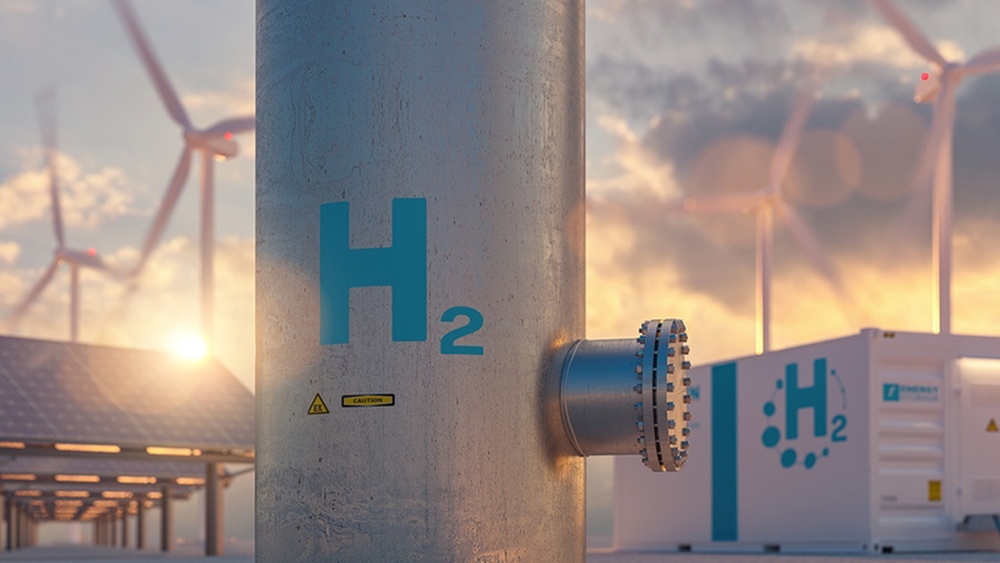
Hydrogen can be made in several ways, but the most sustainable method is electrolysis—splitting water into hydrogen and oxygen using electricity. When this electricity comes from renewable sources like wind or solar, the result is “green hydrogen,” which is both clean and increasingly affordable. As renewable energy prices continue to drop, so do the costs of producing green hydrogen.
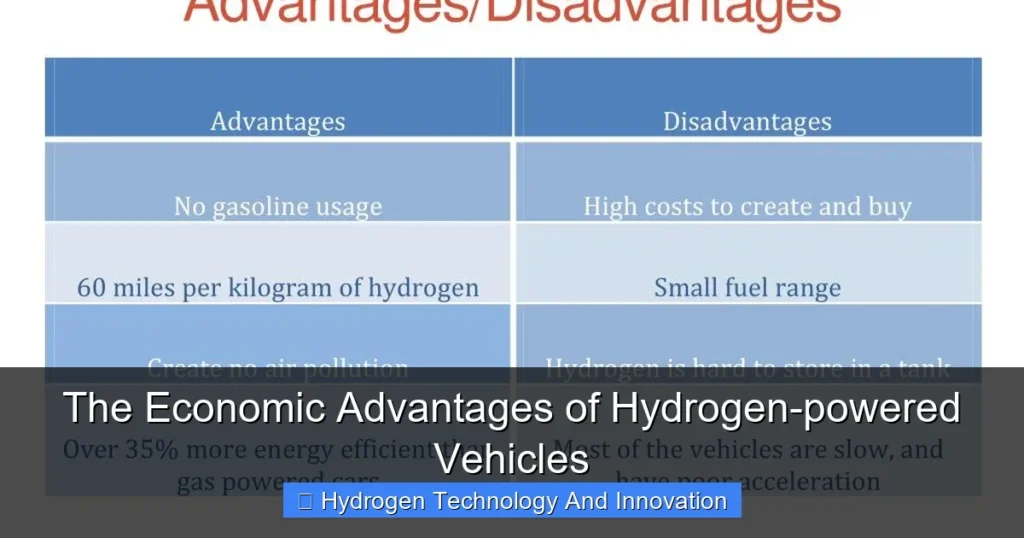
For example, in 2020, green hydrogen cost around $6 per kilogram. By 2023, that price had fallen to under $4 in some regions, and experts predict it could reach $1–$2 per kilogram by 2030. At that price, driving a hydrogen car could cost less per mile than driving a gasoline-powered vehicle. A Toyota Mirai, one of the most popular FCEVs, gets about 60 miles per kilogram of hydrogen. If hydrogen costs $2 per kilogram, that’s roughly $0.03 per mile—compared to $0.15 or more per mile for gasoline vehicles, depending on fuel prices.
Efficiency and Range Reduce Refueling Frequency
Hydrogen vehicles also offer excellent range and quick refueling, which adds to their economic appeal. Most FCEVs can travel 300–400 miles on a single tank, similar to gasoline cars, and refueling takes just 3–5 minutes. This is a major advantage over battery electric vehicles (BEVs), which can take 30 minutes to several hours to recharge, depending on the charger type.
For commercial operators like taxi services or delivery fleets, minimizing downtime is crucial. A hydrogen-powered delivery truck that refuels in minutes instead of hours can complete more routes per day, increasing revenue and reducing labor costs. This operational efficiency translates directly into economic savings.
Bulk Purchasing and Fleet Discounts
Businesses and governments that operate large fleets can negotiate bulk hydrogen supply contracts, further reducing costs. For instance, the city of Los Angeles has partnered with hydrogen suppliers to fuel its fleet of hydrogen buses at a fixed, discounted rate. These long-term agreements protect fleets from price spikes and provide predictable budgeting—something that’s harder to achieve with gasoline or diesel.
Reduced Maintenance and Operating Expenses
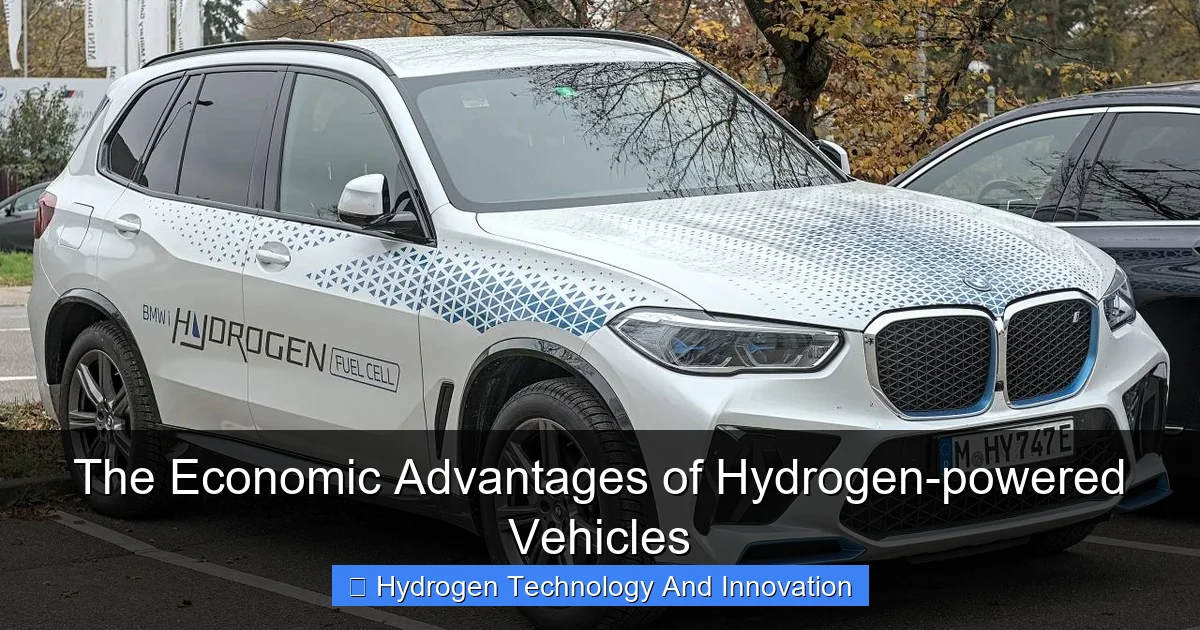
Visual guide about The Economic Advantages of Hydrogen-powered Vehicles
Image source: fastlaneonly.com
Another major economic advantage of hydrogen-powered vehicles is their lower maintenance needs. Unlike internal combustion engine (ICE) vehicles, FCEVs have far fewer moving parts and don’t require oil changes, spark plugs, or exhaust systems. This simplicity leads to fewer breakdowns and lower repair costs over time.
Fewer Mechanical Components Mean Fewer Failures
A hydrogen fuel cell vehicle operates much like an electric car—powered by an electric motor—but the electricity is generated on-board from hydrogen. This means no engine, no transmission, and no complex exhaust system. The result? Fewer components that can wear out or fail.
For example, a typical gasoline car has over 2,000 moving parts in its engine alone. In contrast, a fuel cell stack has only a few hundred. This reduction in complexity means fewer things can go wrong. Owners report fewer visits to the mechanic and lower annual maintenance costs. According to a 2022 study by the National Renewable Energy Laboratory (NREL), FCEVs can reduce maintenance costs by up to 40% compared to conventional vehicles.
No Oil Changes or Fluid Replacements
One of the most routine—and costly—maintenance tasks for traditional cars is oil changes. Over a vehicle’s lifetime, this can add up to hundreds or even thousands of dollars. Hydrogen vehicles don’t use engine oil, so that expense disappears entirely. Similarly, there’s no need for coolant flushes, transmission fluid changes, or exhaust system repairs.
Even brake wear is reduced in FCEVs thanks to regenerative braking, which captures energy during deceleration and feeds it back into the system. This not only improves efficiency but also extends the life of brake pads and rotors, saving even more money.
Longer Vehicle Lifespan
Because FCEVs experience less mechanical stress and wear, they often have longer operational lifespans. This is especially true for commercial vehicles like buses and trucks, which are built for durability. A well-maintained hydrogen bus can operate for 12–15 years or more, reducing the need for frequent replacements and lowering the total cost of ownership.
Government Incentives and Tax Credits
Governments around the world are actively supporting the transition to clean transportation, and hydrogen-powered vehicles are often at the center of these efforts. Financial incentives make FCEVs more affordable upfront and improve their long-term economic viability.
Federal and State Tax Credits
In the United States, the Inflation Reduction Act (IRA) of 2022 includes significant incentives for clean vehicles. Buyers of new hydrogen fuel cell vehicles may qualify for a federal tax credit of up to $7,500, depending on the vehicle’s battery size and manufacturing location. Some states, like California, offer additional rebates of up to $5,000 through programs like the Clean Vehicle Rebate Project (CVRP).
For businesses, the IRA also includes a Commercial Clean Vehicle Credit, which can cover up to 30% of the cost of a new FCEV, with a maximum credit of $40,000 for heavy-duty vehicles. These incentives can dramatically reduce the initial purchase price and improve return on investment.
Grants for Infrastructure and Fleet Adoption
Beyond vehicle rebates, governments are investing in hydrogen infrastructure. The U.S. Department of Energy has allocated billions of dollars to develop a national network of hydrogen refueling stations, particularly along major freight corridors. Similar initiatives exist in Europe, Japan, and South Korea.
These investments reduce the risk for fleet operators and private buyers. Knowing that refueling stations will be available makes it easier to justify the switch to hydrogen. Some regions even offer grants to businesses that install private hydrogen refueling equipment, further lowering costs.
Low-Interest Loans and Leasing Options
To make hydrogen vehicles more accessible, some governments and financial institutions offer low-interest loans or favorable leasing terms. For example, the California Air Resources Board (CARB) partners with credit unions to provide financing options with reduced rates for clean vehicles. These programs help spread out the cost and make FCEVs attainable for more people.
Energy Independence and Price Stability
One of the most overlooked economic advantages of hydrogen-powered vehicles is their potential to enhance energy security and stabilize fuel prices. Unlike gasoline, which is subject to global market fluctuations, hydrogen can be produced locally using domestic resources.
Domestic Production Reduces Import Dependence
Most countries rely heavily on imported oil to fuel their transportation sectors. This dependence makes them vulnerable to geopolitical tensions, supply disruptions, and price volatility. Hydrogen, on the other hand, can be produced anywhere there’s water and electricity.
The United States, for instance, has abundant renewable energy potential in regions like the Southwest (solar) and the Midwest (wind). These areas can become hubs for green hydrogen production, creating a homegrown fuel supply. This not only reduces reliance on foreign oil but also keeps money within the local economy.
Stable Pricing Through Long-Term Contracts
Because hydrogen production can be powered by renewable energy, its cost is less tied to fossil fuel markets. Once a hydrogen plant is built, the marginal cost of producing more hydrogen is low—especially if it uses excess solar or wind power during off-peak hours.
This stability allows fuel suppliers to offer fixed-price contracts to fleet operators and consumers. For example, a logistics company might sign a 10-year agreement to buy hydrogen at $3 per kilogram, shielding them from future price spikes. This predictability is a major advantage for budgeting and financial planning.
Support for Rural and Remote Communities
Hydrogen can also bring economic benefits to rural areas. Small-scale electrolysis units powered by local solar or wind farms can produce hydrogen for local use, reducing the need to transport fuel over long distances. This creates jobs, supports local energy independence, and lowers transportation costs for remote communities.
Long-Term Resale Value and Market Demand
As the world moves toward zero-emission transportation, the resale value of clean vehicles is becoming a key economic factor. Hydrogen-powered vehicles are well-positioned to retain their value over time, especially as infrastructure improves and consumer awareness grows.
Growing Demand for Zero-Emission Vehicles
Governments are setting ambitious targets to phase out gasoline and diesel vehicles. The European Union, for example, has banned the sale of new ICE vehicles by 2035. California and several other U.S. states have similar goals. As these deadlines approach, demand for clean alternatives—including hydrogen vehicles—will rise.
This increasing demand supports higher resale values. A 2023 study by Cox Automotive found that FCEVs retained an average of 60% of their value after three years, compared to 50% for gasoline cars and 55% for battery EVs. While BEVs have seen some depreciation due to rapid battery advancements, hydrogen vehicles benefit from their niche in heavy-duty and long-range applications, where they remain highly desirable.
Strong Performance in Commercial Markets
Hydrogen vehicles are especially valuable in commercial sectors where range, refueling speed, and payload matter. Delivery trucks, garbage trucks, and public transit buses are increasingly adopting hydrogen technology. As more cities commit to zero-emission fleets, the demand for used hydrogen vehicles in these sectors will grow, supporting resale prices.
For example, a used hydrogen-powered transit bus with 200,000 miles might still fetch a high price because it can be refurbished and redeployed in another city. This longevity and reusability add to the economic appeal.
Investment in Hydrogen as a Strategic Asset
Some companies are viewing hydrogen vehicles not just as transportation tools, but as strategic assets. For instance, Amazon and Walmart are investing in hydrogen-powered delivery trucks as part of their sustainability goals. These early adopters help drive market confidence and create a secondary market for used vehicles.
Support for Green Jobs and Local Economies
The shift to hydrogen-powered transportation isn’t just good for individual consumers—it’s a catalyst for economic growth. Building a hydrogen economy creates high-quality jobs and stimulates local industries.
Job Creation in Manufacturing and Engineering
Producing hydrogen vehicles requires skilled workers in engineering, manufacturing, and materials science. Fuel cell stacks, hydrogen tanks, and electric motors all need specialized knowledge to design and build. As demand grows, so will the need for technicians, assemblers, and quality control specialists.
For example, Hyundai’s hydrogen vehicle plant in South Korea employs thousands of workers and supports a network of suppliers. Similar facilities are being developed in the U.S. and Europe, creating new opportunities in regions transitioning away from traditional auto manufacturing.
Infrastructure Development Drives Investment
Building hydrogen refueling stations, pipelines, and production facilities requires significant investment—and that investment creates jobs. Construction workers, electricians, and project managers are all needed to bring hydrogen infrastructure online.
In California, the state’s Hydrogen Highway Network has created hundreds of jobs and attracted private investment from companies like Shell and Air Liquide. These projects not only support the hydrogen economy but also revitalize local economies.
Support for Renewable Energy Growth
Because green hydrogen relies on renewable electricity, its growth directly supports the expansion of wind, solar, and hydropower. This creates a positive feedback loop: more renewables lead to cheaper hydrogen, which leads to more hydrogen vehicles, which in turn increases demand for clean energy.
This synergy strengthens the entire clean energy ecosystem and positions hydrogen as a key player in the transition to a sustainable economy.
Scalability for Commercial Fleets
While hydrogen-powered passenger cars are still gaining traction, the real economic advantages shine in commercial applications. Fleets that operate on fixed routes—like buses, delivery vans, and long-haul trucks—are ideal candidates for hydrogen technology.
Centralized Refueling Reduces Costs
Unlike passenger vehicles, fleet operators can install hydrogen refueling stations at their depots. This eliminates the need for widespread public infrastructure and allows for bulk purchasing of hydrogen at lower rates. It also ensures that vehicles are always ready to go, minimizing downtime.
For example, UPS has tested hydrogen-powered delivery trucks in California, refueling them at a central depot. This model reduces per-mile fuel costs and improves operational efficiency.
Long-Haul Trucking Benefits
Battery electric trucks face challenges with weight and charging time on long routes. Hydrogen trucks, however, can travel 500–700 miles on a single tank and refuel in under 20 minutes. This makes them ideal for cross-country freight, where time is money.
Companies like Nikola and Toyota are developing hydrogen-powered semi-trucks that could revolutionize the logistics industry. As regulations tighten on emissions, these vehicles offer a cost-effective way for trucking companies to go green without sacrificing performance.
Public Transit Leads the Way
Cities around the world are adopting hydrogen buses as a clean, reliable alternative to diesel. London, Aberdeen, and Tokyo all have active hydrogen bus fleets. These vehicles reduce air pollution, operate quietly, and have lower lifetime costs due to reduced maintenance and fuel savings.
For city governments, the economic case is clear: investing in hydrogen transit today can save millions in healthcare and environmental costs down the line.
Conclusion
The economic advantages of hydrogen-powered vehicles are clear, compelling, and growing stronger every year. From lower fuel and maintenance costs to government incentives and long-term value retention, FCEVs offer a smart financial choice for individuals and businesses alike. As production scales, infrastructure expands, and technology improves, hydrogen is poised to become a cornerstone of sustainable transportation.
While challenges remain—such as the need for more refueling stations and further cost reductions—the momentum is undeniable. Hydrogen isn’t just an environmental solution; it’s an economic opportunity. By embracing this technology, we can build a cleaner, more resilient, and more prosperous future for all.
Whether you’re considering your next car purchase, managing a fleet, or shaping public policy, now is the time to explore the economic power of hydrogen. The road ahead is green—and it’s powered by innovation, efficiency, and smart investment.
Frequently Asked Questions
Are hydrogen-powered vehicles really cheaper to operate than gasoline cars?
Yes, over time. While the upfront cost may be higher, hydrogen vehicles have lower fuel costs per mile (especially with green hydrogen), require less maintenance, and benefit from government incentives, leading to significant long-term savings.
How do hydrogen fuel prices compare to gasoline?
Currently, hydrogen can cost more per gallon equivalent than gasoline in some areas, but prices are falling rapidly. With green hydrogen production scaling up, experts predict it could become cheaper than gasoline by 2030.
Are there enough hydrogen refueling stations to make ownership practical?
Not yet in most regions, but infrastructure is expanding quickly. California, for example, has over 50 stations, and governments worldwide are investing heavily in building more. Fleet operators can also install private refueling stations.
Do hydrogen vehicles qualify for tax credits?
Yes. In the U.S., buyers may be eligible for federal tax credits up to $7,500, plus state rebates. Businesses can also access commercial clean vehicle credits covering up to 30% of the purchase price.
Can hydrogen be produced sustainably?
Absolutely. Green hydrogen, made using renewable electricity to split water, produces no emissions. As solar and wind power grow, green hydrogen becomes increasingly affordable and environmentally friendly.
Are hydrogen vehicles safe?
Yes. Hydrogen is lightweight and disperses quickly if leaked, reducing fire risk. Modern FCEVs undergo rigorous safety testing and include multiple safety systems to prevent accidents.