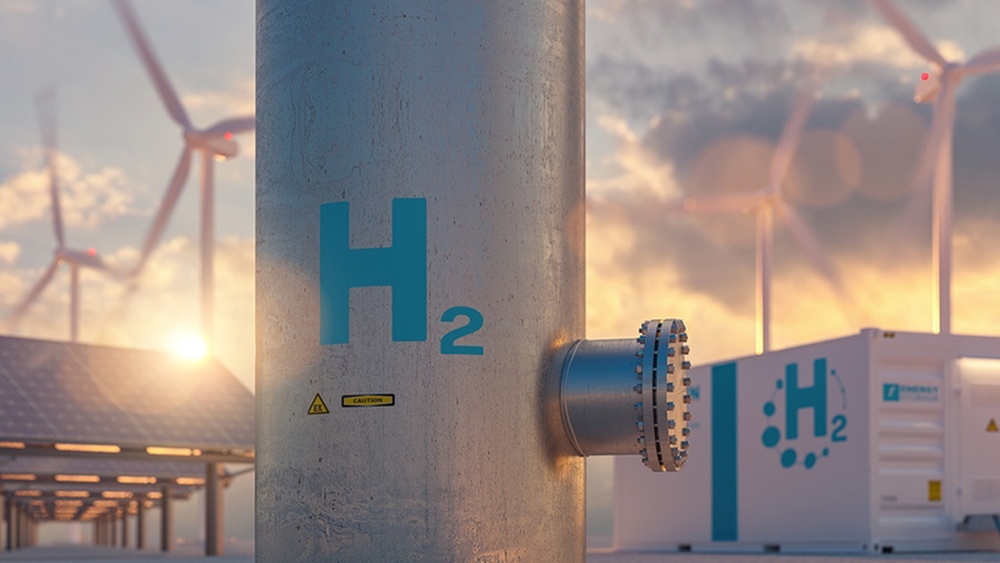
The economic impact of hydrogen-powered vehicles extends far beyond cleaner roads—it’s reshaping industries, creating jobs, and driving innovation. As nations invest in hydrogen infrastructure, these vehicles are becoming key players in sustainable economic growth and energy diversification.
Imagine a world where your car emits nothing but water vapor, where fuel stations are powered by wind and solar, and where entire cities breathe easier because transportation no longer contributes to air pollution. This isn’t a distant dream—it’s the promise of hydrogen-powered vehicles, and it’s already beginning to reshape our economic landscape. While electric vehicles (EVs) have dominated the clean transportation conversation, hydrogen fuel cell vehicles (FCEVs) are quietly emerging as a powerful alternative, especially for heavy-duty transport, long-haul trucking, and industrial applications. But beyond the environmental benefits, the real story lies in the economic transformation these vehicles are triggering.
The shift toward hydrogen-powered transportation isn’t just about swapping gasoline for hydrogen—it’s about reimagining entire supply chains, energy systems, and labor markets. From the factories building fuel cells to the engineers designing refueling stations, from the policymakers crafting incentives to the consumers embracing new technology, the ripple effects are vast. Countries investing in hydrogen infrastructure today are laying the groundwork for long-term economic resilience, innovation leadership, and energy security. As global demand for clean energy solutions grows, hydrogen vehicles are becoming more than a niche market—they’re a strategic economic asset.
Key Takeaways
- Job Creation Across Sectors: The hydrogen vehicle industry is generating employment in manufacturing, R&D, infrastructure development, and maintenance, boosting local and national economies.
- Infrastructure Investment Drives Growth: Building hydrogen refueling networks requires significant capital, stimulating construction, engineering, and technology sectors.
- Energy Independence and Security: Countries reducing reliance on imported oil by adopting hydrogen can improve trade balances and enhance national energy resilience.
- Competitive Advantage for Early Adopters: Nations leading in hydrogen tech, like Japan and Germany, are positioning themselves as exporters of vehicles, fuel cells, and expertise.
- Cost Reductions Through Scale: As production scales up, the cost of hydrogen vehicles and fuel is expected to drop, making them more accessible and economically viable.
- Support for Renewable Energy Integration: Hydrogen acts as a storage medium for excess renewable energy, improving grid stability and enabling broader clean energy adoption.
- Challenges Remain in Affordability and Efficiency: High production costs and energy losses in hydrogen conversion must be addressed to maximize economic benefits.
📑 Table of Contents
The Rise of Hydrogen as an Economic Catalyst
Hydrogen has long been used in industrial processes like oil refining and ammonia production, but its role in transportation is relatively new. What’s changing now is the convergence of climate goals, technological advances, and government support that’s making hydrogen-powered vehicles a viable and economically compelling option. Unlike battery-electric vehicles, which rely on large lithium-ion batteries, hydrogen vehicles generate electricity on board through a chemical reaction between hydrogen and oxygen in a fuel cell. This produces only water and heat as byproducts, making them zero-emission at the tailpipe.
One of the most significant economic impacts of this shift is the creation of new industries and the revitalization of existing ones. For example, the production of fuel cells requires advanced materials, precision engineering, and skilled labor—sectors that benefit from increased investment. Companies like Toyota, Hyundai, and Ballard Power Systems are expanding their manufacturing capacity, creating thousands of high-skilled jobs. In the U.S., the Department of Energy estimates that a robust hydrogen economy could support up to 3.5 million jobs by 2050, spanning production, distribution, and vehicle manufacturing.
Moreover, hydrogen production itself is evolving. While most hydrogen today is derived from natural gas (known as “gray hydrogen”), the push for sustainability is driving investment in “green hydrogen”—hydrogen produced using renewable energy to power electrolysis, which splits water into hydrogen and oxygen. This not only reduces carbon emissions but also creates a new market for surplus renewable energy. Wind and solar farms often generate more power than the grid can absorb during peak production times. By using this excess energy to produce hydrogen, utilities can store energy for later use and generate additional revenue, improving the economics of renewable energy projects.
Job Creation and Workforce Transformation
Visual guide about The Economic Impact of Hydrogen-powered Vehicles
Image source: technofuse.in
The economic impact of hydrogen-powered vehicles is perhaps most visible in the labor market. As the industry grows, it’s creating a wide range of employment opportunities across multiple sectors. These aren’t just temporary construction jobs—they’re long-term, high-value positions in engineering, research, manufacturing, and operations.
Manufacturing and Assembly Jobs
Fuel cell production is highly technical and requires specialized facilities. Building these components involves advanced materials like platinum catalysts, proton exchange membranes, and carbon fiber tanks for hydrogen storage. As demand increases, manufacturers are scaling up production, leading to job growth in regions with strong industrial bases. For instance, in South Korea, Hyundai’s investment in hydrogen vehicle production has led to the creation of over 1,000 jobs at its Nexo assembly plant. Similarly, in Germany, companies like Siemens and Bosch are expanding their fuel cell divisions, hiring engineers and technicians to meet growing demand.
Research and Development Opportunities
Innovation is at the heart of the hydrogen economy. Universities, national labs, and private firms are investing heavily in R&D to improve fuel cell efficiency, reduce costs, and develop safer storage methods. This research not only advances technology but also creates high-paying jobs for scientists, chemists, and data analysts. In the U.S., the National Renewable Energy Laboratory (NREL) and the Argonne National Laboratory are leading efforts to optimize hydrogen production and distribution, collaborating with industry partners to bring new solutions to market.
Skilled Trades and Maintenance Roles
As hydrogen vehicles hit the roads, there’s a growing need for technicians trained to service and maintain them. Unlike traditional vehicles, FCEVs require specialized knowledge of high-pressure systems, electrical components, and safety protocols. Training programs are emerging to prepare the workforce—community colleges and technical schools are introducing hydrogen technology courses, and automakers are partnering with vocational institutions to certify technicians. This not only fills a critical skills gap but also provides stable, well-paying careers for individuals entering the green economy.
Infrastructure Investment and Economic Multipliers
One of the biggest barriers to widespread adoption of hydrogen vehicles has been the lack of refueling infrastructure. But this challenge is also an opportunity—building a hydrogen refueling network requires massive investment, which in turn stimulates economic activity across multiple sectors.
Construction and Engineering Boom
Constructing hydrogen refueling stations involves site preparation, high-pressure piping, safety systems, and integration with hydrogen supply chains. Each station can cost between $1 million and $3 million, depending on size and location. This level of investment creates demand for construction firms, civil engineers, electricians, and project managers. In California, which leads the U.S. in hydrogen infrastructure, over 50 public refueling stations have been built, supported by state grants and private investment. The construction phase alone has generated hundreds of jobs and injected millions into local economies.
Supply Chain Development
Hydrogen refueling stations don’t operate in isolation—they rely on a complex supply chain that includes hydrogen production facilities, compression and storage systems, and transportation via tube trailers or pipelines. Developing this infrastructure requires coordination across industries, from chemical manufacturers to logistics providers. For example, Air Liquide and Linde are expanding their hydrogen production and distribution networks in Europe and North America, investing in new plants and delivery systems. These investments not only support the hydrogen vehicle market but also strengthen the broader industrial base.
Public-Private Partnerships
Governments are playing a crucial role in funding and incentivizing infrastructure development. In Japan, the government has partnered with automakers and energy companies to build a nationwide hydrogen network, aiming for 1,000 refueling stations by 2030. Similarly, the European Union’s Hydrogen Strategy includes €10 billion in funding for infrastructure projects. These partnerships reduce financial risk for private investors and accelerate deployment, creating a virtuous cycle of investment and growth.
Energy Independence and National Security
One of the most compelling economic arguments for hydrogen-powered vehicles is their potential to enhance energy independence. Many countries rely heavily on imported oil to fuel their transportation sectors, leaving them vulnerable to price volatility and geopolitical tensions. Hydrogen, especially when produced domestically from renewable sources, offers a way to break this dependency.
Reducing Oil Imports
Transportation accounts for nearly 70% of oil consumption in the U.S., making it a major driver of trade deficits. By shifting to hydrogen vehicles, countries can reduce their need for imported oil and redirect spending toward domestic energy production. For example, if the U.S. replaced just 10% of its light-duty vehicles with hydrogen models, it could save billions in oil imports annually. These savings can be reinvested in infrastructure, education, or healthcare, boosting overall economic productivity.
Strengthening Energy Security
Hydrogen can be produced from a variety of sources—water, natural gas, biomass, and even nuclear power—giving countries flexibility in their energy mix. This diversification reduces reliance on any single fuel source and enhances resilience to supply disruptions. During the 2022 energy crisis in Europe, countries with strong renewable and hydrogen strategies were better positioned to manage price spikes and supply shortages. By investing in hydrogen, nations can build a more stable and secure energy future.
Export Opportunities
Countries that lead in hydrogen technology can become exporters of vehicles, components, and expertise. Japan, for instance, is positioning itself as a global leader in fuel cell technology, exporting hydrogen buses to countries like China and the Netherlands. South Korea is following a similar path, with Hyundai exporting its XCIENT fuel cell trucks to Switzerland and the U.S. These exports generate foreign revenue, strengthen trade relationships, and elevate a nation’s technological reputation.
Cost Trends and Market Viability
A common criticism of hydrogen vehicles is their high cost compared to conventional and electric vehicles. However, this is changing rapidly as production scales up and technology improves. The economic impact of hydrogen vehicles will only grow as they become more affordable and accessible.
Declining Fuel Cell Costs
The cost of fuel cells has dropped by more than 60% over the past decade, according to the U.S. Department of Energy. Advances in materials science, manufacturing processes, and supply chain optimization are driving these reductions. As production volumes increase, economies of scale will further lower costs. Experts predict that fuel cell systems could reach cost parity with diesel engines for heavy-duty applications within the next 10 years.
Hydrogen Production Economics
The cost of hydrogen production is also falling, especially for green hydrogen. The International Energy Agency (IEA) reports that the cost of producing green hydrogen could drop to $1–2 per kilogram by 2030, down from $3–6 today, thanks to cheaper renewable electricity and more efficient electrolyzers. At this price point, hydrogen becomes competitive with diesel for trucks and buses, making it an attractive option for fleet operators.
Total Cost of Ownership
While the upfront cost of hydrogen vehicles remains high, their total cost of ownership (TCO) is improving. FCEVs have fewer moving parts than internal combustion engines, leading to lower maintenance costs. They also offer fast refueling—similar to gasoline vehicles—which is a major advantage for commercial fleets that can’t afford long charging times. As hydrogen prices fall and vehicle efficiency improves, TCO is expected to become increasingly favorable.
Challenges and the Path Forward
Despite the promising economic outlook, hydrogen-powered vehicles face several challenges that must be addressed to unlock their full potential.
Energy Efficiency Concerns
One of the biggest drawbacks of hydrogen is its low well-to-wheel efficiency. Producing hydrogen via electrolysis, compressing it, transporting it, and converting it back to electricity in a fuel cell results in significant energy losses—often 60–70% overall. In comparison, battery-electric vehicles are about 77% efficient. This inefficiency means more renewable energy is needed to power hydrogen vehicles, which could strain clean energy resources if not managed carefully.
High Initial Investment
Building a hydrogen economy requires substantial upfront investment. Governments and private companies must fund research, infrastructure, and incentives to stimulate demand. Without coordinated policy support, progress could be slow. However, early investments often yield long-term returns—countries that act now can position themselves as leaders in a growing global market.
Public Awareness and Acceptance
Many consumers are still unfamiliar with hydrogen vehicles and may have concerns about safety and reliability. Education campaigns, pilot programs, and government incentives can help build trust and drive adoption. For example, California’s Clean Vehicle Rebate Project offers up to $5,000 for hydrogen vehicle purchases, helping to offset costs and encourage trial.
The Role of Policy and Incentives
Government policy is critical to the success of hydrogen vehicles. Subsidies, tax credits, and regulatory mandates can accelerate adoption. The U.S. Inflation Reduction Act includes tax credits for hydrogen production and clean vehicle purchases, while the European Union’s Green Deal provides funding for hydrogen projects. These policies not only support the industry but also signal long-term commitment, encouraging private investment.
Conclusion
The economic impact of hydrogen-powered vehicles is already unfolding, and it’s more transformative than many realize. From creating high-quality jobs and stimulating infrastructure investment to enhancing energy security and reducing dependence on imported oil, hydrogen vehicles are proving to be a powerful engine of economic growth. While challenges remain—particularly around cost, efficiency, and public awareness—the trajectory is clear: hydrogen is no longer just a futuristic concept. It’s a practical, scalable solution that’s reshaping industries and opening new economic frontiers.
As nations around the world commit to net-zero emissions, hydrogen-powered vehicles will play a crucial role in decarbonizing transportation, especially in sectors where batteries fall short. The countries and companies that invest wisely today will reap the rewards tomorrow—not just in cleaner air, but in stronger economies, resilient energy systems, and global leadership in the clean technology revolution. The road ahead is long, but with continued innovation, collaboration, and policy support, hydrogen vehicles are poised to drive us toward a more sustainable and prosperous future.
Frequently Asked Questions
What are hydrogen-powered vehicles?
Hydrogen-powered vehicles, also known as fuel cell electric vehicles (FCEVs), use hydrogen gas to generate electricity through a chemical reaction in a fuel cell. This electricity powers the vehicle’s motor, emitting only water vapor as a byproduct.
How do hydrogen vehicles compare economically to electric vehicles?
Hydrogen vehicles currently have higher upfront costs and lower energy efficiency than battery-electric vehicles, but they offer faster refueling and are better suited for heavy-duty applications. As production scales and technology improves, their economic viability is expected to increase.
Can hydrogen vehicles really reduce a country’s dependence on oil?
Yes. By replacing gasoline and diesel vehicles with hydrogen models, countries can significantly reduce oil imports, improve trade balances, and enhance energy security, especially when hydrogen is produced domestically from renewable sources.
Are hydrogen vehicles safe?
Yes, hydrogen vehicles are designed with multiple safety features, including high-strength fuel tanks, leak detection systems, and automatic shut-off valves. Extensive testing and regulations ensure they meet strict safety standards.
Where are hydrogen refueling stations available?
Hydrogen refueling stations are currently concentrated in regions like California, Japan, South Korea, and parts of Europe. Expansion is ongoing, with government and private investments driving growth in infrastructure.
What is green hydrogen and why is it important?
Green hydrogen is produced using renewable energy to power electrolysis, splitting water into hydrogen and oxygen. It’s important because it’s a zero-emission fuel source that supports clean transportation and helps integrate renewable energy into the grid.