The economics of hydrogen refueling stations are shaped by high upfront costs, evolving technology, and growing demand for zero-emission transport. While challenges like production and distribution remain, government incentives and falling equipment prices are making these stations more viable. Strategic planning and partnerships are key to long-term success.
The world is shifting toward cleaner transportation, and hydrogen is emerging as a powerful player in the race to decarbonize heavy-duty vehicles, buses, and even long-haul trucks. Unlike battery-electric vehicles that rely on large, heavy batteries, hydrogen fuel cell vehicles (FCEVs) refuel quickly—often in under 10 minutes—and offer long driving ranges, making them ideal for commercial and industrial use. But for hydrogen-powered transport to succeed, we need a reliable network of refueling stations. That’s where the economics of hydrogen refueling stations come into play.
Building and operating these stations isn’t cheap. From sourcing hydrogen to installing high-pressure storage and dispensing equipment, the costs add up fast. Yet, as governments push for net-zero emissions and automakers roll out more FCEVs, the demand for hydrogen infrastructure is growing. The challenge lies in making these stations financially sustainable—balancing high initial investments with long-term revenue potential. This article dives deep into the financial realities of hydrogen refueling stations, exploring costs, funding models, market dynamics, and what the future holds.
Key Takeaways
- High capital costs dominate: Building a hydrogen refueling station can cost $1–3 million due to electrolyzers, compressors, storage tanks, and safety systems.
- Location is critical: Stations near highways, logistics hubs, or industrial zones improve utilization and revenue potential.
- Green hydrogen is more expensive: Producing hydrogen from renewable energy costs 2–3 times more than fossil-based methods, affecting fuel pricing.
- Government incentives are essential: Subsidies, tax credits, and grants significantly reduce financial risk and accelerate deployment.
- Economies of scale are emerging: As demand grows, equipment costs are falling and station throughput is increasing, improving profitability.
- Partnerships drive success: Collaboration between automakers, energy firms, and governments helps share costs and de-risk investments.
- Future outlook is promising: With falling renewable energy prices and policy support, hydrogen stations could reach cost parity with diesel by 2035.
📑 Table of Contents
Understanding the Cost Structure of Hydrogen Refueling Stations
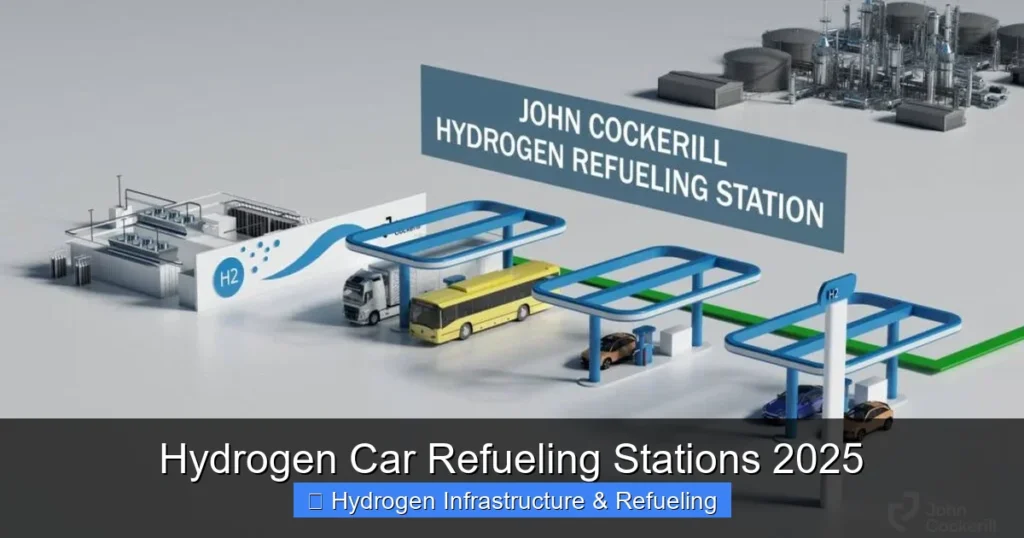
When it comes to the economics of hydrogen refueling stations, the biggest hurdle is the upfront capital expenditure. A typical station can cost anywhere from $1 million to $3 million, depending on size, technology, and location. These costs break down into several key components: hydrogen production, compression, storage, dispensing, and safety systems.
Hydrogen Production Equipment
One of the largest cost drivers is how the hydrogen is made. There are two main methods: on-site production and delivered hydrogen. On-site production typically uses electrolysis, where water is split into hydrogen and oxygen using electricity. If the electricity comes from renewable sources like wind or solar, the hydrogen is considered “green”—the cleanest option. However, electrolyzers are expensive, often costing $500,000 to $1 million for a medium-sized unit.
Alternatively, hydrogen can be produced off-site at large industrial plants and delivered by truck. This method avoids the high cost of on-site electrolysis but introduces transportation and delivery fees. Delivered hydrogen can cost $2–4 per kilogram, depending on distance and volume. While this reduces capital costs, it increases operational expenses and carbon footprint if the hydrogen isn’t green.
Compression and Storage Systems
Hydrogen must be compressed to high pressures—typically 350 or 700 bar—to be stored and dispensed efficiently. Compressors are complex, energy-intensive machines that can cost $200,000 to $500,000. They also require regular maintenance and consume significant electricity, adding to long-term costs.
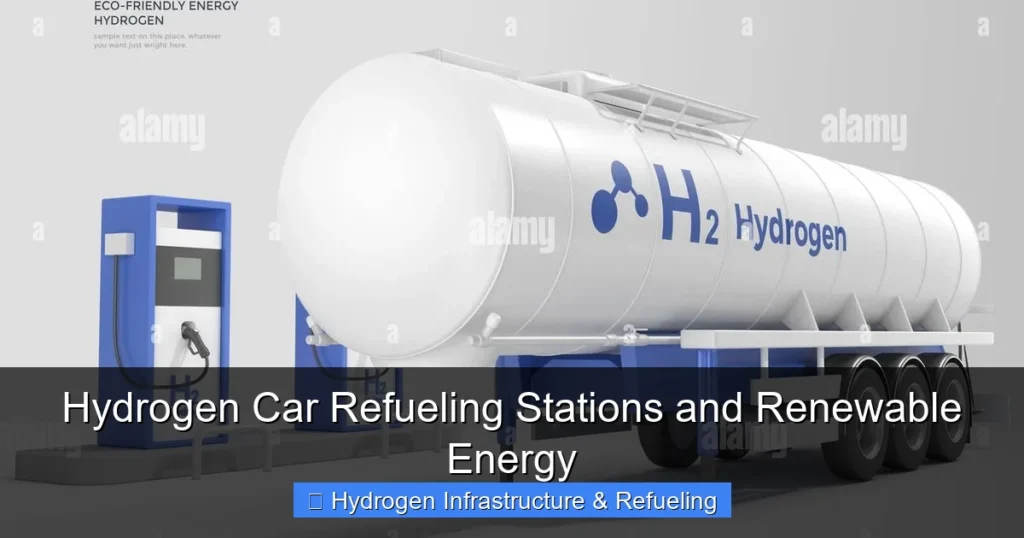
Storage tanks are another major expense. High-pressure tanks made from carbon fiber composites are lightweight and durable but come with a hefty price tag—often $100,000 to $300,000 for a full system. These tanks must meet strict safety standards and are subject to regular inspections, which adds to operational overhead.
Dispensing and Safety Infrastructure
The dispenser itself—the part customers interact with—isn’t cheap either. A hydrogen dispenser can cost $50,000 to $100,000, similar to high-end gasoline pumps but with added complexity due to hydrogen’s low density and flammability. Safety systems, including gas detectors, emergency shutdowns, ventilation, and fire suppression, can add another $100,000 to $200,000.
Site preparation, permitting, and labor also contribute significantly. In urban areas, land costs can be prohibitive, while rural locations may require costly utility upgrades. Permitting can take months and involve environmental reviews, especially near residential zones.
Revenue Models and Break-Even Analysis
So, how do operators make money from hydrogen refueling stations? The answer lies in fuel sales, utilization rates, and pricing strategies. Unlike gasoline stations that serve hundreds of vehicles daily, most hydrogen stations today see only a handful of customers per day. This low throughput makes it hard to cover fixed costs.
Fuel Pricing and Customer Demand
Hydrogen is currently priced between $10 and $16 per kilogram in the U.S., depending on location and production method. For comparison, a kilogram of hydrogen has roughly the same energy content as a gallon of gasoline. A typical FCEV like the Toyota Mirai holds about 5 kg of hydrogen and can travel 300–400 miles on a full tank. That means a full refuel costs $50–$80—similar to filling a gasoline car but more expensive than charging an EV.
The high price is partly due to production and distribution costs, but also reflects limited competition and low demand. As more FCEVs hit the road—especially in fleets like delivery trucks, buses, and taxis—demand will rise, allowing stations to increase throughput and lower prices through economies of scale.
Break-Even Utilization Rates
Most studies suggest a hydrogen station needs to dispense at least 500–1,000 kg of hydrogen per day to break even. That’s equivalent to serving 100–200 light-duty vehicles or 20–40 heavy-duty trucks daily. Achieving this level of utilization requires strategic placement near high-traffic corridors, logistics hubs, or public transit routes.
For example, the California Fuel Cell Partnership has focused on building stations along major freight corridors like I-5 and I-10, where hydrogen trucks are being tested. Similarly, in Europe, stations are being installed near ports and industrial zones where hydrogen-powered forklifts and delivery vans operate.
Subscription and Fleet Models
To improve financial stability, some operators are adopting subscription or fleet-based models. For instance, a logistics company might sign a long-term contract to refuel its hydrogen truck fleet at a dedicated station. This guarantees a steady revenue stream and helps justify the investment.
In Japan, Toyota and Honda have partnered with energy companies to offer hydrogen fueling packages for commercial fleets, bundling fuel, maintenance, and vehicle leasing. These models reduce customer risk and encourage adoption.
Government Incentives and Funding Mechanisms
One of the most important factors in the economics of hydrogen refueling stations is government support. Without subsidies and grants, most stations would be financially unviable today. But with the right policies, the playing field levels significantly.
Federal and State Grants
In the U.S., the Inflation Reduction Act (IRA) of 2022 includes a 30% investment tax credit (ITC) for clean hydrogen production and infrastructure. This can reduce the cost of a $2 million station by $600,000—a massive incentive. Additionally, the Bipartisan Infrastructure Law allocates $8 billion for hydrogen hubs, including funding for refueling networks.
California leads the way with its Clean Transportation Program, which has funded over 60 hydrogen stations. The state offers grants covering up to 80% of capital costs for qualifying projects. Similar programs exist in New York, Texas, and Florida.
Low-Interest Loans and Loan Guarantees
The U.S. Department of Energy (DOE) offers loan guarantees through its Loan Programs Office (LPO), which can cover up to 80% of project costs. These guarantees reduce lender risk and lower interest rates, making financing more accessible.
In Europe, the European Investment Bank (EIB) provides low-interest loans for hydrogen infrastructure under the EU’s Green Deal. Countries like Germany and France have also launched national hydrogen strategies with dedicated funding for refueling stations.
Carbon Pricing and Emissions Trading
In regions with carbon pricing—like California’s cap-and-trade system or the EU Emissions Trading System—hydrogen stations can generate additional revenue by selling carbon credits. Each kilogram of green hydrogen avoids several kilograms of CO₂ emissions compared to diesel, creating valuable offsets.
For example, a station dispensing 1,000 kg of green hydrogen per day could avoid over 10 tons of CO₂ emissions daily. At $30 per ton, that’s $300 in carbon credit revenue—enough to cover a significant portion of operational costs.
Technological Advances and Cost Reductions
The good news is that the economics of hydrogen refueling stations are improving rapidly. Advances in technology are driving down costs across the board, from electrolyzers to compressors.
Falling Electrolyzer Prices
Electrolyzer costs have dropped by more than 60% over the past decade and are expected to fall another 50% by 2030, according to the International Energy Agency (IEA). This is due to mass production, improved materials, and economies of scale. Companies like Nel, Plug Power, and ITM Power are scaling up manufacturing, bringing prices down.
As electrolyzers become cheaper, on-site green hydrogen production becomes more competitive with delivered hydrogen—especially in areas with low-cost renewable electricity.
Improved Compression and Storage
New compressor designs are more efficient and require less maintenance. Some use oil-free technology, reducing contamination risks and extending lifespan. Meanwhile, advances in composite materials are making hydrogen storage tanks lighter, stronger, and cheaper.
Solid-state hydrogen storage—still in development—could revolutionize the industry by storing hydrogen at lower pressures, reducing the need for heavy tanks and compressors.
Modular and Scalable Designs
Many new stations are being built as modular units that can be expanded as demand grows. This “pay-as-you-grow” model reduces initial capital outlay and allows operators to scale up gradually. For example, a station might start with one dispenser and add more as fleet adoption increases.
Companies like PowerTap and HyET are offering containerized hydrogen stations that can be deployed quickly and relocated if needed. These units include everything from electrolysis to dispensing in a single skid, cutting installation time and costs.
Market Trends and Regional Differences
The economics of hydrogen refueling stations vary widely by region, driven by policy, infrastructure, and market maturity.
North America: California Leads the Way
California is the epicenter of hydrogen infrastructure in the U.S., with over 60 stations and plans for 200 by 2030. The state’s Zero-Emission Vehicle (ZEV) mandate and generous incentives have spurred investment. Automakers like Toyota, Hyundai, and Honda have launched FCEVs there, creating demand.
However, outside California, progress is slow. States like Texas and Florida are beginning to invest, but lack the policy framework and vehicle adoption to support widespread deployment.
Europe: A Coordinated Push
The European Union has made hydrogen a cornerstone of its Green Deal, with a goal of 1,000 refueling stations by 2030. Countries like Germany, France, and the Netherlands are building national networks, often in partnership with oil majors like Shell and TotalEnergies.
In Scandinavia, hydrogen is being used for buses and ferries, with stations integrated into public transit systems. The region’s abundant renewable energy makes green hydrogen production cost-effective.
Asia: Japan and South Korea Take the Lead
Japan and South Korea are global leaders in hydrogen adoption. Japan’s “Basic Hydrogen Strategy” aims for 900 stations by 2030, supported by government funding and private investment. Toyota and Honda are key players, both in vehicle production and infrastructure.
South Korea has over 200 stations and plans to reach 1,200 by 2040. The government offers subsidies for both stations and vehicles, and companies like Hyundai are expanding their FCEV lineup.
Challenges and Risks
Despite the progress, several challenges remain in the economics of hydrogen refueling stations.
Low Utilization and Revenue Uncertainty
Many stations operate well below capacity, making it hard to justify investment. Without a critical mass of FCEVs, stations struggle to generate enough revenue to cover costs. This creates a chicken-and-egg problem: no stations, no vehicles; no vehicles, no stations.
Hydrogen Leakage and Safety Concerns
Hydrogen is highly flammable and can leak easily due to its small molecule size. While modern stations are designed with multiple safety layers, public perception and regulatory hurdles can delay permitting and increase insurance costs.
Competition from Battery Electric Vehicles
Battery-electric vehicles (BEVs) are advancing rapidly, with falling battery costs and expanding charging networks. For light-duty vehicles, BEVs are often cheaper and more efficient than FCEVs. Hydrogen’s advantage lies in heavy-duty applications, but even there, battery technology is improving.
Supply Chain and Skilled Labor Shortages
The hydrogen industry is still young, and there’s a shortage of skilled technicians, engineers, and project managers. Delays in equipment delivery and installation can increase costs and push back timelines.
The Future Outlook
Looking ahead, the economics of hydrogen refueling stations are poised to improve significantly. As renewable energy prices continue to fall—solar and wind are now the cheapest sources of electricity in many regions—green hydrogen production will become more affordable.
By 2030, the cost of green hydrogen could drop to $2–3 per kilogram, making it competitive with diesel on a total cost of ownership basis for heavy-duty vehicles. At that point, hydrogen stations could achieve profitability without heavy subsidies.
Moreover, the rise of hydrogen hubs—regional clusters of production, storage, and refueling—will create economies of scale and reduce distribution costs. These hubs will serve multiple users, from trucks to buses to industrial processes, increasing station utilization.
Policy will continue to play a crucial role. Countries that maintain strong support for hydrogen infrastructure—through grants, tax credits, and mandates—will see the fastest growth. International cooperation, such as the U.S.-EU Hydrogen Task Force, will also help align standards and accelerate deployment.
Ultimately, the success of hydrogen refueling stations depends on a balanced approach: smart选址, strong partnerships, supportive policies, and patient capital. While the road ahead is challenging, the potential payoff—clean, reliable, and scalable transportation—makes it a journey worth taking.
Frequently Asked Questions
How much does it cost to build a hydrogen refueling station?
Building a hydrogen refueling station typically costs between $1 million and $3 million, depending on size, technology, and location. Costs include electrolyzers, compressors, storage tanks, dispensers, and safety systems.
Is hydrogen fuel more expensive than gasoline?
Yes, hydrogen currently costs $10–$16 per kilogram, which is comparable to a gallon of gasoline in energy terms. However, prices are expected to fall as production scales up and renewable energy becomes cheaper.
Can hydrogen stations be profitable?
Yes, but only with high utilization—typically 500–1,000 kg of hydrogen dispensed per day. Profitability also depends on government incentives, fleet contracts, and low operating costs.
What government incentives are available for hydrogen stations?
In the U.S., the Inflation Reduction Act offers a 30% tax credit for clean hydrogen infrastructure. California and other states provide grants covering up to 80% of capital costs. Similar programs exist in Europe and Asia.
Where are most hydrogen refueling stations located?
Most stations are in California, Japan, South Korea, and parts of Europe. These regions have strong government support, vehicle adoption, and renewable energy resources.
Will hydrogen stations replace gas stations?
Not entirely. Hydrogen is best suited for heavy-duty vehicles like trucks and buses. For light-duty cars, battery-electric vehicles are often more efficient and cost-effective.