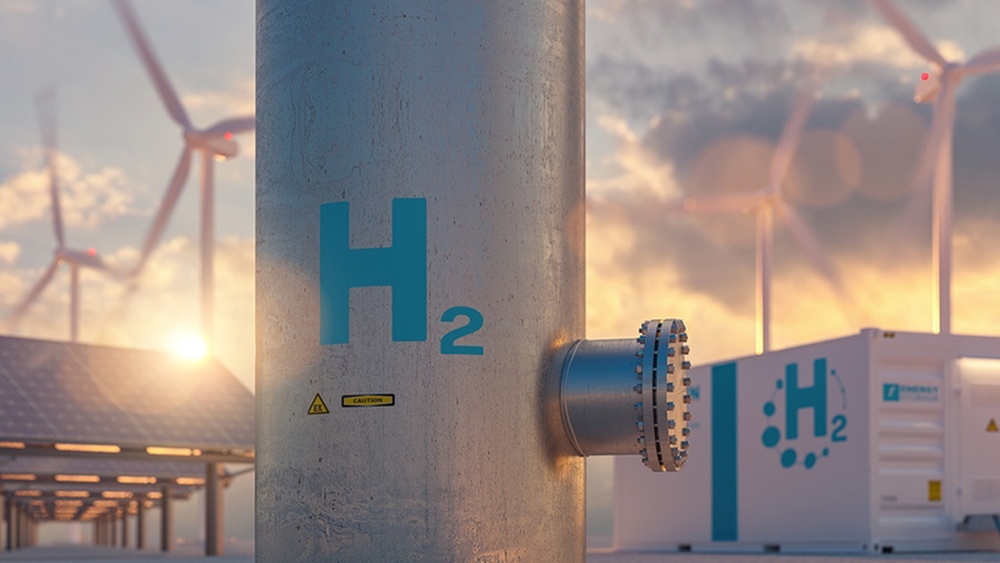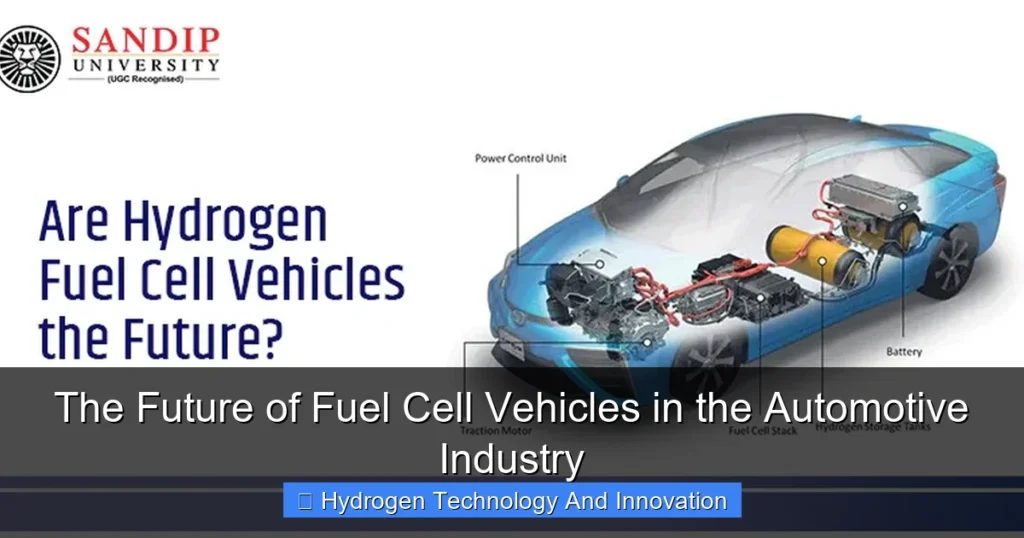
The future of fuel cell vehicles is gaining momentum as automakers and governments invest in hydrogen technology. With zero emissions, fast refueling, and long-range capabilities, fuel cell vehicles could reshape sustainable transportation—especially for trucks, buses, and fleet operations.
Key Takeaways
- Zero emissions at the tailpipe: Fuel cell vehicles emit only water vapor, making them a clean alternative to gasoline and diesel engines.
- Fast refueling and long range: Unlike battery electric vehicles, fuel cell cars can refuel in minutes and travel 300–400 miles on a single tank.
- Growing infrastructure investment: Governments and private companies are expanding hydrogen refueling networks, especially in California, Japan, and Europe.
- Ideal for heavy-duty transport: Trucks, buses, and delivery fleets benefit most from fuel cell technology due to weight and range advantages over batteries.
- Challenges remain: High production costs, limited hydrogen availability, and energy-intensive production methods need improvement.
- Automaker commitment is increasing: Toyota, Hyundai, and BMW are leading the charge with new models and partnerships.
- Hydrogen production must go green: For fuel cells to be truly sustainable, hydrogen must be produced using renewable energy, not fossil fuels.
📑 Table of Contents
- Introduction: A New Era of Clean Driving
- How Fuel Cell Vehicles Work: The Science Behind the Hype
- Environmental Benefits: Driving Toward a Cleaner Future
- Current Market Landscape: Who’s Leading the Charge?
- Infrastructure Challenges: The Road to Widespread Adoption
- The Road Ahead: What’s Next for Fuel Cell Vehicles?
- Conclusion: A Hydrogen-Powered Future Is Closer Than You Think
Introduction: A New Era of Clean Driving
Imagine pulling up to a fueling station, filling your car in under five minutes, and driving 350 miles—all while emitting nothing but clean water vapor. Sounds like science fiction? It’s not. This is the promise of fuel cell vehicles (FCVs), a technology that’s quietly gaining traction in the automotive world. While electric vehicles (EVs) dominate the headlines, fuel cell vehicles are emerging as a powerful contender in the race toward sustainable transportation.
Fuel cell vehicles run on hydrogen, a lightweight and abundant element. When hydrogen passes through a fuel cell stack inside the vehicle, it combines with oxygen from the air to produce electricity. That electricity powers the motor, and the only byproduct? Pure water. No carbon dioxide, no smog-forming pollutants—just clean energy on wheels. This makes FCVs especially appealing in the fight against climate change and urban air pollution.
But despite their environmental benefits, fuel cell vehicles have faced skepticism. High costs, limited refueling stations, and questions about hydrogen production have slowed adoption. Yet, recent advancements in technology, government support, and automaker investment are changing the game. From long-haul trucks to city buses, fuel cell technology is proving its worth in real-world applications. As the world seeks cleaner alternatives to fossil fuels, the future of fuel cell vehicles looks brighter than ever.
How Fuel Cell Vehicles Work: The Science Behind the Hype
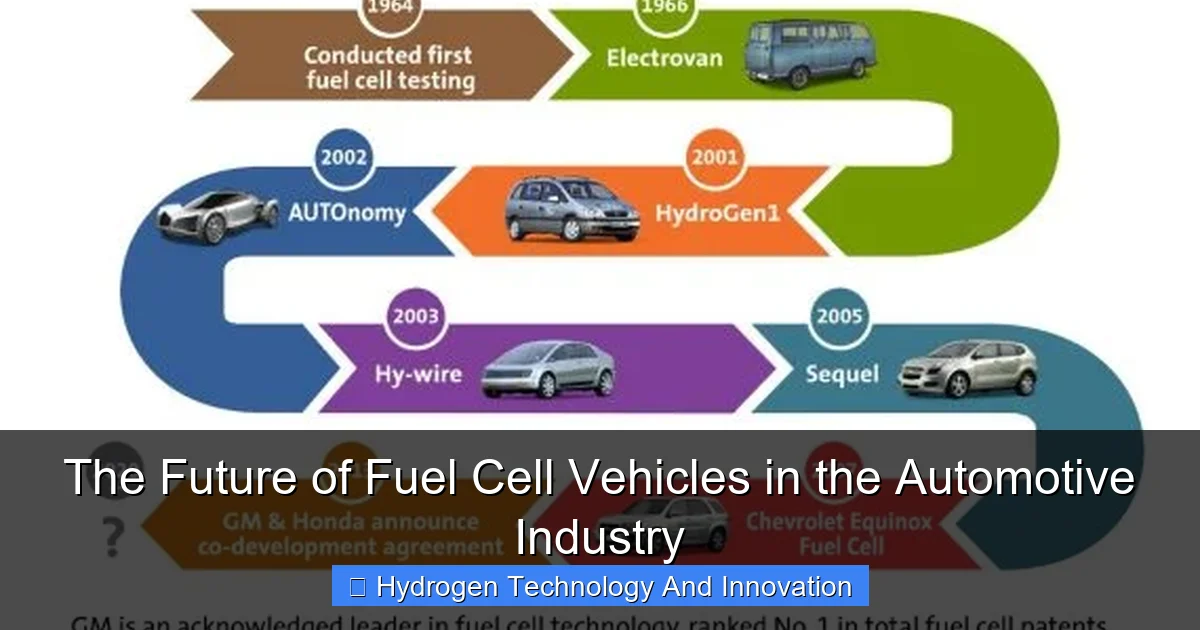
Visual guide about The Future of Fuel Cell Vehicles in the Automotive Industry
Image source: di-uploads-pod3.s3.amazonaws.com
To understand why fuel cell vehicles are gaining attention, it helps to know how they actually work. At the heart of every FCV is the fuel cell stack—a series of electrochemical cells that convert hydrogen into electricity. Think of it like a battery, but instead of storing energy, it generates it on demand using hydrogen and oxygen.
The Fuel Cell Stack: Power from Chemistry
Inside the fuel cell, hydrogen gas (H₂) is fed into the anode, one side of the cell. A catalyst—usually platinum—splits the hydrogen atoms into protons and electrons. The protons pass through a special membrane to the cathode (the other side), while the electrons are forced to travel through an external circuit. This flow of electrons creates an electric current, which powers the vehicle’s motor.
Meanwhile, oxygen from the air enters the cathode, where it combines with the protons and electrons to form water (H₂O). That’s it. No combustion, no moving parts, and no harmful emissions. The entire process is quiet, efficient, and clean.
Hydrogen Storage: Safe and Compact
One of the biggest challenges with hydrogen is storing it safely and efficiently. Unlike gasoline, hydrogen is a gas at normal temperatures and must be compressed or liquefied to fit in a vehicle. Most FCVs use high-pressure tanks that store hydrogen at 5,000 to 10,000 psi (pounds per square inch). These tanks are made of strong composite materials to withstand pressure and impact.
Modern hydrogen tanks are rigorously tested for safety. They’re designed to withstand crashes, fires, and even bullet impacts. In fact, many experts consider hydrogen storage safer than gasoline tanks because hydrogen is lighter than air and disperses quickly if leaked.
Electric Motor and Battery: A Hybrid Approach
While fuel cells generate electricity, most FCVs also include a small battery or supercapacitor. This helps manage power demands—like sudden acceleration—and captures energy from regenerative braking. The battery acts as a buffer, ensuring smooth performance and improving efficiency.
This setup gives fuel cell vehicles the best of both worlds: the long range and quick refueling of gasoline cars, and the quiet, smooth ride of electric vehicles. It’s a smart compromise that makes FCVs practical for everyday use.
Environmental Benefits: Driving Toward a Cleaner Future
One of the strongest arguments for fuel cell vehicles is their environmental impact—or lack thereof. When it comes to tailpipe emissions, FCVs are unbeatable. They produce zero greenhouse gases or air pollutants during operation. That’s a huge advantage over internal combustion engines, which are major contributors to climate change and smog.
Zero Tailpipe Emissions
Every mile driven in a fuel cell vehicle means one less mile of carbon dioxide, nitrogen oxides, and particulate matter released into the atmosphere. In cities plagued by air pollution, this could mean cleaner air, healthier lungs, and fewer respiratory illnesses. For example, replacing diesel buses with hydrogen-powered ones in urban areas has already shown measurable improvements in air quality.
Lifecycle Emissions: The Bigger Picture
Of course, it’s not enough to look only at what comes out of the tailpipe. We also need to consider the full lifecycle of the vehicle and its fuel. This includes manufacturing, hydrogen production, and disposal.
Currently, most hydrogen is produced from natural gas through a process called steam methane reforming. This method releases carbon dioxide, which reduces the environmental benefit of FCVs. However, the industry is shifting toward “green hydrogen”—hydrogen produced using renewable energy like wind, solar, or hydroelectric power.
Green hydrogen is made by splitting water (H₂O) into hydrogen and oxygen using electrolysis, powered by clean electricity. When this process is used, the entire lifecycle of a fuel cell vehicle can be nearly carbon-neutral. Countries like Germany, Japan, and Australia are investing heavily in green hydrogen infrastructure to make this vision a reality.
Renewable Integration and Energy Storage
Hydrogen also plays a role in the broader energy transition. Excess renewable energy—like solar power generated during the day—can be used to produce hydrogen, which is then stored and used later. This helps balance the grid and reduces reliance on fossil fuels for energy storage.
In this way, fuel cell vehicles aren’t just clean cars—they’re part of a larger system that supports renewable energy and grid stability. As more wind and solar farms come online, hydrogen could become a key player in storing and transporting clean energy.
Current Market Landscape: Who’s Leading the Charge?
While fuel cell vehicles are still a small fraction of the global auto market, several automakers are making serious commitments. Toyota, Hyundai, and Honda have been pioneers, launching production models and refining the technology over the past decade.
Toyota: The Pioneer with the Mirai
Toyota was one of the first automakers to bring a fuel cell vehicle to the mass market with the Mirai. Launched in 2014, the Mirai is a sleek, mid-size sedan that can travel over 400 miles on a single tank and refuels in about five minutes. Toyota has sold thousands of Mirais, primarily in California, Japan, and Europe.
The company is also investing in hydrogen infrastructure. Through its “Hydrogen Society” initiative, Toyota is working with governments and businesses to build refueling stations and promote hydrogen adoption. The second-generation Mirai, released in 2020, offers improved efficiency, a longer range, and a more refined design.
Hyundai: Expanding with the NEXO
Hyundai’s NEXO is another standout fuel cell SUV. With a range of over 380 miles and advanced driver-assistance features, the NEXO targets both performance and sustainability. Hyundai has also been active in commercial applications, supplying hydrogen-powered trucks and buses to fleets in Europe and South Korea.
The company’s parent group, Hyundai Motor Group, has announced plans to invest $7.4 billion in hydrogen technology by 2030. This includes not only vehicles but also hydrogen production, storage, and distribution systems.
BMW and Mercedes: Entering the Arena
European automakers are stepping up their game. BMW has developed a hydrogen version of its X5 SUV, called the iX5 Hydrogen, and plans limited production starting in 2023. The vehicle uses technology developed in partnership with Toyota.
Mercedes-Benz has also tested fuel cell prototypes, including the GLC F-CELL, which combines a fuel cell with a plug-in battery. While the company has paused mass production, it continues to explore hydrogen for commercial vehicles.
Startups and Commercial Fleets
Beyond passenger cars, startups and logistics companies are embracing fuel cell technology. Companies like Nikola, Hyzon, and Plug Power are developing hydrogen-powered trucks for freight and delivery. These vehicles are ideal for long-haul routes where battery weight and charging time are major drawbacks.
For example, Amazon has ordered hydrogen-powered delivery vans from Rivian and is testing them in select cities. Similarly, Walmart and UPS are piloting hydrogen trucks in their fleets. These real-world tests are crucial for proving the viability of fuel cell technology in heavy-duty applications.
Infrastructure Challenges: The Road to Widespread Adoption
For fuel cell vehicles to succeed, drivers need access to hydrogen refueling stations. Right now, that’s the biggest hurdle. Unlike gasoline stations, which are everywhere, hydrogen stations are few and far between.
Current State of Hydrogen Stations
As of 2023, there are fewer than 200 hydrogen refueling stations in the United States, with most located in California. Japan and Germany have more robust networks, with over 150 stations each. South Korea is also expanding rapidly, aiming for 1,200 stations by 2040.
This limited infrastructure makes it difficult for most consumers to consider a fuel cell vehicle. Without convenient refueling options, even the cleanest car won’t sell.
Government and Private Investment
To address this, governments and private companies are investing in hydrogen infrastructure. In the U.S., the Bipartisan Infrastructure Law includes $8 billion for hydrogen hubs—regional networks that produce, store, and distribute hydrogen. These hubs will support both transportation and industrial uses.
In Europe, the European Clean Hydrogen Alliance is funding projects across the continent. Japan’s government has set a goal of 900 hydrogen stations by 2030, supported by subsidies and public-private partnerships.
Private companies are also stepping in. Shell, Air Liquide, and Linde are building hydrogen stations in key markets. Some gas stations are adding hydrogen pumps alongside gasoline and electric chargers, creating multi-fuel hubs.
Cost and Scalability
Building hydrogen stations is expensive—each one can cost $1–2 million. That’s significantly more than a fast-charging EV station. However, as demand grows and technology improves, costs are expected to fall.
Scalability is another concern. Hydrogen production, transport, and storage require specialized equipment and safety protocols. But with continued innovation, these challenges can be overcome. For example, mobile refueling units and on-site hydrogen production (using solar or wind) could make refueling more flexible and affordable.
The Road Ahead: What’s Next for Fuel Cell Vehicles?
The future of fuel cell vehicles depends on several factors: technology, policy, infrastructure, and consumer acceptance. While challenges remain, the momentum is building.
Technological Advancements
Researchers are working to improve fuel cell efficiency, reduce costs, and extend durability. New catalysts are being developed to replace or reduce the use of platinum, which is expensive and rare. Membranes are becoming more durable, allowing fuel cells to last longer under harsh conditions.
Hydrogen storage is also evolving. Solid-state hydrogen storage, where hydrogen is absorbed into metal hydrides or carbon nanotubes, could offer safer, more compact solutions. These technologies are still in development but hold great promise.
Policy and Incentives
Government policies will play a critical role. Tax credits, rebates, and emissions regulations can accelerate adoption. California’s Zero-Emission Vehicle (ZEV) program, for example, requires automakers to sell a certain percentage of clean vehicles, including FCVs.
Countries like Germany and Japan are offering subsidies for hydrogen vehicles and infrastructure. The European Union’s “Fit for 55” package includes targets for reducing transport emissions, which could boost hydrogen adoption.
Consumer Awareness and Acceptance
Many consumers still don’t know much about fuel cell vehicles. Education and test drives are essential. Automakers need to highlight the benefits—fast refueling, long range, zero emissions—and address concerns about safety and availability.
As more people experience FCVs firsthand, perceptions will change. Ride-sharing programs, rental fleets, and public transit demonstrations can help build familiarity and trust.
A Complementary Role in Clean Transportation
It’s unlikely that fuel cell vehicles will replace battery electric vehicles entirely. Instead, they’ll likely complement them. EVs are ideal for short commutes and urban driving, while FCVs excel in long-distance travel, heavy-duty transport, and areas with limited charging infrastructure.
Think of it like this: batteries are great for smartphones and laptops, but hydrogen could be the solution for powering ships, planes, and trucks. The future of clean transportation isn’t one-size-fits-all—it’s a mix of technologies working together.
Conclusion: A Hydrogen-Powered Future Is Closer Than You Think
The future of fuel cell vehicles in the automotive industry is no longer a distant dream. With zero emissions, quick refueling, and growing support from automakers and governments, FCVs are poised to play a significant role in the clean transportation revolution.
While challenges like infrastructure and cost remain, the progress made in recent years is undeniable. From Toyota’s Mirai to Hyundai’s NEXO, and from hydrogen-powered trucks to green hydrogen production, the pieces are falling into place.
As technology improves and awareness grows, fuel cell vehicles could become a common sight on roads around the world. They won’t replace all cars overnight, but they’ll fill important gaps—especially in heavy transport and long-range travel.
For consumers, the message is clear: keep an open mind. The next time you hear about hydrogen cars, don’t dismiss them as futuristic fantasy. They’re real, they’re here, and they’re getting better every year.
The road to a cleaner, greener future is paved with innovation. And fuel cell vehicles? They’re not just part of the journey—they’re driving it forward.
Frequently Asked Questions
Are fuel cell vehicles really zero emission?
Yes, fuel cell vehicles emit only water vapor from the tailpipe, making them zero-emission during operation. However, the environmental impact depends on how the hydrogen is produced—green hydrogen from renewables is truly clean.
How long does it take to refuel a fuel cell vehicle?
Refueling a fuel cell vehicle takes about 3 to 5 minutes, similar to filling up a gasoline car. This is much faster than charging most electric vehicles.
Where can I refuel a hydrogen car?
Hydrogen refueling stations are currently limited, with most in California, Japan, Germany, and South Korea. Expansion is underway, but availability varies by region.
Are fuel cell vehicles safe?
Yes, fuel cell vehicles are designed with multiple safety features. Hydrogen tanks are rigorously tested, and hydrogen disperses quickly if leaked, reducing fire risk.
What is green hydrogen?
Green hydrogen is produced using renewable energy to split water into hydrogen and oxygen. It’s the cleanest form of hydrogen and essential for sustainable fuel cell vehicles.
Will fuel cell vehicles replace electric cars?
Not likely. Fuel cell vehicles and battery electric vehicles will likely coexist, with each suited to different uses—FCVs for long-range and heavy transport, EVs for urban and short trips.