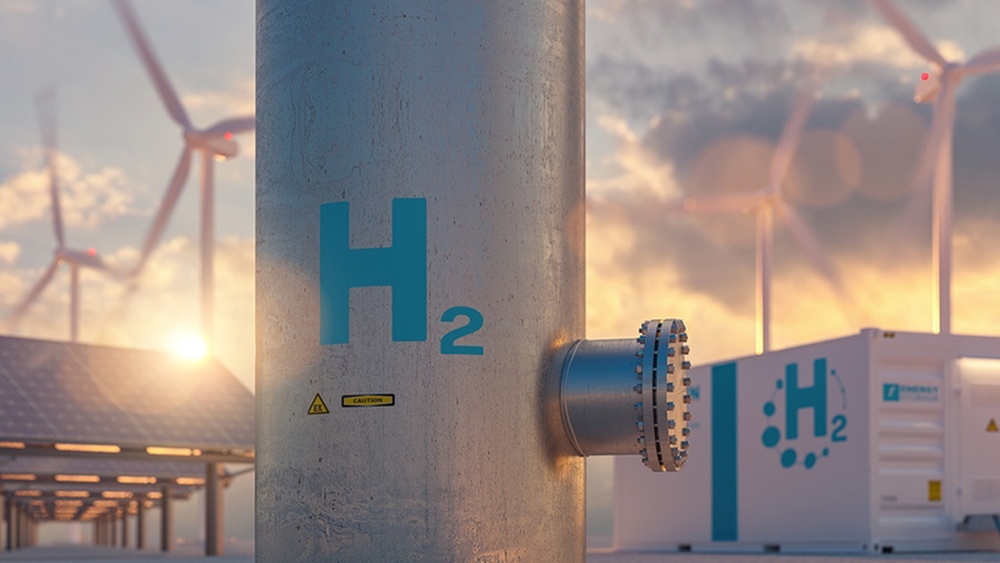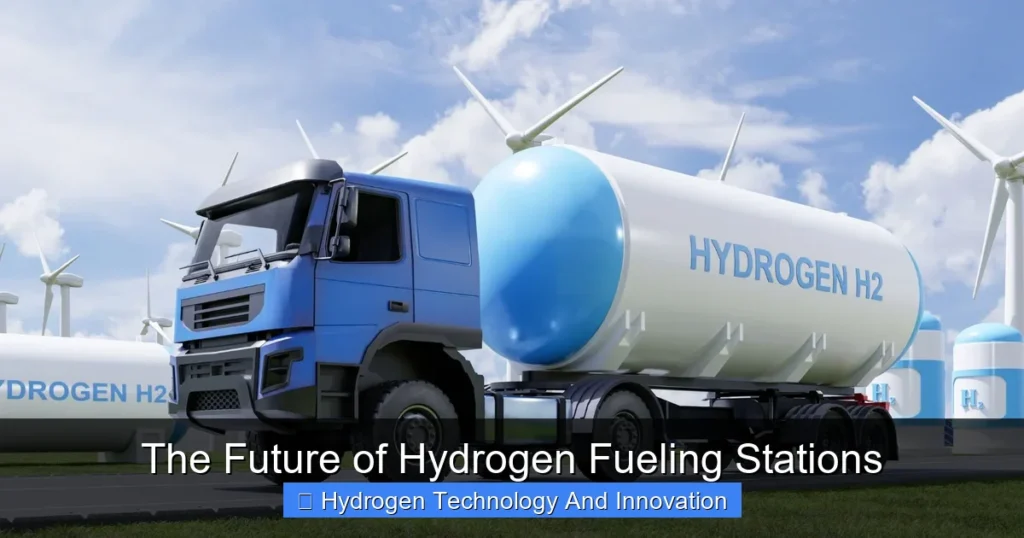
The future of hydrogen fueling stations is bright, scalable, and essential for a zero-emission transportation future. With rapid technological advances, government support, and growing industry investment, hydrogen is poised to transform how we power vehicles—especially heavy-duty transport.
This is a comprehensive guide about The future of hydrogen fueling stations.
Key Takeaways
- Hydrogen fueling stations are expanding globally: Countries like Japan, Germany, and the U.S. are investing heavily in hydrogen infrastructure to support clean transportation.
- Refueling is fast and convenient: Hydrogen vehicles can refuel in under 10 minutes—comparable to gasoline—making them ideal for long-haul trucks and fleet vehicles.
- Green hydrogen is the goal: The shift toward producing hydrogen using renewable energy is key to making the technology truly sustainable.
- Heavy-duty transport leads adoption: Trucks, buses, and ships are early adopters due to hydrogen’s high energy density and long-range capabilities.
- Challenges remain in cost and infrastructure: High production and distribution costs, along with limited station availability, are barriers being actively addressed.
- Public-private partnerships are accelerating growth: Collaboration between governments and companies is driving innovation and deployment of hydrogen stations.
- The future includes mobile and modular stations: Portable and scalable fueling solutions will help expand access in rural and underserved areas.
[FEATURED_IMAGE_PLACEHOLDER]
The Future of Hydrogen Fueling Stations
Imagine pulling up to a fueling station, connecting a nozzle, and filling your vehicle in under ten minutes—just like gasoline. But instead of emitting harmful fumes, your car releases only water vapor. This isn’t science fiction. It’s the reality of hydrogen fuel cell vehicles, and the future of hydrogen fueling stations is closer than you think.
Hydrogen has long been hailed as a potential game-changer in the clean energy transition. Unlike electric vehicles (EVs) that rely on large batteries and long charging times, hydrogen-powered vehicles offer quick refueling and long driving ranges—making them especially attractive for commercial and heavy-duty applications. But for hydrogen to truly take off, one critical piece must fall into place: a reliable, widespread network of hydrogen fueling stations.
Today, that network is growing. From California to Germany to South Korea, governments and private companies are investing billions in hydrogen infrastructure. The vision? A future where hydrogen stations are as common as gas stations, supporting everything from passenger cars to freight trucks, buses, and even ships. While challenges remain—such as high costs and energy-intensive production—innovations in technology, policy, and business models are rapidly paving the way forward.
Why Hydrogen? The Case for a Cleaner Fuel Alternative
To understand the future of hydrogen fueling stations, we first need to understand why hydrogen is gaining traction as a clean fuel. At its core, hydrogen is the simplest and most abundant element in the universe. When used in a fuel cell, it combines with oxygen to produce electricity, powering an electric motor—and the only byproduct is water.
This makes hydrogen an incredibly attractive alternative to fossil fuels, especially in sectors where battery-electric solutions face limitations. For example, long-haul trucks, delivery vans, and public transit buses require high energy density and quick refueling—something lithium-ion batteries struggle to deliver efficiently. A Class 8 truck, for instance, might need a battery weighing several tons to achieve a 500-mile range, reducing payload capacity and increasing costs. Hydrogen, by contrast, offers similar range and refueling speed to diesel, without the emissions.
Environmental Benefits of Hydrogen
The environmental appeal of hydrogen depends largely on how it’s produced. Currently, most hydrogen is made from natural gas through a process called steam methane reforming (SMR), which emits carbon dioxide. This “gray hydrogen” isn’t much better than fossil fuels from a climate perspective.
However, the future lies in “green hydrogen”—hydrogen produced using renewable energy sources like wind, solar, or hydropower to split water molecules via electrolysis. This process emits no greenhouse gases and is rapidly becoming more cost-effective as renewable energy prices drop and electrolyzer technology improves. Countries like Germany and Australia are already investing heavily in green hydrogen production, aiming to export it globally.
When green hydrogen powers a vehicle, the entire lifecycle—from production to use—can be nearly emissions-free. This makes hydrogen a powerful tool in decarbonizing transportation, especially in hard-to-electrify sectors.
Hydrogen vs. Battery Electric: A Complementary Future
It’s important to note that hydrogen isn’t meant to replace battery electric vehicles (BEVs)—it’s meant to complement them. For short-range urban driving, BEVs are often the most efficient and cost-effective solution. But for long-distance travel, heavy loads, or applications where downtime is costly, hydrogen has a clear advantage.
Think of it this way: BEVs are like smartphones—great for daily use, but they need frequent charging. Hydrogen vehicles are more like laptops—they can run longer and recharge faster, making them ideal for professionals on the go. In the future, we’ll likely see a mix of both technologies, each serving different needs.
Global Expansion of Hydrogen Fueling Infrastructure
The growth of hydrogen fueling stations is no longer a niche trend—it’s a global movement. Countries around the world are recognizing hydrogen’s potential and investing in infrastructure to support it.
Leading the Charge: Countries at the Forefront
Japan has been a pioneer in hydrogen technology for decades. With its “Basic Hydrogen Strategy,” the country aims to become a hydrogen society by 2050. As of 2023, Japan has over 160 hydrogen fueling stations, the most in the world, and is home to major automakers like Toyota and Honda, which have launched hydrogen-powered vehicles such as the Mirai and Clarity.
South Korea is another leader, with a national roadmap targeting 1,200 hydrogen stations by 2040. The government offers subsidies for both station construction and vehicle purchases, and companies like Hyundai are rolling out hydrogen trucks and buses across the country.
In Europe, Germany stands out with its H2 Mobility initiative, a public-private partnership that plans to build over 1,000 hydrogen stations by 2030. France, the Netherlands, and the UK are also expanding their networks, focusing on corridors for freight and public transit.
The United States is catching up fast. California leads the way with over 60 operational hydrogen stations, primarily serving the Los Angeles and San Francisco Bay areas. The state’s Zero-Emission Vehicle (ZEV) mandate and incentives from the California Energy Commission have driven much of this growth. Meanwhile, the federal Infrastructure Investment and Jobs Act includes $8 billion for hydrogen hubs—regional networks of production, storage, and distribution—accelerating nationwide deployment.
Private Sector Investment and Innovation
Government support is crucial, but private companies are the engines of innovation. Companies like Air Liquide, Linde, and Shell are building and operating hydrogen stations across Europe and North America. Automakers such as Toyota, Hyundai, and BMW are not only producing hydrogen vehicles but also investing in fueling infrastructure.
Startups are also playing a key role. For example, Plug Power is developing green hydrogen production facilities and fueling stations in the U.S., while Hyzon Motors focuses on hydrogen-powered commercial vehicles and mobile refueling solutions.
One exciting trend is the rise of “hydrogen corridors”—dedicated routes with stations spaced regularly to support long-distance travel. The European Union’s TEN-T network and the U.S.’s proposed hydrogen highways are examples of this approach, ensuring that drivers can refuel safely and conveniently across regions.
Technology Innovations Driving the Future
The future of hydrogen fueling stations isn’t just about building more stations—it’s about making them smarter, faster, and more efficient. Several technological advances are making this possible.
High-Pressure Refueling and Standardization
One of the biggest challenges in hydrogen fueling has been standardization. Early stations used different pressures and connector types, making it difficult for vehicles from different manufacturers to refuel at the same station.
Today, the industry is converging on the SAE J2601 standard, which specifies 700-bar pressure for light-duty vehicles. This allows for fast refueling—typically 3 to 5 minutes for a passenger car—and ensures compatibility across brands. Heavy-duty vehicles may use even higher pressures or liquid hydrogen for greater energy density.
On-Site Hydrogen Production
Transporting hydrogen is expensive and energy-intensive. Most hydrogen is currently delivered by truck, which adds cost and emissions. A more sustainable solution is on-site production—generating hydrogen directly at the fueling station using electrolysis powered by renewable energy.
This approach reduces transportation needs and can lower costs over time. Companies like Nel Hydrogen and ITM Power are developing compact electrolyzers that can be installed at stations, turning sunlight or wind into fuel on demand.
Modular and Mobile Stations
Not every location can support a large, permanent hydrogen station. That’s where modular and mobile solutions come in. These portable stations can be deployed quickly in remote areas, construction sites, or during emergencies.
For example, H2GO Power offers containerized hydrogen refueling units that can be shipped and set up in days. Similarly, startups like HyET Hydrogen are developing mobile refuelers that can service fleets without requiring fixed infrastructure.
These innovations are especially valuable for early-stage markets, where demand is still growing and investment risk is high.
Integration with Renewable Energy Grids
The future of hydrogen fueling stations includes smart integration with the electrical grid. Excess renewable energy—such as solar power generated during the day—can be used to produce hydrogen, which is then stored and used for fueling when needed.
This creates a flexible energy system that balances supply and demand. In Germany, the “Power-to-X” concept is being tested, where surplus wind energy is converted into hydrogen and used in transportation, industry, or heating.
Some stations are even exploring vehicle-to-grid (V2G) capabilities, where hydrogen vehicles can feed electricity back into the grid during peak demand, turning cars into mobile energy storage units.
Challenges and Barriers to Overcome
Despite the promise, the path to widespread hydrogen fueling isn’t without obstacles. Several key challenges must be addressed for the industry to reach its full potential.
High Costs of Production and Distribution
Currently, green hydrogen is significantly more expensive than gray hydrogen or fossil fuels. The cost of electrolyzers, renewable electricity, and infrastructure drives up prices. According to the International Energy Agency (IEA), green hydrogen costs between $3 and $8 per kilogram, compared to $1 to $2 for gray hydrogen.
While costs are expected to fall as technology scales and renewables become cheaper, subsidies and policy support are needed in the short term to make hydrogen competitive.
Limited Station Availability and “Chicken-and-Egg” Problem
One of the biggest hurdles is the classic “chicken-and-egg” dilemma: consumers won’t buy hydrogen vehicles without stations, and companies won’t build stations without demand.
This is why early adopters—like fleet operators and government agencies—are so important. By committing to hydrogen vehicles, they create demand that justifies infrastructure investment. For example, Amazon and Walmart are testing hydrogen-powered delivery trucks, while cities like Los Angeles are adding hydrogen buses to their fleets.
Safety and Public Perception
Hydrogen has a reputation for being dangerous, largely due to historical events like the Hindenburg disaster. While modern hydrogen systems are designed with multiple safety features—including leak detection, ventilation, and pressure relief devices—public education is still needed.
In reality, hydrogen is no more dangerous than gasoline or natural gas when handled properly. In fact, it’s lighter than air and disperses quickly, reducing the risk of fire compared to liquid fuels.
Energy Efficiency Concerns
It’s important to acknowledge that hydrogen is less energy-efficient than batteries. Producing, compressing, transporting, and converting hydrogen to electricity in a fuel cell results in significant energy losses—often 60% or more from source to wheel.
This means hydrogen is best suited for applications where batteries aren’t practical, not as a replacement for all electric vehicles. Efficiency will improve with better electrolyzers and fuel cells, but it remains a key consideration.
The Role of Policy and Public-Private Partnerships
Government policy is a major driver of hydrogen infrastructure development. Without supportive regulations, incentives, and funding, the transition would be much slower.
Incentives and Subsidies
Many countries offer financial incentives to reduce the cost gap. In the U.S., the Inflation Reduction Act includes a production tax credit of up to $3 per kilogram for clean hydrogen, making green hydrogen competitive with fossil fuels. California offers rebates of up to $250,000 per hydrogen station.
The European Union’s Green Deal and national hydrogen strategies provide grants and low-interest loans for infrastructure projects. Japan and South Korea offer similar support, including tax breaks and R&D funding.
Hydrogen Hubs and Regional Development
The U.S. Department of Energy’s Regional Clean Hydrogen Hubs program is a prime example of coordinated investment. Seven hubs across the country—from the Gulf Coast to the Pacific Northwest—will receive up to $7 billion to develop integrated hydrogen ecosystems.
These hubs will produce, store, transport, and use hydrogen across multiple sectors, creating jobs and reducing emissions. Similar initiatives are underway in Europe and Asia.
International Collaboration
Hydrogen is a global opportunity. Countries are forming partnerships to share knowledge, develop standards, and even trade hydrogen. The Australia-Japan hydrogen supply chain, for example, ships liquid hydrogen from Australia to Japan, demonstrating the potential for international energy trade.
Organizations like the Hydrogen Council and the International Partnership for Hydrogen and Fuel Cells in the Economy (IPHE) are fostering collaboration and accelerating progress.
The Road Ahead: What to Expect in the Next Decade
So, what does the future of hydrogen fueling stations look like in the next 10 years?
We can expect to see a dramatic increase in station numbers, especially along major transportation corridors. By 2030, countries like Germany and Japan aim to have over 1,000 stations each, while the U.S. and China are rapidly expanding their networks.
Technology will continue to improve, with faster refueling, lower costs, and greater integration with renewable energy. Mobile and modular stations will help fill gaps in rural and underserved areas, while hydrogen-powered trucks and buses become common on city streets.
The biggest shift will be toward green hydrogen. As renewable energy becomes cheaper and electrolyzer production scales up, the cost of clean hydrogen will drop significantly. By 2030, green hydrogen could cost as little as $1.50 per kilogram in sunny or windy regions, making it competitive with fossil fuels.
Public awareness will also grow. As more people experience hydrogen vehicles firsthand—through ride-sharing programs, test drives, or public transit—the technology will become more familiar and accepted.
Ultimately, the future of hydrogen fueling stations is not just about infrastructure—it’s about building a cleaner, more resilient energy system. One where transportation is powered by the sun, wind, and water, and where every refuel brings us closer to a zero-emission world.
Conclusion
The future of hydrogen fueling stations is unfolding before our eyes. While challenges remain, the momentum is undeniable. With strong government support, private innovation, and growing public interest, hydrogen is poised to play a critical role in the clean energy transition.
From fast refueling to long-range capabilities, hydrogen offers unique advantages—especially for heavy-duty and commercial transport. And as green hydrogen production scales up, the environmental benefits will only grow.
The next decade will be pivotal. As stations multiply, costs fall, and technology advances, hydrogen could become a mainstream fuel option. The vision of a world powered by clean, abundant hydrogen is no longer a dream—it’s a realistic, achievable future.
So the next time you see a hydrogen fueling station, don’t just think of it as a novelty. Think of it as a sign of progress—a step toward a cleaner, more sustainable way to move people and goods across the planet.
FAQs
How long does it take to refuel a hydrogen vehicle?
Refueling a hydrogen vehicle typically takes 3 to 10 minutes, depending on the vehicle and station. This is similar to gasoline and much faster than charging an electric vehicle.
Are hydrogen fueling stations safe?
Yes, hydrogen stations are designed with multiple safety features, including leak detection, ventilation, and automatic shut-offs. Hydrogen is lighter than air and disperses quickly, reducing fire risk.
Can hydrogen vehicles use existing gas stations?
Not directly. Hydrogen requires specialized equipment for storage and dispensing. However, some stations are being retrofitted or co-located with hydrogen pumps alongside gasoline and EV chargers.
Is hydrogen more expensive than gasoline?
Currently, hydrogen fuel is more expensive per mile than gasoline, but costs are expected to fall as production scales and technology improves. Government incentives can also help reduce the price gap.
Where are most hydrogen fueling stations located?
Most stations are in California, Japan, Germany, and South Korea. These regions have strong government support and early adopter markets for hydrogen vehicles.
Will hydrogen replace electric vehicles?
No, hydrogen and battery electric vehicles will likely coexist. Hydrogen is better suited for long-range and heavy-duty applications, while batteries excel in urban and short-range use.
Frequently Asked Questions
What is The future of hydrogen fueling stations?
The future of hydrogen fueling stations is an important topic with many practical applications.