The future of hydrogen refueling stations is bright, driven by zero-emission vehicles and global climate goals. With rapid tech advances and growing infrastructure, hydrogen is becoming a key player in sustainable transport.
Key Takeaways
- Hydrogen fuel cell vehicles (FCEVs) are gaining momentum: As automakers like Toyota, Hyundai, and BMW expand their FCEV lineups, demand for refueling infrastructure is rising steadily.
- Refueling is fast and convenient: Hydrogen stations can refuel a vehicle in 3–5 minutes—comparable to gasoline—making them ideal for commercial fleets and long-haul transport.
- Green hydrogen is the goal: The shift toward producing hydrogen using renewable energy (solar, wind) is critical for true sustainability and reducing carbon footprints.
- Government support is accelerating growth: Countries like Japan, Germany, and the U.S. are investing billions in hydrogen infrastructure through subsidies, grants, and national strategies.
- Station technology is evolving rapidly: Innovations in compression, storage, and dispensing systems are improving efficiency, safety, and cost-effectiveness.
- Hydrogen complements electric vehicles: While EVs dominate passenger cars, hydrogen excels in heavy-duty applications like trucks, buses, and ships.
- Global networks are expanding: Over 1,000 hydrogen refueling stations are now operational worldwide, with plans for thousands more by 2030.
📑 Table of Contents
- The Future of Hydrogen Refueling Stations
- Why Hydrogen? The Case for a Clean Fuel Alternative
- How Hydrogen Refueling Stations Work
- Global Expansion: Where Hydrogen Stations Are Growing
- Technology Innovations Driving the Future
- Challenges and How We’re Overcoming Them
- The Road Ahead: A Vision for 2030 and Beyond
- Conclusion
The Future of Hydrogen Refueling Stations
Imagine pulling up to a fueling station, connecting a nozzle, and filling your car with clean energy in under five minutes—no plugging in, no long waits, and zero tailpipe emissions. That’s not science fiction. It’s the reality of hydrogen refueling stations, and they’re quietly reshaping the future of transportation.
Hydrogen has long been touted as a potential game-changer in the clean energy race. Unlike battery-electric vehicles (EVs), which rely on large, heavy batteries and hours of charging, hydrogen fuel cell vehicles (FCEVs) generate electricity on board using hydrogen and oxygen, emitting only water vapor. The catch? For years, the lack of refueling infrastructure has held back widespread adoption. But that’s changing fast.
Around the world, governments, automakers, and energy companies are investing heavily in hydrogen infrastructure. From Japan’s dense network of stations to Germany’s H2 Mobility initiative and California’s push for zero-emission trucks, the momentum is undeniable. The future of hydrogen refueling stations isn’t just about building more pumps—it’s about creating a smart, sustainable, and scalable ecosystem that supports everything from city buses to cross-country freight.
Why Hydrogen? The Case for a Clean Fuel Alternative
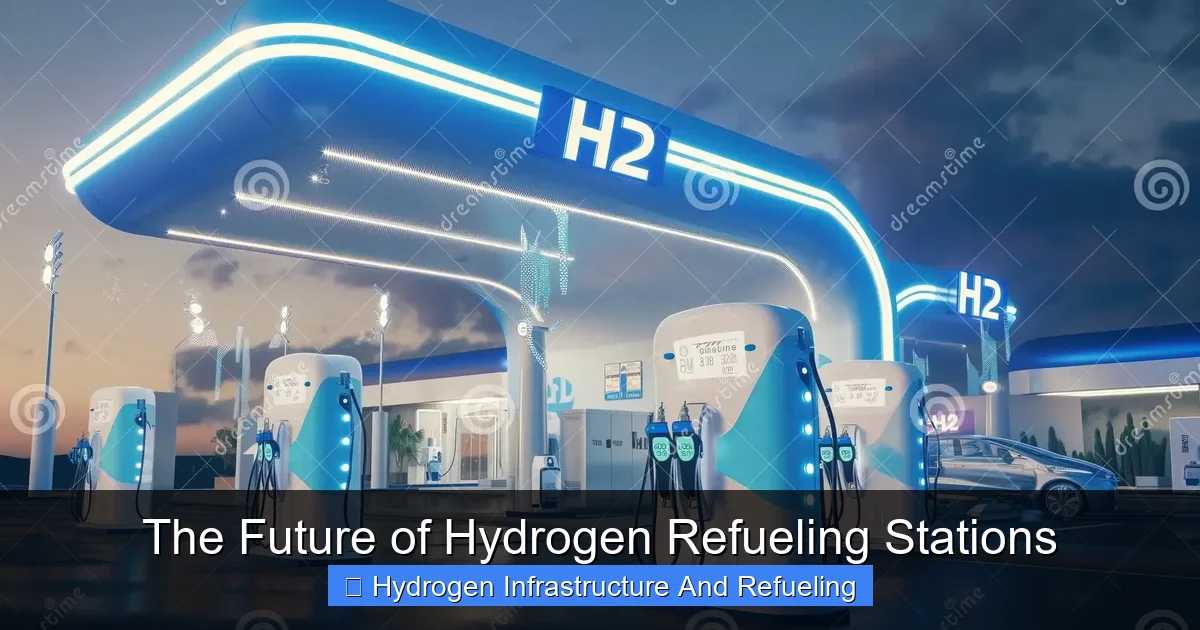
Visual guide about The Future of Hydrogen Refueling Stations
Image source: thumbs.dreamstime.com
To understand the future of hydrogen refueling stations, we first need to grasp why hydrogen matters. The transportation sector accounts for nearly a quarter of global CO₂ emissions, and while electric vehicles have made significant strides, they’re not a one-size-fits-all solution.
Battery-electric vehicles are excellent for short- to medium-range travel, especially in urban areas. But when it comes to heavy-duty transport—think 18-wheelers, delivery vans, or city buses—batteries become impractical. They’re too heavy, take too long to charge, and strain the electrical grid. That’s where hydrogen shines.
Hydrogen’s Unique Advantages
Hydrogen fuel cells offer several key benefits:
- Fast refueling: A hydrogen station can fill a tank in 3–5 minutes, just like gasoline or diesel. No overnight charging required.
- Long range: FCEVs can travel 300–400 miles on a single tank, making them ideal for long-haul routes.
- Lightweight: Unlike batteries, hydrogen storage doesn’t add significant weight, preserving vehicle efficiency and payload capacity.
- Zero emissions: The only byproduct of hydrogen fuel cells is water vapor, making them truly clean at the tailpipe.
These advantages make hydrogen especially valuable for commercial fleets. Companies like Amazon, UPS, and Walmart are already testing hydrogen-powered delivery trucks. In ports and logistics hubs, hydrogen forklifts and yard trucks are becoming common. The future of hydrogen refueling stations will be shaped by these real-world applications.
Green vs. Gray Hydrogen: The Sustainability Divide
Not all hydrogen is created equal. Currently, over 95% of hydrogen is produced from natural gas through a process called steam methane reforming—this is known as “gray hydrogen” and emits CO₂. “Blue hydrogen” captures and stores those emissions, but it’s still not fully clean.
The real promise lies in “green hydrogen,” produced by splitting water into hydrogen and oxygen using renewable electricity (like solar or wind). This process emits no carbon and aligns with global climate goals. The future of hydrogen refueling stations depends on scaling up green hydrogen production.
Countries like Australia, Chile, and Saudi Arabia are investing in massive green hydrogen projects. In Europe, the Hy2Use and Hy2Tech initiatives aim to build a continent-wide hydrogen economy. As renewable energy costs continue to fall, green hydrogen is becoming increasingly competitive.
How Hydrogen Refueling Stations Work
So, what happens when you pull up to a hydrogen refueling station? It’s simpler than you might think—but the technology behind it is sophisticated.
The Refueling Process: Step by Step
When you arrive at a hydrogen station, the process is similar to pumping gasoline:
- You park and connect the dispenser nozzle to your vehicle’s fuel port.
- The system performs a safety check, ensuring a secure connection.
- Hydrogen is dispensed under high pressure (typically 350 or 700 bar) into the vehicle’s onboard tanks.
- The entire process takes 3–5 minutes for a full tank.
- You disconnect, pay (often via app or card), and drive off.
Behind the scenes, the station stores hydrogen in high-pressure tanks, often cooled to increase density. Compressors boost the pressure for dispensing, and safety systems monitor for leaks or malfunctions. Modern stations are designed with multiple redundancies to ensure safe operation.
Types of Hydrogen Stations
Not all hydrogen refueling stations are the same. They vary based on location, scale, and hydrogen source:
- Retail stations: Located at gas stations or standalone sites, these serve passenger vehicles and light-duty fleets. Examples include Shell’s H2 stations in California and Germany.
- Fleet stations: Dedicated to specific users, like bus depots or delivery hubs. These are often larger and optimized for high-volume use.
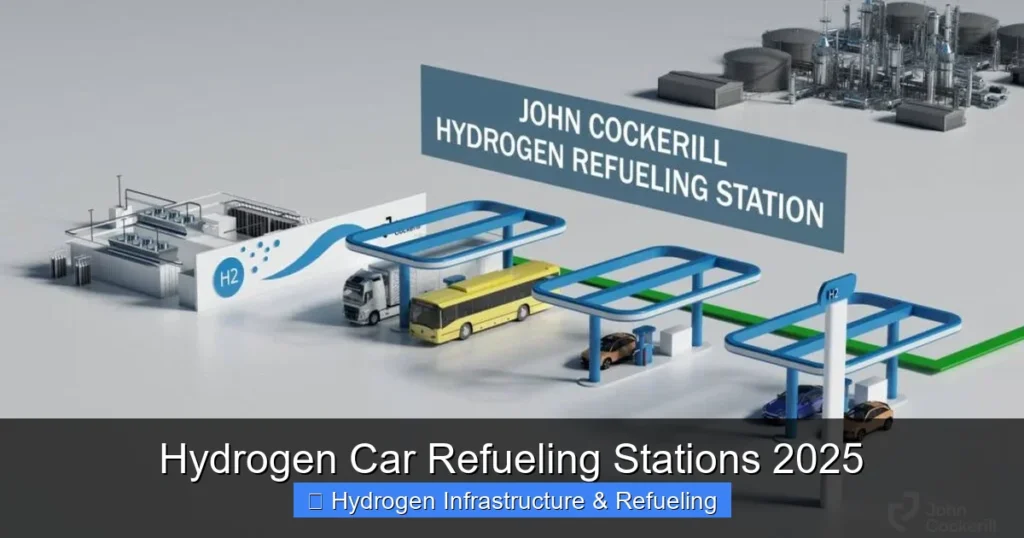
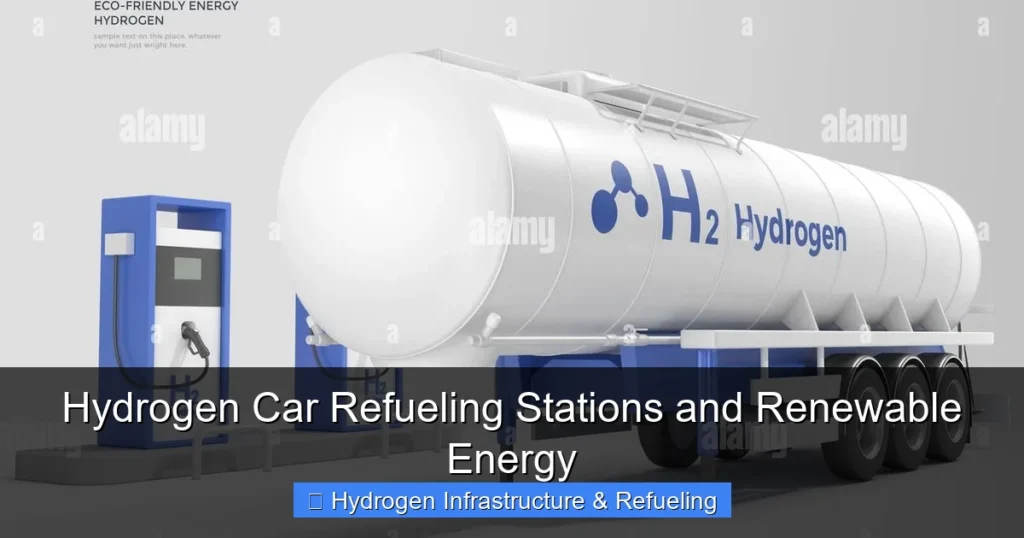
- Mobile refuelers: Trailer-mounted units that can deliver hydrogen to remote locations or temporary sites. Useful for construction zones or event support.
- On-site production stations: These generate hydrogen on location using electrolysis, often powered by solar or wind. Ideal for areas without pipeline access.
The future of hydrogen refueling stations will likely include a mix of these types, tailored to local needs and infrastructure.
Safety and Public Perception
One common concern about hydrogen is safety. After all, it’s highly flammable. But in reality, hydrogen is no more dangerous than gasoline—and in some ways, safer.
Hydrogen is lighter than air, so it disperses quickly if leaked, reducing the risk of explosion. Modern FCEVs and stations are equipped with multiple safety features: leak detectors, automatic shutoffs, and flame arrestors. In fact, studies by the National Renewable Energy Laboratory (NREL) show that hydrogen refueling is as safe as conventional fueling.
Public education will be key to building trust. As more people experience hydrogen vehicles firsthand, misconceptions will fade. The future of hydrogen refueling stations depends not just on technology, but on public confidence.
Global Expansion: Where Hydrogen Stations Are Growing
The hydrogen refueling network is expanding rapidly, but growth is uneven. Some regions are leading the charge, while others are still in early stages.
Asia: The Global Leader
Japan and South Korea are at the forefront of hydrogen adoption. Japan’s “Basic Hydrogen Strategy” aims for 900 stations by 2030, up from over 160 today. The country sees hydrogen as essential for energy security and decarbonization.
South Korea is equally ambitious, with plans for 1,200 stations by 2040. Hyundai’s NEXO SUV is one of the most popular FCEVs globally, and the government offers generous subsidies for both vehicles and infrastructure.
China is also scaling up fast. With over 300 stations already in operation—the most in the world—China is focusing on hydrogen for heavy transport and industrial use. The government’s “Medium- and Long-Term Plan for Hydrogen Energy Industry Development” targets 1,000 stations by 2030.
Europe: A Coordinated Push
Europe is building a continent-wide hydrogen economy. The European Clean Hydrogen Alliance aims to install 1,000 stations by 2030. Germany’s H2 Mobility project has over 100 stations, with plans for 400. France, the Netherlands, and the UK are also investing heavily.
One standout is the “Hydrogen Corridor” initiative, linking refueling stations across major highways in Germany, France, and Benelux. This enables long-distance travel and supports cross-border freight.
North America: Catching Up
The U.S. has been slower to adopt hydrogen, but that’s changing. California leads the way with over 60 stations, mostly serving FCEVs like the Toyota Mirai and Hyundai NEXO. The state’s Zero-Emission Vehicle (ZEV) mandate and Low Carbon Fuel Standard (LCFS) provide strong incentives.
The Biden administration’s Bipartisan Infrastructure Law includes $8 billion for hydrogen hubs—regional networks of production, storage, and refueling. Projects in Texas, the Gulf Coast, and the Midwest are already underway.
Canada is also investing, with stations in British Columbia, Quebec, and Ontario. The country’s abundant renewable energy makes it ideal for green hydrogen production.
Emerging Markets: The Next Frontier
While developed nations lead today, the future of hydrogen refueling stations will include emerging economies. Australia is exporting green hydrogen to Asia. Chile is developing solar-powered hydrogen plants in the Atacama Desert. Morocco and Namibia are exploring hydrogen for export and domestic use.
These regions could leapfrog traditional infrastructure, building hydrogen networks from the ground up—just as many African countries adopted mobile banking without landlines.
Technology Innovations Driving the Future
The future of hydrogen refueling stations isn’t just about building more pumps—it’s about smarter, safer, and more efficient technology.
Advancements in Compression and Storage
One of the biggest challenges is storing hydrogen at high pressure. Current stations use 350 or 700 bar systems, but researchers are working on advanced materials like carbon fiber tanks and metal hydrides that could store hydrogen more safely and efficiently.
New compression technologies, such as ionic liquid compressors, reduce energy use and maintenance. These innovations will lower operating costs and improve reliability.
On-Site Production and Renewable Integration
Imagine a hydrogen station powered entirely by solar panels. That’s already happening. On-site electrolysis—using renewable electricity to split water—eliminates the need for hydrogen transport and reduces emissions.
Companies like Plug Power and Nel Hydrogen are deploying modular electrolyzers at refueling sites. These systems can scale from small retail stations to large industrial hubs.
In remote areas, solar-hydrogen stations could provide clean fuel without grid access. This is especially valuable for mining, agriculture, and disaster relief.
Smart Stations and Digital Integration
The future of hydrogen refueling stations will be connected. Smart stations will use AI and IoT sensors to monitor performance, predict maintenance needs, and optimize hydrogen supply.
Mobile apps will let drivers locate stations, check availability, and pay seamlessly. Fleet operators will use telematics to schedule refueling and track consumption.
Blockchain technology could even enable transparent tracking of hydrogen’s carbon footprint—ensuring it’s truly green from production to pump.
Hydrogen Blending and Dual-Fuel Systems
In the near term, hydrogen may be blended with natural gas in existing pipelines. This “hydrogen blending” can reduce emissions in industrial processes and heating, while building demand for pure hydrogen.
Dual-fuel stations—offering both hydrogen and electricity—could serve mixed fleets. A truck stop might have EV chargers, hydrogen pumps, and even biodiesel, catering to diverse needs.
Challenges and How We’re Overcoming Them
Despite the promise, the future of hydrogen refueling stations faces real hurdles.
High Costs and Limited Scale
Building a hydrogen station costs $1–2 million on average—far more than an EV charger. Hydrogen production, transport, and storage are also expensive.
But costs are falling. According to the International Energy Agency (IEA), hydrogen production costs could drop by 50% by 2030 as electrolyzers scale up. Station costs are expected to fall similarly with mass production and standardization.
Government incentives are bridging the gap. The U.S. Inflation Reduction Act offers tax credits for clean hydrogen production. The EU’s Innovation Fund supports large-scale projects.
Infrastructure Gaps and Location Challenges
Hydrogen stations are still sparse, especially outside urban centers. Drivers worry about “range anxiety”—running out of fuel with no station nearby.
Solutions include strategic placement along highways, partnerships with gas stations, and mobile refuelers. In Japan, convenience stores like Lawson host hydrogen pumps, making them part of daily life.
Competition from Electric Vehicles
EVs dominate the clean vehicle market, and battery technology is improving fast. Some argue hydrogen is unnecessary.
But hydrogen and electricity aren’t enemies—they’re complements. EVs are great for cars and city driving. Hydrogen excels in heavy transport, aviation, and shipping, where batteries fall short.
The future isn’t hydrogen vs. electric—it’s hydrogen and electric, working together.
Regulatory and Permitting Hurdles
Permitting a hydrogen station can take months or years due to safety regulations and zoning laws. Streamlining these processes is essential.
Countries like Germany and Japan have created fast-track approval systems. The U.S. is updating codes through the National Fire Protection Association (NFPA) to support hydrogen infrastructure.
The Road Ahead: A Vision for 2030 and Beyond
By 2030, the future of hydrogen refueling stations could look dramatically different. Imagine:
- A network of 5,000+ stations across North America, Europe, and Asia.
- Green hydrogen produced at scale, costing less than $2 per kilogram.
- Hydrogen-powered trucks hauling goods across continents.
- Airports and ports running on clean hydrogen.
- Consumers choosing FCEVs for their speed, range, and convenience.
This future is within reach—but it will take collaboration. Governments must continue investing. Automakers must expand FCEV offerings. Energy companies must scale production. And consumers must embrace the technology.
The transition won’t happen overnight. But every new station, every mile driven, every ton of CO₂ avoided brings us closer.
Conclusion
The future of hydrogen refueling stations is not just about fuel—it’s about transformation. It’s about reimagining how we move people and goods, reducing emissions, and building a cleaner, more resilient energy system.
Hydrogen won’t replace electricity, but it will fill critical gaps where batteries fall short. With fast refueling, long range, and zero emissions, hydrogen is uniquely suited for the heavy-duty, long-haul future.
The technology is ready. The demand is growing. The investments are flowing. Now, it’s time to build.
Whether you’re a driver, a fleet manager, or a policymaker, the hydrogen revolution is coming. And the stations that fuel it will be at the heart of the clean transport transformation.
Frequently Asked Questions
How long does it take to refuel a hydrogen car?
Refueling a hydrogen car takes just 3–5 minutes, similar to gasoline. This makes it much faster than charging an electric vehicle, especially for long trips.
Are hydrogen refueling stations safe?
Yes, hydrogen stations are designed with multiple safety features, including leak detectors and automatic shutoffs. Studies show they are as safe as conventional fuel stations.
Where can I find a hydrogen refueling station?
Hydrogen stations are currently concentrated in California, Japan, Germany, and South Korea. Apps like H2stations.org and PlugShare help drivers locate nearby stations.
Is hydrogen fuel expensive?
Currently, hydrogen costs $10–16 per kilogram in the U.S., but prices are expected to fall as production scales up and green hydrogen becomes more common.
Can hydrogen stations be powered by renewable energy?
Yes, many new stations use on-site solar or wind power to produce hydrogen via electrolysis, making the entire process carbon-free.
Will hydrogen replace electric vehicles?
No, hydrogen and electric vehicles serve different needs. EVs are ideal for passenger cars, while hydrogen excels in heavy transport, aviation, and shipping.