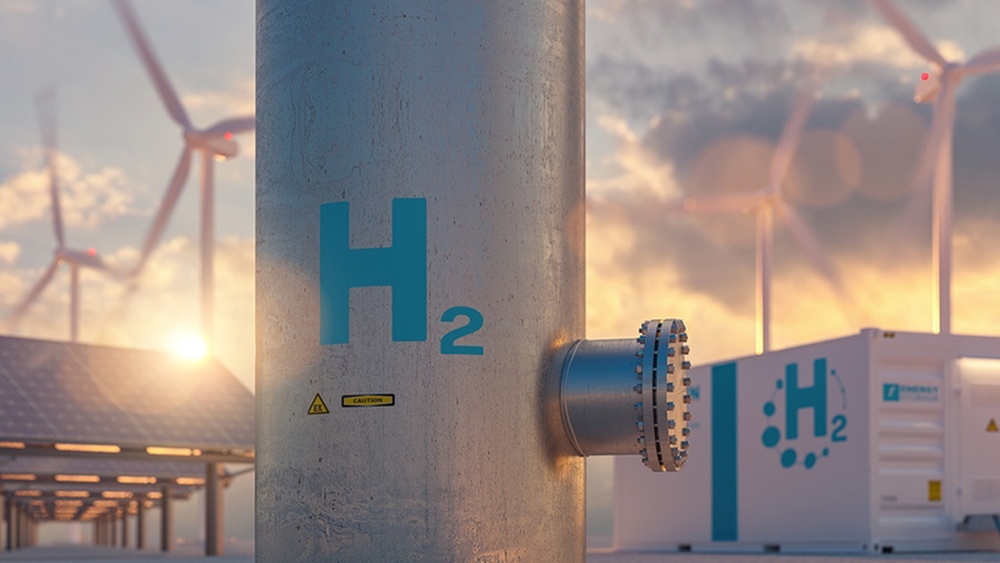
The history of hydrogen-powered cars spans over two centuries, blending visionary science with persistent engineering challenges. Despite early breakthroughs, widespread adoption has been slowed by infrastructure and cost barriers—yet recent advancements signal a promising future for this clean energy technology.
Key Takeaways
- Hydrogen-powered cars date back to the 1800s: The first hydrogen-powered vehicle was built in 1807, long before gasoline engines dominated the roads.
- Fuel cell technology emerged in the 19th century: Sir William Grove invented the first fuel cell in 1839, laying the foundation for modern hydrogen vehicles.
- NASA accelerated development in the 1960s: The space agency used hydrogen fuel cells in spacecraft, proving their reliability and efficiency in extreme conditions.
- Automakers began serious R&D in the 1990s: Companies like Toyota, Honda, and General Motors invested heavily in hydrogen vehicle prototypes and testing.
- Modern models like the Toyota Mirai and Hyundai NEXO are now on the road: These vehicles offer zero emissions, long range, and quick refueling—similar to gasoline cars.
- Infrastructure remains a major hurdle: Limited hydrogen refueling stations restrict widespread adoption, especially outside California and parts of Europe and Asia.
- Hydrogen cars complement, not replace, electric vehicles: They serve best in long-haul transport, fleet vehicles, and areas where battery charging is impractical.
[FEATURED_IMAGE_PLACEHOLDER]
The Dawn of Hydrogen: Early Experiments and Visionary Ideas
The story of hydrogen-powered cars begins not in a modern lab, but in the age of steam and early industrial innovation. Long before electric vehicles or internal combustion engines became mainstream, scientists and inventors were already exploring the potential of hydrogen as a fuel source. The idea that a clean-burning, abundant element could power machines was both revolutionary and ahead of its time.
In 1807, French engineer François Isaac de Rivaz built what is widely recognized as the first hydrogen-powered vehicle. His invention, known as the de Rivaz engine, used a mixture of hydrogen and oxygen ignited by an electric spark to drive a piston. While crude by today’s standards, this internal combustion engine marked a pivotal moment in automotive history. De Rivaz even mounted his engine on a rudimentary carriage, creating a self-propelled vehicle that ran on hydrogen—decades before Karl Benz unveiled the first gasoline-powered automobile in 1885.
Though the de Rivaz engine never achieved commercial success, it demonstrated the feasibility of hydrogen as a fuel. The concept was simple: burn hydrogen to produce motion. But the technology of the time couldn’t support widespread use. Hydrogen was difficult to store, produce, and transport safely. Plus, the infrastructure to support such vehicles simply didn’t exist.
Still, the spark of innovation had been lit. Over the next several decades, scientists continued to experiment with hydrogen. In 1839, British physicist Sir William Grove made a groundbreaking discovery: he invented the first fuel cell. Known as the “Grove cell,” it combined hydrogen and oxygen to produce electricity, with water as the only byproduct. This was a major leap forward. Unlike combustion engines, fuel cells generated power through an electrochemical reaction—no burning, no emissions, just clean energy.
Grove’s invention laid the theoretical foundation for modern hydrogen fuel cell vehicles (FCVs). However, it would take over a century for the technology to evolve from lab curiosity to practical application. The real breakthrough came not on Earth, but in space.
From Space to Earth: NASA’s Role in Advancing Hydrogen Technology
The 20th century brought rapid technological progress, and hydrogen fuel cells found a new home in one of the most demanding environments imaginable: outer space. In the 1960s, NASA began using hydrogen fuel cells to power spacecraft, including the Apollo missions that eventually landed humans on the moon. These fuel cells provided electricity, heat, and even drinking water for astronauts—proving their reliability and efficiency under extreme conditions.
The Apollo program’s success with hydrogen fuel cells was a turning point. Engineers realized that if the technology could survive the vacuum of space and the rigors of lunar travel, it could certainly work on Earth. This validation from one of the world’s most advanced scientific organizations gave hydrogen-powered vehicles a credibility boost that earlier experiments lacked.
NASA’s use of fuel cells also spurred research and development in the private sector. Companies began to see the potential for terrestrial applications, especially in transportation. The 1960s and 1970s saw a wave of experimental hydrogen vehicles, often built by universities, research labs, and forward-thinking automakers.
One notable example was the 1966 General Motors Electrovan, a modified delivery van powered by a hydrogen fuel cell. It was the first vehicle of its kind designed specifically for road use. The Electrovan could travel up to 150 miles on a single tank of hydrogen and produced only water vapor as exhaust. However, it was incredibly expensive to build—costing over $2 million in today’s dollars—and required liquid hydrogen stored at extremely low temperatures. As a result, it remained a prototype, never intended for mass production.
Despite these early challenges, the Electrovan proved that hydrogen-powered vehicles were technically possible. It also highlighted the key obstacles: cost, storage, and infrastructure. But the seed had been planted. The space race had shown the world that hydrogen could be a viable energy source—and now, the race was on to bring it down to Earth.
The 1990s: Automakers Take the Wheel
By the 1990s, environmental concerns were rising. The oil crises of the 1970s had exposed the vulnerabilities of fossil fuel dependence, and growing awareness of climate change pushed governments and industries to seek cleaner alternatives. Electric vehicles (EVs) were gaining attention, but so were hydrogen-powered cars. Automakers, eager to position themselves as leaders in sustainable transportation, began investing heavily in hydrogen fuel cell research.
Toyota, Honda, and General Motors emerged as early pioneers. Each company launched ambitious programs to develop hydrogen-powered prototypes and test their real-world performance. These vehicles weren’t just lab experiments—they were designed to meet consumer needs: long range, quick refueling, and zero emissions.
In 1993, Toyota established its Fuel Cell Vehicle Project, signaling a long-term commitment to hydrogen technology. The company began testing fuel cell stacks in various vehicle platforms, learning from each iteration. Honda followed suit with its own fuel cell research, eventually unveiling the Honda FCX in 1999—the first hydrogen-powered vehicle to receive certification from the U.S. Environmental Protection Agency (EPA) and the California Air Resources Board (CARB).
The FCX was a compact sedan that could travel up to 170 miles on a single tank of hydrogen. It emitted only water vapor and required just three to five minutes to refuel—far faster than the hours needed to charge an electric vehicle at the time. Honda leased a small number of FCX models to government agencies and private fleets in California, where a handful of hydrogen refueling stations were beginning to appear.
Meanwhile, General Motors continued its work on hydrogen vehicles, partnering with the U.S. Department of Energy on demonstration projects. The company built and tested dozens of fuel cell vehicles, including SUVs and buses, to evaluate performance in different conditions. GM’s goal was not just to build cars, but to understand the entire hydrogen ecosystem—from production to distribution to consumer use.
These efforts marked a shift from theoretical exploration to practical application. Automakers were no longer asking “Can we build a hydrogen car?” but “How can we make it affordable, reliable, and accessible?” The 1990s laid the groundwork for the commercial vehicles that would arrive in the 2000s and beyond.
The 2000s: Prototypes, Policies, and Public Trials
The turn of the millennium brought renewed optimism for hydrogen-powered cars. Governments around the world began introducing policies to support clean transportation, and automakers ramped up their efforts to bring fuel cell vehicles to market. The 2000s were a decade of trials, demonstrations, and incremental progress.
In 2002, Honda became the first automaker to lease a hydrogen-powered vehicle to a private individual. The recipient was a family in Southern California, who used the Honda FCX as their daily driver. This was a symbolic milestone—proof that hydrogen cars weren’t just for fleets or government use, but could serve everyday consumers.
Around the same time, Toyota introduced its first-generation fuel cell vehicle, the Toyota FCHV, based on the Highlander SUV. It featured advanced fuel cell technology and could travel over 200 miles on a single tank. Toyota leased a limited number of FCHVs to universities, research institutions, and government agencies in the U.S. and Japan.
But the biggest challenge remained infrastructure. Hydrogen refueling stations were scarce, expensive to build, and often unreliable. Most were located in California, with a few in Japan, Germany, and Canada. Without a network of stations, consumers couldn’t rely on hydrogen cars for long-distance travel.
To address this, governments and private companies launched demonstration projects. The European Union funded the HyFLEET:CUTE project, which deployed hydrogen-powered buses in nine cities across Europe. These buses operated on regular routes, giving the public a firsthand look at hydrogen technology in action.
In the U.S., the Department of Energy launched the Hydrogen Fuel Initiative in 2003, committing $1.2 billion over five years to accelerate hydrogen research and infrastructure development. The goal was to make hydrogen-powered vehicles cost-competitive with gasoline cars by 2015.
Despite these efforts, progress was slow. The high cost of fuel cells, the complexity of hydrogen storage, and the lack of refueling stations made widespread adoption unlikely in the short term. Critics argued that battery-electric vehicles were a more practical solution, especially as battery technology improved and charging infrastructure expanded.
Still, automakers remained committed. They saw hydrogen not as a replacement for electric vehicles, but as a complementary technology—especially for applications where long range and quick refueling were essential, such as trucks, buses, and taxis.
The 2010s: Commercial Launch and Real-World Use
The 2010s marked a turning point: hydrogen-powered cars finally entered the commercial market. After decades of research and testing, automakers were ready to sell fuel cell vehicles directly to consumers.
In 2014, Hyundai became the first automaker to mass-produce a hydrogen-powered vehicle. The Hyundai ix35 Fuel Cell (sold as the Tucson Fuel Cell in some markets) rolled off the assembly line in Ulsan, South Korea. It was available for lease in select regions, including California and Europe. The vehicle offered a range of over 300 miles and could be refueled in under five minutes.
A year later, in 2015, Toyota launched the Mirai—the world’s first mass-market hydrogen fuel cell sedan. The Mirai was sleek, modern, and designed for everyday use. It could travel up to 312 miles on a single tank and emitted only water vapor. Toyota initially sold the Mirai in Japan, the U.S., and Europe, with a focus on California due to its growing hydrogen infrastructure.
Honda joined the market in 2016 with the Clarity Fuel Cell, a spacious sedan that offered a range of 366 miles—the longest of any zero-emission vehicle at the time. Like the Mirai, the Clarity was available by lease in select markets.
These vehicles represented a major leap forward. They weren’t prototypes or limited-edition models—they were real cars for real people. But adoption remained modest. By 2020, only about 12,000 hydrogen-powered cars had been sold worldwide, compared to millions of electric vehicles.
The main barrier was still infrastructure. As of 2020, there were fewer than 500 hydrogen refueling stations globally, with over half located in California. Building a station costs millions of dollars, and demand was too low to justify expansion in most regions.
Another challenge was cost. Hydrogen fuel cell vehicles were expensive—often $50,000 or more—even after government incentives. The fuel itself was also costly, typically two to three times more per mile than gasoline or electricity.
Yet, the technology continued to improve. Fuel cells became more efficient, durable, and affordable. Automakers introduced second-generation models with better performance and lower prices. Toyota’s second-generation Mirai, launched in 2020, offered a sleeker design, improved range (up to 402 miles), and a lower starting price.
Meanwhile, hydrogen began to gain traction in other sectors. Heavy-duty trucks, buses, and forklifts were increasingly powered by fuel cells, where their long range and quick refueling offered clear advantages over batteries.
The 2020s and Beyond: A New Era for Hydrogen Mobility
As we move further into the 2020s, hydrogen-powered cars are gaining renewed attention. Climate change, energy security, and the push for decarbonization are driving interest in clean transportation solutions. While battery-electric vehicles dominate the passenger car market, hydrogen is finding its niche in areas where batteries fall short.
One of the most promising developments is the expansion of hydrogen infrastructure. Governments and private companies are investing billions in hydrogen production, storage, and distribution. The European Union’s Hydrogen Strategy aims to install 1,000 hydrogen refueling stations by 2030. Japan and South Korea have similar plans, with national networks already in place.
In the U.S., California continues to lead the way. The state has over 50 hydrogen stations and aims to reach 200 by 2025. New stations are being built in other states, including New York, Connecticut, and Hawaii, signaling a gradual expansion beyond the West Coast.
Automakers are also broadening their hydrogen offerings. Hyundai has announced plans to sell hydrogen-powered SUVs and trucks globally. Toyota is developing hydrogen-powered versions of its popular models, including the Crown and Hilux. Even luxury brands like BMW and Mercedes-Benz are exploring fuel cell technology.
But the future of hydrogen isn’t just about cars. The technology is being adopted in aviation, shipping, and rail. Airbus is developing hydrogen-powered aircraft, while companies like Alstom are testing hydrogen trains in Europe. These applications could drive down costs and accelerate innovation across the entire hydrogen ecosystem.
Challenges remain. Green hydrogen—produced using renewable energy—is still more expensive than hydrogen derived from natural gas. Scaling up production will require significant investment in wind, solar, and electrolysis technology.
Still, the momentum is building. Hydrogen-powered cars may never replace gasoline or electric vehicles entirely, but they are poised to play a vital role in the transition to sustainable transportation. For long-haul trucking, fleet vehicles, and regions with limited charging infrastructure, hydrogen offers a practical, zero-emission solution.
Conclusion: A Long Road, But a Promising Future
The history of hydrogen-powered cars is a story of persistence, innovation, and slow but steady progress. From François Isaac de Rivaz’s 1807 engine to today’s sleek, modern sedans, hydrogen has always been a technology ahead of its time. While it has faced numerous setbacks—high costs, technical hurdles, and infrastructure limitations—the dream of clean, hydrogen-powered transportation has never faded.
Today, hydrogen-powered cars are no longer science fiction. They are on the road, being driven by real people, and proving their value in real-world conditions. They offer zero emissions, long range, and quick refueling—qualities that make them ideal for certain applications, especially where battery-electric vehicles fall short.
The road ahead is still long. Building a global hydrogen infrastructure will take time, investment, and collaboration between governments, industries, and communities. But as the world seeks to reduce carbon emissions and combat climate change, hydrogen is emerging as a key part of the solution.
The history of hydrogen-powered cars teaches us an important lesson: breakthrough technologies often take decades to mature. But with continued effort and innovation, what once seemed impossible can become reality. The future of transportation isn’t just electric—it’s diverse, resilient, and powered by clean energy. And hydrogen is ready to play its part.
What is a hydrogen-powered car?
A hydrogen-powered car uses a fuel cell to convert hydrogen gas into electricity, which powers an electric motor. The only emission is water vapor, making it a zero-emission vehicle.
How does a hydrogen fuel cell work?
Hydrogen fuel cells combine hydrogen and oxygen in an electrochemical reaction to produce electricity, heat, and water. This process generates power without combustion, resulting in clean energy.
Are hydrogen-powered cars safe?
Yes, hydrogen-powered cars are designed with multiple safety features, including reinforced tanks and leak detection systems. Hydrogen is lighter than air and disperses quickly in case of a leak.
How long does it take to refuel a hydrogen car?
Refueling a hydrogen-powered car takes about 3 to 5 minutes, similar to filling up a gasoline vehicle—much faster than charging an electric car.
Where can I refuel a hydrogen-powered car?
Hydrogen refueling stations are currently concentrated in California, parts of Europe, and East Asia. Expansion is ongoing, but infrastructure remains limited in most regions.
Will hydrogen cars replace electric vehicles?
Hydrogen cars are unlikely to replace electric vehicles entirely. Instead, they will likely complement them, especially in long-haul transport, fleet vehicles, and areas with limited charging infrastructure.
This is a comprehensive guide about The history of hydrogen-powered cars.
Key Takeaways
- Understanding The history of hydrogen-powered cars: Provides essential knowledge
Frequently Asked Questions
What is The history of hydrogen-powered cars?
The history of hydrogen-powered cars is an important topic with many practical applications.