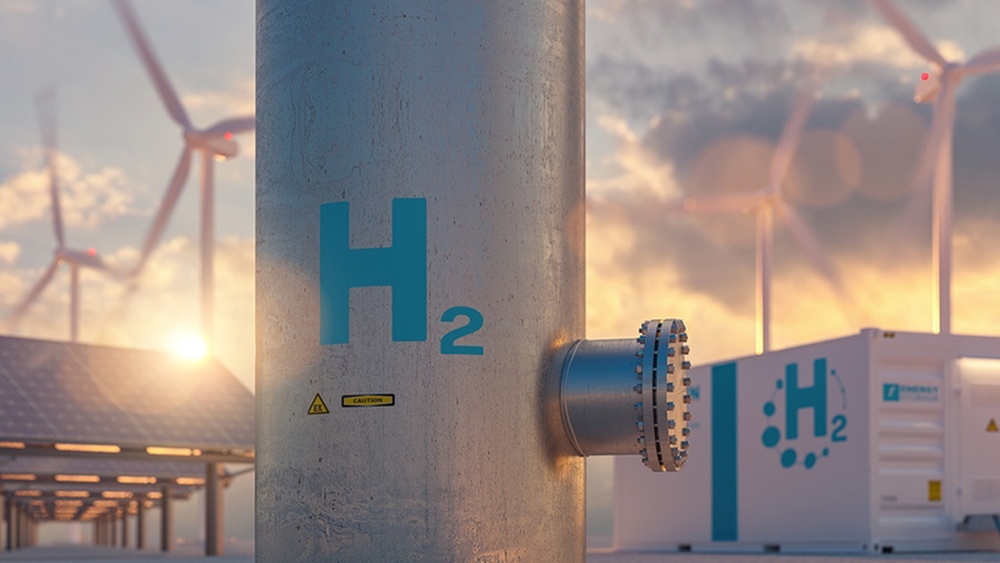
Hydrogen fuel cells offer a clean, efficient alternative to fossil fuels, producing only water as a byproduct. By powering vehicles, industries, and power grids, they play a vital role in reducing harmful emissions and improving air quality worldwide.
Key Takeaways
- Zero tailpipe emissions: Hydrogen fuel cells emit only water vapor, making them ideal for reducing urban air pollution.
- Versatile applications: From cars and buses to backup power systems, fuel cells serve diverse sectors with clean energy.
- High energy efficiency: Fuel cells convert energy more efficiently than internal combustion engines, reducing overall energy waste.
- Supports renewable integration: Green hydrogen, produced using renewable electricity, enables a fully sustainable energy cycle.
- Reduces dependence on fossil fuels: Widespread adoption can significantly cut CO₂, NOₓ, and particulate emissions.
- Challenges remain: Infrastructure, cost, and hydrogen production methods need improvement for mass adoption.
- Policy and innovation drive progress: Government support and technological advances are accelerating real-world deployment.
[FEATURED_IMAGE_PLACEHOLDER]
The Role of Hydrogen Fuel Cells in Reducing Air Pollution
Imagine a city where the air is crisp and clean, where the hum of traffic doesn’t come with a cloud of smog. No more coughing on your morning jog, no more worrying about asthma triggers for your kids. This isn’t a scene from a sci-fi movie—it’s a future that’s slowly becoming possible, thanks to hydrogen fuel cells.
Air pollution is one of the most pressing environmental and public health challenges of our time. According to the World Health Organization, over 90% of the world’s population breathes air that exceeds safe pollution levels. Vehicles, power plants, and industrial processes burn fossil fuels, releasing harmful pollutants like nitrogen oxides (NOₓ), sulfur dioxide (SO₂), carbon monoxide (CO), and fine particulate matter (PM2.5). These pollutants contribute to respiratory diseases, heart conditions, and even premature death.
But what if we could power our world without burning anything at all? Enter hydrogen fuel cells—a quiet, clean, and incredibly efficient technology that’s gaining momentum as a key player in the fight against air pollution. Unlike traditional engines that rely on combustion, hydrogen fuel cells generate electricity through a chemical reaction between hydrogen and oxygen, producing only water and heat as byproducts. No smoke. No fumes. Just clean energy.
This article explores how hydrogen fuel cells are helping to reduce air pollution across multiple sectors—from transportation to energy generation—and why they’re more than just a promising idea. They’re a practical, scalable solution already making a difference in cities, industries, and communities around the globe.
How Hydrogen Fuel Cells Work
Before diving into their environmental benefits, it helps to understand how hydrogen fuel cells actually work. Think of them as silent power plants that fit inside a car, a bus, or even a building.
At the heart of a hydrogen fuel cell is a simple but powerful electrochemical process. Hydrogen gas (H₂) is fed into the anode side of the cell, while oxygen (from the air) enters the cathode side. Inside the cell, a catalyst—usually platinum—splits the hydrogen atoms into protons and electrons. The protons pass through a special membrane (called an electrolyte) to the cathode, while the electrons are forced to travel through an external circuit, creating an electric current. When the protons and electrons reunite at the cathode with oxygen, they form water (H₂O)—pure, clean water vapor that’s released into the air.
This entire process happens without any combustion, which is the key difference from gasoline or diesel engines. No burning means no harmful emissions. The only byproducts are electricity, heat, and water.
There are different types of fuel cells, but the most common for transportation and portable power is the Proton Exchange Membrane (PEM) fuel cell. It operates at relatively low temperatures (around 80°C), starts quickly, and is highly efficient. Other types, like Solid Oxide Fuel Cells (SOFC), are better suited for stationary power generation due to their higher operating temperatures.
One important thing to note: the environmental impact of hydrogen fuel cells depends heavily on how the hydrogen is produced. If hydrogen is made using natural gas (a process called steam methane reforming), it still generates carbon emissions. But when hydrogen is produced using renewable energy—like wind or solar power—through electrolysis (splitting water into hydrogen and oxygen), it’s called “green hydrogen.” This is the cleanest form and the goal for a truly sustainable hydrogen economy.
Hydrogen Fuel Cells in Transportation: A Cleaner Way to Move
Transportation is one of the largest sources of air pollution, especially in urban areas. Cars, trucks, buses, and delivery vehicles spew out pollutants that degrade air quality and contribute to climate change. Hydrogen fuel cells offer a compelling alternative, especially for heavy-duty and long-range vehicles where battery-electric options face limitations.
Hydrogen-Powered Vehicles: From Cars to Trucks
While electric vehicles (EVs) charged by batteries are growing in popularity, they’re not always the best fit for every use case. For example, long-haul trucks, city buses, and delivery fleets need quick refueling and extended range—something hydrogen fuel cells excel at.
Take the Toyota Mirai, one of the first mass-produced hydrogen fuel cell vehicles. It can travel over 400 miles on a single tank and refuels in just 3–5 minutes—similar to a gasoline car. Compare that to many battery EVs, which can take 30 minutes to several hours to recharge, depending on the charger. For commercial fleets that operate around the clock, this efficiency is a game-changer.
In Europe and Asia, hydrogen-powered buses are already on the roads. Cities like London, Tokyo, and Seoul have deployed fuel cell buses that emit zero pollutants at the tailpipe. These buses not only reduce NOₓ and particulate matter but also operate quietly, improving the urban soundscape.
Heavy-Duty and Industrial Applications
Perhaps the most promising area for hydrogen fuel cells is in heavy-duty transportation. Trains, ships, and even forklifts are increasingly using hydrogen to cut emissions.
In Germany, the Coradia iLint—a hydrogen-powered train—has been running since 2018. It emits only steam and condensed water, replacing diesel trains that pollute rural and urban rail lines. Similarly, companies like Nikola and Hyundai are developing hydrogen-powered trucks for freight transport, aiming to decarbonize one of the most polluting sectors.
Even in warehouses, hydrogen fuel cell forklifts are gaining traction. They refuel in minutes, unlike battery-powered forklifts that need downtime to charge. And because they produce no emissions, they improve indoor air quality in enclosed spaces—critical for worker health.
Challenges in Transportation Adoption
Despite the benefits, hydrogen vehicles face hurdles. The biggest is infrastructure. There are far fewer hydrogen refueling stations than EV chargers. As of 2023, the U.S. has around 60 public hydrogen stations, mostly in California. Europe and Japan are further ahead, but global coverage remains sparse.
Cost is another barrier. Fuel cell vehicles are still more expensive than gasoline or battery-electric cars, largely due to the cost of platinum catalysts and hydrogen storage tanks. However, as production scales up and technology improves, prices are expected to fall.
Still, the potential is enormous. With supportive policies and investment, hydrogen could become a cornerstone of clean transportation—especially for applications where batteries fall short.
Stationary Power and Backup Energy: Clean Electricity Where It’s Needed
While transportation grabs headlines, hydrogen fuel cells are also making waves in stationary power applications—providing clean electricity for buildings, data centers, and emergency backup systems.
Powering Homes and Businesses
In Japan, the ENE-FARM project has installed over 400,000 residential fuel cell systems since 2009. These micro-CHP (combined heat and power) units generate electricity and hot water for homes using hydrogen or natural gas. They reduce household carbon emissions by up to 40% compared to grid power and conventional water heaters.
Similarly, in the U.S. and Europe, companies are using fuel cells to power office buildings, hospitals, and schools. For example, the Microsoft data center in Wyoming is testing hydrogen fuel cells as a primary power source, aiming to eliminate diesel generators and reduce emissions.
Backup Power for Critical Infrastructure
Fuel cells are also ideal for backup power. Unlike diesel generators, which emit pollutants and require fuel deliveries, hydrogen fuel cells can provide silent, emission-free power for days.
Telecom towers, for instance, often rely on diesel generators in remote areas. Replacing them with hydrogen fuel cells reduces both emissions and maintenance costs. In disaster scenarios, where air quality is already compromised, clean backup power can be a lifesaver.
Grid Support and Energy Storage
One of the most exciting roles for hydrogen is in energy storage. Renewable sources like wind and solar are intermittent—they don’t produce power when the wind isn’t blowing or the sun isn’t shining. Excess energy can be used to produce green hydrogen via electrolysis. That hydrogen can then be stored and used later in fuel cells to generate electricity when needed.
This creates a clean, flexible energy system. Countries like Australia, Germany, and Canada are investing in large-scale hydrogen storage projects to balance their grids and reduce reliance on fossil fuel peaker plants.
Industrial Applications: Cutting Emissions at the Source
Industries such as steel, cement, and chemicals are among the hardest to decarbonize. They require high-temperature heat and rely heavily on fossil fuels. Hydrogen fuel cells, and hydrogen more broadly, offer a pathway to cleaner industrial processes.
Hydrogen in Steel Production
Traditional steelmaking uses coal to reduce iron ore, releasing massive amounts of CO₂. But “green steel” projects are emerging that use hydrogen instead. In Sweden, the HYBRIT initiative—backed by SSAB, LKAB, and Vattenfall—is producing fossil-free steel using hydrogen from renewable energy. The only byproduct? Water.
This shift could eliminate up to 90% of emissions from steel production, a sector responsible for about 7% of global CO₂ emissions.
Chemical and Refining Industries
Hydrogen is already used in oil refining and chemical manufacturing, but it’s typically produced from natural gas. Transitioning to green hydrogen can drastically cut emissions. Companies like Shell and BP are investing in green hydrogen plants to supply their refineries and reduce their carbon footprint.
High-Temperature Heat Applications
Fuel cells can also provide high-temperature heat for industrial processes. While most PEM fuel cells operate at lower temperatures, SOFCs can reach over 700°C, making them suitable for applications like glass manufacturing and food processing.
By replacing gas burners with fuel cells, industries can reduce both direct emissions and energy waste.
Environmental and Health Benefits of Hydrogen Fuel Cells
The ultimate goal of hydrogen fuel cells isn’t just clean energy—it’s cleaner air and healthier communities. The environmental and public health benefits are substantial and measurable.
Reduction in Harmful Pollutants
Hydrogen fuel cells eliminate several key air pollutants:
– Nitrogen oxides (NOₓ): These contribute to smog, acid rain, and respiratory problems. Fuel cells produce zero NOₓ.
– Particulate matter (PM): Tiny particles that penetrate lungs and bloodstream. No combustion means no PM.
– Carbon monoxide (CO): A toxic gas from incomplete combustion. Fuel cells don’t produce CO.
– Sulfur dioxide (SO₂): Causes acid rain and respiratory issues. Not emitted by fuel cells.
In cities with high traffic, replacing diesel buses and trucks with hydrogen models could significantly improve air quality. A study in Los Angeles estimated that switching to zero-emission buses could prevent over 1,000 premature deaths over 20 years.
Climate Change Mitigation
While air pollution affects health today, climate change is a long-term threat. Hydrogen fuel cells can help reduce greenhouse gas emissions, especially when powered by green hydrogen.
Transportation alone accounts for about 16% of global CO₂ emissions. Widespread adoption of hydrogen vehicles—particularly in freight and aviation—could cut millions of tons of CO₂ annually.
Moreover, hydrogen can replace fossil fuels in sectors where electrification is difficult, such as shipping and heavy industry. The International Energy Agency (IEA) estimates that hydrogen could contribute to a 10% reduction in global CO₂ emissions by 2050.
Water and Land Use Considerations
It’s worth noting that hydrogen production requires water—about 9 liters for every kilogram of hydrogen. However, this is a small fraction compared to the water used in fossil fuel extraction and refining. And when using seawater or wastewater, the impact is even lower.
Land use is another consideration. Electrolyzers and renewable energy farms need space, but they can be installed on rooftops, offshore, or in arid regions, minimizing ecological disruption.
Challenges and the Path Forward
Despite their promise, hydrogen fuel cells aren’t a silver bullet. Several challenges must be addressed for widespread adoption.
Hydrogen Production and Sustainability
Currently, over 95% of hydrogen is produced from fossil fuels—mostly natural gas. This “gray hydrogen” still generates CO₂. To be truly clean, we need a shift to green hydrogen.
Scaling up electrolysis and renewable energy is essential. Countries like Australia, Chile, and Saudi Arabia are investing in massive green hydrogen projects, aiming to export clean fuel globally.
Infrastructure and Cost
Building a hydrogen economy requires new infrastructure: production plants, pipelines, storage facilities, and refueling stations. This demands significant investment.
Costs are also high. Fuel cells are expensive due to materials like platinum. But innovations—such as non-precious metal catalysts and improved manufacturing—are driving prices down. The U.S. Department of Energy aims to reduce the cost of hydrogen to $1 per kilogram by 2031—a goal that would make it competitive with fossil fuels.
Public Awareness and Policy Support
Many people still don’t know what hydrogen fuel cells are, let alone their benefits. Public education and demonstration projects are crucial.
Government policies play a big role. Incentives, subsidies, and regulations can accelerate adoption. The European Union’s Hydrogen Strategy, Japan’s Basic Hydrogen Strategy, and the U.S. Inflation Reduction Act all include support for hydrogen technologies.
Safety and Public Perception
Hydrogen has a reputation for being explosive—thanks in part to the Hindenburg disaster. But modern hydrogen systems are designed with multiple safety features: leak detection, ventilation, and robust storage tanks. In fact, hydrogen disperses quickly in air, making it safer than gasoline in many scenarios.
Public trust will grow as more hydrogen vehicles and stations appear in everyday life.
Conclusion
Hydrogen fuel cells are more than a technological curiosity—they’re a vital tool in the fight against air pollution. By replacing combustion with clean electrochemical reactions, they offer a path to zero-emission transportation, industry, and energy. From city buses to steel mills, their applications are diverse and growing.
The benefits are clear: cleaner air, healthier communities, and a significant reduction in greenhouse gas emissions. But realizing this potential requires commitment—investment in infrastructure, innovation in production, and supportive policies.
The transition won’t happen overnight. But with each hydrogen-powered bus, each green steel plant, and each new fuel cell installation, we move closer to a future where clean air isn’t a luxury—it’s a guarantee.
As individuals, we can support this shift by staying informed, advocating for clean energy policies, and considering zero-emission options in our own lives. The role of hydrogen fuel cells in reducing air pollution isn’t just about technology—it’s about the kind of world we want to live in.
FAQs
Are hydrogen fuel cells really emission-free?
Yes, hydrogen fuel cells produce only water and heat as byproducts when generating electricity. However, the overall environmental impact depends on how the hydrogen is produced. Green hydrogen, made with renewable energy, is truly clean.
How do hydrogen fuel cells compare to battery electric vehicles?
Fuel cells offer faster refueling and longer range, making them ideal for heavy-duty and long-haul transport. Battery EVs are better for short-range, urban use. Both are important for reducing emissions.
Is hydrogen safe to use in vehicles?
Yes. Modern hydrogen systems include multiple safety features like leak sensors and strong storage tanks. Hydrogen disperses quickly, reducing fire risk compared to gasoline.
Can hydrogen fuel cells power homes?
Absolutely. Residential fuel cell systems, like Japan’s ENE-FARM, generate electricity and hot water for homes, reducing energy bills and emissions.
What’s the difference between gray, blue, and green hydrogen?
Gray hydrogen is made from natural gas and emits CO₂. Blue hydrogen captures and stores those emissions. Green hydrogen is produced using renewable energy and is completely clean.
Will hydrogen fuel cells replace fossil fuels entirely?
Not alone, but they’ll play a key role alongside renewables, batteries, and energy efficiency. A mix of clean technologies is needed for a sustainable energy future.
This is a comprehensive guide about The role of hydrogen fuel cells in reducing air pollution.
Key Takeaways
- Understanding The role of hydrogen fuel cells in reducing air pollution: Provides essential knowledge
Frequently Asked Questions
What is The role of hydrogen fuel cells in reducing air pollution?
The role of hydrogen fuel cells in reducing air pollution is an important topic with many practical applications.