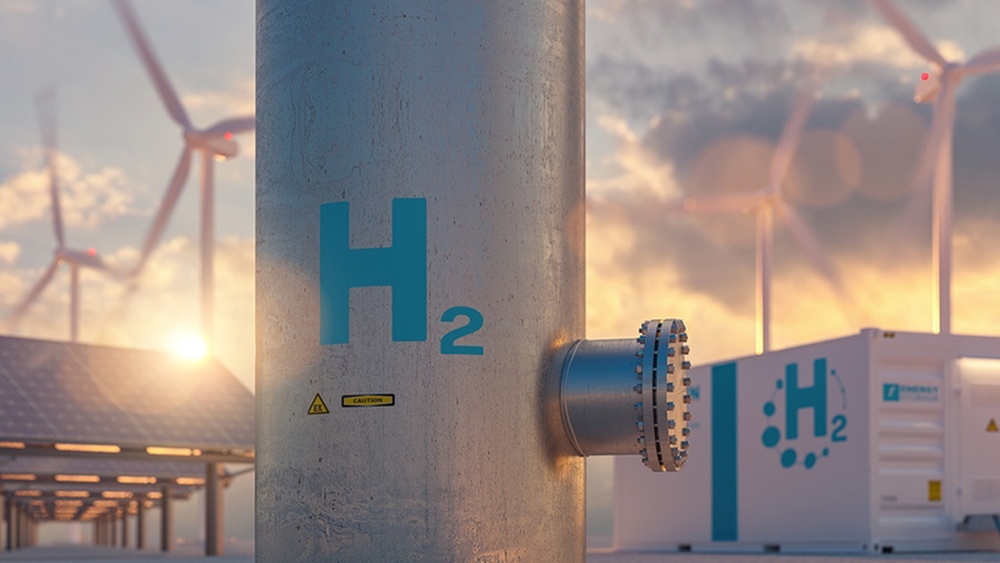
Hydrogen cars use fuel cells to convert hydrogen gas into electricity, powering the vehicle with only water as a byproduct. This innovative technology offers fast refueling and long range, making it a promising alternative to battery-electric vehicles.
Imagine driving a car that emits nothing but clean water vapor from its tailpipe. No smog, no carbon dioxide, no air pollution. Sounds like science fiction, right? But it’s not. This is the reality of hydrogen cars—vehicles powered by one of the most abundant elements in the universe: hydrogen. While electric vehicles (EVs) have grabbed headlines in recent years, hydrogen-powered cars are quietly emerging as a powerful contender in the race toward sustainable transportation.
Hydrogen cars, also known as fuel cell electric vehicles (FCEVs), use a technology that’s both simple and revolutionary. Instead of relying on large, heavy batteries like traditional EVs, they generate electricity on the go through a chemical reaction between hydrogen and oxygen. This process happens inside a device called a fuel cell, which powers an electric motor—just like in a battery EV—but without the need to plug in for hours. The result? A vehicle that drives like an electric car, refuels like a gas car, and leaves behind only water.
But how exactly does this work? And why aren’t hydrogen cars everywhere yet? To understand the full picture, we need to dive into the science behind hydrogen cars—the chemistry, the engineering, the benefits, and the challenges. From how hydrogen is produced and stored to how fuel cells convert it into energy, this article will break down the technology in clear, everyday language. Whether you’re a curious driver, an environmental advocate, or just someone who loves innovation, you’ll come away with a deeper understanding of how hydrogen could reshape the future of transportation.
Key Takeaways
- Hydrogen cars produce zero emissions: The only byproduct is water vapor, making them a clean alternative to gasoline vehicles.
- Fuel cells generate electricity on demand: Unlike batteries, hydrogen fuel cells create power through a chemical reaction, not stored energy.
- Refueling is fast and convenient: Hydrogen cars can be refueled in 3-5 minutes, similar to gasoline vehicles.
- Hydrogen can be produced from renewable sources: Green hydrogen, made using solar or wind power, supports a sustainable energy cycle.
- Challenges remain in infrastructure and cost: Limited refueling stations and high production costs are current barriers to widespread adoption.
- Hydrogen technology benefits heavy transport: Trucks, buses, and trains are ideal candidates due to their high energy demands and long routes.
- Research continues to improve efficiency and safety: Advances in storage, fuel cell durability, and hydrogen production are ongoing.
📑 Table of Contents
How Hydrogen Cars Work: The Basics
At the heart of every hydrogen car is a fuel cell—a compact, efficient device that turns hydrogen into electricity. Think of it as a mini power plant on wheels. Unlike internal combustion engines that burn fuel, fuel cells use a clean chemical reaction to produce energy. This process is called electrochemical conversion, and it’s what makes hydrogen cars so unique.
Inside the fuel cell, hydrogen gas (H₂) is fed into the anode (the negative side), while oxygen (O₂) from the air enters the cathode (the positive side). Between them is a special membrane called a proton exchange membrane (PEM). This membrane allows only positively charged hydrogen ions (protons) to pass through, while blocking electrons. As the protons move across the membrane, the electrons are forced to take a detour through an external circuit—creating an electric current. This current powers the car’s electric motor, just like a battery would.
Meanwhile, the protons that made it through the membrane combine with oxygen and the returning electrons at the cathode, forming water (H₂O)—the only emission. It’s a closed loop: hydrogen in, electricity and water out. No combustion, no pollution.
One of the biggest advantages of this system is efficiency. While gasoline engines convert only about 20–30% of fuel energy into motion, hydrogen fuel cells can reach 60% efficiency—and even higher when waste heat is captured for other uses. Plus, because the electricity is generated on demand, there’s no need for a large, heavy battery pack. This keeps the vehicle lighter and frees up space.
But it’s not just about the fuel cell. A hydrogen car also includes high-pressure tanks to store hydrogen gas, typically at 5,000 to 10,000 psi (pounds per square inch). These tanks are made from advanced composite materials like carbon fiber to ensure safety and durability. The car’s electric motor, power electronics, and control systems work together seamlessly, much like in a battery EV.
For example, the Toyota Mirai and Hyundai NEXO are real-world examples of hydrogen cars already on the road. The Mirai can travel over 400 miles on a single tank and refuels in under five minutes—offering range and convenience that rivals gasoline cars. This makes hydrogen technology especially appealing for long-distance travel or commercial fleets where downtime matters.
The Chemistry of Hydrogen Fuel Cells
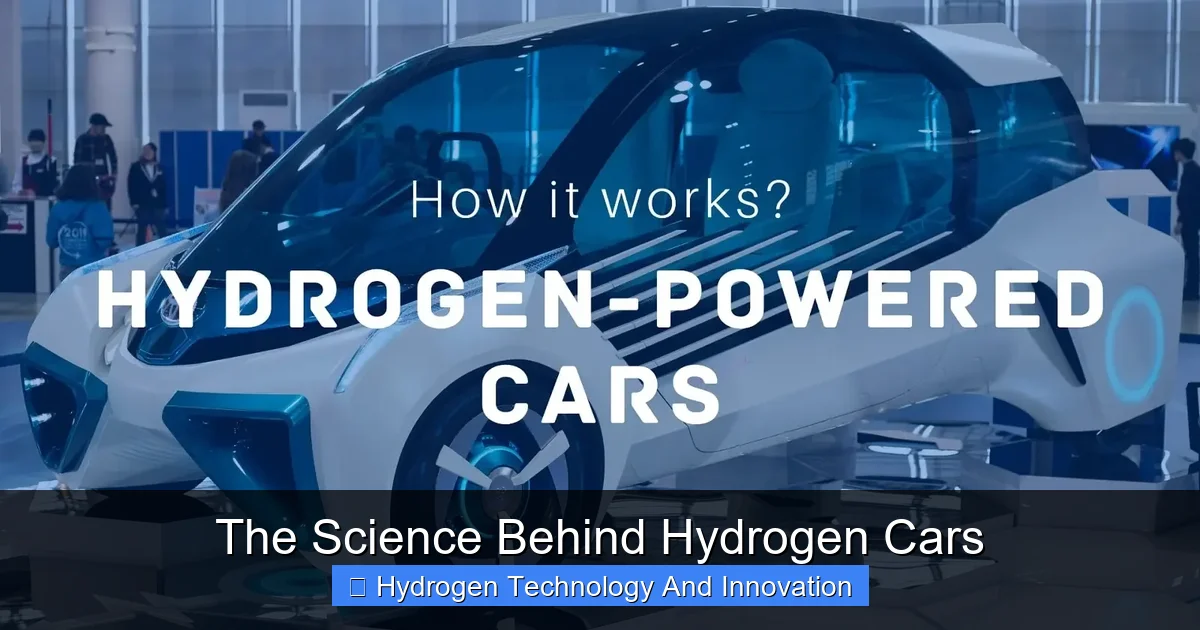
Visual guide about The Science Behind Hydrogen Cars
Image source: i0.wp.com
To truly appreciate how hydrogen cars work, we need to look closer at the chemistry inside the fuel cell. It’s a fascinating process that turns simple elements into clean energy. The key reaction happens in two steps: one at the anode and one at the cathode.
At the anode, hydrogen molecules (H₂) are split into protons (H⁺) and electrons (e⁻) with the help of a catalyst—usually platinum. This is called oxidation. The reaction looks like this:
H₂ → 2H⁺ + 2e⁻
The protons then travel through the proton exchange membrane (PEM) to the cathode. But the electrons can’t pass through the membrane, so they’re forced to flow through an external circuit. This flow of electrons is what we call electricity—and it powers the car’s motor, lights, and other systems.
At the cathode, the protons, electrons, and oxygen from the air combine to form water. This is the reduction reaction:
½O₂ + 2H⁺ + 2e⁻ → H₂O
Together, these two reactions produce electricity, heat, and water—nothing more. No carbon dioxide, no nitrogen oxides, no particulate matter. It’s a clean, quiet, and efficient way to generate power.
The PEM is critical to this process. It’s a thin, polymer-based membrane that’s specially designed to conduct protons while blocking gases and electrons. It must also stay hydrated to work properly, which is why fuel cells often include humidification systems. If the membrane dries out, performance drops. If it gets too wet, it can flood and stop working. Engineers have spent years optimizing this balance.
Catalysts like platinum are essential because they speed up the reactions without being consumed. However, platinum is rare and expensive, which is one reason why fuel cells have been costly. Researchers are now developing alternatives, such as platinum alloys or non-precious metal catalysts, to reduce costs and improve sustainability.
Another important factor is temperature. Most hydrogen fuel cells operate at around 60–80°C (140–176°F), which is relatively low compared to other fuel cell types. This makes them ideal for vehicles because they can start quickly and respond well to changes in power demand. However, they do produce waste heat, which can be used to warm the cabin in cold weather—adding to their overall efficiency.
Understanding this chemistry helps explain why hydrogen cars are so clean and efficient. It’s not magic—it’s science. And with ongoing research, the process is becoming even more refined, paving the way for broader adoption.
Hydrogen Production: Where Does the Fuel Come From?
One of the biggest questions about hydrogen cars is: where does the hydrogen come from? After all, hydrogen doesn’t exist freely in nature—it’s always bonded to other elements, like in water (H₂O) or methane (CH₄). So, we have to extract it. And how we do that makes a huge difference in whether hydrogen is truly clean.
Currently, most hydrogen is produced through a process called steam methane reforming (SMR). This method uses natural gas (mostly methane) and high-temperature steam to release hydrogen. The reaction looks like this:
CH₄ + H₂O → CO + 3H₂
While this process is efficient and widely used, it also produces carbon monoxide and carbon dioxide as byproducts. In fact, about 95% of the world’s hydrogen today comes from fossil fuels, making it what’s known as “gray hydrogen.” This undermines the environmental benefits of hydrogen cars, since the production phase still contributes to greenhouse gas emissions.
But there’s a cleaner alternative: green hydrogen. This is hydrogen produced using renewable energy sources like solar, wind, or hydropower. The most common method is electrolysis, which splits water (H₂O) into hydrogen and oxygen using electricity. The reaction is simple:
2H₂O → 2H₂ + O₂
When the electricity comes from renewables, the entire process is carbon-free. No fossil fuels, no emissions. This makes green hydrogen the ideal fuel for a sustainable future. Countries like Germany, Japan, and Australia are investing heavily in green hydrogen projects, aiming to scale up production and bring costs down.
There’s also “blue hydrogen,” which uses SMR but captures and stores the CO₂ emissions underground. While not as clean as green hydrogen, it’s a step in the right direction and could serve as a transitional solution.
The challenge is that green hydrogen is still more expensive than gray or blue hydrogen. Electrolyzers require significant upfront investment, and renewable energy isn’t always available 24/7. But as solar and wind power become cheaper and more widespread, the cost of green hydrogen is expected to drop. Experts predict it could become competitive with fossil-based hydrogen within the next decade.
For hydrogen cars to be truly sustainable, the entire supply chain must be clean—from production to delivery. That means building more renewable-powered electrolysis plants, expanding hydrogen pipelines, and developing efficient storage and transport methods. It’s a big task, but one that’s essential for a zero-emission future.
Storage and Safety: Keeping Hydrogen Secure
Hydrogen is the smallest and lightest element, which makes it incredibly useful—but also challenging to store and handle. Because it’s so light, it takes up a lot of space as a gas. To fit enough hydrogen into a car for a reasonable range, it must be compressed or cooled into a liquid.
Most hydrogen cars use compressed gas storage. The hydrogen is pressurized to 5,000 or even 10,000 psi and stored in strong, lightweight tanks made of carbon fiber and polymer liners. These tanks are designed to withstand extreme conditions, including crashes and fires. In fact, they’re tested to ensure they won’t rupture even under high impact or intense heat.
Liquid hydrogen is another option, but it must be kept at cryogenic temperatures (-253°C or -423°F). This requires heavily insulated tanks and constant cooling, which adds complexity and energy use. For now, compressed gas is the preferred method for passenger vehicles because it’s simpler and more practical.
Safety is a major concern with any fuel, and hydrogen has unique properties. It’s highly flammable and can ignite at low concentrations in air (just 4%). But it’s also much lighter than air, so if a leak occurs, the gas rises and disperses quickly—unlike gasoline fumes, which pool near the ground. This reduces the risk of explosion in open areas.
Modern hydrogen cars are equipped with multiple safety features. Sensors detect leaks and automatically shut off the fuel supply. Ventilation systems prevent gas buildup. And the tanks are designed to release hydrogen safely in a controlled manner if pressure gets too high.
In real-world tests, hydrogen cars have performed well in crash scenarios. The Toyota Mirai, for example, has earned top safety ratings from organizations like the National Highway Traffic Safety Administration (NHTSA). Engineers have worked hard to ensure that hydrogen vehicles are as safe—or safer—than conventional cars.
Another challenge is infrastructure. Unlike gasoline stations, hydrogen refueling stations are still rare. As of 2024, there are fewer than 100 public hydrogen stations in the U.S., mostly in California. Building a nationwide network will require significant investment and coordination between governments, automakers, and energy companies.
But progress is being made. Companies like Shell, Air Liquide, and Nikola are expanding hydrogen refueling networks. In Europe and Asia, countries are investing in hydrogen highways—corridors with multiple stations to support long-distance travel. With continued support, hydrogen infrastructure could grow rapidly in the coming years.
Advantages and Challenges of Hydrogen Cars
Hydrogen cars offer several compelling advantages, but they also face real challenges that have slowed their adoption. Let’s look at both sides of the coin.
One of the biggest benefits is zero emissions. Since the only byproduct is water, hydrogen cars don’t contribute to air pollution or climate change—provided the hydrogen is produced cleanly. This makes them ideal for cities struggling with smog and poor air quality.
Another advantage is fast refueling. While battery EVs can take 30 minutes to several hours to recharge, hydrogen cars can be refueled in 3 to 5 minutes—just like gasoline vehicles. This is a huge plus for drivers who need quick turnarounds, such as taxi fleets or delivery services.
Hydrogen cars also offer long range. Most models can travel 300 to 400 miles on a single tank, which is comparable to many gasoline cars and exceeds the range of many EVs. This makes them suitable for long road trips without frequent stops.
Additionally, hydrogen technology is well-suited for heavy-duty applications. Trucks, buses, and trains require a lot of energy, and batteries can be too heavy and slow to charge. Hydrogen fuel cells provide a lighter, faster alternative. For example, companies like Hyundai and Toyota are developing hydrogen-powered trucks for freight transport.
However, there are significant challenges. The biggest is infrastructure. With so few hydrogen stations, most drivers can’t rely on them for daily use. Building a nationwide network will take time and money.
Cost is another barrier. Hydrogen cars are currently more expensive than both gasoline and electric vehicles. The Toyota Mirai, for instance, starts around $50,000—before incentives. Fuel cells, storage tanks, and hydrogen production are all costly, though prices are expected to fall as technology improves and production scales up.
Energy efficiency is also a concern. When you account for the entire process—from producing hydrogen to converting it back into electricity—hydrogen cars are less efficient than battery EVs. It takes about three times more energy to power a hydrogen car than a battery EV over the same distance. This means we need more renewable energy to make hydrogen cars truly sustainable.
Finally, public awareness is low. Many people don’t know how hydrogen cars work or believe they’re unsafe. Education and demonstration projects are needed to build trust and familiarity.
Despite these challenges, hydrogen cars have a bright future—especially in niches where batteries fall short. With continued innovation and investment, they could play a key role in a clean transportation ecosystem.
The Future of Hydrogen in Transportation
The future of hydrogen cars isn’t just about passenger vehicles. It’s about transforming entire sectors of transportation. While battery EVs dominate the passenger car market, hydrogen is gaining traction in areas where batteries struggle: heavy transport, aviation, and shipping.
Long-haul trucks, for example, need high energy density and quick refueling—exactly what hydrogen provides. Companies like Nikola and Daimler are developing hydrogen-powered semis that can travel over 500 miles on a single tank. These trucks could reduce emissions from freight transport, which accounts for a significant portion of global CO₂ output.
Buses are another promising application. Cities like London, Tokyo, and Shanghai are testing hydrogen buses for public transit. They offer zero emissions, quiet operation, and fast refueling—making them ideal for urban environments.
Even aviation is exploring hydrogen. Airbus has announced plans to develop hydrogen-powered aircraft by 2035. While technical challenges remain, hydrogen’s high energy content makes it a strong candidate for short- and medium-haul flights.
Shipping is also looking to hydrogen. Large cargo ships currently run on heavy fuel oil, a major source of pollution. Hydrogen fuel cells or hydrogen-derived fuels like ammonia could offer a cleaner alternative.
On the passenger side, automakers are continuing to refine hydrogen technology. Toyota, Hyundai, and Honda remain committed to FCEVs, with newer models offering improved efficiency, range, and affordability. As green hydrogen becomes more available, the environmental case for hydrogen cars will only grow stronger.
Governments are also stepping up. The U.S., EU, Japan, and South Korea have launched national hydrogen strategies, investing billions in research, infrastructure, and incentives. These efforts aim to create a hydrogen economy—where hydrogen is used not just for transport, but also for industry, heating, and energy storage.
The road ahead won’t be easy. But with innovation, collaboration, and public support, hydrogen could become a cornerstone of sustainable transportation. It won’t replace batteries—but it will complement them, offering a diverse, resilient energy future.
Conclusion
Hydrogen cars represent a bold step toward a cleaner, more sustainable future. By converting hydrogen into electricity through fuel cells, they offer zero-emission driving with the convenience of fast refueling and long range. The science behind them is elegant: a simple chemical reaction that produces only water. While challenges remain—especially in infrastructure, cost, and production—the potential is enormous.
As renewable energy grows and technology advances, hydrogen could play a vital role in decarbonizing transportation, especially in sectors where batteries fall short. From passenger cars to trucks, buses, and beyond, hydrogen is more than a niche technology—it’s a key piece of the clean energy puzzle.
The journey is just beginning. But with every mile driven, every station built, and every innovation made, we’re getting closer to a world where clean, hydrogen-powered transportation is the norm. The science is sound. The future is bright.
Frequently Asked Questions
How do hydrogen cars produce electricity?
Hydrogen cars use fuel cells to convert hydrogen gas and oxygen into electricity through a chemical reaction. The process produces only water and heat as byproducts, powering an electric motor without combustion.
Are hydrogen cars safe?
Yes, hydrogen cars are designed with multiple safety features, including leak detection, automatic shutoffs, and strong storage tanks. Hydrogen disperses quickly if leaked, reducing explosion risks.
How long does it take to refuel a hydrogen car?
Refueling a hydrogen car takes about 3 to 5 minutes, similar to gasoline vehicles—much faster than charging a battery electric car.
Where does the hydrogen for these cars come from?
Most hydrogen is currently produced from natural gas, but green hydrogen—made using renewable energy and water electrolysis—is the cleanest and most sustainable option.
Why aren’t hydrogen cars more common?
Limited refueling infrastructure, high production costs, and lower energy efficiency compared to battery EVs have slowed adoption, though progress is being made.
Can hydrogen cars help fight climate change?
Yes, especially if the hydrogen is produced using renewable energy. They emit no greenhouse gases during operation and can reduce reliance on fossil fuels.