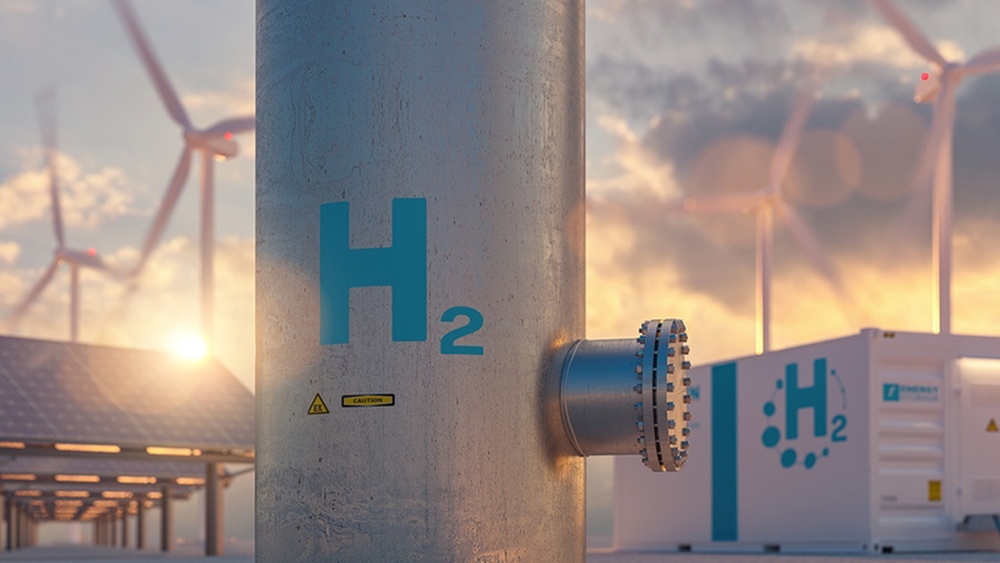
Hydrogen fuel cells are a game-changer in sustainable energy. They produce electricity through a clean chemical reaction, emitting only water and heat—no harmful pollutants. When powered by green hydrogen from renewable sources, they offer a truly carbon-free energy solution for transportation, industry, and beyond.
Key Takeaways
- Zero harmful emissions: Hydrogen fuel cells emit only water vapor and warm air, making them one of the cleanest energy technologies available.
- Renewable hydrogen production: When hydrogen is produced using solar, wind, or hydropower, the entire energy cycle becomes sustainable and carbon-neutral.
- High energy efficiency: Fuel cells convert chemical energy to electricity more efficiently than combustion engines, reducing energy waste.
- Versatile applications: From cars and buses to backup power systems and industrial machinery, hydrogen fuel cells can power a wide range of sectors.
- Energy storage potential: Excess renewable energy can be stored as hydrogen, helping balance supply and demand on the grid.
- Reduced dependence on fossil fuels: Widespread adoption of hydrogen fuel cells can decrease reliance on oil, coal, and natural gas.
- Scalable and modular: Fuel cell systems can be scaled from small portable units to large power plants, offering flexibility for different needs.
📑 Table of Contents
What Makes Hydrogen Fuel Cells Sustainable?
Imagine a world where vehicles run quietly, emit nothing but water, and refuel in minutes—no smog, no oil spills, no carbon footprint. That’s not science fiction. It’s the promise of hydrogen fuel cells. These innovative devices are quietly reshaping how we think about clean energy, offering a sustainable alternative to fossil fuels across transportation, industry, and power generation.
But what exactly makes hydrogen fuel cells sustainable? At first glance, they might seem like just another energy gadget. But dig a little deeper, and you’ll find a technology rooted in clean chemistry, renewable integration, and long-term environmental benefits. Unlike gasoline engines that burn fuel and release carbon dioxide, hydrogen fuel cells generate electricity through an electrochemical reaction—clean, quiet, and efficient. The only byproducts? Water and a bit of heat. No soot, no nitrogen oxides, no greenhouse gases.
The real magic happens when hydrogen is produced using renewable energy. When solar panels or wind turbines power the process of splitting water into hydrogen and oxygen—a method called electrolysis—the resulting “green hydrogen” creates a fully sustainable energy loop. This means the entire lifecycle—from production to use—can be carbon-free. As the world races to meet climate goals, hydrogen fuel cells are emerging as a key player in the clean energy transition.
How Hydrogen Fuel Cells Work
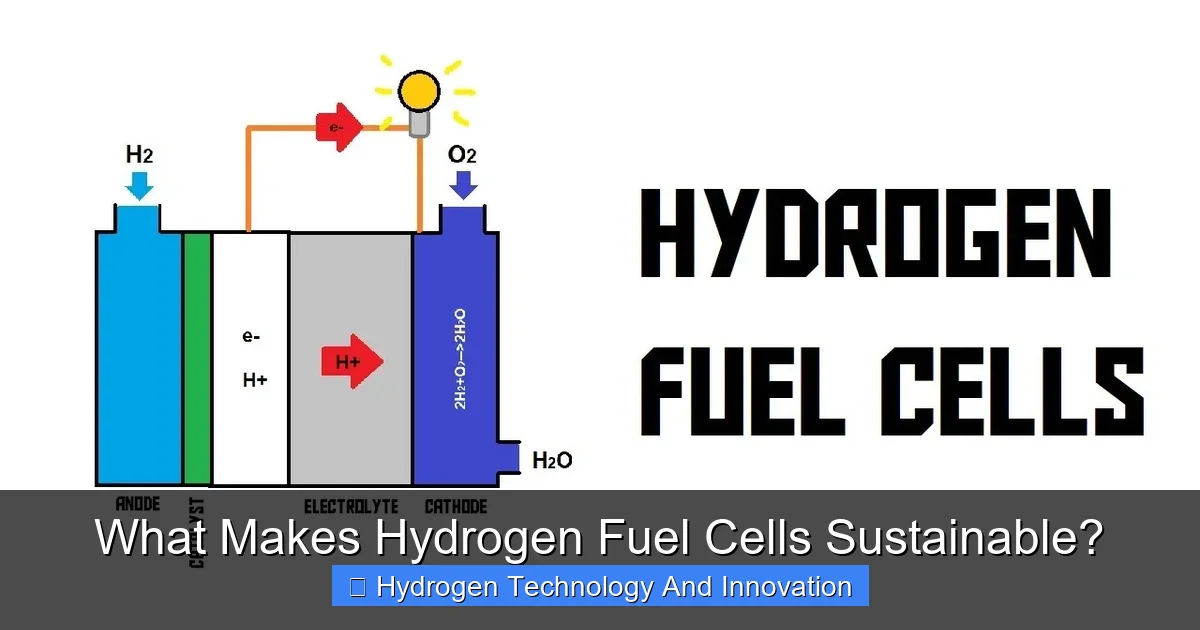
Visual guide about What Makes Hydrogen Fuel Cells Sustainable?
Image source: i.ytimg.com
To understand why hydrogen fuel cells are sustainable, it helps to know how they work. At their core, fuel cells are like batteries that never run out—as long as they have a steady supply of hydrogen and oxygen. But unlike traditional batteries, they don’t store energy chemically. Instead, they convert it on demand.
The Basic Chemistry Behind Fuel Cells
A hydrogen fuel cell consists of two electrodes—an anode and a cathode—sandwiched around an electrolyte. Hydrogen gas is fed into the anode, where a catalyst (usually platinum) splits the hydrogen molecules into protons and electrons. The protons pass through the electrolyte to the cathode, while the electrons are forced to travel through an external circuit, creating an electric current. At the cathode, the electrons reunite with the protons and oxygen from the air, forming water as the only emission.
This process is called an electrochemical reaction, and it’s incredibly efficient. While internal combustion engines waste over 60% of their energy as heat, fuel cells can convert 40–60% of the energy in hydrogen directly into electricity—and even more when waste heat is captured for heating buildings or water.
Types of Fuel Cells and Their Uses
Not all fuel cells are the same. Different types are optimized for specific applications, from small portable devices to massive power plants. The most common type used in vehicles and backup power is the Proton Exchange Membrane (PEM) fuel cell. It operates at relatively low temperatures (around 80°C), starts quickly, and is compact—perfect for cars and buses.
Other types include Solid Oxide Fuel Cells (SOFCs), which run at high temperatures and are ideal for stationary power generation, and Alkaline Fuel Cells (AFCs), used in space missions like the Apollo program. Each type has its strengths, but all share the same core principle: clean, efficient energy conversion.
Real-World Examples in Action
You might be surprised to learn that hydrogen fuel cells are already in use today. Toyota’s Mirai and Hyundai’s NEXO are hydrogen-powered cars available in select markets like California and South Korea. These vehicles can travel over 300 miles on a single tank and refuel in under five minutes—offering the convenience of gasoline cars without the emissions.
Public transit is another growing area. Cities like London, Tokyo, and Hamburg have hydrogen-powered buses on their streets. These buses produce zero local emissions, improving air quality in urban areas. In Japan, the government is even promoting “hydrogen neighborhoods” where homes and businesses are powered by fuel cells.
Zero Emissions: The Cleanest Energy Output
One of the most compelling reasons hydrogen fuel cells are sustainable is their environmental impact—or lack thereof. When it comes to emissions, they’re hard to beat.
Only Water and Heat as Byproducts
Unlike fossil fuel combustion, which releases carbon dioxide, nitrogen oxides, and particulate matter, hydrogen fuel cells produce only water vapor and a small amount of heat. This means no air pollution, no smog, and no contribution to climate change during operation. For cities struggling with poor air quality, this is a game-changer.
Imagine replacing diesel buses with hydrogen-powered ones. The reduction in soot and nitrogen oxides would lead to fewer respiratory illnesses and cleaner skies. In fact, studies show that widespread adoption of hydrogen vehicles could prevent thousands of premature deaths annually in heavily polluted cities.
Comparing Emissions to Other Technologies
Let’s put this in perspective. A typical gasoline car emits about 4.6 metric tons of CO2 per year. An electric vehicle (EV) charged with renewable energy emits nearly zero. But what about a hydrogen car?
If the hydrogen is produced using fossil fuels—like steam methane reforming—then emissions are higher. But when green hydrogen is used (made with renewable electricity), the lifecycle emissions drop dramatically. According to the International Energy Agency (IEA), green hydrogen fuel cells can reduce greenhouse gas emissions by up to 90% compared to gasoline engines.
Even when compared to battery EVs, hydrogen has advantages in certain scenarios. For long-haul trucks, ships, and airplanes, batteries are too heavy and take too long to charge. Hydrogen fuel cells offer a lighter, faster-refueling alternative with similar zero-emission benefits.
Indoor and Sensitive Environment Use
Because they emit no harmful gases, hydrogen fuel cells are safe to use indoors and in sensitive environments. Forklifts in warehouses, backup power systems in hospitals, and portable generators in remote areas all benefit from this clean operation. No need for ventilation systems or exhaust fans—just quiet, reliable power.
Renewable Hydrogen Production: The Green Link
The sustainability of hydrogen fuel cells hinges on how the hydrogen is made. Not all hydrogen is created equal. In fact, the color of hydrogen tells you a lot about its environmental impact.
Green, Blue, and Gray Hydrogen Explained
Hydrogen is often labeled by color based on its production method:
– Gray hydrogen is made from natural gas using steam methane reforming. It’s the most common method today but releases CO2.
– Blue hydrogen uses the same process but captures and stores the CO2 emissions, reducing its carbon footprint.
– Green hydrogen is produced by electrolysis—splitting water into hydrogen and oxygen—using renewable electricity from wind, solar, or hydropower. This is the only truly sustainable option.
For hydrogen fuel cells to be fully sustainable, they must be powered by green hydrogen. Fortunately, the cost of renewable energy is falling fast. Solar and wind power are now cheaper than fossil fuels in many parts of the world, making green hydrogen increasingly viable.
Electrolysis: Turning Water into Fuel
Electrolysis is the key to green hydrogen. It uses electricity to split water (H2O) into hydrogen (H2) and oxygen (O2). The hydrogen is then stored and used in fuel cells. When the electricity comes from renewables, the process is carbon-free.
Modern electrolyzers are becoming more efficient and affordable. Companies like ITM Power and Nel Hydrogen are scaling up production, and governments are investing heavily in green hydrogen projects. The European Union, for example, has launched the European Hydrogen Strategy, aiming to install 40 gigawatts of electrolyzers by 2030.
Case Study: Iceland’s Geothermal-Powered Hydrogen
Iceland is a pioneer in renewable hydrogen. With abundant geothermal and hydroelectric power, the country produces nearly 100% of its electricity from renewables. Companies like Icelandic New Energy are using this clean power to produce green hydrogen for transportation and industry. Their goal? To make Iceland a model for a hydrogen-based economy.
Energy Efficiency and Resource Use
Sustainability isn’t just about emissions—it’s also about using resources wisely. Hydrogen fuel cells score high on efficiency and responsible resource management.
Higher Efficiency Than Combustion Engines
One of the biggest inefficiencies in traditional energy systems is waste heat. Internal combustion engines lose up to 70% of their energy as heat. Fuel cells, by contrast, convert chemical energy directly into electricity with far less waste.
In transportation, hydrogen fuel cell vehicles (FCEVs) are about 2–3 times more efficient than gasoline cars. Even when accounting for energy losses in hydrogen production and distribution, FCEVs still outperform conventional vehicles in overall energy use.
Using Abundant and Recyclable Materials
Hydrogen is the most abundant element in the universe. While we can’t mine it directly, it’s found in water, biomass, and hydrocarbons. Water is especially promising—every molecule of H2O contains two hydrogen atoms.
As for materials, fuel cells use catalysts like platinum, which is rare and expensive. But researchers are developing alternatives, such as iron- or cobalt-based catalysts, to reduce reliance on precious metals. Additionally, fuel cell components can be recycled, minimizing waste.
Energy Storage and Grid Stability
One of the biggest challenges with renewable energy is intermittency. The sun doesn’t always shine, and the wind doesn’t always blow. Hydrogen fuel cells help solve this by storing excess energy.
During periods of low demand, renewable electricity can power electrolyzers to produce hydrogen. This hydrogen is stored and later used in fuel cells to generate electricity when needed. This turns hydrogen into a form of long-term energy storage—something batteries struggle with.
Countries like Germany and Australia are already testing hydrogen-based grid storage. In South Australia, the Hydrogen Utility (H2U) project uses solar power to produce hydrogen, which is then used to generate electricity during peak demand.
Versatility Across Industries
Hydrogen fuel cells aren’t just for cars. Their flexibility makes them ideal for a wide range of applications, from tiny sensors to massive power plants.
Transportation: Cars, Trucks, and Beyond
While passenger cars get the most attention, hydrogen’s real potential lies in heavy transport. Trucks, ships, and airplanes need high energy density and quick refueling—something batteries can’t easily provide.
Companies like Nikola and Daimler are developing hydrogen-powered trucks for long-haul freight. In maritime shipping, the Norwegian company Norled operates hydrogen ferries, and Airbus is working on hydrogen-powered aircraft for 2035.
Industrial and Backup Power
Industries like steel, chemicals, and refining are hard to decarbonize. Hydrogen fuel cells can provide clean heat and power for these sectors. In data centers and hospitals, fuel cells serve as reliable backup power—quiet, emissions-free, and always ready.
Residential and Portable Use
In Japan and South Korea, residential fuel cell systems called “Ene-Farm” units provide electricity and hot water to homes. These systems reduce household carbon emissions by up to 40%. Portable fuel cells are also used in remote areas, disaster relief, and military operations.
Challenges and the Path Forward
Despite their promise, hydrogen fuel cells face hurdles. Cost, infrastructure, and public awareness are the biggest barriers.
High Production and Infrastructure Costs
Green hydrogen is still more expensive than gray hydrogen. Electrolyzers, storage tanks, and fueling stations require significant investment. But as technology improves and scale increases, costs are falling. The U.S. Department of Energy aims to reduce the cost of green hydrogen to $1 per kilogram by 2030—making it competitive with fossil fuels.
Building a Hydrogen Economy
For hydrogen fuel cells to thrive, we need a complete ecosystem: production facilities, pipelines, refueling stations, and trained technicians. Governments and private companies are working together to build this infrastructure. California, for example, has over 50 hydrogen refueling stations and plans for 200 by 2025.
Public Education and Policy Support
Many people still don’t know what hydrogen fuel cells are—or why they matter. Public education campaigns and supportive policies are essential. Tax incentives, research funding, and emissions regulations can accelerate adoption.
Conclusion
Hydrogen fuel cells are more than just a clean energy option—they’re a cornerstone of a sustainable future. By producing electricity with zero harmful emissions, leveraging renewable energy, and offering unmatched versatility, they address some of the biggest challenges of our time: climate change, air pollution, and energy security.
When powered by green hydrogen, fuel cells create a truly circular, carbon-free energy system. From cars to cargo ships, from homes to hospitals, their applications are vast and growing. While challenges remain, the momentum is undeniable. With continued innovation, investment, and public support, hydrogen fuel cells can help us build a cleaner, healthier, and more sustainable world.
The future isn’t just electric—it’s hydrogen-powered.
Frequently Asked Questions
Are hydrogen fuel cells really emission-free?
Yes, during operation, hydrogen fuel cells emit only water vapor and heat—no carbon dioxide or pollutants. However, the sustainability depends on how the hydrogen is produced. When made with renewable energy (green hydrogen), the entire process is emission-free.
How is hydrogen produced sustainably?
Sustainable hydrogen is produced through electrolysis, using electricity from renewable sources like wind, solar, or hydropower to split water into hydrogen and oxygen. This method, known as green hydrogen production, creates no greenhouse gas emissions.
Can hydrogen fuel cells power large vehicles like trucks and ships?
Absolutely. Hydrogen fuel cells are ideal for heavy-duty transport because they offer high energy density and fast refueling—advantages over battery-electric systems for long-haul trucks, ships, and even airplanes.
Are hydrogen fuel cells safe?
Yes, hydrogen fuel cells are safe when handled properly. Hydrogen is lighter than air and disperses quickly if leaked. Modern fuel cell systems include multiple safety features, and hydrogen vehicles undergo rigorous testing to meet safety standards.
How efficient are hydrogen fuel cells compared to gasoline engines?
Hydrogen fuel cells are significantly more efficient. While gasoline engines convert only 20–30% of fuel energy into motion, fuel cells can achieve 40–60% efficiency—and even higher when waste heat is used for heating.
What countries are leading in hydrogen fuel cell technology?
Japan, South Korea, Germany, and the United States are global leaders. Japan’s Ene-Farm program, South Korea’s hydrogen roadmap, and Germany’s hydrogen strategy are driving innovation and infrastructure development worldwide.