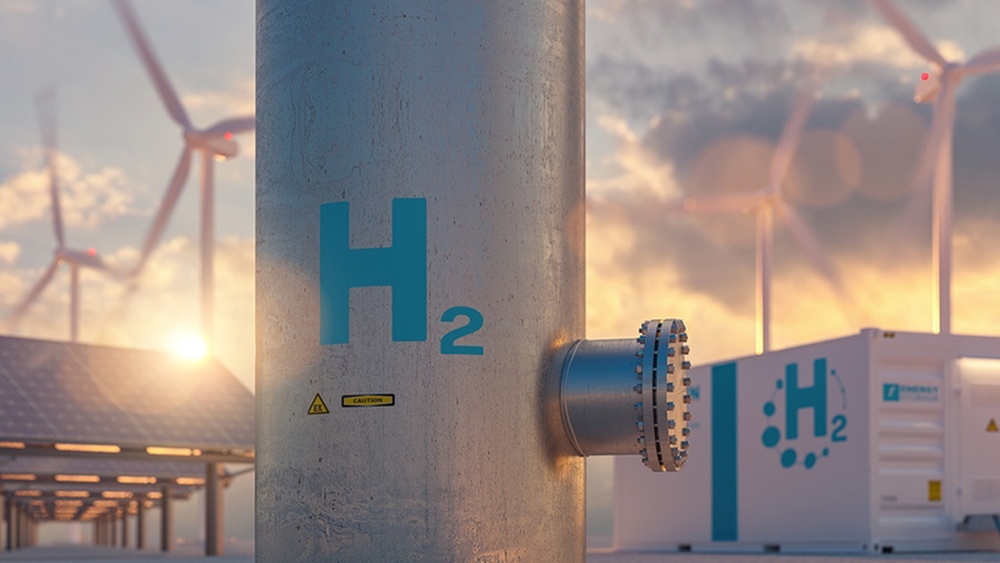
Hydrogen cars are emerging as a promising zero-emission alternative in the transportation sector, especially for long-haul and heavy-duty applications. While battery electric vehicles dominate passenger markets, hydrogen fuel cell technology offers faster refueling and greater range, making it ideal for trucks, buses, and fleet operations.
Key Takeaways
- Hydrogen cars produce zero tailpipe emissions: They only emit water vapor, making them a clean alternative to gasoline and diesel vehicles.
- Ideal for long-range and heavy-duty transport: Hydrogen’s high energy density supports longer trips and heavier loads without frequent refueling.
- Refueling is fast—similar to gasoline: Unlike electric vehicles, hydrogen cars can be refueled in 3–5 minutes, improving efficiency for commercial use.
- Infrastructure remains a major challenge: Limited hydrogen refueling stations restrict widespread adoption, especially in rural areas.
- Green hydrogen is key to sustainability: When produced using renewable energy, hydrogen becomes a truly clean fuel source.
- Government and industry investment is growing: Countries like Japan, Germany, and South Korea are leading the push for hydrogen mobility.
- Complementary to battery electric vehicles: Hydrogen and EVs will likely coexist, each serving different transportation needs.
📑 Table of Contents
- What Role Will Hydrogen Cars Play in the Transportation Sector?
- How Hydrogen Cars Work: The Science Behind the Hype
- Advantages of Hydrogen Cars in Transportation
- Challenges Facing Hydrogen Car Adoption
- Hydrogen Cars in Heavy-Duty and Commercial Transportation
- The Global Push for Hydrogen Mobility
- The Future of Hydrogen Cars: A Complementary Role
- Conclusion
What Role Will Hydrogen Cars Play in the Transportation Sector?
Imagine a world where vehicles glide silently down the highway, leaving behind nothing but a faint trail of water vapor. No smog, no engine noise, and no reliance on fossil fuels. This isn’t science fiction—it’s the promise of hydrogen-powered transportation. As the global community races to cut carbon emissions and combat climate change, hydrogen cars are stepping into the spotlight as a potential game-changer in the mobility revolution.
But what exactly are hydrogen cars, and how do they fit into the broader transportation landscape? Unlike traditional gasoline-powered vehicles or even battery electric vehicles (EVs), hydrogen cars use fuel cells to generate electricity on board. They combine hydrogen stored in high-pressure tanks with oxygen from the air, producing electricity that powers an electric motor. The only byproduct? Pure water. This clean energy process positions hydrogen cars as a compelling alternative, especially in sectors where battery limitations pose challenges.
While electric vehicles have made remarkable strides in recent years—thanks to advances in battery technology and growing charging infrastructure—they still face hurdles in certain applications. Long-haul trucking, public transit, and aviation demand high energy density and quick refueling, areas where hydrogen holds a distinct advantage. As a result, hydrogen cars aren’t here to replace EVs but to complement them, filling critical gaps in the transportation ecosystem.
How Hydrogen Cars Work: The Science Behind the Hype

Visual guide about What Role Will Hydrogen Cars Play in the Transportation Sector?
Image source: thumbs.dreamstime.com
To understand the role hydrogen cars will play, it helps to know how they actually work. At the heart of every hydrogen vehicle is a fuel cell stack—a series of electrochemical cells that convert hydrogen and oxygen into electricity, heat, and water. This process, known as a fuel cell reaction, is clean, quiet, and highly efficient.
The Fuel Cell Process
When hydrogen gas is fed into the anode side of the fuel cell, a catalyst—usually platinum—splits the hydrogen molecules into protons and electrons. The protons pass through a membrane to the cathode, while the electrons are forced through an external circuit, creating an electric current. This current powers the vehicle’s motor. At the cathode, the protons, electrons, and oxygen from the air combine to form water, which is expelled as vapor.
This entire process happens silently and without combustion, meaning no greenhouse gases are emitted during operation. It’s a closed-loop system that mimics the cleanliness of solar or wind power but with the convenience of a refillable fuel tank.
Hydrogen Storage and Delivery
One of the key innovations enabling hydrogen cars is high-pressure storage. Most hydrogen vehicles store compressed hydrogen gas in carbon-fiber-reinforced tanks at pressures up to 700 bar (about 10,000 psi). These tanks are lightweight, durable, and designed to withstand extreme conditions, including crashes.
Refueling a hydrogen car is remarkably similar to filling up a gas-powered vehicle. Drivers pull up to a hydrogen dispenser, connect the nozzle, and in just 3 to 5 minutes, the tank is full. This is a stark contrast to battery EVs, which can take 30 minutes to several hours to recharge, depending on the charger type.
For example, the Toyota Mirai, one of the most well-known hydrogen cars, can travel over 400 miles on a single tank and refuels in under five minutes. That kind of convenience is hard to beat, especially for commercial fleets that can’t afford long downtimes.
Efficiency and Energy Use
While hydrogen cars are clean at the tailpipe, their overall efficiency depends heavily on how the hydrogen is produced. Currently, most hydrogen is made from natural gas through a process called steam methane reforming, which releases carbon dioxide. This “gray hydrogen” undermines the environmental benefits.
However, “green hydrogen”—produced by splitting water using renewable electricity—offers a truly sustainable path. When powered by wind, solar, or hydropower, green hydrogen has a near-zero carbon footprint. As renewable energy becomes cheaper and more widespread, green hydrogen production is expected to grow, making hydrogen cars increasingly eco-friendly.
Advantages of Hydrogen Cars in Transportation
Hydrogen cars bring several unique benefits to the transportation sector, especially when compared to both internal combustion engines and battery electric vehicles.
Zero Tailpipe Emissions
The most obvious advantage is environmental: hydrogen cars emit only water vapor. This makes them ideal for reducing urban air pollution and meeting strict emissions regulations. In cities like Los Angeles or Tokyo, where smog and respiratory illnesses are major concerns, hydrogen vehicles can play a vital role in improving public health.
Long Range and Fast Refueling
One of the biggest pain points for EV drivers is range anxiety—the fear of running out of charge before reaching a charging station. Hydrogen cars eliminate this concern. With ranges often exceeding 300–400 miles and refueling times under five minutes, they offer a level of convenience that matches traditional gasoline vehicles.
This makes hydrogen especially attractive for long-distance travel and commercial applications. Imagine a delivery truck that can cover 500 miles a day without stopping for hours to recharge. Or a city bus that refuels during a quick layover, not overnight. These scenarios are not only possible but already in use in places like California and Germany.
High Energy Density
Hydrogen has one of the highest energy densities by weight of any fuel—about three times that of gasoline. This means that for the same weight, hydrogen can store significantly more energy. While batteries are heavy and take up space, hydrogen tanks are relatively compact and lightweight, making them ideal for vehicles that need to carry heavy loads, such as trucks, trains, and ships.
For instance, the European Union is investing in hydrogen-powered freight trains to replace diesel locomotives on non-electrified rail lines. These trains can travel long distances without the need for overhead power lines, offering a flexible and clean alternative.
Reduced Dependence on Critical Minerals
Battery electric vehicles rely heavily on lithium, cobalt, nickel, and other rare earth metals. Mining these materials raises ethical and environmental concerns, including habitat destruction and labor issues. Hydrogen fuel cells, by contrast, use less of these materials. While they do require platinum as a catalyst, research is ongoing to reduce or replace it with cheaper alternatives.
By shifting some transportation demand to hydrogen, we can ease the pressure on global mineral supply chains and promote more sustainable resource use.
Challenges Facing Hydrogen Car Adoption
Despite their promise, hydrogen cars face significant hurdles that must be overcome before they can achieve mass adoption.
Limited Refueling Infrastructure
The biggest barrier today is infrastructure. As of 2024, there are fewer than 200 hydrogen refueling stations in the United States, with most concentrated in California. In contrast, there are over 150,000 gas stations and more than 60,000 public EV chargers. This lack of access makes it difficult for consumers to rely on hydrogen vehicles for everyday use.
Building a nationwide hydrogen network requires massive investment. Stations are expensive to construct—often costing over $2 million each—and require specialized equipment to handle high-pressure gas safely. Without government incentives and private sector collaboration, expansion will remain slow.
High Production and Distribution Costs
Producing, transporting, and storing hydrogen is currently more expensive than gasoline or electricity. Gray hydrogen, made from natural gas, costs around $1–2 per kilogram, but green hydrogen can cost $4–6 per kilogram due to the high price of renewable energy and electrolyzers.
Transporting hydrogen is also challenging. It’s a small, lightweight molecule that can leak easily and embrittle metal pipes. As a result, it often needs to be compressed, liquefied, or converted into other carriers like ammonia for transport—each adding cost and complexity.
Energy Loss in the Production Chain
Hydrogen is not a primary energy source like oil or coal—it’s an energy carrier, like a battery. This means energy is lost at every step: from electricity generation to electrolysis, compression, transport, and finally, conversion back to electricity in the fuel cell. Overall, the well-to-wheel efficiency of hydrogen cars is around 25–35%, compared to 70–80% for battery EVs.
This inefficiency makes hydrogen less appealing for passenger cars, where every kilowatt-hour counts. However, for heavy-duty applications where weight and refueling time matter more, the trade-off may be worth it.
Public Awareness and Perception
Many people still associate hydrogen with the Hindenburg disaster, a tragic airship explosion in 1937. While modern hydrogen storage is far safer, public perception lags behind. Education and transparency are needed to build trust in hydrogen technology.
Additionally, consumers are more familiar with EVs, which have benefited from years of marketing, tax incentives, and celebrity endorsements. Hydrogen cars need a similar push to gain visibility and acceptance.
Hydrogen Cars in Heavy-Duty and Commercial Transportation
While hydrogen may not dominate the passenger car market, its real potential lies in heavy-duty and commercial transportation.
Trucking and Logistics
Long-haul trucking is one of the hardest sectors to decarbonize. Diesel trucks are powerful, reliable, and can travel thousands of miles without refueling. Replacing them with battery electric trucks is difficult due to battery weight and charging time.
Hydrogen offers a solution. Companies like Hyundai, Nikola, and Toyota are developing hydrogen-powered semi-trucks that can travel 500–700 miles on a single tank and refuel in 15–20 minutes. In 2023, Hyundai launched a fleet of XCIENT Fuel Cell trucks in Switzerland, which have collectively driven over 5 million kilometers—proof that the technology works in real-world conditions.
These trucks are ideal for regional delivery routes, port operations, and cross-country freight. As hydrogen infrastructure expands, we could see a shift toward hydrogen corridors—highways with dedicated refueling stations for clean freight transport.
Public Transit and Buses
Cities around the world are turning to hydrogen buses to reduce emissions and noise pollution. Unlike diesel buses, hydrogen models produce zero emissions and run quietly, improving the urban experience.
In London, over 20 hydrogen buses operate on key routes, supported by a dedicated refueling station. Similarly, cities in China, Japan, and South Korea have deployed hundreds of hydrogen buses as part of their clean transit initiatives.
These buses are particularly useful in areas with limited electrical infrastructure or where overhead wires are impractical. They also offer longer ranges than electric buses, making them suitable for longer routes.
Aviation and Maritime Applications
Beyond roads, hydrogen is being explored for aviation and shipping. Airbus has announced plans to develop a hydrogen-powered commercial aircraft by 2035, aiming to cut aviation emissions by 50%. While still in early stages, liquid hydrogen could power short- to medium-haul flights.
In maritime transport, companies like Maersk and Shell are investing in hydrogen and ammonia-powered ships. These vessels could revolutionize global shipping, which currently accounts for nearly 3% of global CO₂ emissions.
The Global Push for Hydrogen Mobility
Governments and industries worldwide are recognizing hydrogen’s potential and investing heavily in its development.
Government Policies and Incentives
Countries like Japan, South Korea, and Germany have launched national hydrogen strategies. Japan’s “Basic Hydrogen Strategy” aims to create a hydrogen-based society, with plans for 800,000 hydrogen vehicles by 2030. Germany is building a network of hydrogen refueling stations along major highways and subsidizing fuel cell vehicles.
In the U.S., the Inflation Reduction Act includes tax credits for clean hydrogen production, encouraging investment in green hydrogen. California leads the way with its Zero-Emission Vehicle (ZEV) mandate, which includes hydrogen cars.
Industry Collaboration and Innovation
Automakers are partnering with energy companies to accelerate hydrogen adoption. Toyota and Shell have collaborated on hydrogen stations in California. Hyundai and Cummins are working on hydrogen engines for trucks. Even oil giants like BP and TotalEnergies are investing in hydrogen production and distribution.
Startups are also driving innovation. Companies like Hyzon Motors and Plug Power are developing fuel cell systems for commercial vehicles, while electrolyzer manufacturers like Nel and ITM Power are scaling up green hydrogen production.
International Projects and Pilots
Several large-scale projects are demonstrating hydrogen’s viability. The HyDeploy project in the UK is testing hydrogen blending in natural gas pipelines. In Australia, the Asian Renewable Energy Hub plans to produce green hydrogen for export to Asia.
These initiatives show that hydrogen isn’t just for cars—it’s part of a broader energy transition that includes industry, heating, and power generation.
The Future of Hydrogen Cars: A Complementary Role
So, what role will hydrogen cars play in the transportation sector? The answer isn’t about replacing electric vehicles—it’s about expanding the toolkit for decarbonization.
Hydrogen cars are unlikely to dominate the passenger market, where battery EVs are already winning on cost, efficiency, and convenience. But in niches where range, refueling speed, and payload matter—like trucking, buses, aviation, and shipping—hydrogen offers a compelling solution.
As green hydrogen production scales up and infrastructure improves, we can expect to see more hydrogen vehicles on the road. They won’t replace gasoline cars overnight, but they will become a vital part of a diversified, sustainable transportation system.
The future isn’t hydrogen vs. electric—it’s hydrogen and electric, working together to create a cleaner, quieter, and more efficient world on the move.
Conclusion
Hydrogen cars represent a bold step toward a zero-emission future. While challenges remain—especially in infrastructure and cost—their unique advantages make them indispensable in certain transportation sectors. From long-haul trucks to city buses, hydrogen offers a clean, fast-refueling alternative that complements battery electric vehicles.
As technology advances and green hydrogen becomes more affordable, the role of hydrogen cars will grow. They won’t solve every transportation challenge, but they will play a critical part in building a sustainable mobility ecosystem. The road ahead is long, but with continued innovation and collaboration, hydrogen could help drive us toward a cleaner, greener future.
Frequently Asked Questions
Are hydrogen cars safe?
Yes, hydrogen cars are designed with multiple safety features, including leak detection, automatic shutoff valves, and reinforced storage tanks. Modern hydrogen vehicles undergo rigorous testing and meet strict safety standards.
How much does it cost to refuel a hydrogen car?
As of 2024, hydrogen fuel costs around $12–$16 per kilogram in the U.S., with most cars needing 5–6 kg for a full tank. This makes refueling comparable to or slightly more expensive than gasoline, but prices are expected to fall as production scales up.
Can I install a hydrogen refueling station at home?
Currently, home hydrogen refueling is not practical due to safety regulations, high costs, and technical complexity. Most hydrogen stations are located at commercial or public sites, though portable refuelers are being tested for fleet use.
What happens if a hydrogen car runs out of fuel?
Like any vehicle, a hydrogen car will stop running when the tank is empty. However, drivers receive low-fuel warnings, and roadside assistance programs are being developed to deliver emergency hydrogen, similar to gasoline delivery services.
Is hydrogen better than batteries for the environment?
It depends on how the hydrogen is produced. Green hydrogen, made with renewable energy, has a lower environmental impact than batteries over its lifecycle. However, battery EVs are more energy-efficient for passenger vehicles.
Will hydrogen cars replace electric cars?
Unlikely. Hydrogen and battery electric vehicles serve different needs. EVs are ideal for short-range, urban driving, while hydrogen excels in long-range and heavy-duty applications. Both will coexist in a diversified clean transportation future.